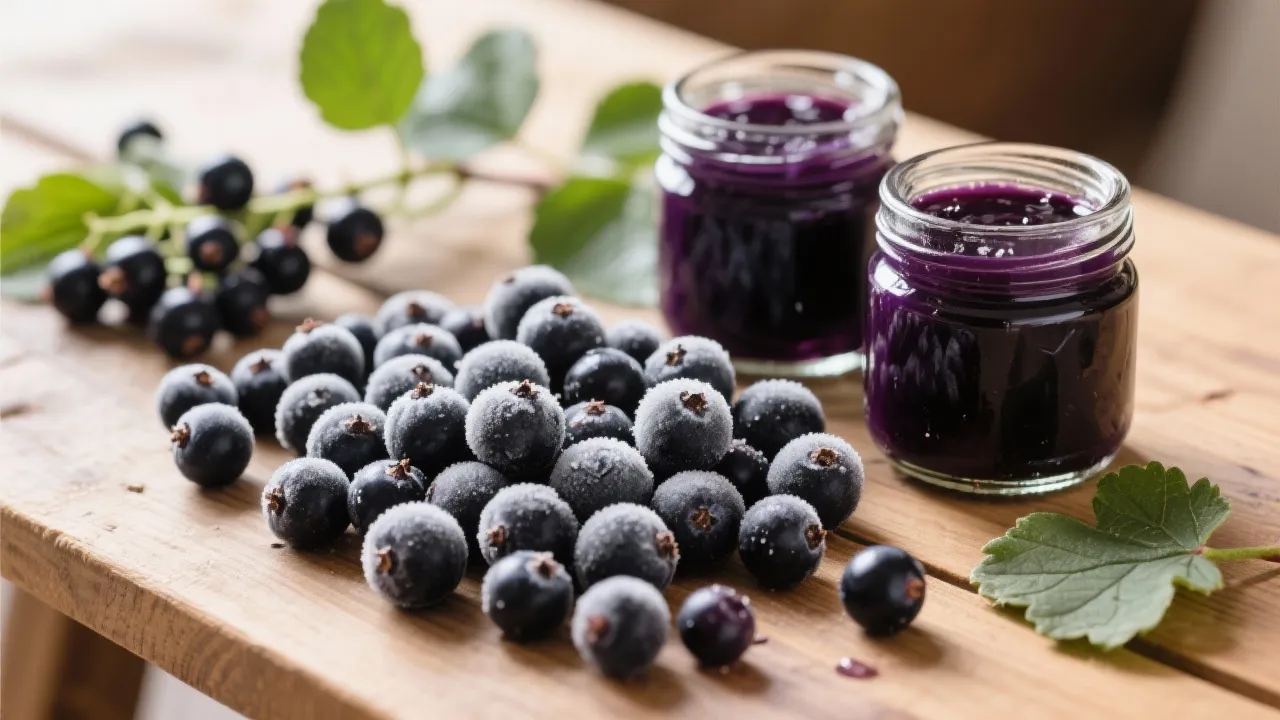
In the highly competitive world of premium jam production, the choice of raw materials is crucial. Many high - end jam brands are increasingly turning to frozen blackcurrants. But what makes frozen blackcurrants so appealing?
One of the key advantages of frozen blackcurrants is their high whole - fruit rate. On average, frozen blackcurrants can maintain a whole - fruit rate of over 90%, compared to only about 70% for fresh blackcurrants. This high whole - fruit rate is beneficial for jam production as it provides a better texture and appearance.
Moreover, through strict manual screening, frozen blackcurrants ensure consistent quality. Each berry is carefully inspected to remove any damaged or sub - standard ones, guaranteeing that only the best fruits are used in the production process. This level of quality control is difficult to achieve with fresh blackcurrants, which may have a wider range of quality during different harvest seasons.
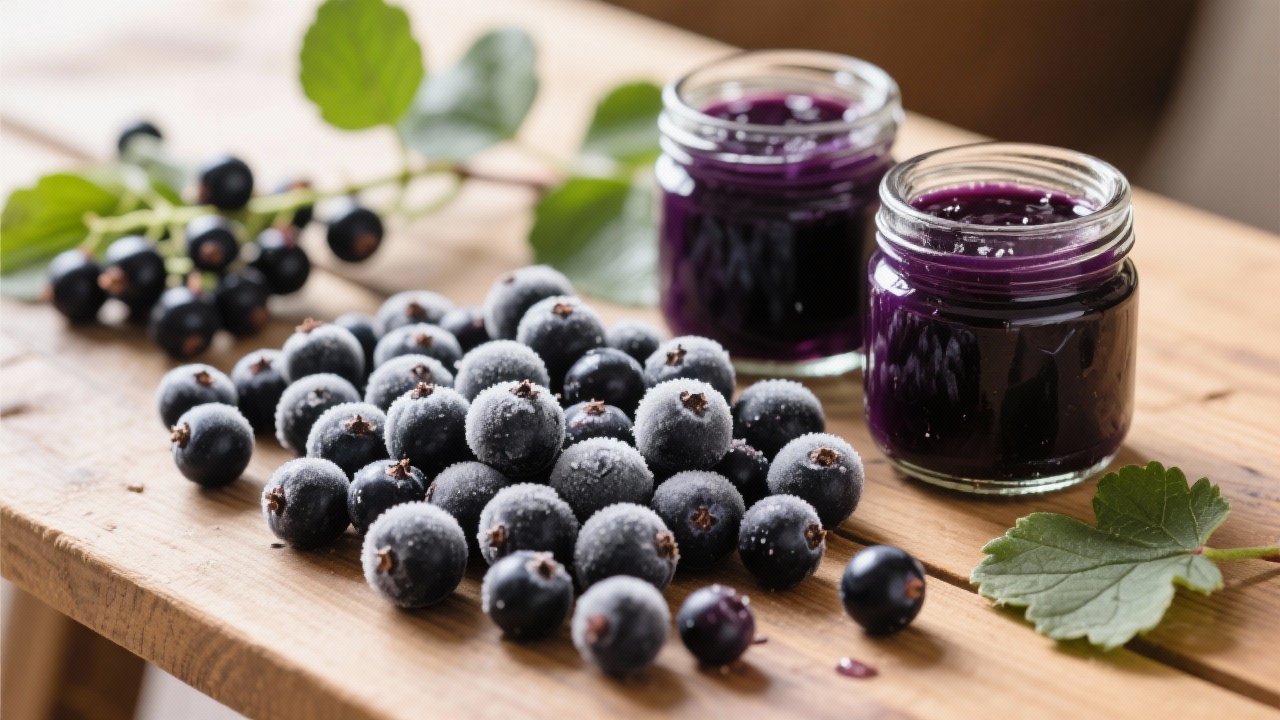
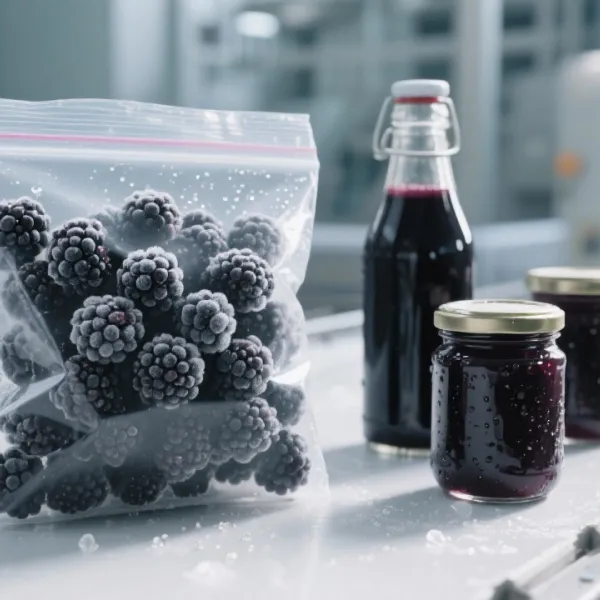
The quick - freezing technology used for blackcurrants plays a vital role. It can rapidly lower the temperature of the berries to below - 18°C within 30 minutes. This process effectively preserves the cell structure of the blackcurrants, locking in nutrients and flavors. In contrast, fresh blackcurrants start to lose their nutritional value and flavor within a few days after harvest.
Another significant benefit is the stable year - round supply. Fresh blackcurrants have a limited harvest season, usually lasting only 2 - 3 months. This short harvest window makes it challenging for food processing companies to maintain a consistent production schedule. On the other hand, frozen blackcurrants can be stored for up to 12 months without significant quality loss, ensuring a continuous supply for jam production throughout the year.
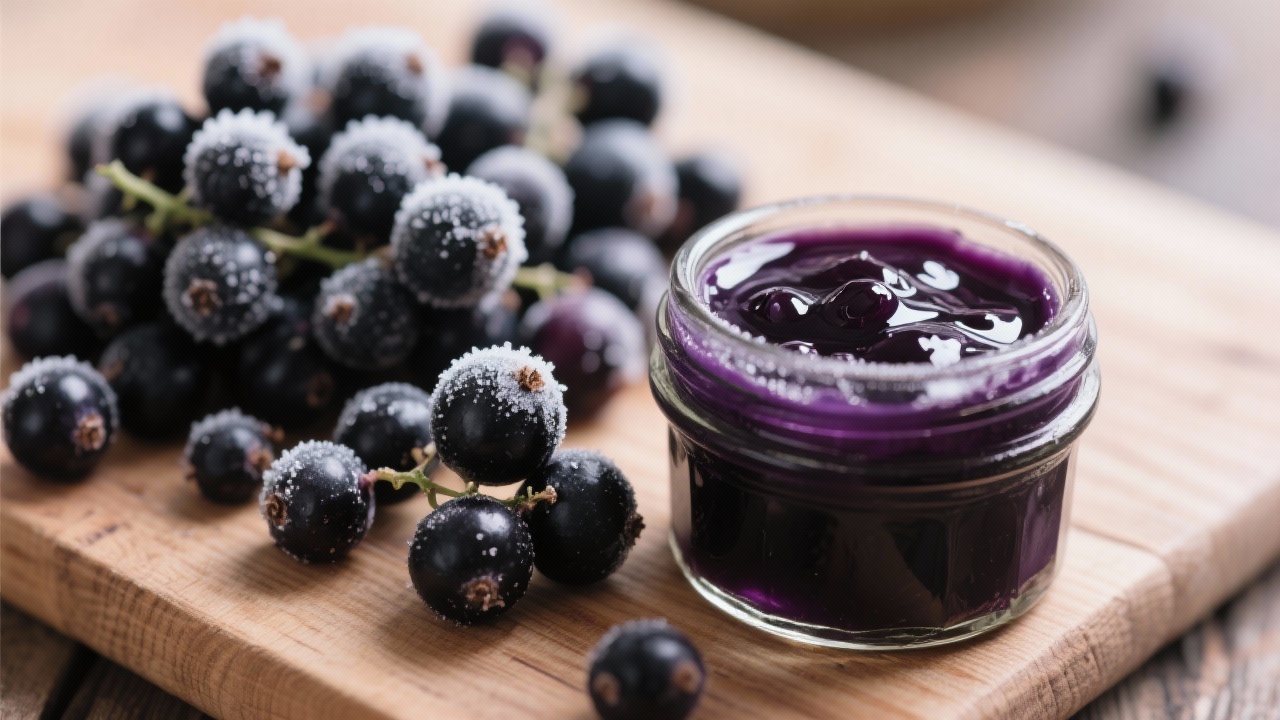
In terms of cost, fresh blackcurrants incur high transportation and storage costs. They need to be transported in refrigerated trucks and stored in cold storage facilities with strict temperature control. These additional costs can increase the overall production cost by up to 30%. Frozen blackcurrants, however, are more cost - effective in the long run as they can be bulk - stored and transported more easily.
Frozen blackcurrants are not only suitable for jam production but also have wide applications in the juice and baking industries. For example, in the juice industry, the high - quality frozen blackcurrants can produce juice with rich flavor and high nutritional value. In the baking industry, they can be used as fillings for pastries and cakes, adding a natural and delicious taste.
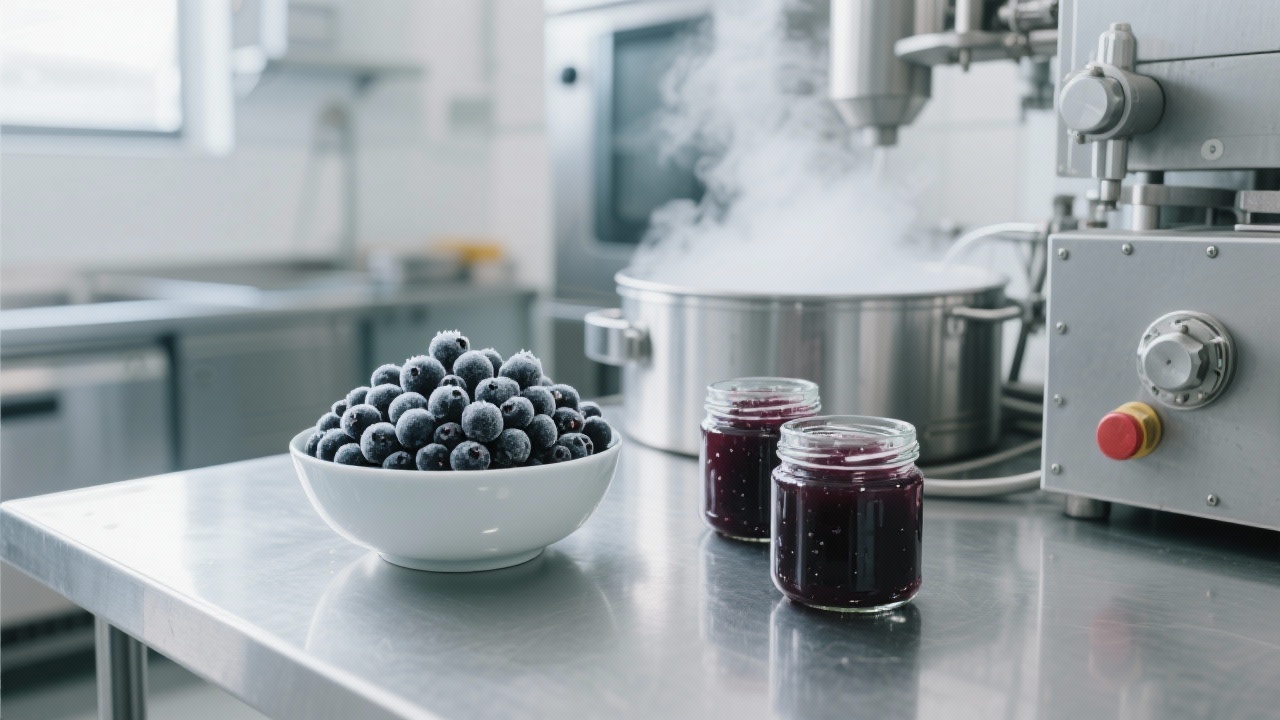
In conclusion, the choice of frozen blackcurrants by premium jam brands is a well - thought - out decision based on quality, supply stability, and cost - effectiveness. For food processing companies and supply chain managers, understanding these advantages can help make more informed decisions.
Download our industry white paper for more insights on frozen blackcurrants in food production!


_(2).jpg?x-oss-process=image/resize,m_fill,h_600,w_600/format,webp)
.jpg?x-oss-process=image/resize,m_fill,h_600,w_600/format,webp)



.jpg?x-oss-process=image/resize,m_fill,h_600,w_600/format,webp)
_(4).jpg?x-oss-process=image/resize,m_fill,h_600,w_600/format,webp)