Industry Insights • Food & Beverage Ingredients • Last Updated: October 2023
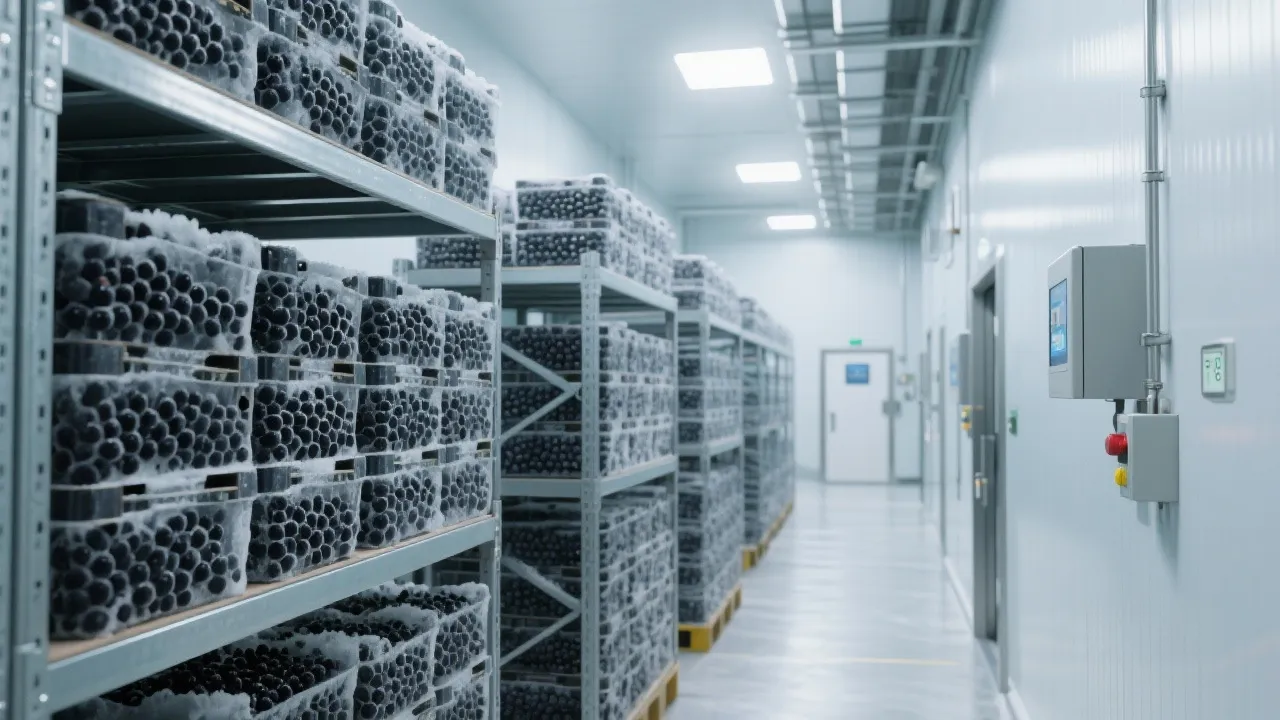
For food processors and beverage developers, sourcing high-quality frozen blackcurrants directly impacts product quality, production efficiency, and ultimately, market competitiveness. This guide breaks down the critical factors that separate premium frozen blackcurrants from mediocre alternatives, helping procurement teams make informed decisions that drive product innovation.
Industry Perspective:
"Over 68% of product quality complaints in fruit-based processed foods can be traced back to raw material sourcing decisions." — Global Food Ingredients Association, 2023 Report
The journey to premium frozen blackcurrants begins in the orchard. Optimal harvesting timing directly correlates with nutrient density and flavor profile development. Blackcurrants harvested at 90-95% maturity demonstrate significantly higher levels of anthocyanins (30-35 mg/100g) compared to those picked prematurely.
Post-harvest sorting is equally critical. A rigorous manual selection process, targeting a minimum 98% defect-free rate, ensures consistent quality. Reputable suppliers implement multi-stage sorting protocols that remove underdeveloped, overripe, or damaged fruits before freezing.
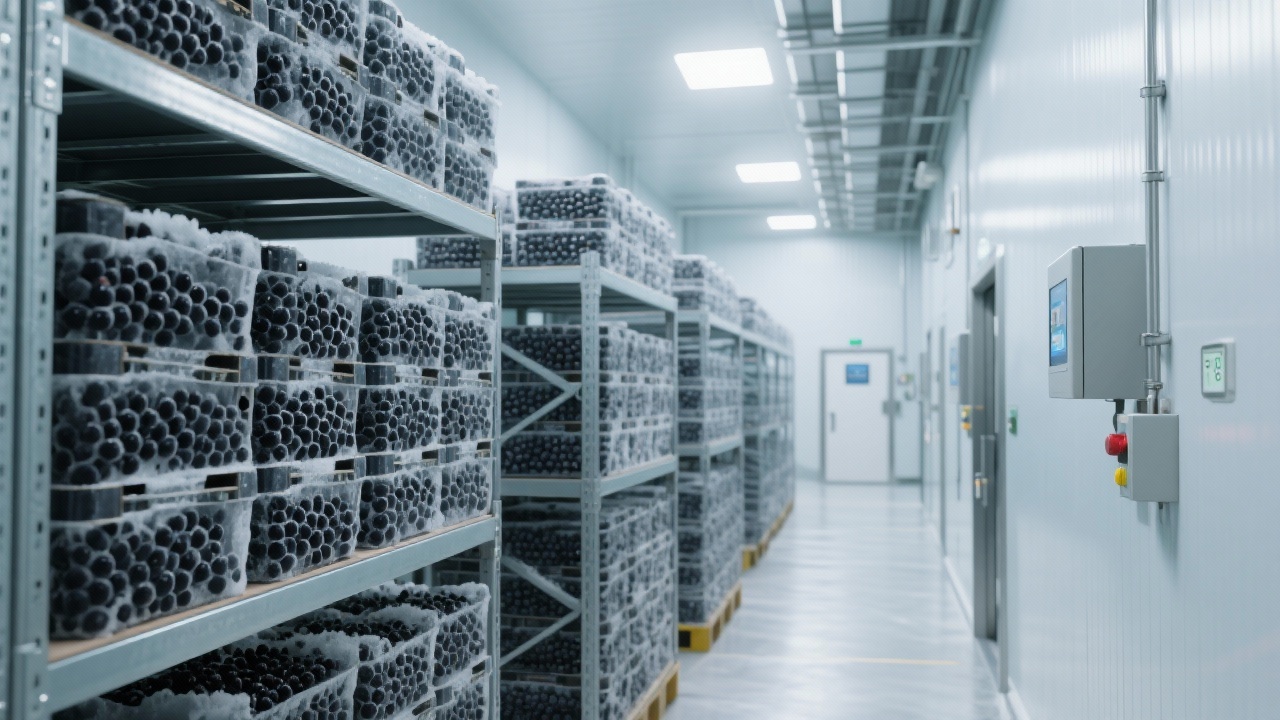
Not all freezing processes are created equal. The method employed directly impacts cell structure integrity, nutrient retention, and industrial usability. Traditional slow freezing methods cause ice crystal formation that ruptures 40-60% of fruit cells, leading to significant juice loss and texture degradation during thawing.
Advanced IQF (Individual Quick Freezing) technology, utilizing temperatures as low as -35°C with air velocities of 6-8 m/s, preserves cellular structure by forming micro-crystals. This results in 85-90% cell integrity retention and up to 30% higher anthocyanin preservation compared to conventional freezing methods.
| Freezing Parameter | Conventional Freezing | IQF Technology |
|---|---|---|
| Freezing Time | 4-6 hours | 8-12 minutes |
| Ice Crystal Size | 50-100μm (damaging to cells) | 5-20μm (micro-crystals) |
| Nutrient Retention | 65-75% | 90-95% |
| Industrial Usability | Limited (clumping, juice loss) | Excellent (free-flowing, minimal loss) |
Whole fruit percentage stands as perhaps the most critical yet overlooked metric in frozen blackcurrant procurement. A 95% whole fruit rate translates directly to operational efficiency, reducing processing time by up to 25% and minimizing waste.
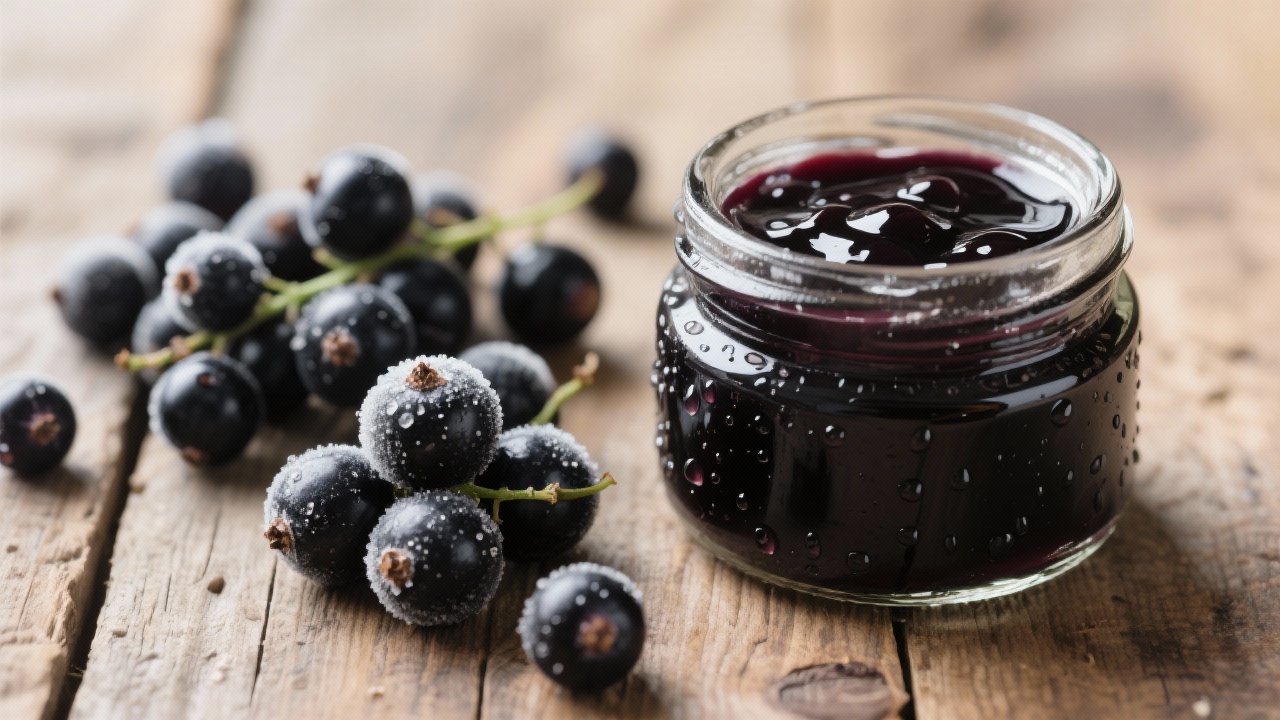
Beyond efficiency, whole fruit integrity impacts end-product quality. In applications like premium jams and fruit fillings, whole or halved blackcurrants provide visual appeal and textural contrast that fragmented fruits cannot match. For beverage manufacturers, whole fruits yield more consistent juice extraction and better color stability.
Procuring frozen blackcurrants with 95%+ whole fruit rate delivers measurable benefits:
Different applications demand specific blackcurrant characteristics. Understanding these nuances ensures optimal raw material selection for your unique production needs.
For jams and preserves, focus on fruit with high pectin content (1.2-1.5% dry weight) and skin integrity. The ideal frozen blackcurrant should maintain shape during cooking while releasing natural pectins for proper gel formation.
Juice and smoothie manufacturers should prioritize anthocyanin stability and sugar-acid balance. Look for a Brix level between 14-16° and pH range of 2.8-3.2 for optimal flavor development without excessive added sugars.
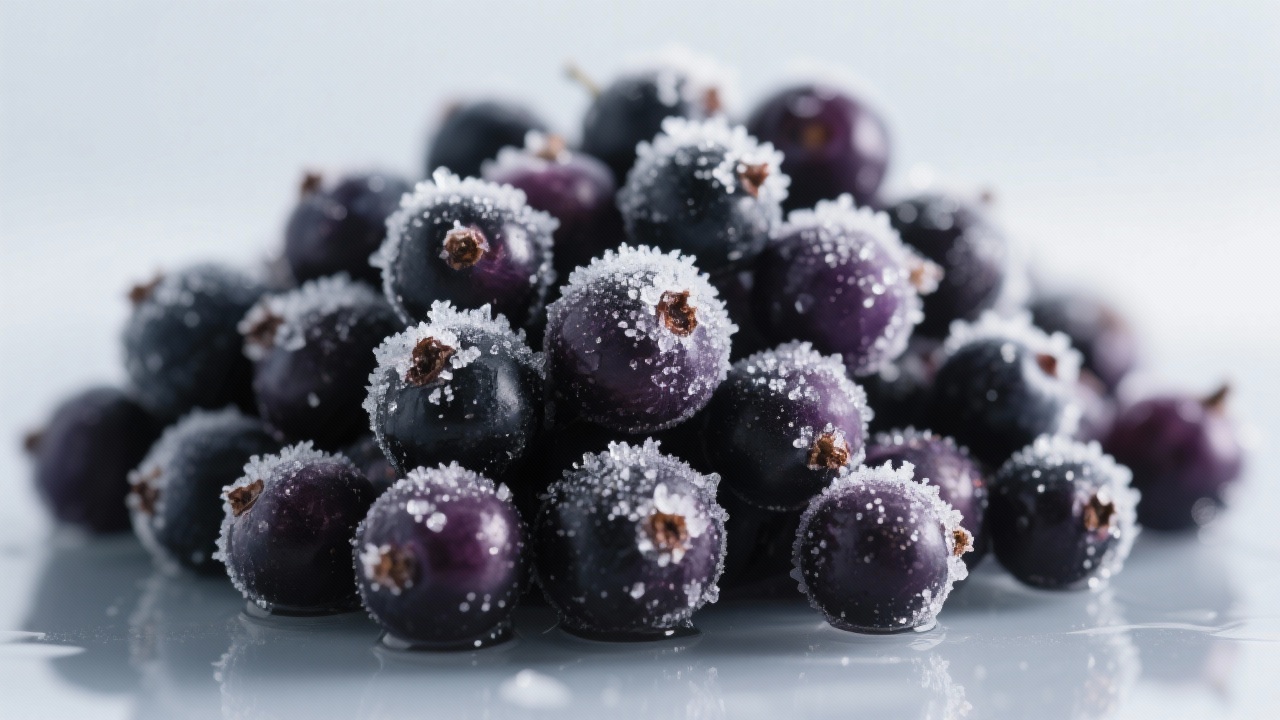
In baked goods, texture stability during baking is paramount. IQF-processed blackcurrants with high cell integrity maintain shape and color better than traditionally frozen alternatives, with minimal juice leakage into dough or batter.
Access our comprehensive Frozen Blackcurrant Sourcing Guide featuring supplier evaluation checklists, quality control protocols, and sample testing procedures.
Download Free Sourcing Guide* Limited to food industry professionals. Your information will be used solely for providing industry insights.
The global market for blackcurrant-based products is experiencing significant growth, driven by increasing consumer demand for functional foods. According to industry reports, the functional beverage segment utilizing blackcurrant extracts is projected to grow at a CAGR of 7.2% through 2027.
Innovation in blackcurrant applications includes clean-label energy drinks, natural food colorants, and fortified snack products. This expanding market presents new opportunities for manufacturers who can consistently source high-quality raw materials.
As consumer awareness of anthocyanin's health benefits grows, product developers are finding new ways to incorporate blackcurrants into functional products. From eye health supplements to performance beverages, the versatility of high-quality frozen blackcurrants continues to expand.


_(2).jpg?x-oss-process=image/resize,m_fill,h_600,w_600/format,webp)


.jpg?x-oss-process=image/resize,m_fill,h_600,w_600/format,webp)