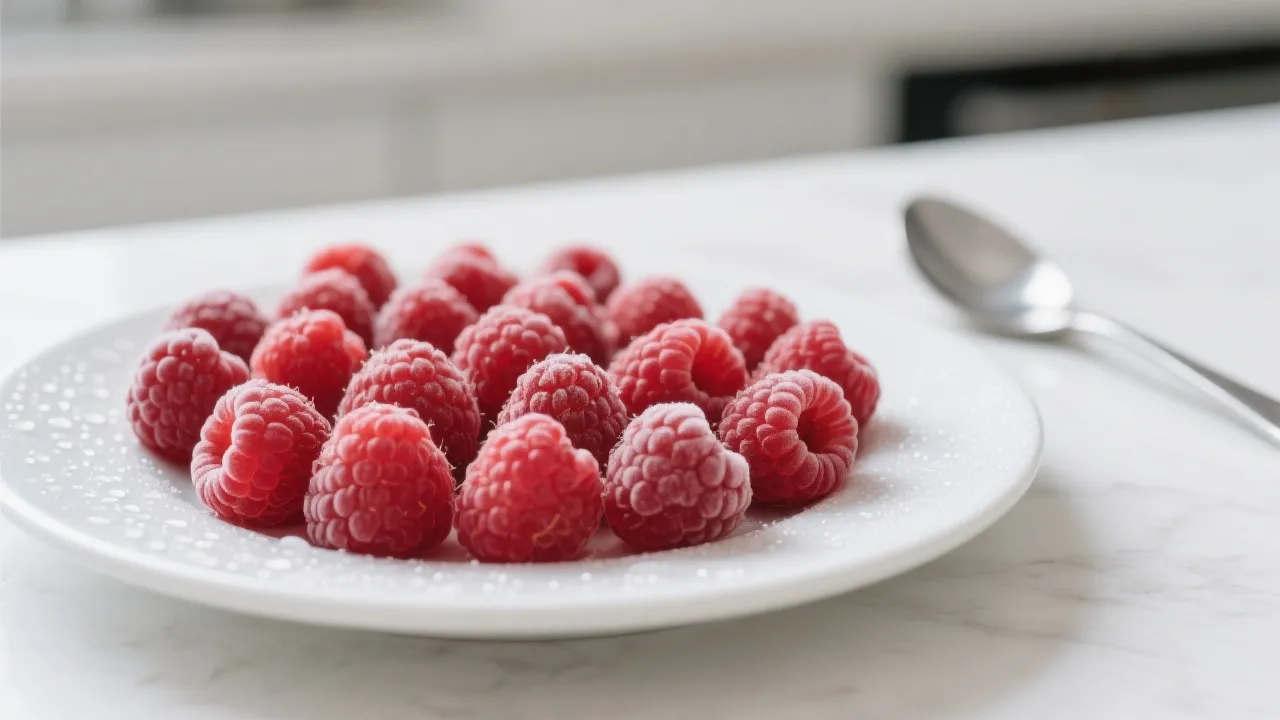
In today's health-conscious world, consumers are increasingly seeking natural solutions to support their wellbeing. Among nature's most potent offerings, red raspberries stand out as a nutritional powerhouse, packing a powerful punch of antioxidants and essential vitamins. Recent scientific research has shed new light on how the unique combination of anthocyanins and vitamin C in these vibrant berries works synergistically to combat oxidative stress, reduce inflammation, and promote overall health.
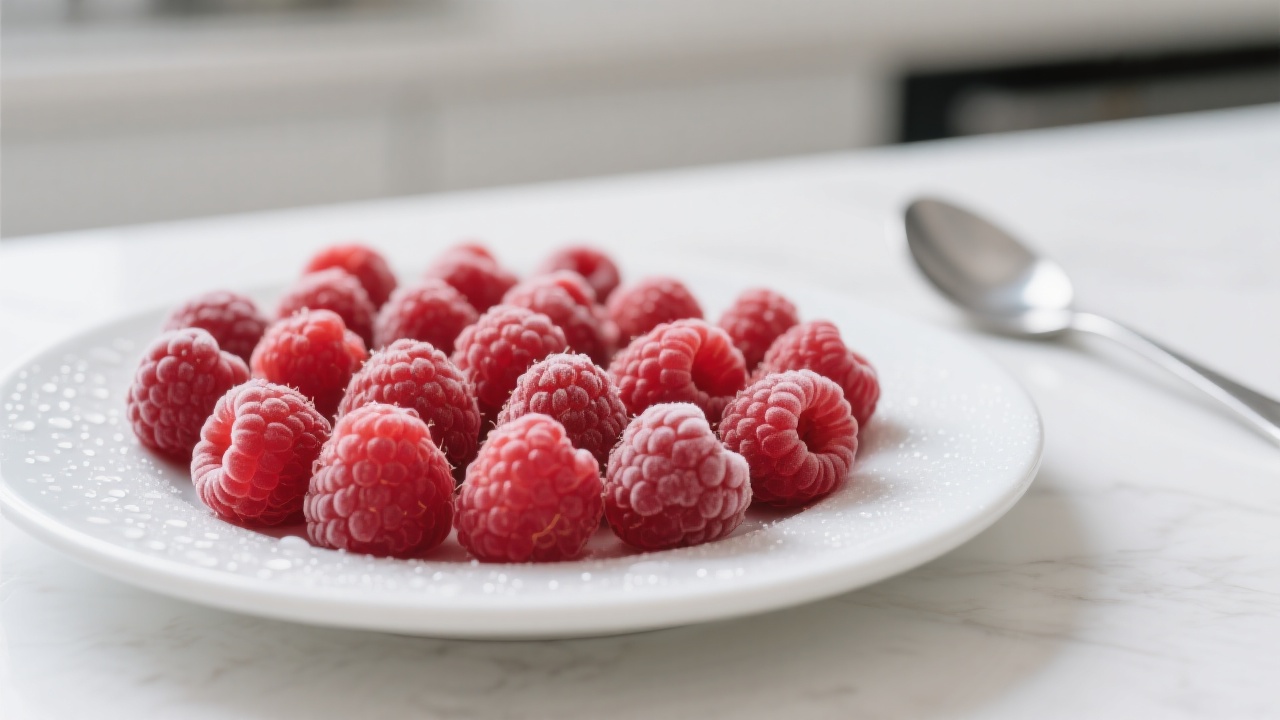
Red raspberries owe their characteristic deep crimson hue to anthocyanins, a group of flavonoid compounds with exceptional antioxidant properties. These natural pigments are more than just colorants—they're active compounds that play a crucial role in neutralizing harmful free radicals in the body.
Research published in the Journal of Agricultural and Food Chemistry indicates that the anthocyanins in red raspberries demonstrate an antioxidant capacity up to 5 times greater than that of vitamin E, one of the body's primary lipid-soluble antioxidants. A 100-gram serving of fresh red raspberries typically contains between 50-80 mg of anthocyanins, predominantly cyanidin-3-glucoside and cyanidin-3-rutinoside, which are known for their stability and bioavailability.
These compounds work by scavenging reactive oxygen species (ROS) and nitrogen species (RNS), which are byproducts of normal metabolism that can damage cells and DNA if left unchecked. By neutralizing these harmful molecules, anthocyanins help protect cellular structures and DNA from oxidative damage, a key factor in the aging process and the development of chronic diseases.
Beyond their anthocyanin content, red raspberries are an excellent source of vitamin C, providing approximately 26 mg per 100 grams—about 30% of the recommended daily intake for adults. This essential water-soluble vitamin plays multiple roles in maintaining optimal health, acting both as an antioxidant and as a cofactor in various enzymatic reactions.
Vitamin C's antioxidant activity complements that of anthocyanins by protecting aqueous environments within the body, while anthocyanins are more effective in lipid-rich environments. This complementary action creates a powerful antioxidant network that provides comprehensive protection against oxidative stress.
One of vitamin C's most well-documented roles is in supporting immune function. It enhances the production and function of white blood cells, particularly neutrophils, lymphocytes, and phagocytes, which are critical for fighting infections. Additionally, vitamin C is essential for collagen synthesis, a protein that provides structure to skin, blood vessels, bones, and connective tissues.
The combination of anthocyanins and vitamin C in red raspberries creates a powerful anti-inflammatory effect that goes beyond the capabilities of either compound alone. Chronic inflammation is increasingly recognized as a root cause of many modern diseases, including cardiovascular disease, diabetes, and certain cancers.
Studies have shown that the anthocyanins in red raspberries inhibit the production of pro-inflammatory cytokines such as TNF-α and IL-6, while also suppressing the activity of cyclooxygenase-2 (COX-2), an enzyme involved in the inflammatory response. Vitamin C enhances these effects by supporting the body's natural anti-inflammatory pathways and reducing the production of inflammatory mediators.
A 2019 clinical trial published in Nutrients demonstrated that consuming 200 grams of red raspberries daily for four weeks resulted in a 15-20% reduction in markers of inflammation, including C-reactive protein (CRP) and interleukin-6 (IL-6), in healthy adults. These findings suggest that regular consumption of red raspberries may help modulate the body's inflammatory response, potentially reducing the risk of chronic inflammatory conditions.
To fully harness the health benefits of red raspberries, it's important to consider both their quality and how they're prepared and consumed. Fresh raspberries are delicious and nutritious, but their delicate nature means they have a relatively short shelf life.
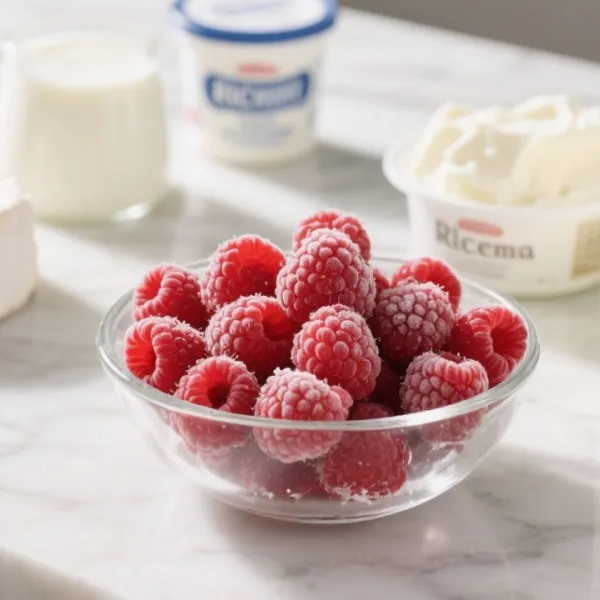
Freezing is an excellent preservation method that retains most of the berries' nutritional value. Research indicates that frozen raspberries maintain approximately 90% of their anthocyanin content and vitamin C levels when properly frozen within 24 hours of harvest. This makes frozen raspberries a convenient and cost-effective option for year-round consumption.
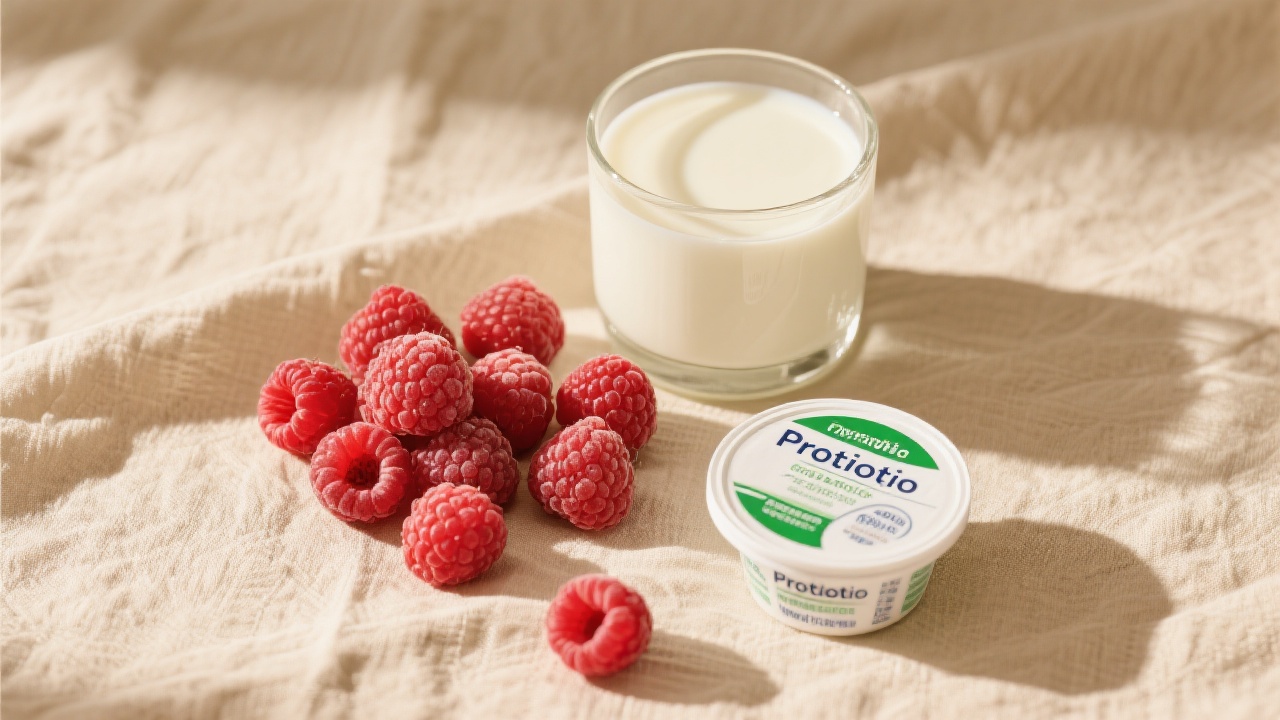
Red raspberries are incredibly versatile in the kitchen. They can be enjoyed fresh as a snack, added to yogurt or oatmeal, blended into smoothies, or used in baked goods. For those looking to maximize nutritional intake, incorporating red raspberries into daily meals can be simple and delicious.
Nutrition experts recommend consuming 150-200 grams of red raspberries daily to achieve significant health benefits. This portion provides approximately 75-120 mg of anthocyanins and 40-50 mg of vitamin C, along with dietary fiber, manganese, and other essential nutrients.
The scientific evidence is clear: red raspberries offer a unique combination of anthocyanins and vitamin C that can significantly support your body's antioxidant defenses and reduce inflammation. To experience these benefits, it's crucial to choose high-quality raspberries that retain their nutritional value from farm to table.
Discover 亿商桥's Premium Red Raspberry ProductsSourced at peak ripeness and processed to preserve maximum nutritional value


_(2).jpg?x-oss-process=image/resize,m_fill,h_600,w_600/format,webp)

.jpg?x-oss-process=image/resize,m_fill,h_600,w_600/format,webp)
.jpg?x-oss-process=image/resize,m_fill,h_600,w_600/format,webp)


.jpg?x-oss-process=image/resize,m_fill,h_600,w_600/format,webp)