In the realm of functional foods, few natural ingredients offer the comprehensive health benefits found in red raspberries. This vibrant fruit, celebrated for its sweet-tart flavor, is more than just a culinary delight—it's a nutritional powerhouse brimming with natural anthocyanins and vitamin C. As health-conscious consumers and food manufacturers increasingly seek ingredients that deliver both taste and wellness benefits, red raspberries have emerged as a sought-after component in functional food formulations. Let's explore the science behind their remarkable health properties and how they can enhance both consumer health and product value.
Red raspberries derive their distinctive deep red hue from a group of polyphenolic compounds known as anthocyanins, which belong to the flavonoid family. These natural pigments are not merely responsible for the fruit's visual appeal—they are the primary source of its potent antioxidant capabilities. Research published in the Journal of Agricultural and Food Chemistry identified cyanidin-3-glucoside as the predominant anthocyanin in red raspberries, accounting for approximately 80% of the total anthocyanin content, with concentrations ranging from 100-200 mg per 100g of fresh fruit.
Key Mechanism: Free Radical Scavenging
Anthocyanins neutralize reactive oxygen species (ROS) through a dual mechanism: directly scavenging free radicals and stimulating the body's endogenous antioxidant enzymes. Studies indicate that red raspberry anthocyanins exhibit an ORAC (Oxygen Radical Absorbance Capacity) value of approximately 4,900 μmol TE/100g, placing them among the top antioxidant-rich fruits.
Beyond their antioxidant effects, red raspberry anthocyanins demonstrate promising anti-inflammatory properties by inhibiting the production of pro-inflammatory cytokines such as TNF-α and IL-6. A 2022 clinical trial published in Nutrients found that daily consumption of red raspberry extract significantly reduced markers of inflammation in participants with metabolic syndrome, with C-reactive protein levels decreasing by an average of 19% over an 8-week period.
Complementing the anthocyanins in red raspberries is their impressive vitamin C content, averaging 26 mg per 100g of fresh fruit—approximately 30% of the Daily Value (DV) for adults. This water-soluble vitamin plays a crucial role in numerous physiological processes, working in harmony with anthocyanins to enhance overall antioxidant capacity.
Vitamin C's most well-documented role is in collagen synthesis, where it acts as a cofactor for prolyl and lysyl hydroxylase enzymes essential for collagen formation. This makes red raspberries a valuable addition to beauty-from-within formulations, as collagen is vital for skin elasticity and wound healing. A study in the American Journal of Clinical Nutrition demonstrated that vitamin C intake correlates with improved skin hydration and reduced wrinkle depth, with optimal results observed at intakes of 100-200mg daily.
| Nutrient | Content per 100g Fresh Red Raspberries | % Daily Value |
|---|---|---|
| Vitamin C | 26 mg | 30% |
| Anthocyanins | 150 mg | - |
| Fiber | 6.5 g | 26% |
| Manganese | 0.6 mg | 27% |
Additionally, vitamin C enhances immune function by supporting the production and function of white blood cells, particularly lymphocytes and phagocytes. Research suggests that adequate vitamin C intake may reduce the duration of common colds by approximately 8% in adults and 14% in children, according to a meta-analysis published in the Cochrane Database of Systematic Reviews.
The combined action of anthocyanins and vitamin C in red raspberries creates a synergistic effect that supports multiple aspects of human health. Recent studies have highlighted several key benefits:
A 2021 study conducted at the University of California, Davis, demonstrated that participants consuming 200g of red raspberries daily for 30 days showed a 32% increase in natural killer cell activity—a critical component of the innate immune system—compared to the control group. This suggests that regular red raspberry consumption may enhance the body's first line of defense against pathogens.
Red raspberries' bioactive compounds have shown promise in supporting cardiovascular health. A randomized controlled trial published in the Journal of Nutrition found that daily consumption of red raspberry powder (equivalent to 150g fresh raspberries) for 8 weeks resulted in a 6% reduction in systolic blood pressure and a 12% improvement in endothelial function in overweight adults.

The combination of anthocyanins and vitamin C makes red raspberries a valuable ingredient for skin health. Clinical research indicates that these compounds protect against UV-induced skin damage by neutralizing free radicals and reducing inflammation. A 12-week study involving 60 participants found that oral supplementation with red raspberry extract significantly improved skin elasticity and reduced the appearance of fine lines, with 78% of participants showing measurable improvement.
For food manufacturers and formulators, understanding how to preserve red raspberries' nutritional integrity during processing is crucial. Freezing is an excellent preservation method, as it maintains approximately 90% of the anthocyanin content and vitamin C when properly flash-frozen within 24 hours of harvest. Heat processing, while reducing some vitamin C (approximately 15-20% loss), actually increases the bioavailability of certain anthocyanins by breaking down plant cell walls.
Processing Tip: Optimal Temperature Control
When incorporating red raspberries into heat-processed products like jams or beverages, maintaining temperatures below 70°C (158°F) helps preserve maximum nutritional value. Vacuum packaging or nitrogen-flushing also minimizes oxidation and nutrient degradation during storage.
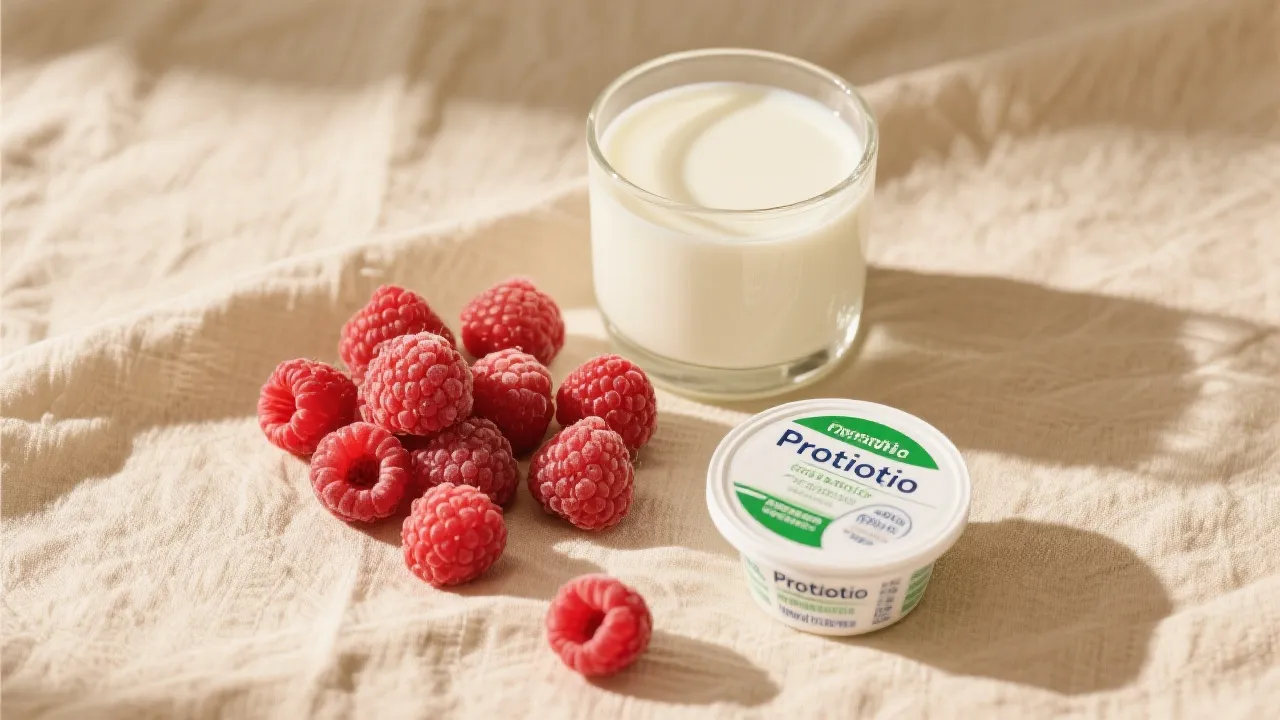
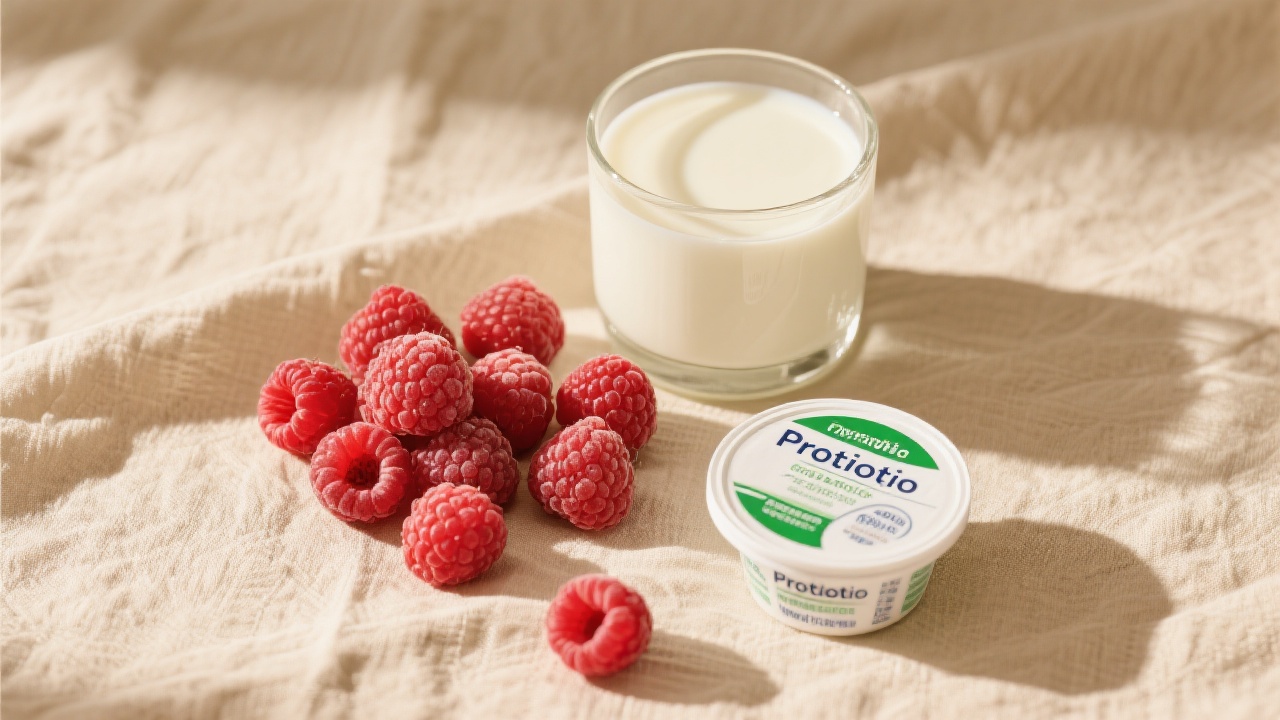
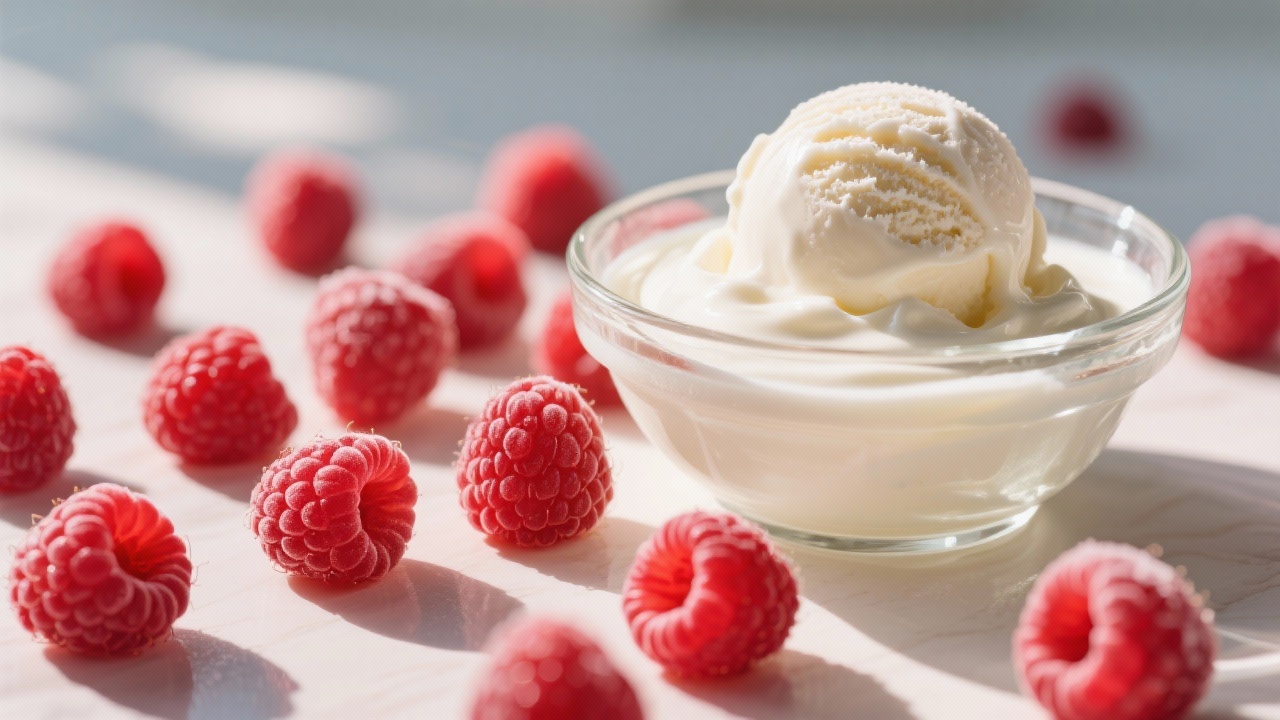
Red raspberries offer versatile applications across multiple product categories, including functional beverages, breakfast cereals, yogurt formulations, dietary supplements, and confectionery. Their natural sweetness can reduce the need for added sugars, aligning with clean-label trends and consumer demand for healthier alternatives.
As consumer awareness of functional foods continues to grow, the global market for natural antioxidant ingredients is projected to reach $8.2 billion by 2026, with a compound annual growth rate of 6.4%. Red raspberries, with their dual punch of anthocyanins and vitamin C, are well-positioned to capture a significant share of this expanding market.
For B2B buyers and product developers, partnering with a reliable supplier is essential to ensure consistent quality and maximum nutritional benefits. 亿商桥 (Yishangqiao) stands out as a trusted provider of premium red raspberry ingredients, offering a range of formats including frozen whole berries, freeze-dried powders, and standardized extracts. Their commitment to sustainable sourcing and advanced processing technologies ensures that the nutritional integrity of the raspberries is preserved from farm to finished product.
Partner with 亿商桥 to access high-quality red raspberry products that deliver proven health benefits and consumer appeal. Our premium ingredients can differentiate your formulations in today's competitive functional food market.
Discover Our Red Raspberry Product RangeThe scientific evidence supporting red raspberries' health benefits continues to grow, making them an increasingly valuable ingredient for food and supplement manufacturers. By incorporating these nutrient-dense fruits into product formulations, businesses can meet consumer demand for natural, functional ingredients while delivering tangible health benefits. As research progresses, we can expect to uncover even more applications for this remarkable fruit in promoting human health and wellness.

_(2).jpg?x-oss-process=image/resize,m_fill,h_600,w_600/format,webp)


_(4).jpg?x-oss-process=image/resize,m_fill,h_600,w_600/format,webp)


.jpg?x-oss-process=image/resize,m_fill,h_600,w_600/format,webp)