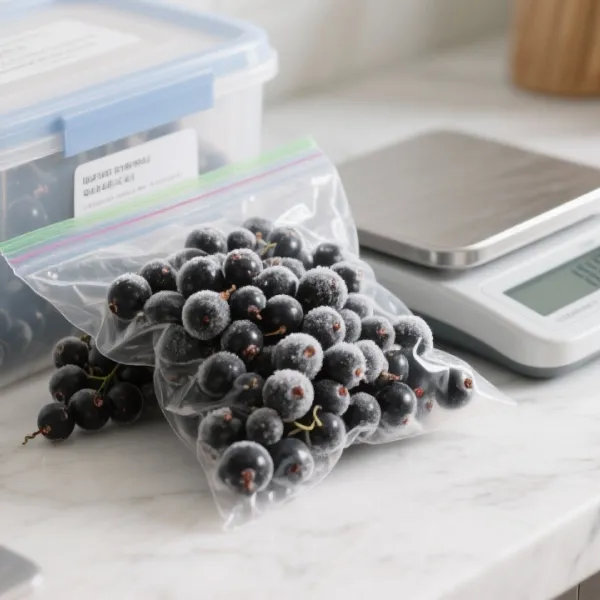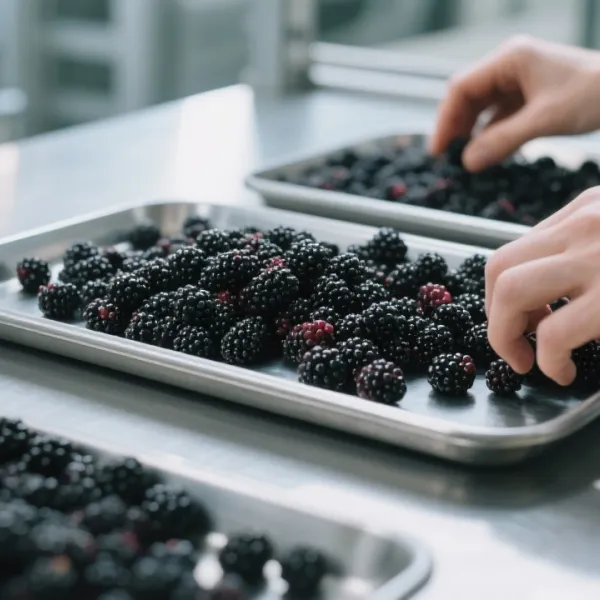
In today's competitive global frozen fruit market, maintaining product quality from farm to table has become the key differentiator for exporters. For delicate berries like blackberries, traditional freezing methods often result in up to 35% product loss due to cell damage and poor structural integrity. This not only affects profitability but also undermines market reputation. As international buyers increasingly demand premium quality frozen fruits with intact appearance and nutritional value, the adoption of advanced freezing technologies has become imperative for businesses aiming to thrive in the global marketplace.
Conventional freezing processes typically operate at -18°C with air velocities below 2m/s, leading to slow freezing rates that form large ice crystals (over 100μm in diameter) within fruit cells. These crystals rupture cell walls and membranes, causing significant leakage of intracellular fluids upon thawing. Research conducted by the International Institute of Refrigeration shows that this traditional approach results in an average of 28% weight loss and 40% reduction in texture quality for soft fruits like blackberries.
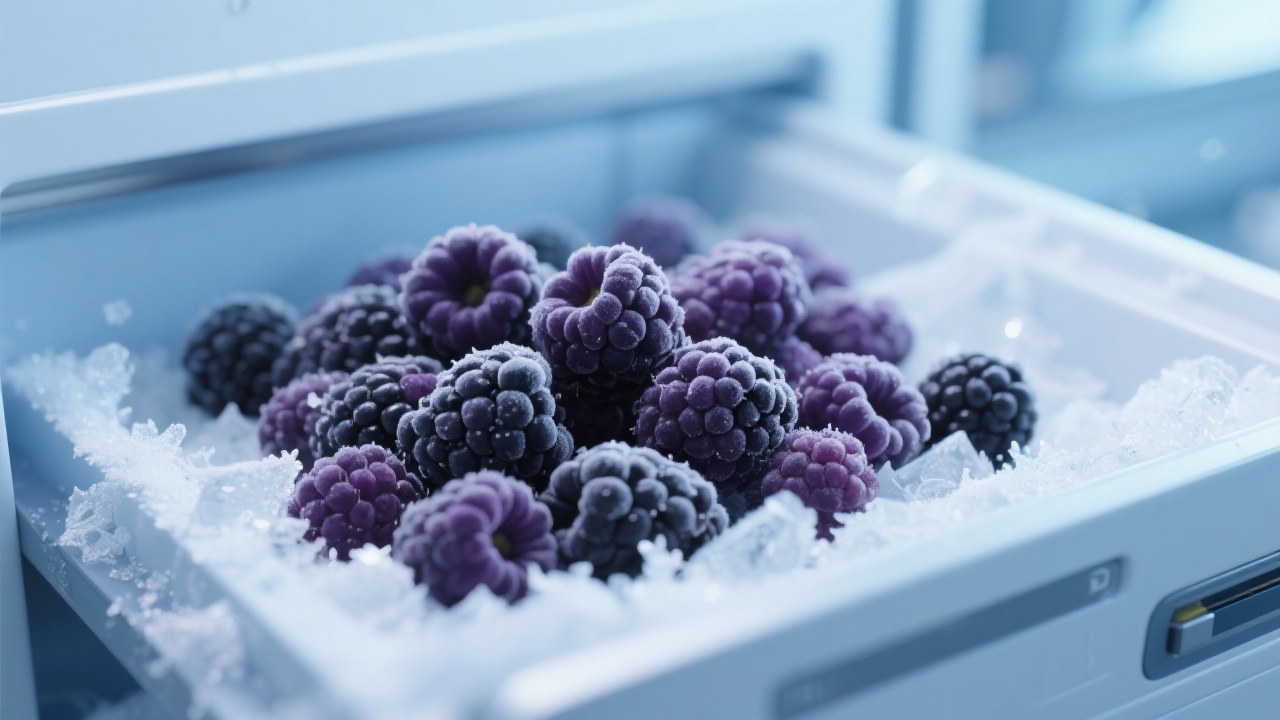
Rapid freezing technology, operating at temperatures as low as -40°C to -50°C with high air velocity (6-8m/s), transforms the preservation process by generating micro-crystals (5-20μm) that maintain cellular structure. This revolutionary approach has been proven to increase whole fruit yield by 25-30% compared to traditional methods, according to a comprehensive study by the Food Technology Research Institute.

Whole fruit rate increases from average 65% to 92%+, significantly reducing processing losses and improving product presentation.
Vitamin C retention improves by 38%, anthocyanins by 42%, and overall antioxidant capacity by 35% compared to conventional freezing.
Product shelf life extends from 12 months to 24 months under proper storage conditions, reducing inventory turnover pressure.
When implementing rapid freezing technology, businesses face two primary options: cryogenic nitrogen freezing and mechanical air-blast freezing. Each offers distinct advantages depending on production scale, product characteristics, and budget considerations.
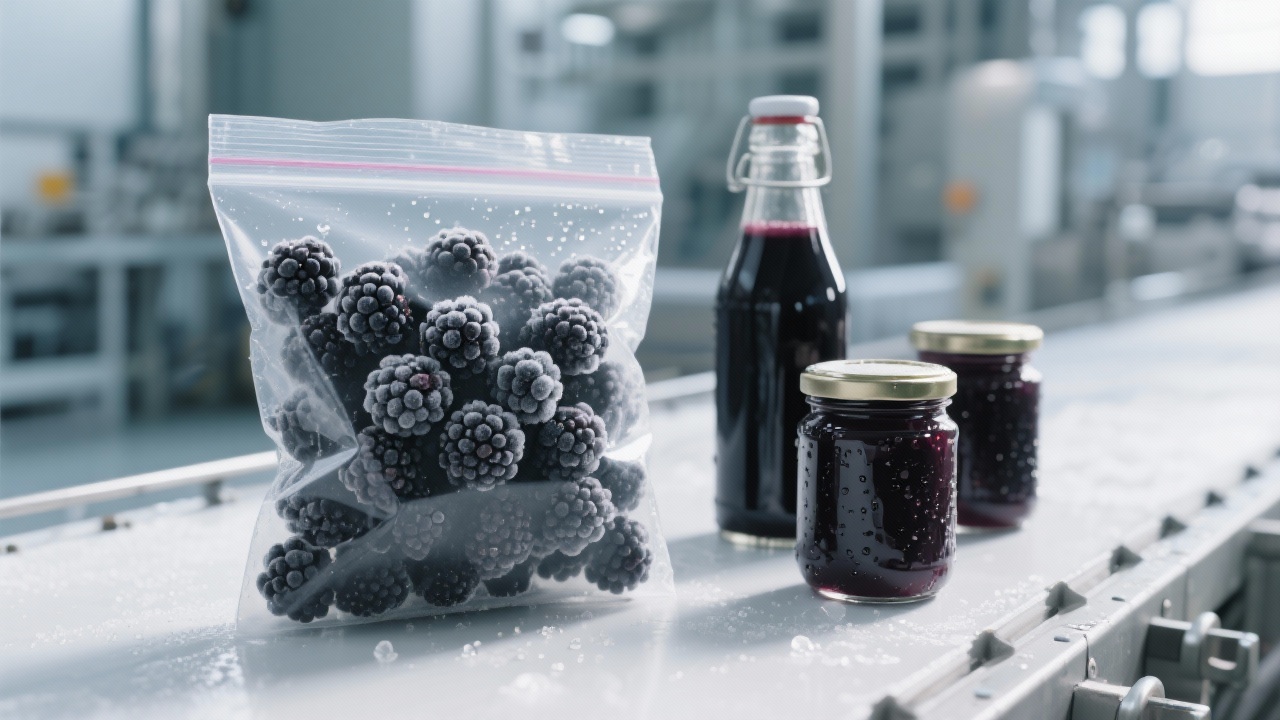
Maintaining precise temperature control throughout the freezing process is paramount. Studies show that temperature fluctuations as small as ±2°C can increase cell damage by 15%. Leading processors utilizing 亿商桥 solutions have reported achieving temperature stability within ±0.5°C, resulting in consistent product quality and reduced waste.
| Freezing Method | Freezing Time | Energy Consumption | Whole Fruit Rate | Ideal Production Scale |
|---|---|---|---|---|
| Conventional Air Freezing | 180-240 minutes | Medium | 60-70% | Small scale |
| Mechanical Air-Blast | 20-40 minutes | High | 85-90% | Medium to large |
| Cryogenic Nitrogen | 2-8 minutes | Very High | 92-95% | Premium product lines |
A leading blackberry processor in Chile implemented rapid freezing technology and documented impressive results within the first year of operation. Their whole fruit yield increased from 68% to 93%, while customer complaints related to product quality decreased by 75%. Most notably, they were able to enter premium European markets, achieving a 40% price premium compared to their previous conventional frozen products.
This commitment to quality through advanced processing technology has become the cornerstone of successful frozen fruit export businesses. By implementing precise sorting and rapid freezing technologies, processors can consistently deliver products that meet the stringent quality requirements of international markets.
When integrating rapid freezing technology into your production line, several critical factors must be addressed to maximize return on investment. Proper product pre-treatment, including careful sorting and optimal temperature pre-conditioning, can improve whole fruit yield by an additional 5-8%. Equipment calibration and regular maintenance are equally important, as even minor deviations from optimal operating parameters can significantly impact product quality.
Discover how 亿商桥's advanced rapid freezing solutions can elevate your product quality, increase yields, and open doors to premium international markets.
Schedule a Free Technical ConsultationAs consumer demand for high-quality frozen fruits continues to grow globally, the ability to deliver products with superior texture, appearance, and nutritional value has become essential for market success. By embracing rapid freezing technology, processors can not only meet these demands but also differentiate their offerings in an increasingly competitive marketplace. The investment in advanced freezing technology pays dividends through improved product quality, reduced waste, and access to higher-value market segments.


_(2).jpg?x-oss-process=image/resize,m_fill,h_600,w_600/format,webp)


.jpg?x-oss-process=image/resize,m_fill,h_600,w_600/format,webp)