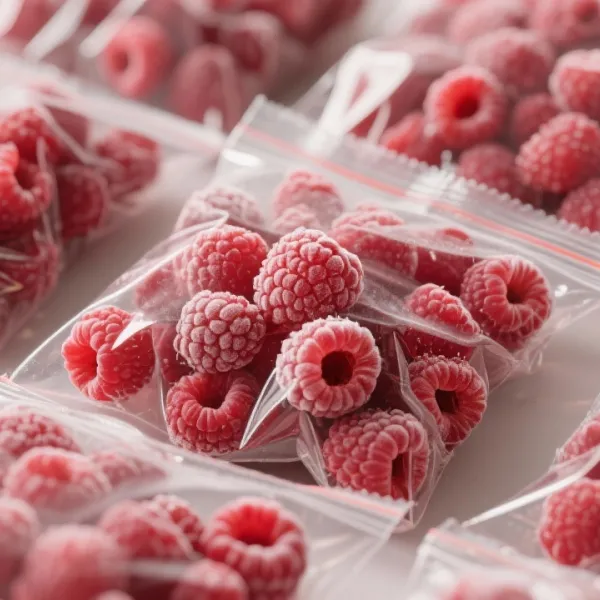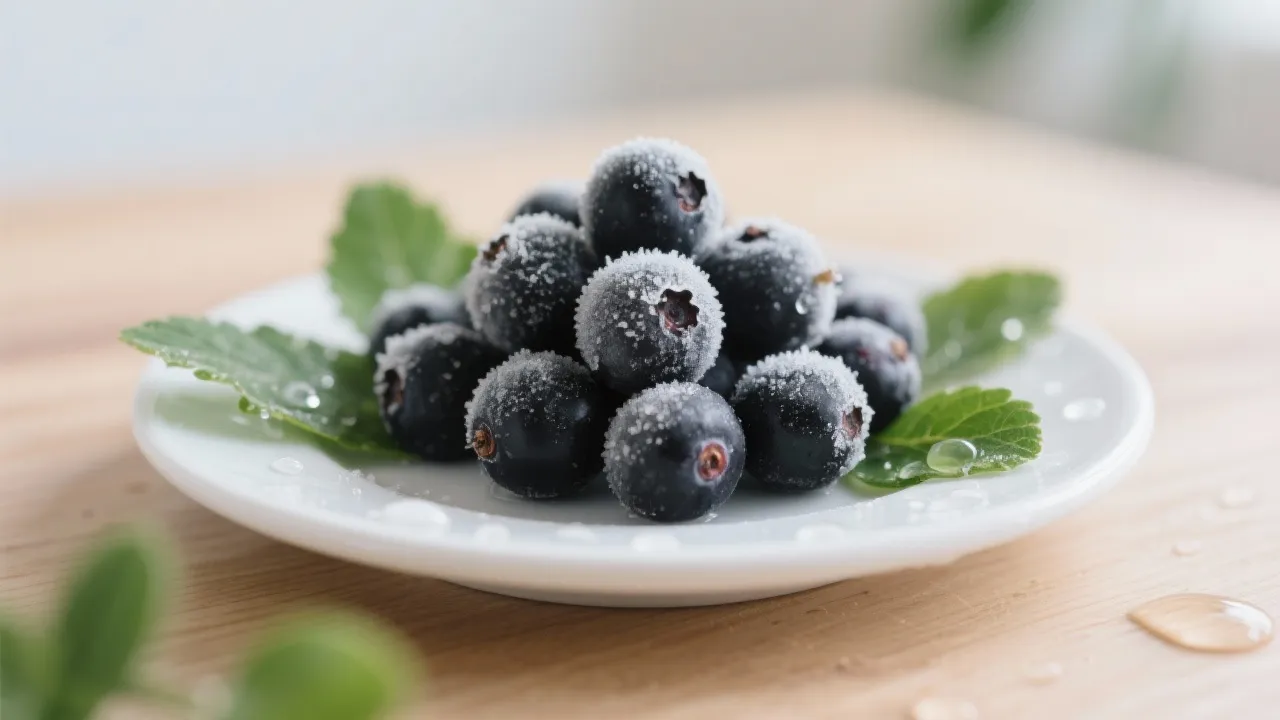
In the global food industry, frozen berries are no longer just a seasonal convenience—they’re a functional ingredient in premium products. Yet many brands still struggle with inconsistent quality, especially when it comes to nutrient retention. Why do some frozen blackberries taste bland or lose their vibrant color after thawing?
According to the USDA Food Safety and Inspection Service, rapid freezing (below -30°C within 30 minutes) reduces cellular damage by up to 70% compared to slow freezing methods—preserving both texture and nutritional integrity.
Slow freezing allows large ice crystals to form inside berry cells, rupturing membranes and releasing moisture. In contrast, rapid freezing creates microcrystals that minimize structural disruption. This is why high-quality frozen blackberries maintain firmness, bright hue, and shelf life—even after months in storage.
Research from the Journal of Food Science shows that anthocyanins—the pigments responsible for deep purple-black color—are stable at -18°C for over 12 months if frozen within 2 hours of harvest. Similarly, vitamin C levels remain above 85% of fresh berries when processed using industrial-grade quick-freeze tunnels.
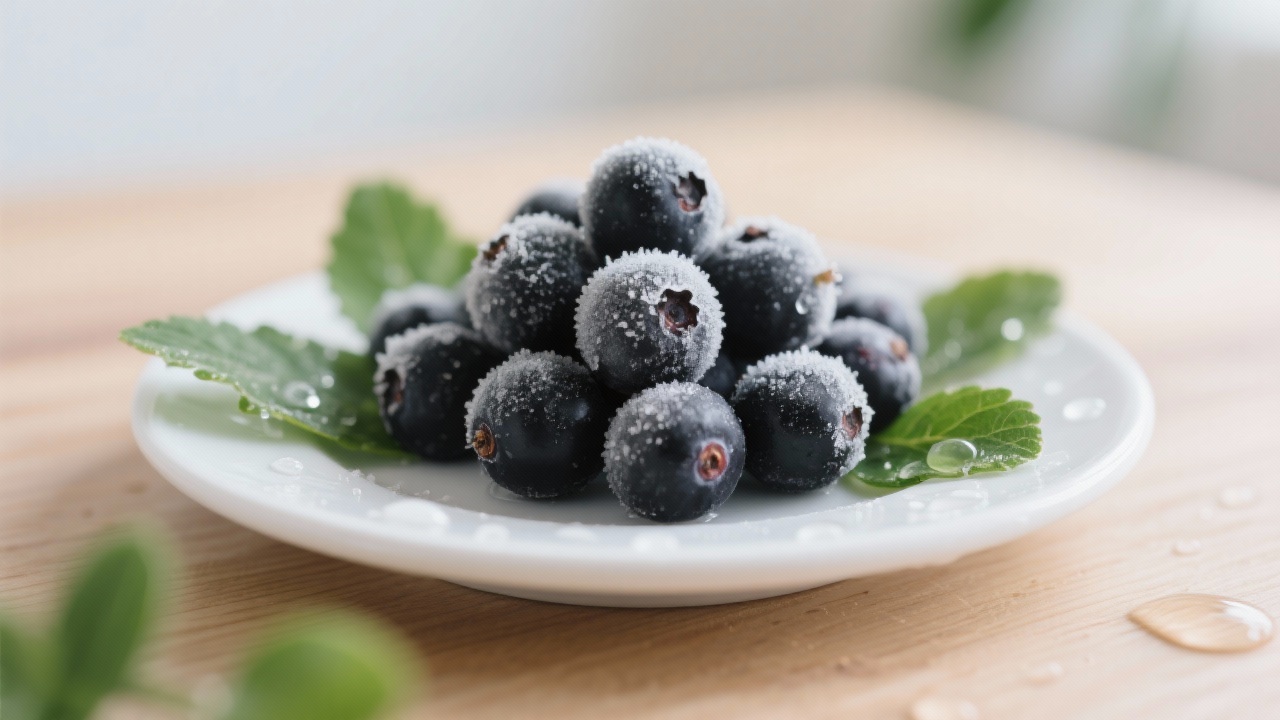
High-end producers don’t rely on automation alone. Manual sorting ensures only whole, undamaged berries enter the freeze line—a practice that boosts whole-berry yield to over 95%. Combined with strict temperature control during cold chain logistics (from -18°C at processing plant to +2°C at delivery), this process guarantees consistent quality across batches.
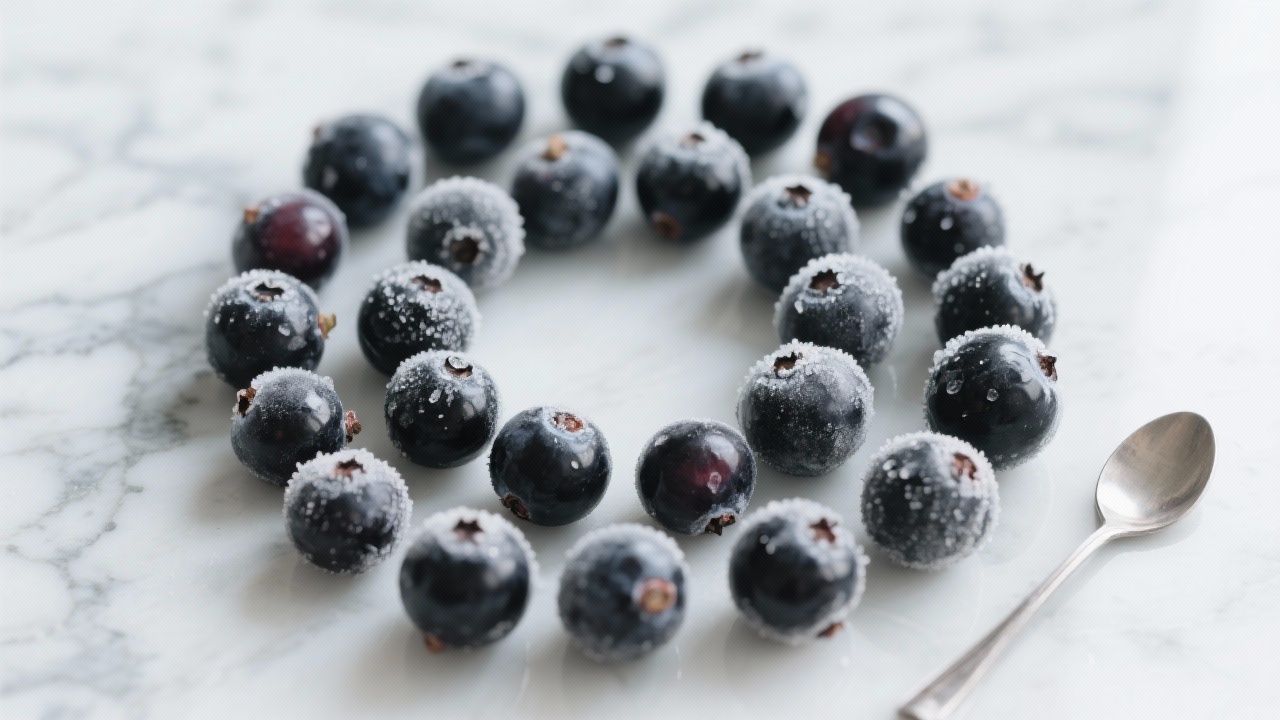
Understanding how science supports your choice isn't just academic—it's strategic. Whether you're sourcing ingredients for a new health drink or developing a frozen dessert line, knowing what makes a frozen blackberry truly premium can differentiate your product in crowded markets.
Explore our production standards, lab-tested results, and supply chain transparency.
Learn More About Our Quality Standards

_(2).jpg?x-oss-process=image/resize,m_fill,h_600,w_600/format,webp)


.jpg?x-oss-process=image/resize,m_fill,h_600,w_600/format,webp)


_(4).jpg?x-oss-process=image/resize,m_fill,h_600,w_600/format,webp)