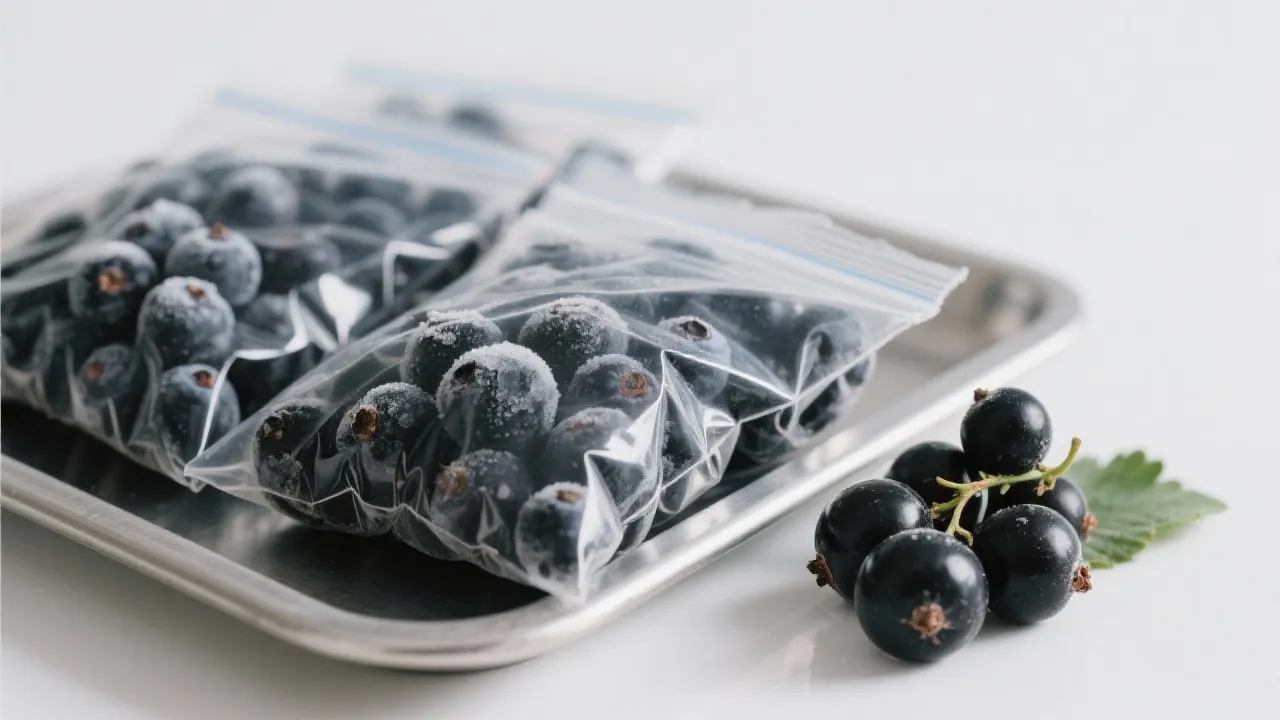
In the world of frozen fruits, flash-frozen blackberries stand out as a remarkable product. But what exactly makes them so special? How does the rapid freezing process retain the nutritional value and rich flavor of these blackberries? This article delves into the scientific principles behind flash freezing to maximize the retention of nutrients and flavors in blackberries.
The key to understanding flash-frozen blackberries lies in the impact of freezing on the cell structure. When blackberries are frozen, water inside the cells turns into ice. According to the International Association of Frozen Foods, the speed of freezing significantly affects the size of ice crystals formed. In flash freezing, the temperature drops rapidly, usually to -30°C or lower within minutes. This results in the formation of tiny ice crystals.
In contrast, traditional slow freezing allows more time for ice crystal formation. The ice crystals in slow-frozen blackberries are much larger, often exceeding 100 micrometers in size. These large ice crystals can pierce the cell walls, causing irreversible damage to the cell structure. As a result, when the slow-frozen blackberries thaw, they tend to release more juices, leading to a loss of texture and flavor. In flash-frozen blackberries, the small ice crystals (less than 50 micrometers) cause minimal damage to the cell structure, thus better preserving the integrity of the cells and the nutrients they contain.
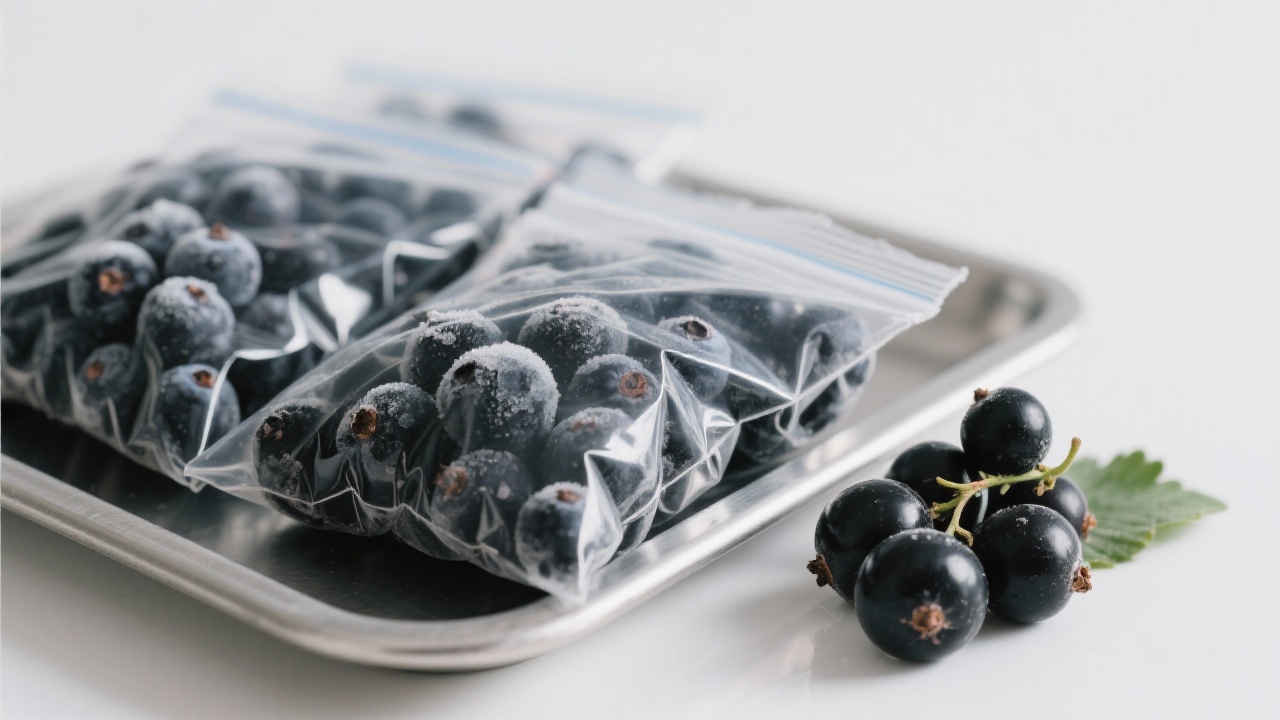
Blackberries are rich in anthocyanins, a type of antioxidant that gives the berries their vibrant color. At low temperatures, the chemical activity of anthocyanins is significantly reduced. Research shows that in the flash-frozen state, the degradation rate of anthocyanins is less than 10% over a six - month period, compared to a degradation rate of up to 30% in slow - frozen blackberries.
Similarly, vitamin C, another important nutrient in blackberries, is also more stable in the flash - frozen state. The low temperature slows down the oxidation process of vitamin C, helping to retain its nutritional value. Aroma molecules, which are responsible for the characteristic flavor of blackberries, are also better preserved due to the reduced molecular movement at low temperatures.
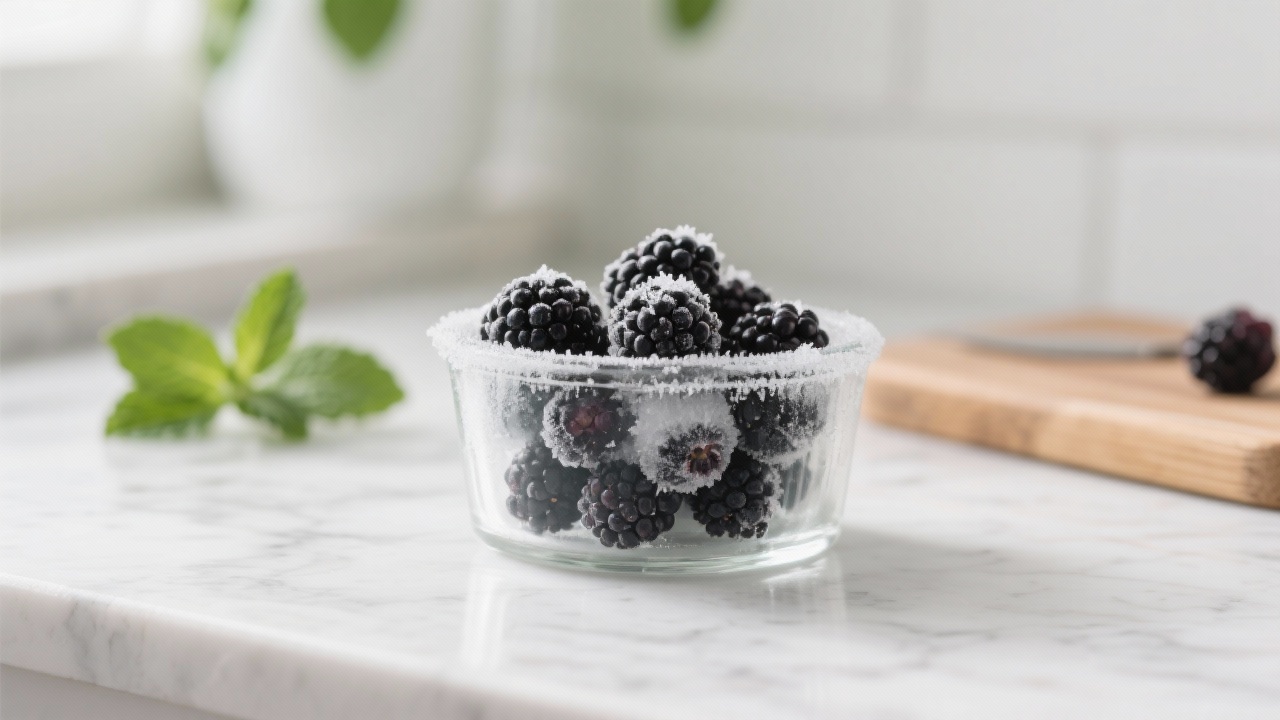
After harvesting, blackberries undergo a manual screening process. This step is crucial for removing damaged, overripe, or underripe berries. By ensuring that only high - quality berries are selected for freezing, the overall quality of the final product is significantly improved. Manual screening can increase the whole - fruit rate by up to 90%, providing food manufacturers, restaurants, and home users with a more consistent and high - quality product.
The quality of flash - frozen blackberries is not only determined by the freezing process but also by the entire supply chain, from harvesting to transportation. Harvesting at the right time ensures that the blackberries are at their peak in terms of flavor and nutritional value. After harvesting, the blackberries should be quickly cooled to prevent spoilage.
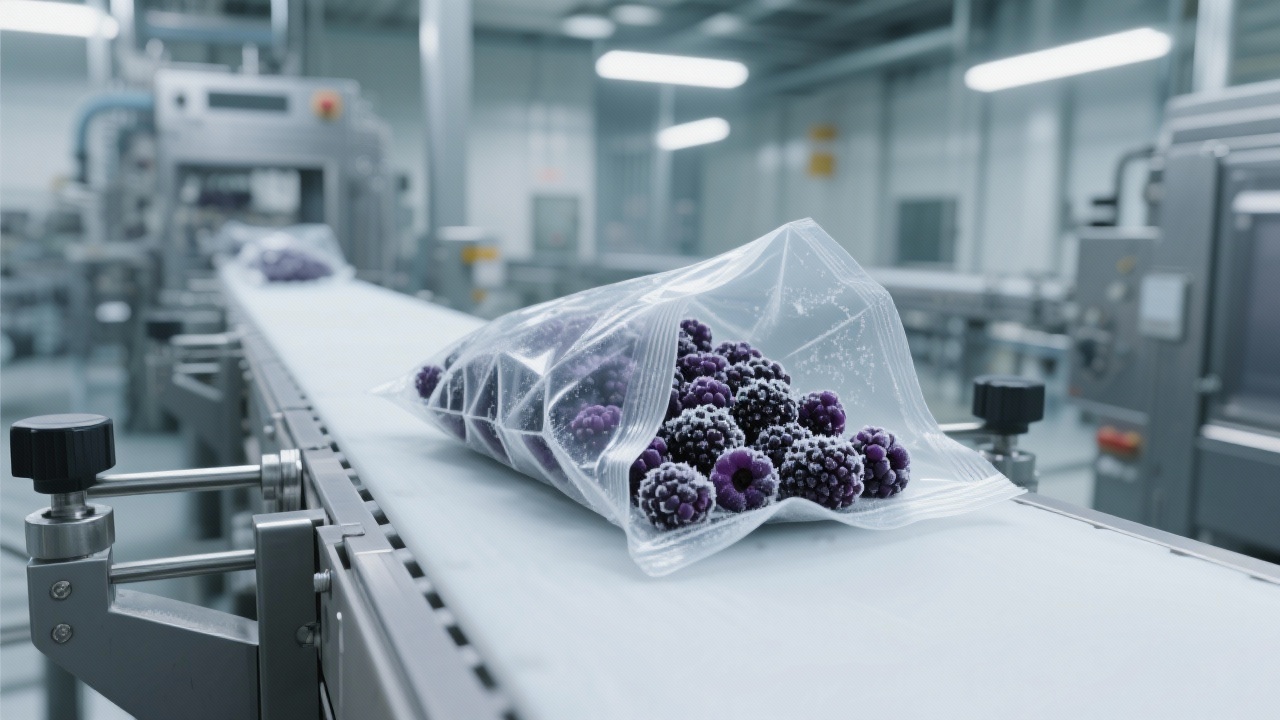
The freezing process must be carried out rapidly and at a low enough temperature. During transportation, a strict cold - chain management system is essential to maintain the low temperature. Any break in the cold chain can lead to quality deterioration, such as ice crystal growth and nutrient loss.
For food manufacturers, flash - frozen blackberries can be used in a variety of products, such as jams, juices, and baked goods. The high - quality and consistent nature of flash - frozen blackberries can improve the taste and quality of the final products. Restaurants can use them to create fresh and delicious desserts, smoothies, or toppings. Home users can enjoy these frozen blackberries as a healthy snack or use them in home - made recipes.
If you're interested in learning more about the production standards of high - quality frozen berries, click here to discover more valuable information.


_(2).jpg?x-oss-process=image/resize,m_fill,h_600,w_600/format,webp)


_(4).jpg?x-oss-process=image/resize,m_fill,h_600,w_600/format,webp)
.jpg?x-oss-process=image/resize,m_fill,h_600,w_600/format,webp)