Blackcurrants stand out in the fruit kingdom as nutritional powerhouses, boasting an impressive 150-200mg of vitamin C per 100g serving—three times the amount found in oranges and significantly higher than most berries. This exceptional nutrient density has made blackcurrants a sought-after ingredient in functional foods, dietary supplements, and beverage formulations. However, this valuable vitamin C is highly vulnerable to degradation during conventional processing methods, posing a significant challenge for manufacturers aiming to deliver products with authentic nutritional benefits.
"Your formulation might be losing up to 60% of natural vitamin C before it even reaches consumers. The difference between conventional freezing and advanced IQF technology could mean the success or failure of your product's nutritional claims."
Traditional freezing methods, typically operating at -18°C with slow cooling rates, trigger a cascade of nutritional losses in blackcurrants. Research conducted by the Institute of Food Technologists indicates that conventional freezing processes can result in vitamin C degradation rates of 35-50% within the first month of storage. This degradation occurs through two primary mechanisms: enzymatic oxidation driven by polyphenol oxidase and peroxidase, and ice crystal formation that ruptures cellular structures, releasing oxidizing compounds.
Commercial processors often face the frustrating reality of starting with nutrient-dense raw materials only to deliver finished products with significantly diminished nutritional profiles. This not only impacts product efficacy but also undermines consumer trust in "natural" and "nutrient-rich" claims.
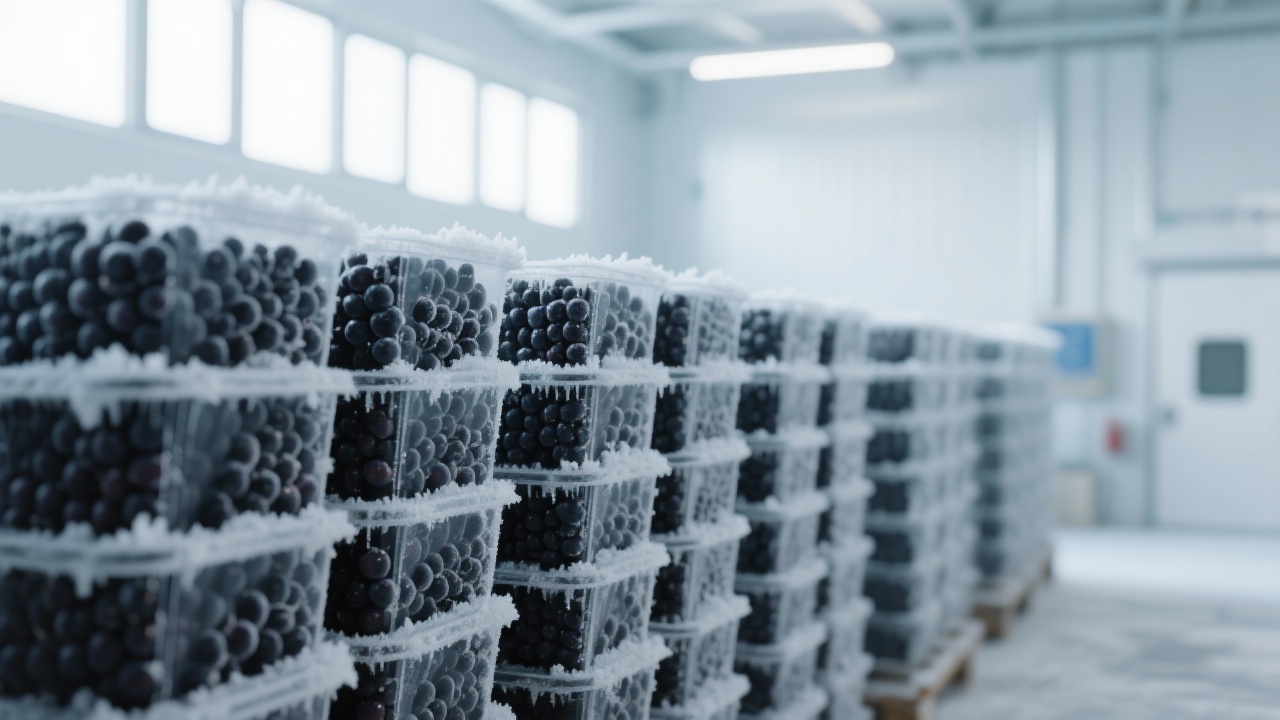
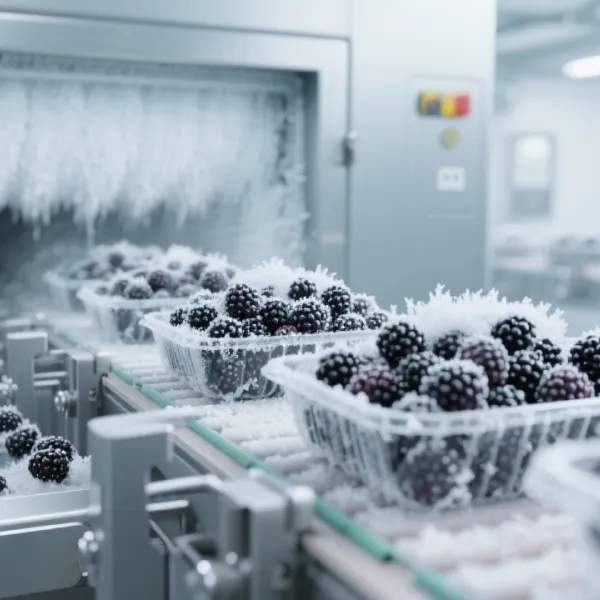
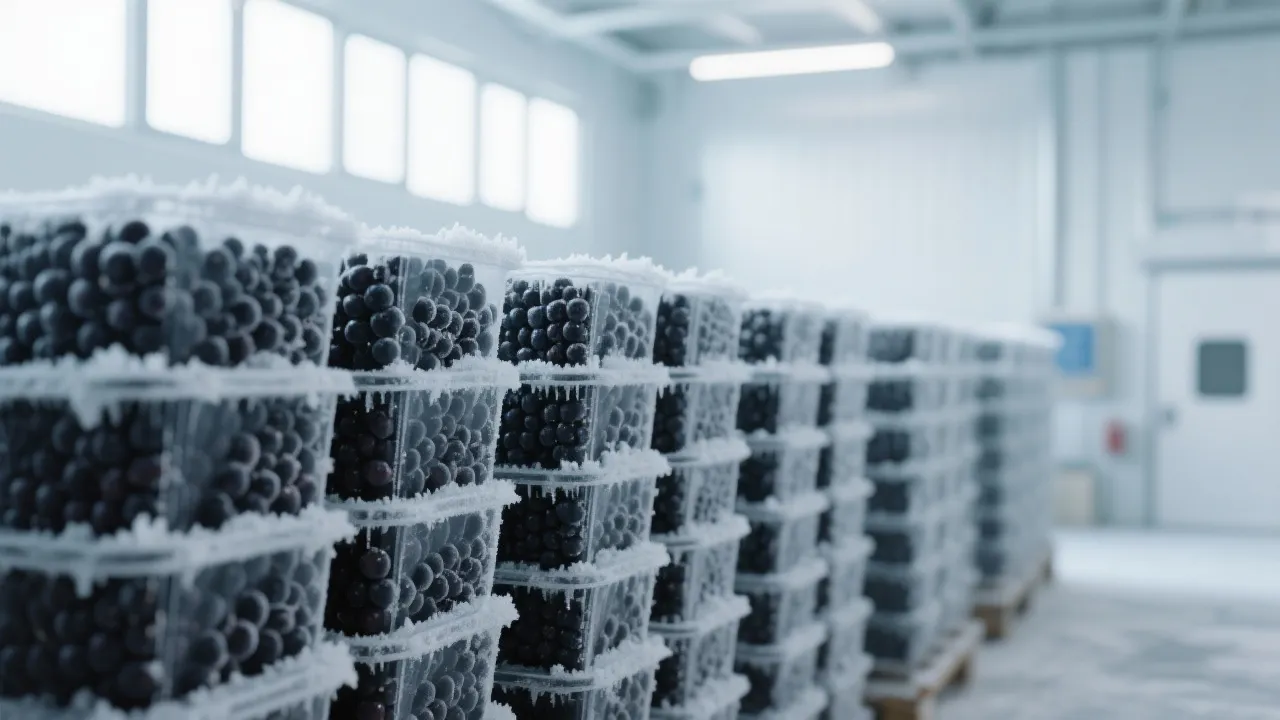
Individual Quick Freezing (IQF) represents a paradigm shift in fruit preservation, employing ultra-low temperatures (-30°C to -40°C) and rapid air circulation to freeze blackcurrants in a matter of minutes rather than hours. This technological advancement addresses the fundamental causes of nutrient degradation through precise scientific mechanisms:
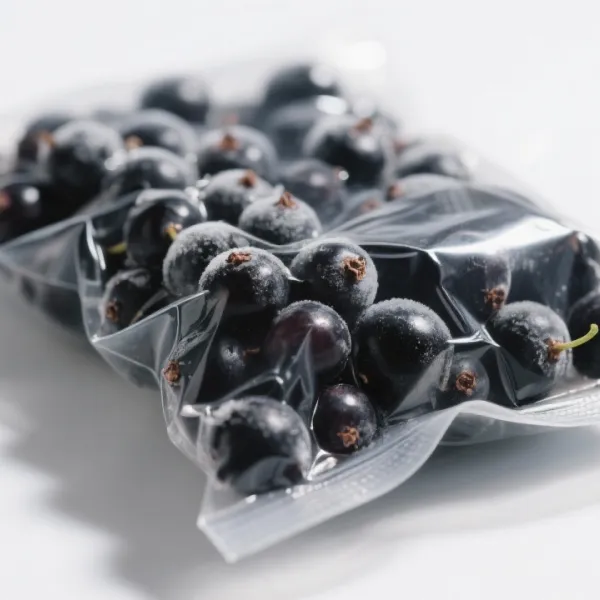
Independent laboratory studies confirm that IQF-processed blackcurrants retain 85-92% of their original vitamin C content after 12 months of frozen storage, compared to just 45-55% retention in conventionally frozen counterparts. This dramatic difference stems from IQF's ability to preserve cellular integrity while minimizing oxidative reactions.
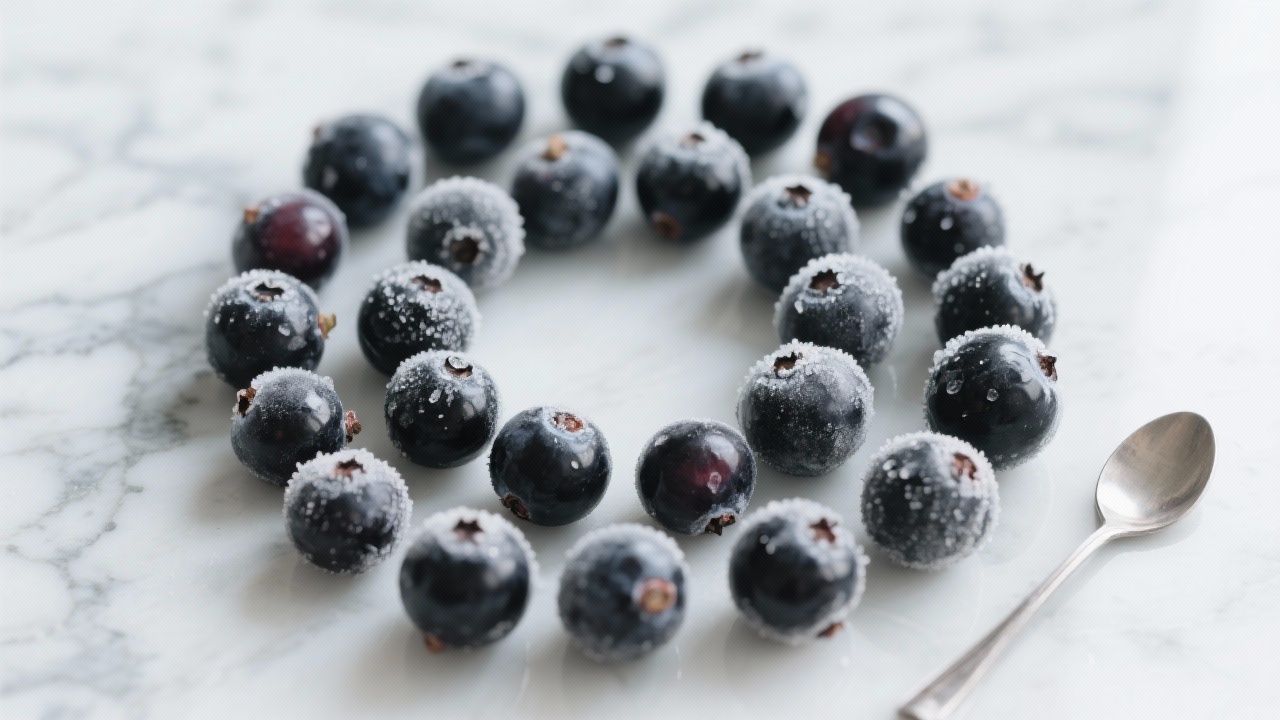
While freezing technology is critical, the foundation of nutrient preservation begins with原料 selection. Blackcurrants processed with 95% whole fruit integrity—such as those carefully selected by 亿商桥—offer distinct advantages over fragmented or damaged fruit:
Intact cell walls act as natural barriers against oxidation, slowing the interaction between oxidizing enzymes and vitamin C. Manual sorting processes that achieve 95% whole fruit rates ensure consistent nutrient levels and sensory properties, eliminating the variability introduced by damaged or partially processed fruit.
Technical Insight: Research published in the Journal of Food Science demonstrates that blackcurrants with intact skins retain 18-22% more vitamin C during processing compared to those with damaged epidermis, even when using advanced freezing techniques.
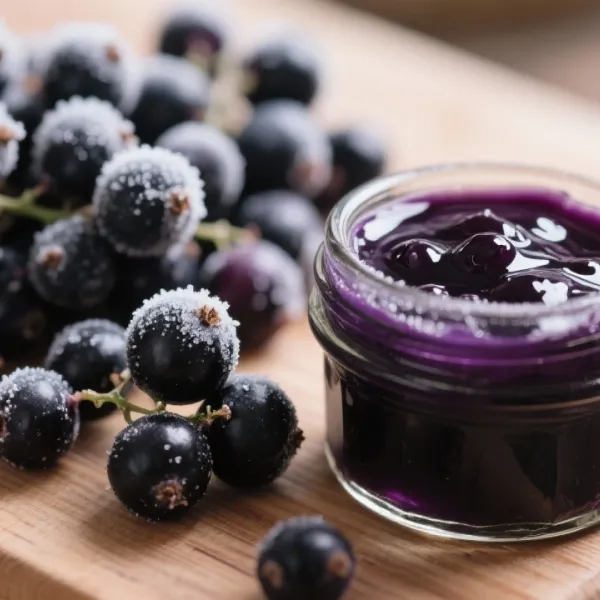
The superior nutrient retention of IQF blackcurrants opens new possibilities across multiple product categories:
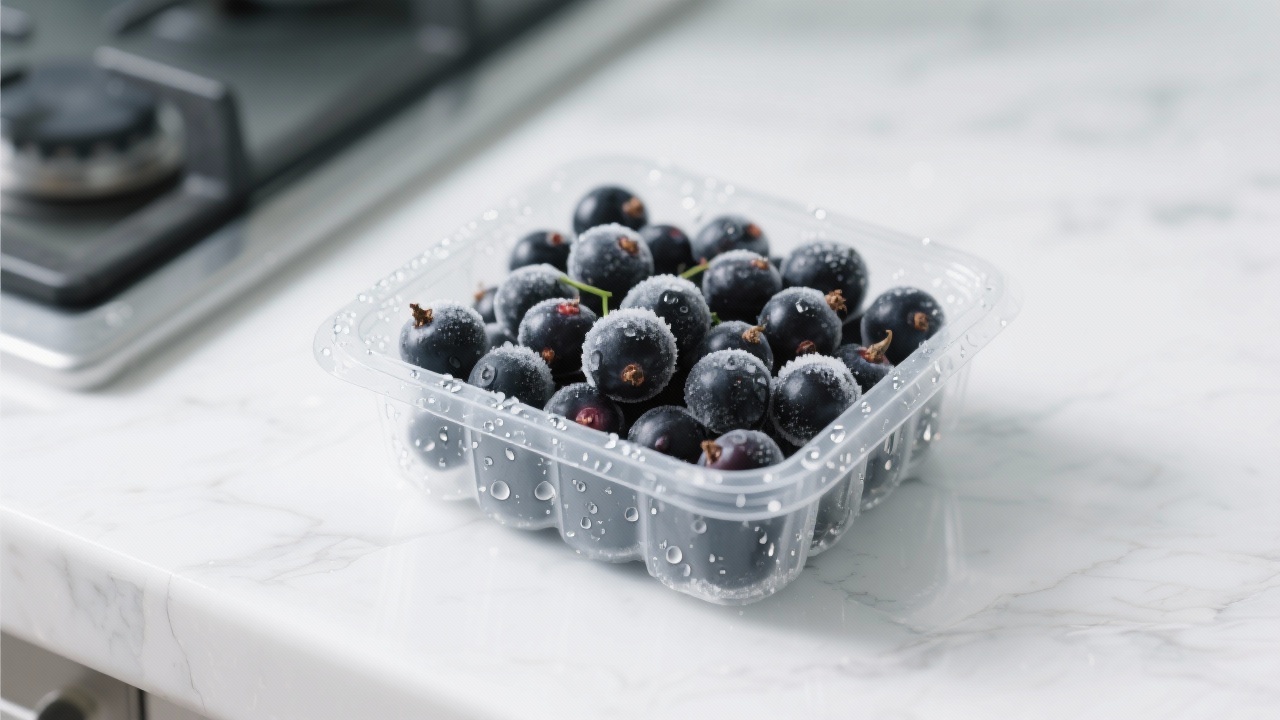
Food formulators increasingly recognize that freezing is no longer merely a preservation technique but a critical step in maintaining product efficacy and consumer trust. The combination of IQF technology and high-quality raw materials represents a strategic advantage in today's competitive functional food market.
Discover how 亿商桥's IQF blackcurrants can transform your formulations with proven vitamin C retention and consistent quality. Request your technical sample pack today.
Access Your Technical Specification SheetAs consumer demand for authentic, nutrient-dense products continues to grow, the science of freezing technology becomes increasingly critical. By understanding and implementing these advanced preservation techniques, manufacturers can bridge the gap between raw material potential and finished product performance, delivering on the promise of truly healthy food options.

_(2).jpg?x-oss-process=image/resize,m_fill,h_600,w_600/format,webp)