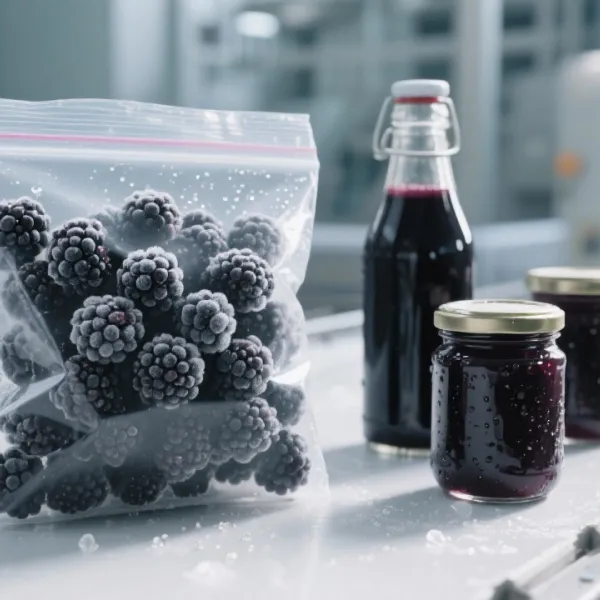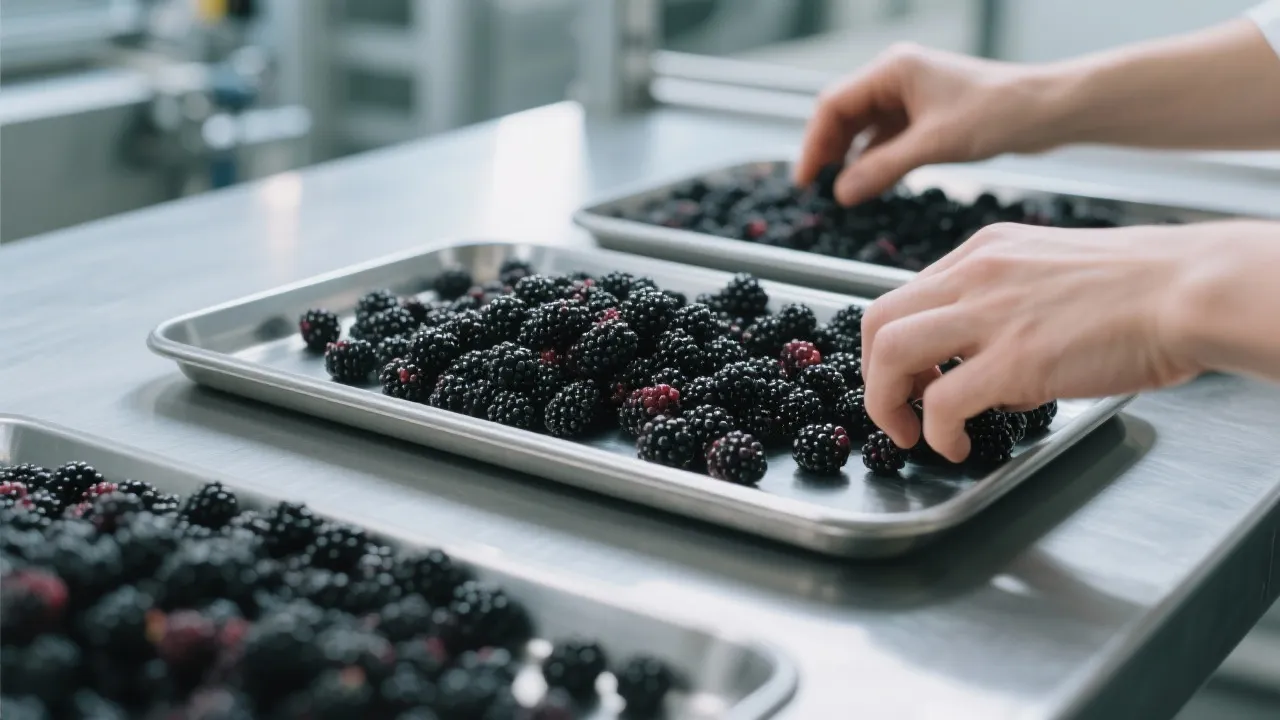
For B2B exporters engaged in frozen berry supply chains, sourcing superior black currant raw materials is critical to maintaining competitive advantage. This article systematically breaks down the four pivotal dimensions for evaluating premium black currants: origin traceability, natural ripeness indicators, intact fruit rate control, and a rigorous three-stage manual sorting process. Leveraging recent market surveys and consumer trend data, the piece deciphers how high-grade berries distinguish themselves in international markets through quality-driven differentiation.
The geographical provenance of black currants profoundly influences their flavor complexity and chemical composition. Regions characterized by cool temperate climates with well-defined seasonal shifts—such as Poland, New Zealand, and parts of Scandinavia—consistently yield berries with intensified aromatic profiles and balanced acidity. These conditions promote the synthesis of phenolic compounds and anthocyanins, key to premium fruit sensory attributes and nutritional value.
Industry Insight: A recent survey by the International Berry Alliance found that exporters prioritizing origin-certified supplies report up to 15% higher client retention rates, underscoring trust linked to traceable premium sourcing.
Assessing fruit maturity extends beyond visual cues. Objective parameters such as the sugar-acid ratio (optimal range: 6–8), and the glossiness of the fruit skin—measured via spectrophotometric methods—are proven indicators of peak ripeness and flavor concentration. For exporters, adopting standardized ripeness evaluations minimizes batch variability and enhances overall supply consistency.
Additionally, maintaining a minimum intact fruit rate of 95% ensures optimal textural integrity, crucial in freezing and subsequent processing phases.
Manual sorting remains the gold standard for quality control, targeting the elimination of defects such as bruising, mold, and unripe or overripe fruits. The proposed three-tier inspection includes:
This protocol notably enhances client confidence by guaranteeing consistent batch quality, facilitating long-term partnerships.
State-of-the-art quick-freezing methods, such as Individual Quick Freezing (IQF) at temperatures below -40°C, drastically reduce ice crystal formation that damages cellular structure. Comparative studies demonstrate that IQF preserves up to 90% of vitamin C content versus just 60% retention using conventional freezing.
Furthermore, colorimetric analyses confirm superior anthocyanin stability in berries frozen by IQF technology, directly correlating with extended shelf-life and enhanced visual appeal upon thawing.
Data Spotlight: IQF-frozen black currants exhibit a 20% higher soluble solids content retention post-thaw, optimizing their application in high-value end-products.
Market research highlights rising demand in North American and European sectors for frozen black currants in baking and healthy beverages. Buyers increasingly seek suppliers that provide transparent quality data and consistent raw material specifications.
Exporters incorporating these robust quality parameters—origin certification, ripeness verification, stringent sorting regimes, and advanced freezing technologies—can position their products as premium-grade ingredients, unlocking higher margins and exclusive contractual opportunities.
Product differentiation anchored on raw material excellence aligns with contemporary buyer preferences emphasizing traceability, health benefits, and processing reliability.
Integration of premium frozen black currants into diverse applications demands specific technical considerations:
Recommended freezing parameters include an IQF exposure at -40°C for minimum 20 minutes with immediate packaging under nitrogen-flushed atmospheres to maximize shelf-life.
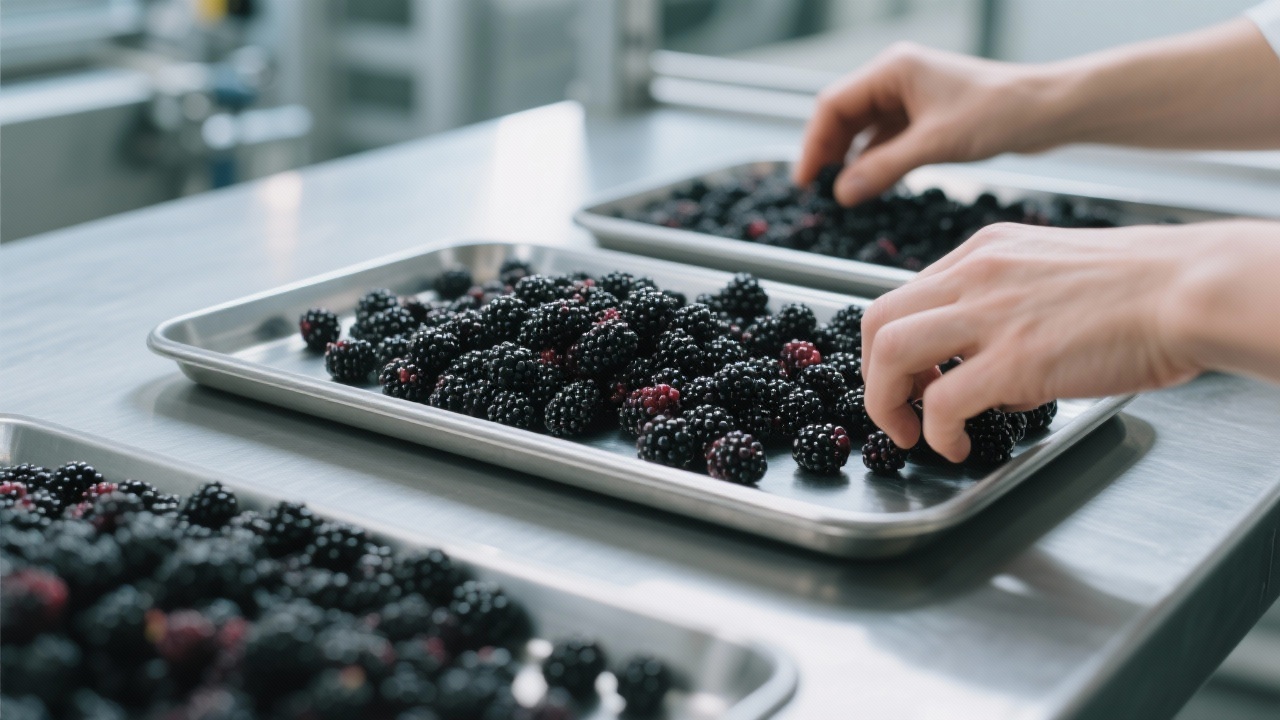
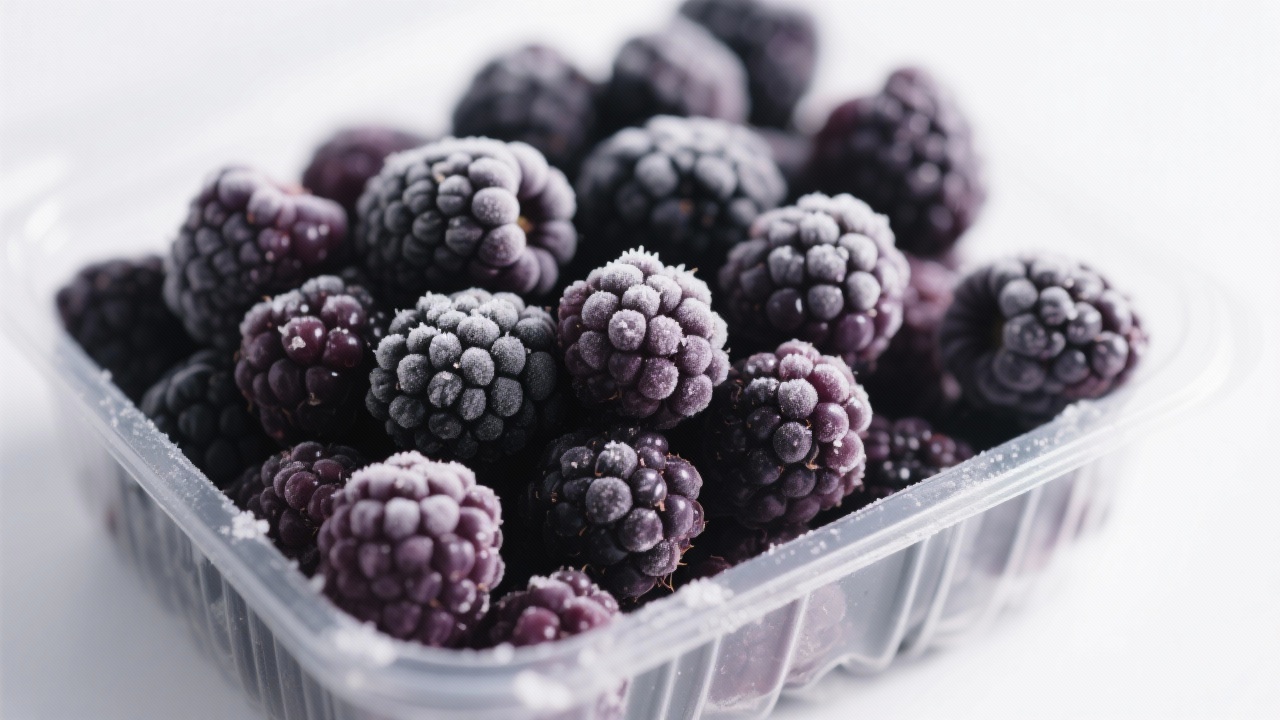
Navigating the complexities of frozen black currant sourcing requires a science-backed, data-driven approach. By systematically incorporating origin traceability, rigorous ripeness assessment, multi-layered fruit sorting, and advanced IQF freezing technology into the supply chain, B2B exporters can not only secure superior raw materials but also command premium pricing and build lasting customer relationships.

_(2).jpg?x-oss-process=image/resize,m_fill,h_600,w_600/format,webp)


.jpg?x-oss-process=image/resize,m_fill,h_600,w_600/format,webp)
_(4).jpg?x-oss-process=image/resize,m_fill,h_600,w_600/format,webp)