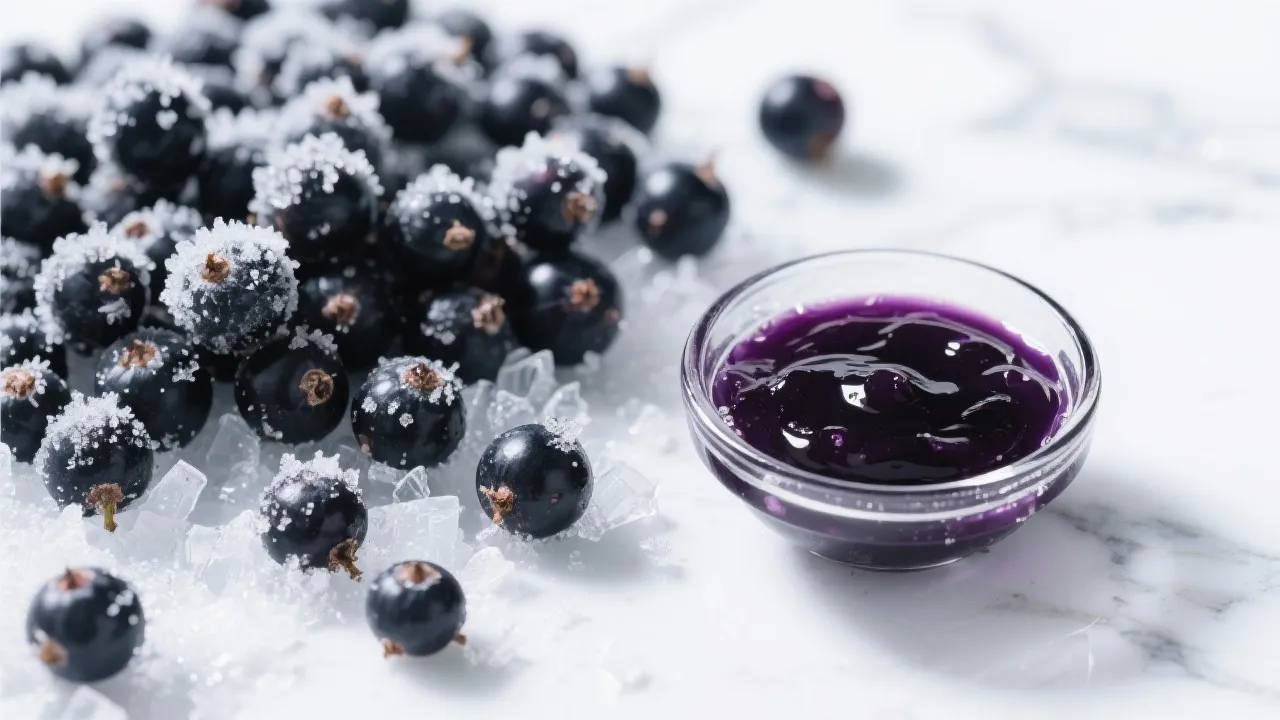
In the competitive global market for frozen berries, the quality of raw materials directly determines product value and market acceptance. For food manufacturers and processors, selecting superior blackcurrant raw materials is not merely a procurement decision but a strategic investment in product quality and brand reputation. This guide explores the critical factors of origin selection, fruit maturity assessment, and advanced processing techniques that distinguish premium frozen blackcurrants from ordinary commodities.
Blackcurrant cultivation thrives in specific climatic conditions, with optimal results found in regions characterized by cool summers, adequate rainfall, and well-drained soil. According to industry research, the world's top blackcurrant-producing regions—including Poland (28% of global production), Russia (22%), and New Zealand (15%)—consistently deliver berries with higher anthocyanin content (150-200 mg/100g) compared to berries grown in suboptimal climates (often below 100 mg/100g).
"The terroir effect in blackcurrant cultivation is undeniable. Our research across 12 growing regions shows that altitude, soil pH, and temperature variance during ripening can impact vitamin C content by up to 35%." — International Berry Research Institute, 2023
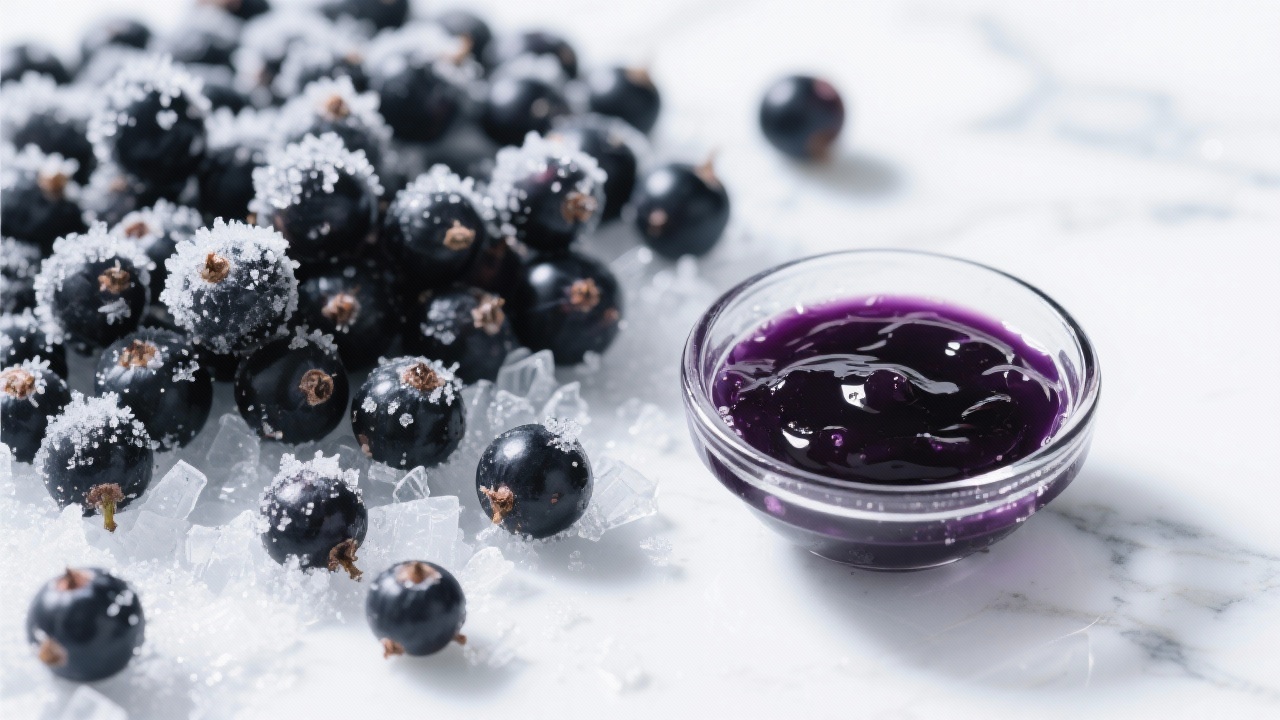
Determining the precise moment of harvest is critical for maximizing both flavor and nutritional content. Blackcurrants reach peak maturity approximately 70-80 days after flowering, when soluble solids content (SSC) reaches 14-16°Brix and titratable acidity drops to 2.5-3.0%. Harvesting either too early or too late results in significant quality degradation:
Premium frozen blackcurrant suppliers implement a rigorous three-tier sorting process that combines automated precision with human expertise to ensure exceptional quality:
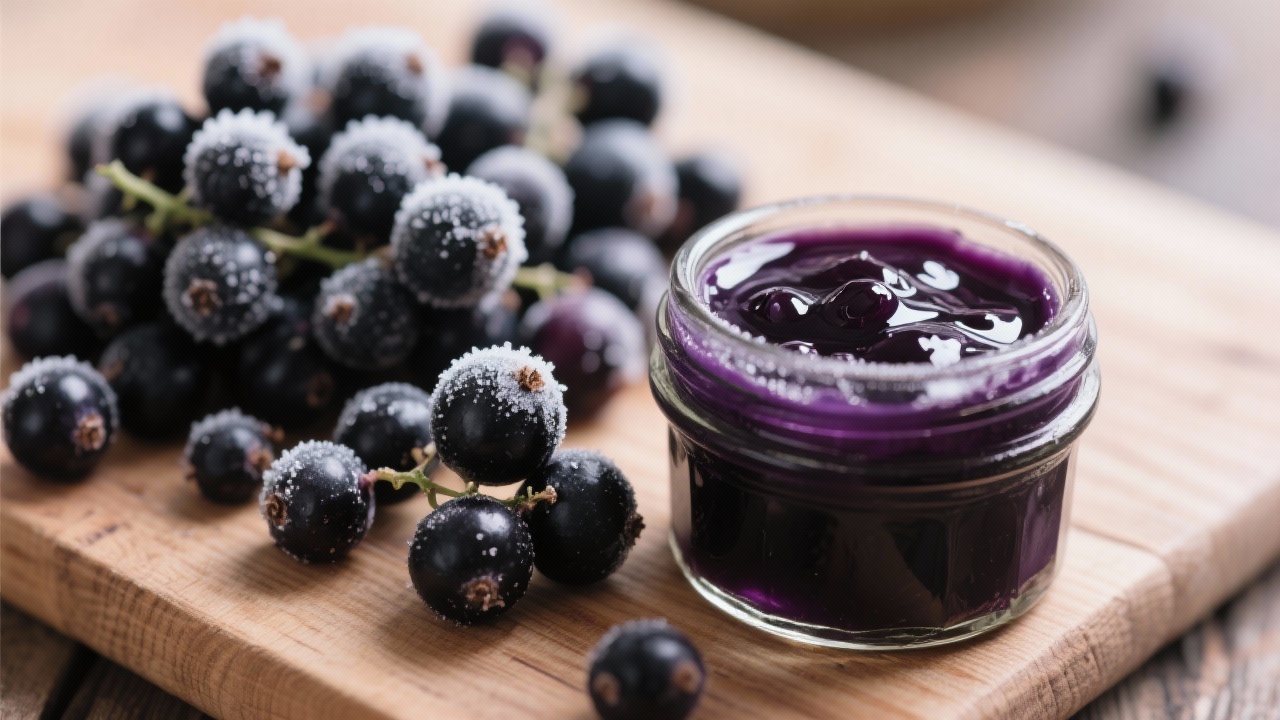
The transition from harvest to freezing represents a critical window for preserving blackcurrant quality. Advanced IQF (Individual Quick Freezing) technology, operating at temperatures of -35°C to -40°C, flash-freezes berries within 15-20 minutes of harvest. This process creates small ice crystals that minimize cellular damage, resulting in:
90-95% retention of vitamin C and anthocyanins compared to fresh berries
Maintains cellular structure, reducing juice loss during thawing by up to 40%
24-month shelf life at -18°C without significant quality degradation
Premium frozen blackcurrants offer distinct advantages across various applications, supported by market data showing growing demand:
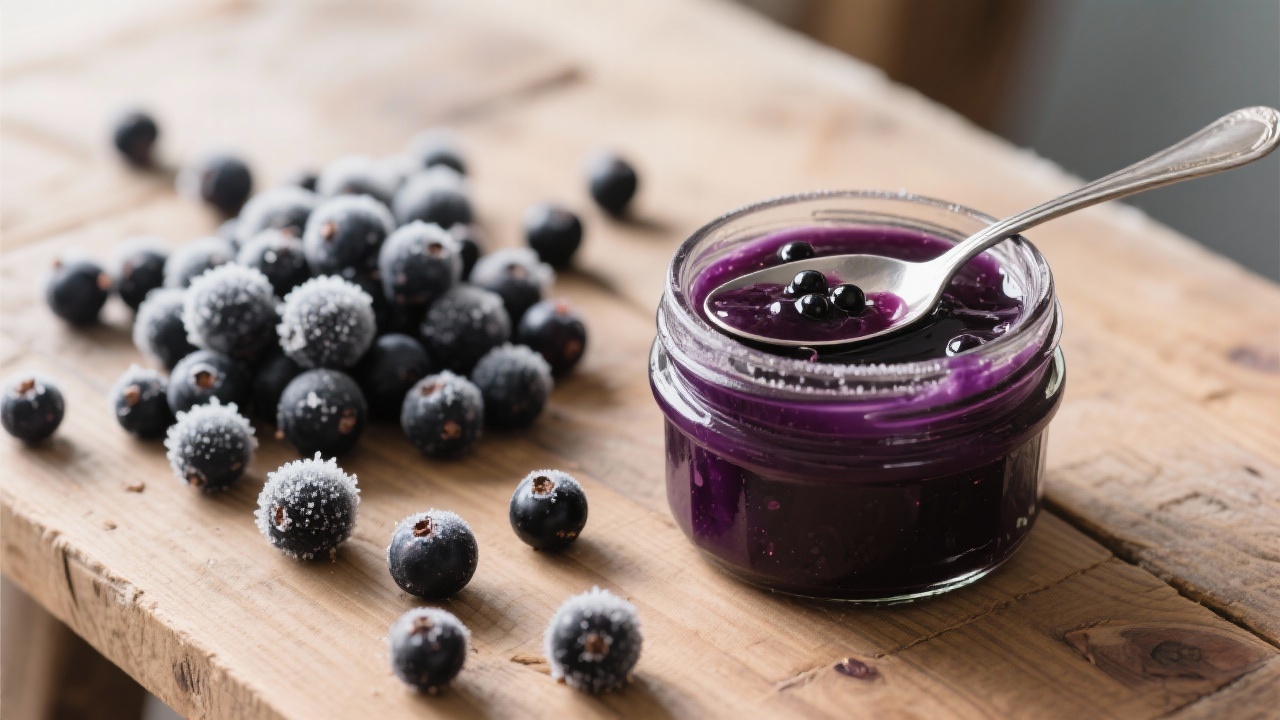
In today's saturated market, product differentiation is key to achieving premium pricing and customer loyalty. Processors utilizing superior blackcurrant raw materials report:
12-18%
Higher wholesale pricing potential
23%
Lower customer churn rate
35%
Faster inventory turnover
Partner with industry-leading suppliers who implement these exacting standards. Request your sample batch today and experience the difference superior raw materials can make in your final products.
Connect with Our Blackcurrant Sourcing SpecialistsAs consumer demand for high-quality, natural ingredients continues to rise, the ability to consistently source premium blackcurrant raw materials has become a strategic imperative for food manufacturers worldwide. By implementing rigorous origin selection, maturity assessment, and processing standards, companies can not only enhance product quality but also build lasting brand value in competitive global markets.
Successful berry processors understand that quality begins in the field and is preserved through every step of the supply chain. Those who invest in premium raw materials position themselves to capture higher margins, build stronger customer relationships, and adapt to evolving market demands with greater agility.


_(2).jpg?x-oss-process=image/resize,m_fill,h_600,w_600/format,webp)