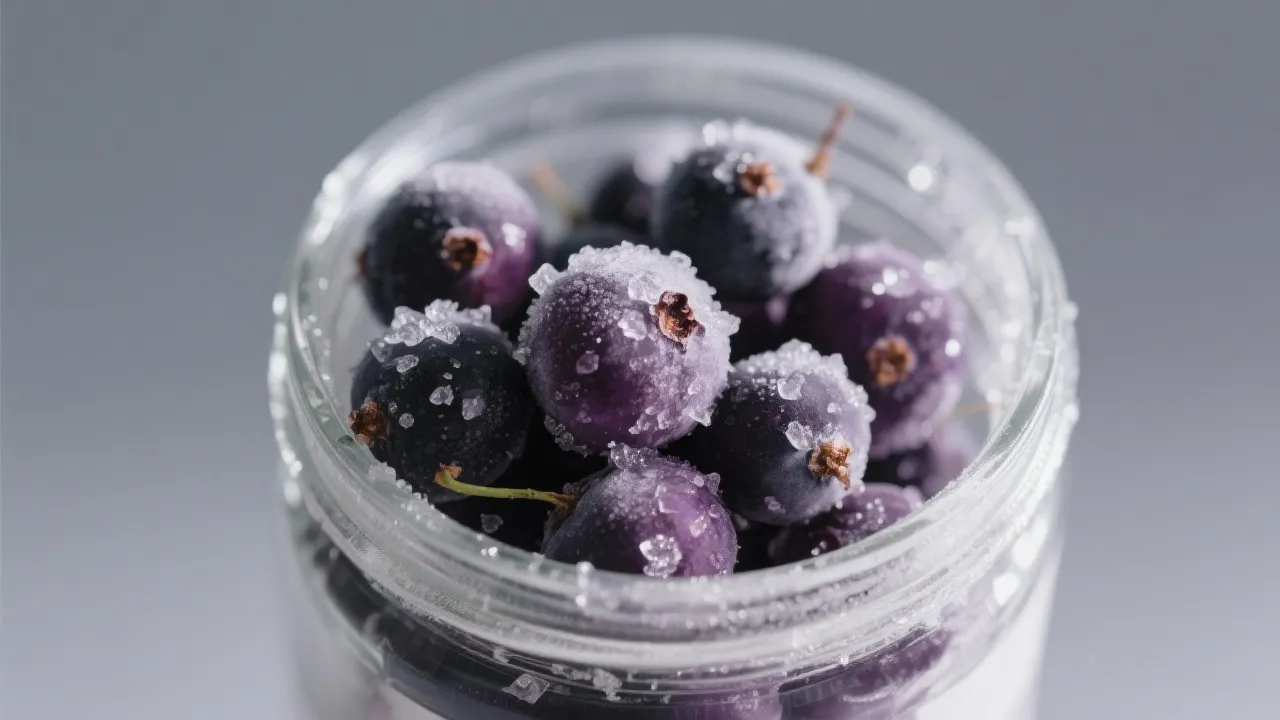
“Anti-aging” is often marketed as a promise—but in nutritional science, it’s more precisely about reducing oxidative stress, protecting DNA, and supporting resilient cellular signaling. Organic blackberries stand out because they concentrate anthocyanins and other polyphenols that can help the body defend itself against the chronic, low-grade damage linked to visible aging (skin), functional aging (immune), and metabolic aging (glucose and lipid balance).
Blackberries are not just “high in antioxidants” as a vague label. They contain a defined spectrum of bioactives—most notably anthocyanins (the pigments responsible for deep purple-black color) plus ellagitannins, ellagic acid, flavonols (like quercetin derivatives), and phenolic acids.
In practical terms, many laboratory analyses place blackberries among the higher-antioxidant berries. Depending on cultivar and testing method, blackberry antioxidant capacity is often reported around 3,000–7,000 µmol TE/100 g (fresh weight), with anthocyanins commonly ~80–250 mg/100 g. Those ranges shift with variety, ripeness, and processing—but the biochemical “signature” remains consistent.
Cellular aging is not a single event. It is a slow accumulation of stressors—especially reactive oxygen species (ROS) generated by normal metabolism, UV exposure, pollution, and chronic inflammation. When ROS production outpaces the body’s protective systems, the result is oxidative stress, which can:
| Aging trigger | What happens | Where blackberry bioactives may help |
|---|---|---|
| Excess ROS | Oxidative stress rises | Direct radical scavenging + support endogenous antioxidant enzymes |
| Inflammatory signaling | NF-κB, cytokines amplify damage | Polyphenols modulate inflammatory pathways; reduce oxidative/inflammatory loop |
| DNA & mitochondria stress | Repair burden increases; energy efficiency drops | Cell-protective signaling (e.g., Nrf2-related responses) and better redox balance |
| Glycation & metabolic stress | AGEs accumulate; insulin signaling challenged | Polyphenols may support glucose/lipid metabolism and reduce oxidative byproducts |
Note: Human outcomes depend on dose, diet pattern, and individual metabolism. The table reflects well-described biochemical pathways supported by recent nutrition research.
A common misconception is that polyphenols work only as “sponges” that neutralize free radicals. In reality, their most meaningful value is often cellular signaling. Recent reviews in journals such as Antioxidants and Nutrients (2019–2024) repeatedly emphasize a modern view: polyphenols may activate the body’s internal defense networks—especially pathways related to Nrf2 (antioxidant response) and modulation of inflammatory cascades such as NF-κB.
These ranges are provided as practical reference points from common study designs; specific outcomes depend on product matrix, compliance, and individual gut microbiota.
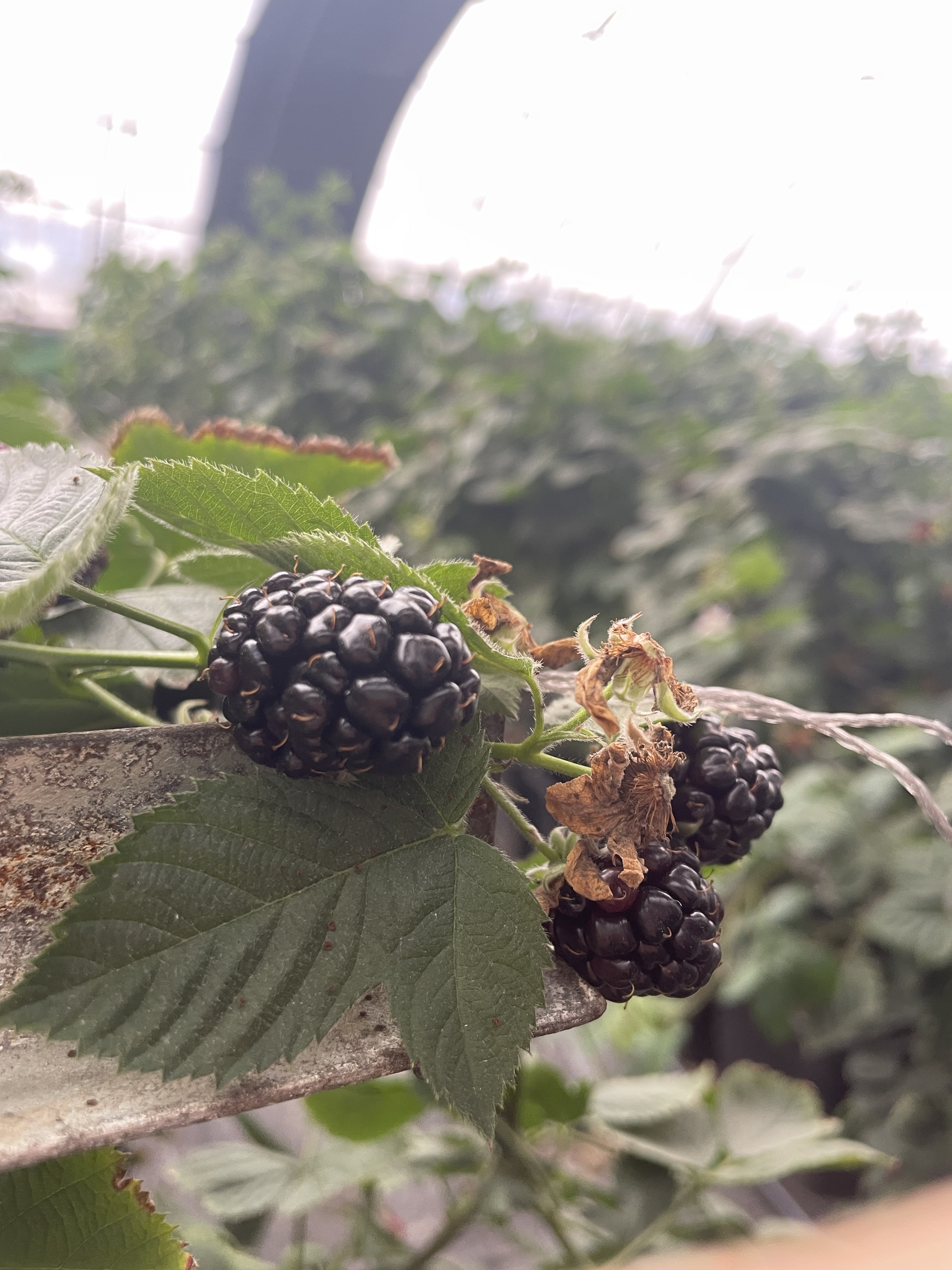
Skin aging is accelerated by UV-driven ROS, pollution exposure, and inflammatory mediators that degrade collagen and elastin. Anthocyanins and related polyphenols can help by reducing oxidative burden and supporting the body’s own protective responses. In dietary patterns rich in berries, studies frequently report improvements in oxidative stress biomarkers and sometimes in measures linked to vascular function—important because microcirculation is part of what makes skin look energized rather than dull.
“Healthy immunity” is not about being constantly activated; it’s about being appropriately responsive. Chronic inflammation accelerates aging by continuously generating ROS and damaging tissues. Polyphenols from berries are widely studied for their role in modulating inflammatory signaling. Many recent reviews (2019–2024) describe consistent mechanisms: polyphenols may reduce pro-inflammatory mediators while supporting antioxidant enzymes, which together can lower the background “noise” that drains energy and recovery.
Metabolic aging often shows up as unstable energy, cravings, and harder weight management. Blackberry polyphenols interact with carbohydrate metabolism and, importantly, are transformed by gut microbes into metabolites that may have systemic effects. Human studies on berry intake frequently examine cardiometabolic markers (oxidation, lipids, endothelial function), and while results vary, the direction of benefit is most consistent when berry consumption is paired with an overall fiber-forward, minimally processed diet.
Buyers often ask whether organic fruit is “more nutritious.” The honest scientific answer is: sometimes slightly, sometimes similar—because nutrition varies by cultivar, harvest time, soil, and storage. But organic has a clear and practical advantage for anti-aging nutrition: lower risk of pesticide residues and a cleaner “daily-use” profile, especially for consumers who eat berries frequently.
| Decision factor | Conventional blackberry | Organic blackberry |
|---|---|---|
| Polyphenol content | Varies by variety and ripeness | Varies similarly; may be comparable or slightly higher depending on farming stressors |
| Pesticide residue risk | Potential residues depending on practices and region | Typically reduced risk under organic standards and auditing |
| Long-term “daily intake” confidence | Some consumers limit frequency due to residue concern | Often easier to keep consistent—consistency matters for functional nutrition |
For functional foods, repeatability is everything: small daily choices compound into meaningful outcomes.
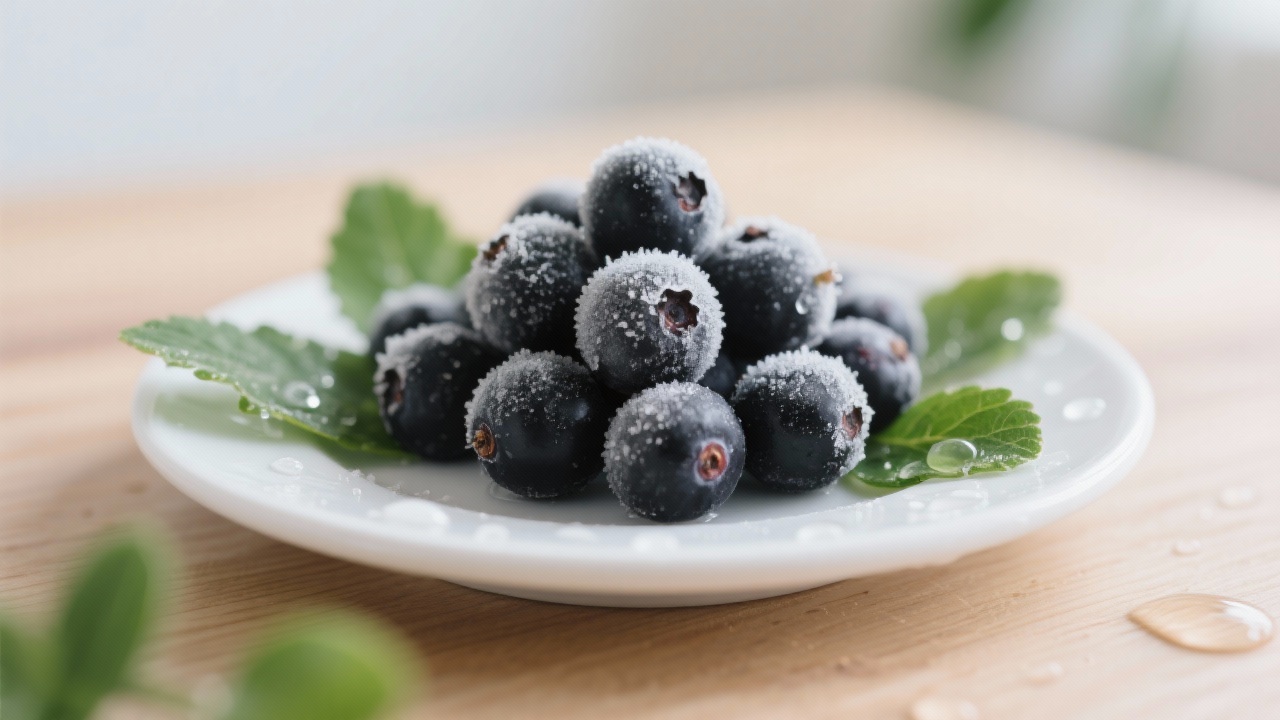
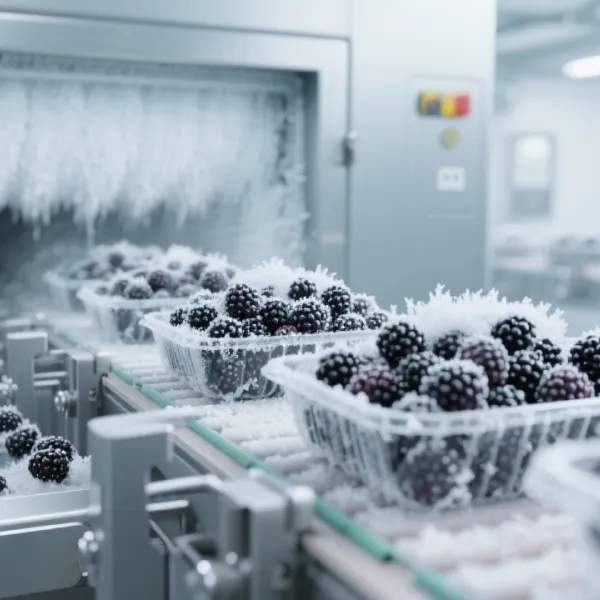
Fresh berries are excellent—but they’re seasonal, delicate, and variable. Freeze-drying is widely used in functional nutrition because it removes water at low temperatures, helping preserve aroma and many heat-sensitive compounds. That’s why our Organic Freeze-Dried Blackberry Powder is developed around the exact mechanism discussed here: delivering anthocyanins and polyphenols in a form that’s easier to use consistently—smoothies, yogurt, oatmeal, or clean-label formulations.
In nutrition studies, measurable shifts in oxidative stress or vascular markers are often tracked over 4–12 weeks. Visible skin changes depend on baseline diet, sun exposure, hydration, and overall routine. The most reliable improvements come from consistent intake plus UV protection.
Anthocyanins have relatively low direct blood levels, but that does not mean “no effect.” Many benefits are linked to metabolites produced during digestion and by gut microbiota, as well as to signaling effects that don’t require high circulating concentrations.
Functionality is about both bioactives and confidence in daily use. Organic standards are most valuable for reducing residue concerns, helping people stay consistent—because consistency is what turns antioxidant theory into real-life benefit.
Anyone with specific medical conditions, pregnancy, or medication use should consult a qualified clinician, especially if using concentrated powders daily. Whole-food berries are generally well tolerated; start small if sensitive to fiber or polyphenol-rich foods.
If the goal is to support skin resilience, calmer inflammation, and healthier metabolic aging, organic blackberry polyphenols are one of the most elegant food-based strategies—because they work with the body’s own defenses, not against them.
Explore our Organic Freeze-Dried Blackberry Powder for daily antioxidant supportClean-label, easy to use, and designed for routines that actually stick.


_(2).jpg?x-oss-process=image/resize,m_fill,h_600,w_600/format,webp)


.jpg?x-oss-process=image/resize,m_fill,h_600,w_600/format,webp)
.jpg?x-oss-process=image/resize,m_fill,h_600,w_600/format,webp)





_(4).jpg?x-oss-process=image/resize,m_fill,h_600,w_600/format,webp)