In a world obsessed with anti-aging solutions, nature often holds the most powerful secrets. Among these, organic blackberries stand out as a nutritional powerhouse, quietly delivering a potent combination of antioxidants that combat the visible signs of aging from within. Let's explore the science behind these dark, juicy berries and why they deserve a place in your daily routine.
What makes organic blackberries such a formidable anti-aging ally? Their secret lies in two primary classes of phytochemicals: anthocyanins and polyphenols—compounds that give these berries their deep purple hue and remarkable health benefits.
Anthocyanins belong to the flavonoid family and are responsible for the vibrant colors in many fruits and vegetables. Organic blackberries contain an impressive 30-50 mg of anthocyanins per 100g serving—significantly higher than most other berries, including strawberries and raspberries.
These powerful compounds work by neutralizing harmful free radicals—unstable molecules that damage cells and contribute to aging. Studies show that the specific anthocyanins in blackberries, including cyanidin-3-glucoside and delphinidin, have 2-3 times greater antioxidant capacity than vitamin C alone.
Complementing anthocyanins are the polyphenols, a broad category of plant compounds with equally impressive health benefits. Organic blackberries contain a diverse range of polyphenols, including ellagic acid, quercetin, and gallic acid, each with unique protective properties.
Every day, our bodies generate free radicals through normal metabolic processes and exposure to environmental stressors like pollution and UV radiation. These molecules attack healthy cells, leading to oxidative stress—a primary driver of aging.
Blackberries' antioxidants act as scavengers, neutralizing these free radicals before they can cause damage. Research published in Food Chemistry (2021) demonstrated that blackberry extracts can reduce oxidative stress markers by up to 40% in laboratory studies, protecting cellular structures from damage.
"The polyphenolic compounds in blackberries exhibit significant free radical scavenging activity and metal chelation properties, making them effective natural antioxidants against oxidative stress-related diseases and aging."
Our cells' mitochondria—the "powerhouses" responsible for energy production—are particularly vulnerable to oxidative damage. As we age, mitochondrial function declines, leading to fatigue and accelerated aging.
Studies suggest that the polyphenols in blackberries can help protect mitochondrial function. A 2019 study in Antioxidants found that blackberry extracts helped preserve mitochondrial membrane integrity and enhance ATP production—the cell's energy currency—by up to 28% in aging cells.
Chronic inflammation is another key contributor to aging, linked to conditions like arthritis, heart disease, and even wrinkles. The anti-inflammatory properties of blackberries' bioactive compounds help combat this "inflammaging."
Ellagic acid, a prominent polyphenol in blackberries, has been shown to inhibit pro-inflammatory enzymes and cytokines. Research indicates regular consumption may reduce C-reactive protein levels—a key inflammation marker—by as much as 35% over eight weeks.
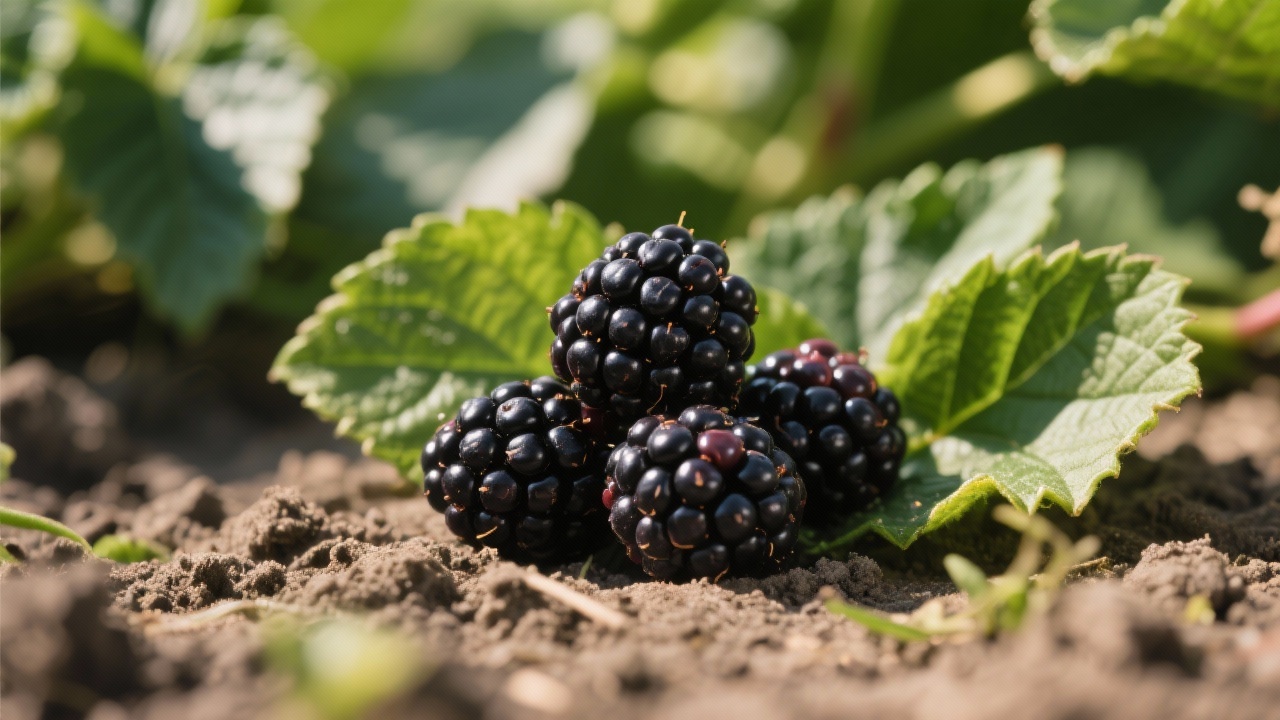
Not all blackberries are created equal. Conventional farming practices often use synthetic pesticides, herbicides, and fertilizers that can leave chemical residues and potentially reduce the fruit's nutritional quality.
Organic blackberries, grown without these synthetic inputs, offer several advantages:
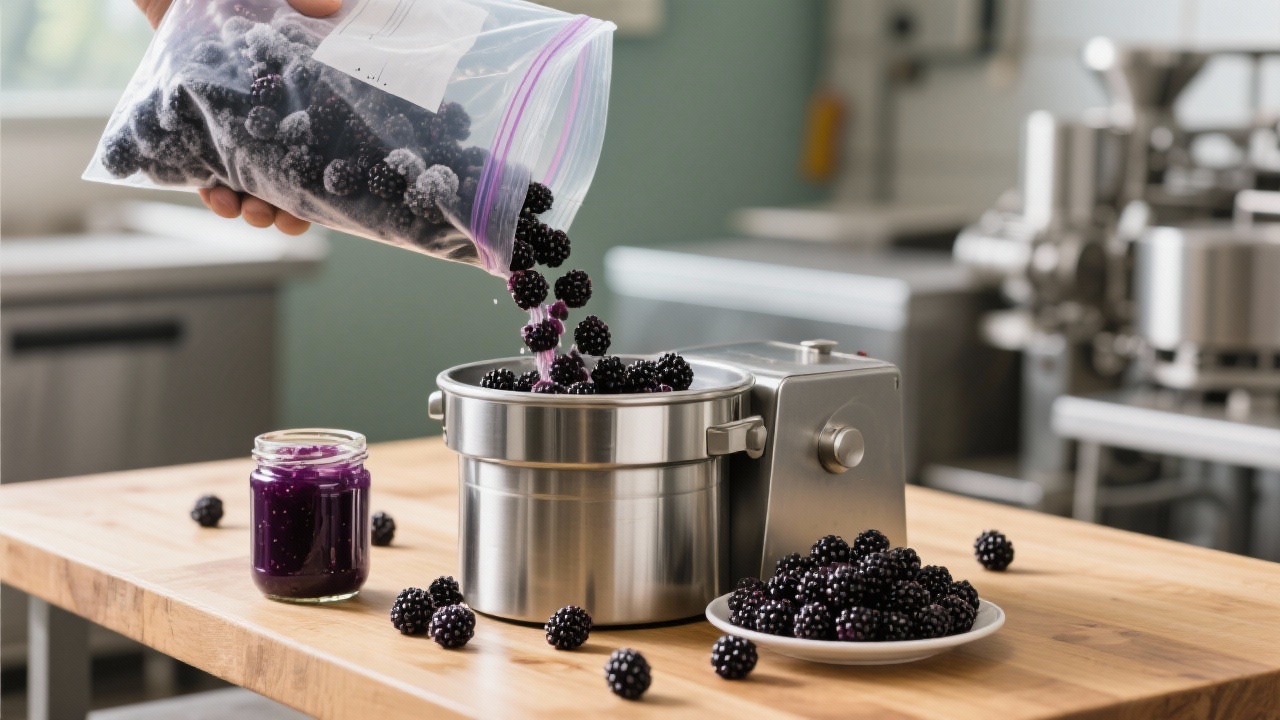
The beauty of organic blackberries lies not just in their scientific benefits, but in their versatility. Here are practical ways to enjoy their anti-aging benefits:
Blackberries' high vitamin C content (23mg per 100g) supports collagen production, while anthocyanins help protect skin from UV damage. Add them to morning smoothies or enjoy as an afternoon snack for radiant, youthful skin.
The neuroprotective effects of blackberries' antioxidants may support cognitive function. Studies suggest regular consumption could help maintain memory and brain health as we age. Try them in oatmeal or yogurt for a nutritious breakfast.
Q: How many blackberries should I eat daily to see benefits?
A: Research suggests consuming 100-150g (about 1 cup) of organic blackberries daily can provide significant antioxidant benefits. This amount delivers approximately 35-50mg of anthocyanins and 150-200mg of total polyphenols.
Q: Are frozen organic blackberries as nutritious as fresh?
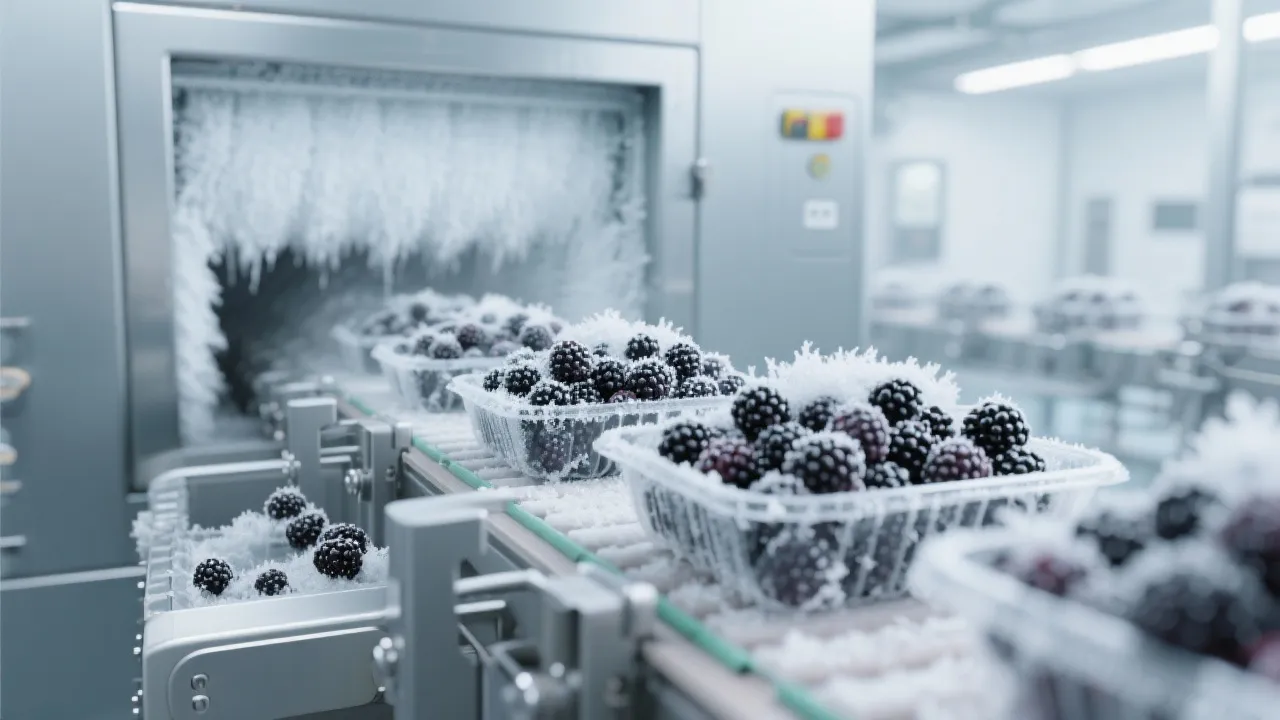
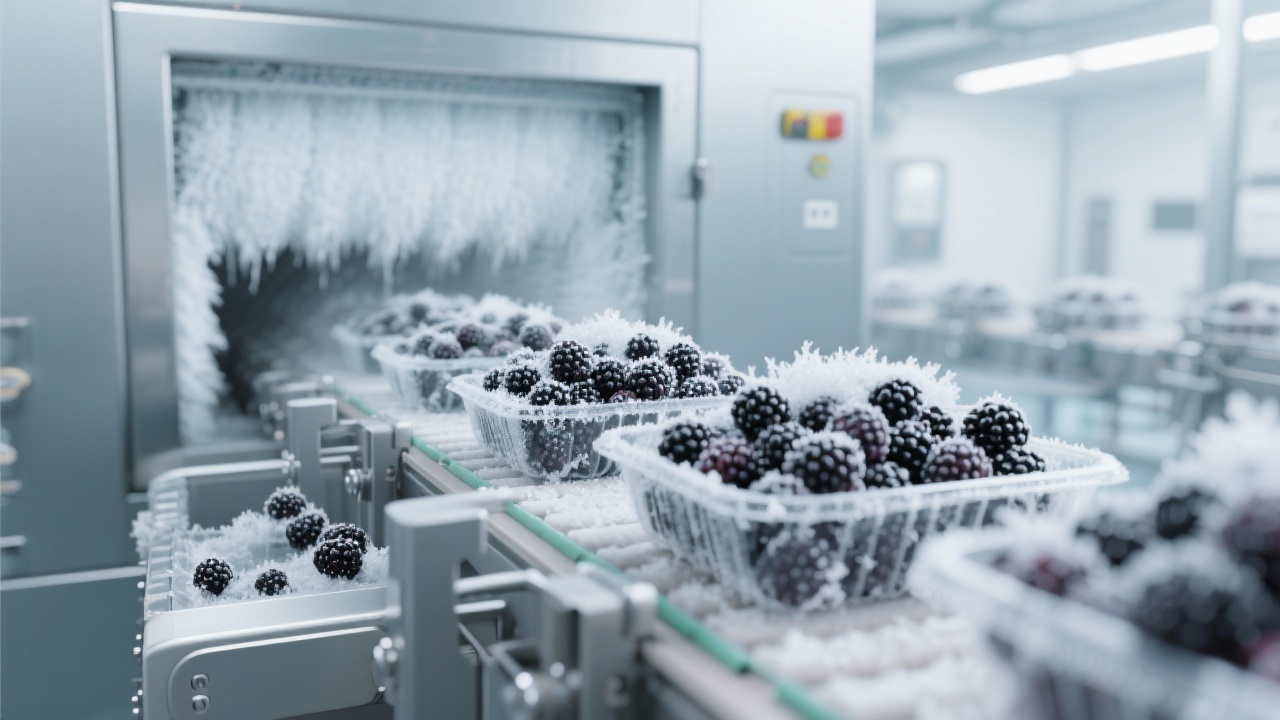
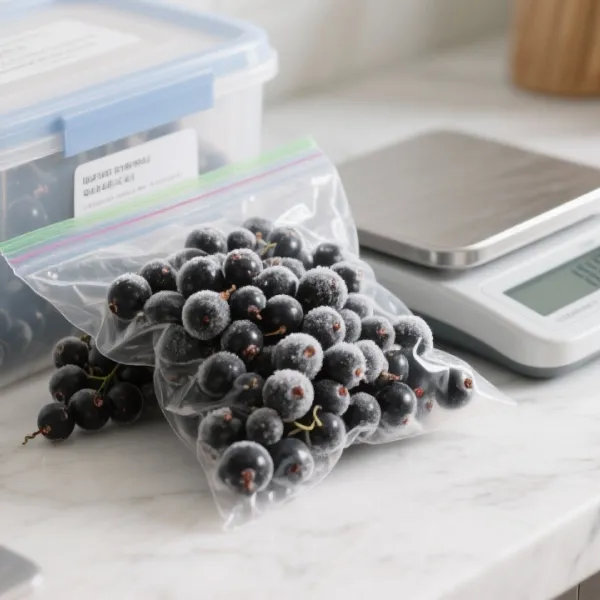
A: Yes! Frozen organic blackberries retain most of their nutritional value, as they're typically frozen shortly after harvest, preserving their antioxidant content. They're a convenient option when fresh berries are out of season.
Q: Can blackberries replace anti-aging supplements?
A: While blackberries are a powerful natural source of antioxidants, they work best as part of a balanced diet rich in various fruits, vegetables, and whole foods. They can complement but not necessarily replace targeted supplements when medically indicated.
Experience the science-backed benefits of nature's anti-aging superfood. Our carefully cultivated organic blackberries deliver maximum nutritional value in every bite.
Discover Our Organic Blackberry CollectionAs research continues to uncover the remarkable benefits of plant-based antioxidants, organic blackberries remain a standout choice for those seeking natural ways to support healthy aging. By incorporating these nutrient-dense berries into your daily routine, you're not just enjoying a delicious fruit—you're making a proactive choice for your long-term health and vitality.


_(2).jpg?x-oss-process=image/resize,m_fill,h_600,w_600/format,webp)


.jpg?x-oss-process=image/resize,m_fill,h_600,w_600/format,webp)


.jpg?x-oss-process=image/resize,m_fill,h_600,w_600/format,webp)