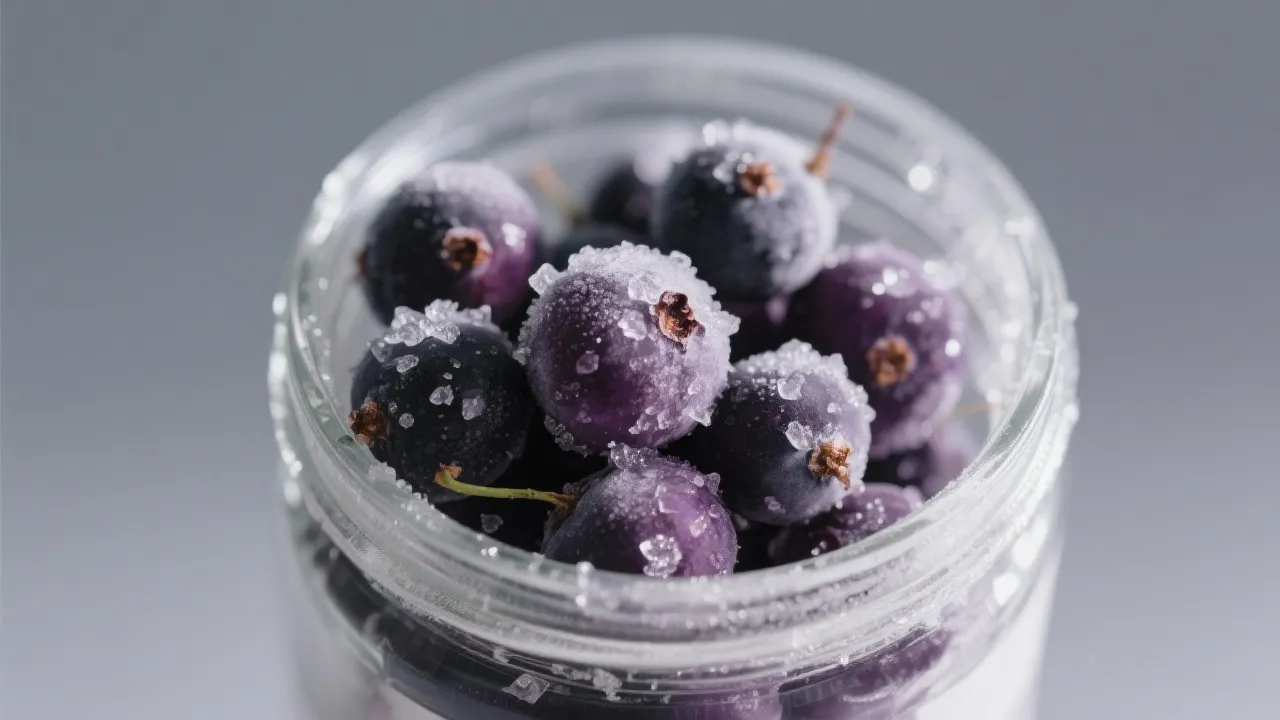
In an era where consumers increasingly seek natural solutions for healthy aging, organic blackberries have emerged as a powerful player in the global functional food market. This deep purple fruit, once enjoyed primarily as a summer treat, is now gaining recognition for its exceptional concentration of anthocyanins and polyphenols—compounds that scientists are revealing to be key allies in the fight against cellular aging.
What makes organic blackberries stand out in the crowded superfood market? Their unique phytochemical profile sets them apart. A 100-gram serving of fresh organic blackberries contains approximately 5.1 grams of dietary fiber, 21.6 mg of vitamin C, and an impressive 200-300 mg of polyphenolic compounds, with anthocyanins accounting for 100-150 mg of this total.
Anthocyanins, the pigments responsible for the blackberry's deep purple hue, are more than just colorants. These flavonoid compounds have demonstrated remarkable antioxidant capacity, with an ORAC (Oxygen Radical Absorbance Capacity) value exceeding 5,000 μmol TE/100g—significantly higher than many other fruits commonly associated with antioxidant properties.
Research Insight: A 2022 study published in the Journal of Agricultural and Food Chemistry demonstrated that blackberry anthocyanins can neutralize reactive oxygen species (ROS) at a cellular level, reducing oxidative stress by up to 40% in in vitro models.
These compounds work through multiple mechanisms: they directly scavenge free radicals, stimulate endogenous antioxidant enzymes like superoxide dismutase, and modulate signaling pathways involved in inflammation and cellular survival. Unlike synthetic antioxidants, which often have limited bioavailability, blackberry anthocyanins are efficiently absorbed in the gastrointestinal tract and distributed to various tissues throughout the body.
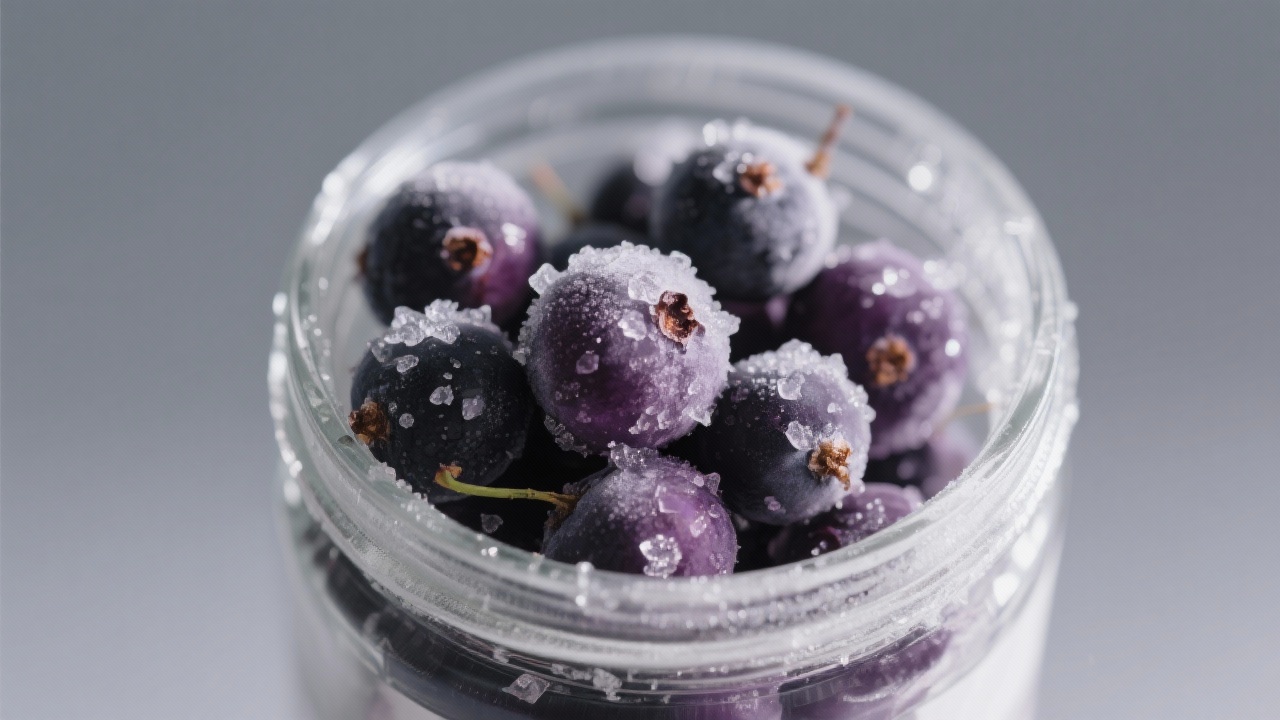
Beyond anthocyanins, organic blackberries contain a complex mixture of other polyphenolic compounds including ellagic acid, quercetin, and catechins. This diverse phytochemical profile creates a synergistic effect that enhances the overall antioxidant and anti-inflammatory activity of the fruit.
Ellagic acid, in particular, has gained attention for its ability to support skin health by inhibiting matrix metalloproteinases—enzymes that break down collagen and elastin in the skin. Clinical studies suggest regular consumption of ellagic acid-rich foods may help maintain skin elasticity and reduce the appearance of fine lines by supporting collagen synthesis.
Not all blackberries are created equal. Organic cultivation methods significantly impact the phytochemical composition of the fruit. Research conducted at the University of California, Davis, found that organically grown blackberries contain 18-22% higher levels of anthocyanins and 12-15% more total polyphenols compared to conventionally grown counterparts.
This difference arises from the stress responses triggered in organic plants, which produce higher levels of protective phytochemicals. Additionally, organic farming practices prohibit the use of synthetic pesticides and fertilizers, ensuring a purer end product free from chemical residues—a critical consideration for health-conscious consumers.

The functional food market has embraced organic blackberries as a versatile ingredient. From North America to Europe and Asia, food and supplement manufacturers are incorporating blackberry extracts into a wide range of products:
Market data indicates strong growth in this sector, with the global organic blackberry market projected to reach $1.2 billion by 2027, growing at a CAGR of 8.3% from 2022 to 2027. This growth is driven by increasing consumer awareness of the link between diet and aging, as well as rising demand for clean-label products.
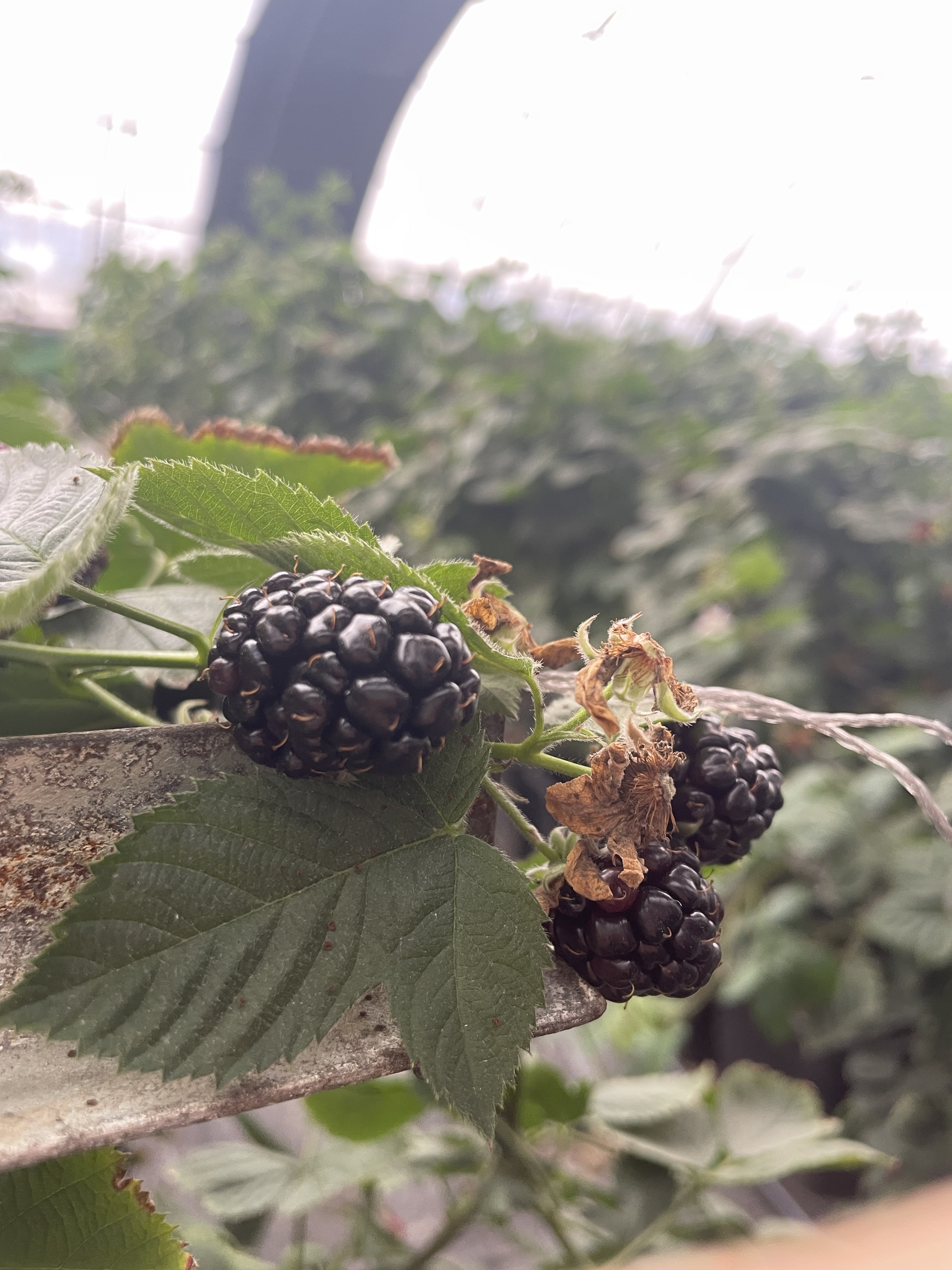
Incorporating organic blackberries into daily life doesn't require complicated regimens. Nutrition experts recommend consuming ½ to 1 cup of fresh or frozen organic blackberries daily to reap their antioxidant benefits. They can be easily added to breakfast oatmeal, smoothies, salads, or enjoyed as a standalone snack.
For those seeking more concentrated benefits, standardized blackberry extracts offering 25-30% polyphenol content are available. These extracts provide a convenient way to ensure consistent intake of the fruit's beneficial compounds, particularly during off-seasons when fresh berries may be less available or more expensive.
Discover our premium organic blackberry extracts and concentrates, backed by scientific research and sustainable farming practices.
Explore Our Organic Blackberry Product LineAs research continues to uncover the multifaceted benefits of blackberry's bioactive compounds, the future looks promising for this remarkable fruit. From supporting healthy aging to enhancing overall wellness, organic blackberries offer a natural solution that resonates with today's informed consumers. Whether enjoyed fresh from the bush or incorporated into innovative functional products, this humble fruit is proving to be much more than just a delicious treat—it's a powerful ally in the quest for lifelong health.

_(2).jpg?x-oss-process=image/resize,m_fill,h_600,w_600/format,webp)


.jpg?x-oss-process=image/resize,m_fill,h_600,w_600/format,webp)

_(4).jpg?x-oss-process=image/resize,m_fill,h_600,w_600/format,webp)
.jpg?x-oss-process=image/resize,m_fill,h_600,w_600/format,webp)


.jpg?x-oss-process=image/resize,m_fill,h_600,w_600/format,webp)