In the realm of the food processing industry, the selection of high - quality raw materials is crucial for ensuring product quality and market competitiveness. Recently, a significant trend has emerged: over 70% of high - end jam brands are turning to frozen blackcurrants as their preferred ingredient. This shift prompts us to explore the reasons behind this preference and understand how frozen blackcurrants can offer a comprehensive solution for food processing enterprises.
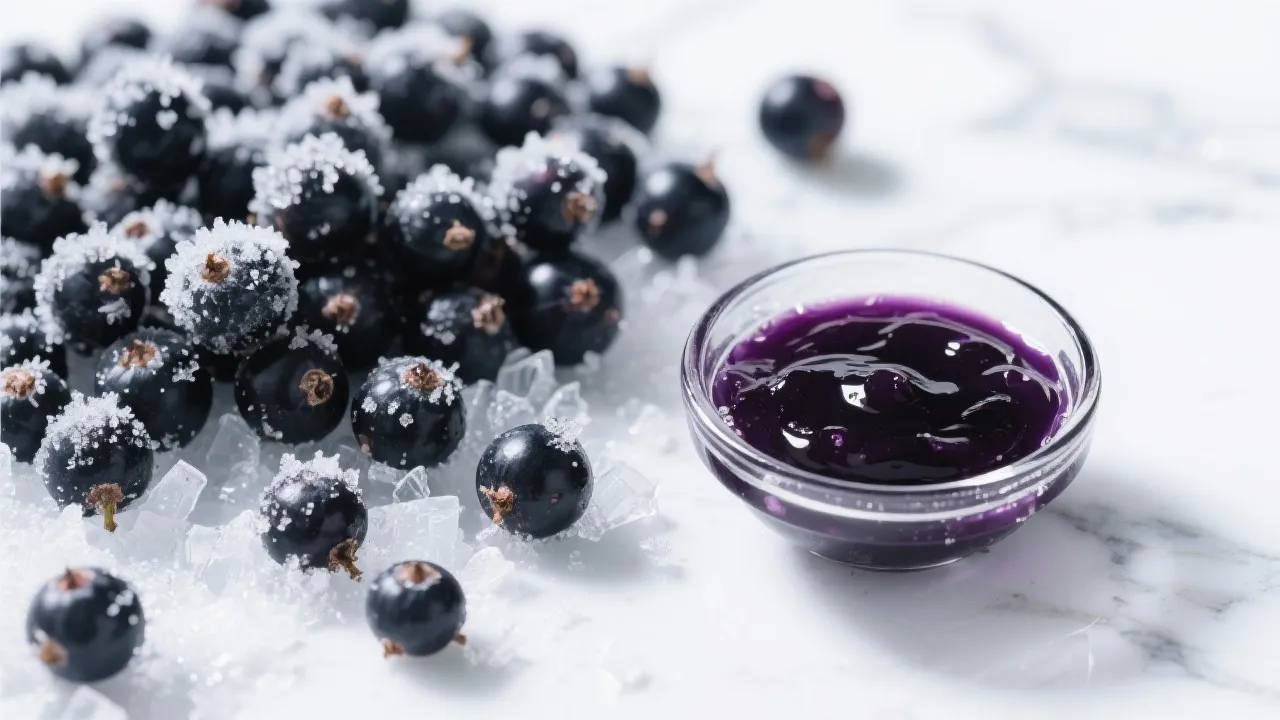
One of the most prominent features of frozen blackcurrants is their high whole - fruit rate. With a whole - fruit rate of over 95%, they significantly reduce the loss during the production process. In traditional jam - making, a large number of damaged fruits can lead to increased waste and higher costs. The high whole - fruit rate of frozen blackcurrants ensures that more raw materials are effectively utilized, improving production efficiency.
In addition to the high whole - fruit rate, frozen blackcurrants are carefully hand - screened to remove any impurities. This meticulous process guarantees the purity of the raw materials, which is essential for high - end jam products. Consumers today have high expectations for the quality and safety of food products, and the impurity - free nature of frozen blackcurrants meets these demands.
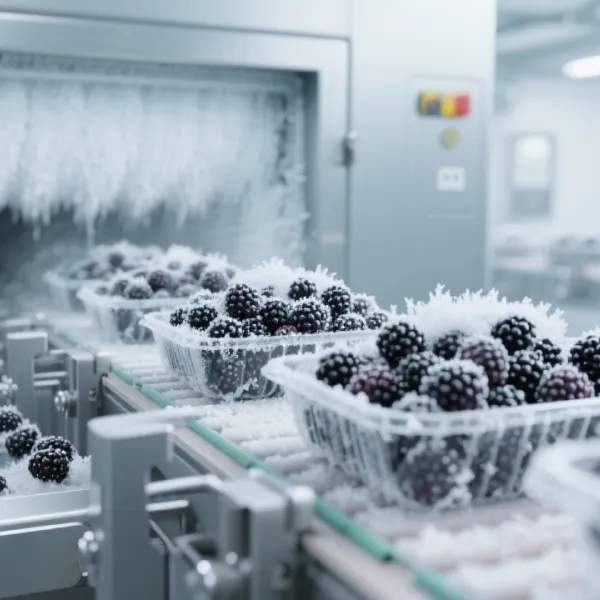
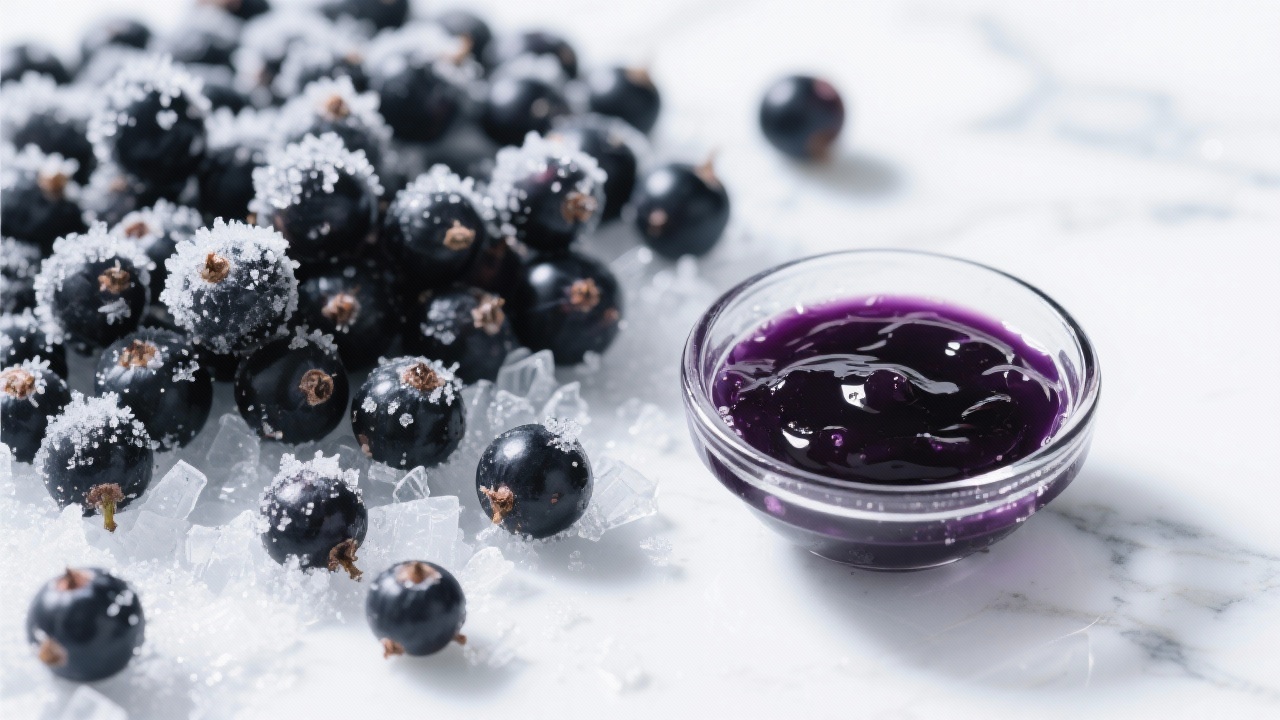
The quick - freezing technology used in processing frozen blackcurrants also plays a vital role. This advanced technology can lock in the freshness of the blackcurrants and preserve their cell structure. As a result, the flavor and texture of the blackcurrants are maintained, providing jam products with a rich and authentic taste. A well - designed quick - freezing process flowchart (as shown in Figure 1) can help food processing enterprises better understand this technology and its benefits.
When comparing fresh blackcurrants with frozen blackcurrants, several factors need to be considered. Fresh blackcurrants are highly perishable and face significant risks during transportation. It is estimated that the transportation loss rate of fresh blackcurrants can reach up to 20%. In contrast, frozen blackcurrants are less affected by transportation conditions, greatly reducing the risk of damage.
In terms of storage, fresh blackcurrants require strict temperature and humidity control, which increases storage costs. Moreover, fresh blackcurrants are seasonal products, and their supply is limited. This seasonality can lead to unstable production for food processing enterprises. On the other hand, frozen blackcurrants can be stored for a long time, ensuring a stable supply throughout the year.
Frozen blackcurrants are not only suitable for jam production but also have a wide range of applications in other food products. They can be used to make delicious fruit juices, adding a natural and healthy flavor. In the baking industry, frozen blackcurrants can be used as filling materials for pastries and cakes, providing a unique and rich taste experience for consumers.
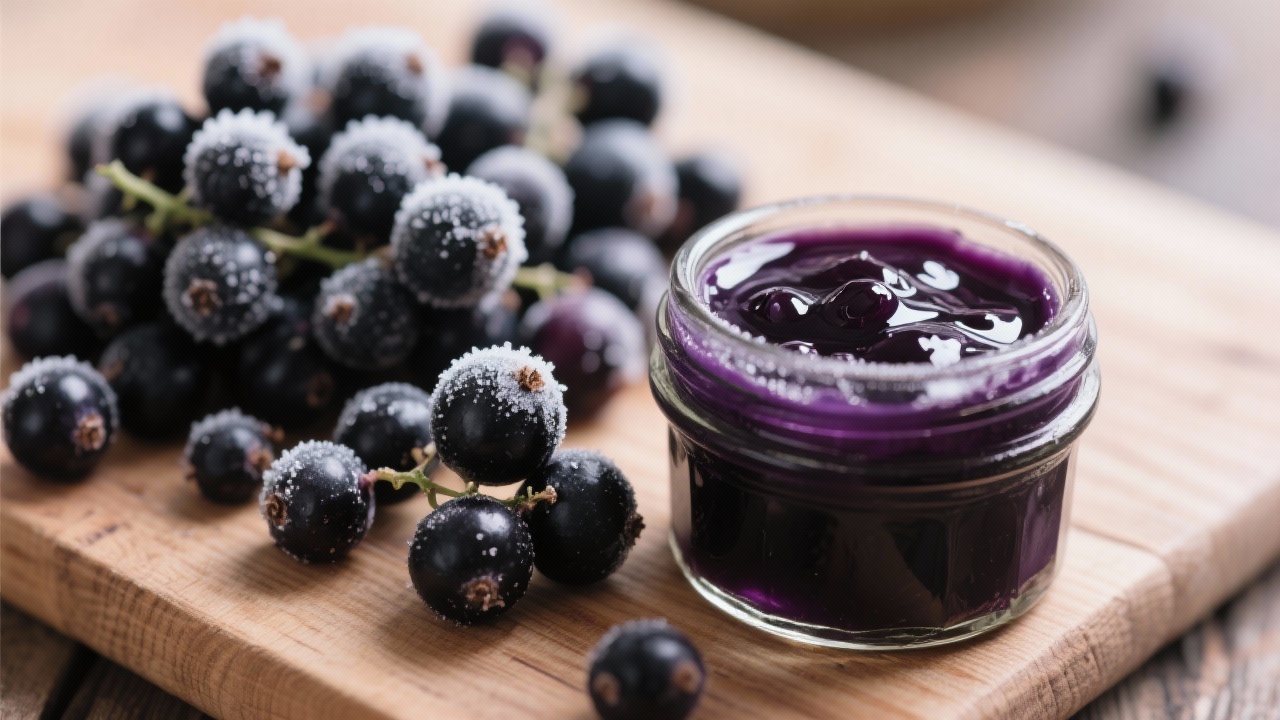
To further illustrate the advantages of frozen blackcurrants, let's look at a real - world example. A well - known jam factory switched to using frozen blackcurrants as its main ingredient. After the change, the factory saw a remarkable 15% decrease in the reject rate. This reduction in waste not only saved costs but also improved the overall quality and consistency of the jam products.
In conclusion, frozen blackcurrants offer numerous advantages for food processing enterprises, from technical superiority to cost - effectiveness and diverse application scenarios. By choosing frozen blackcurrants, enterprises can ensure a stable supply of high - quality raw materials, improve production efficiency, and enhance the quality of their products. If you are a food processing enterprise looking to optimize your raw material selection, get the industry application guide and unlock more raw material optimization solutions.
_(2).jpg?x-oss-process=image/resize,m_fill,h_600,w_600/format,webp)