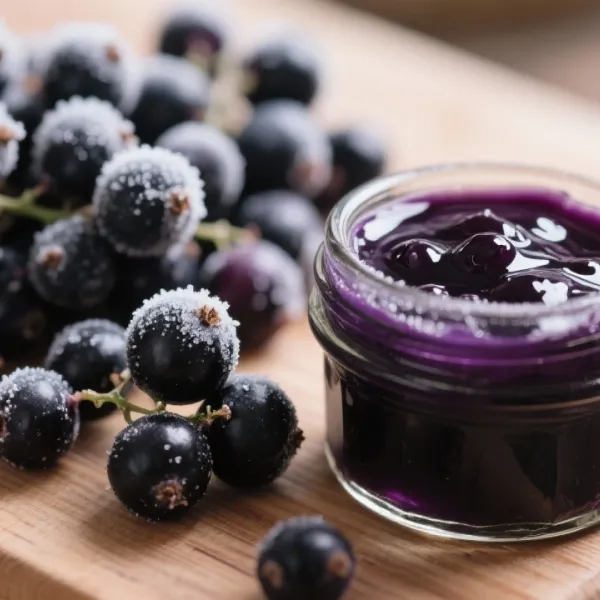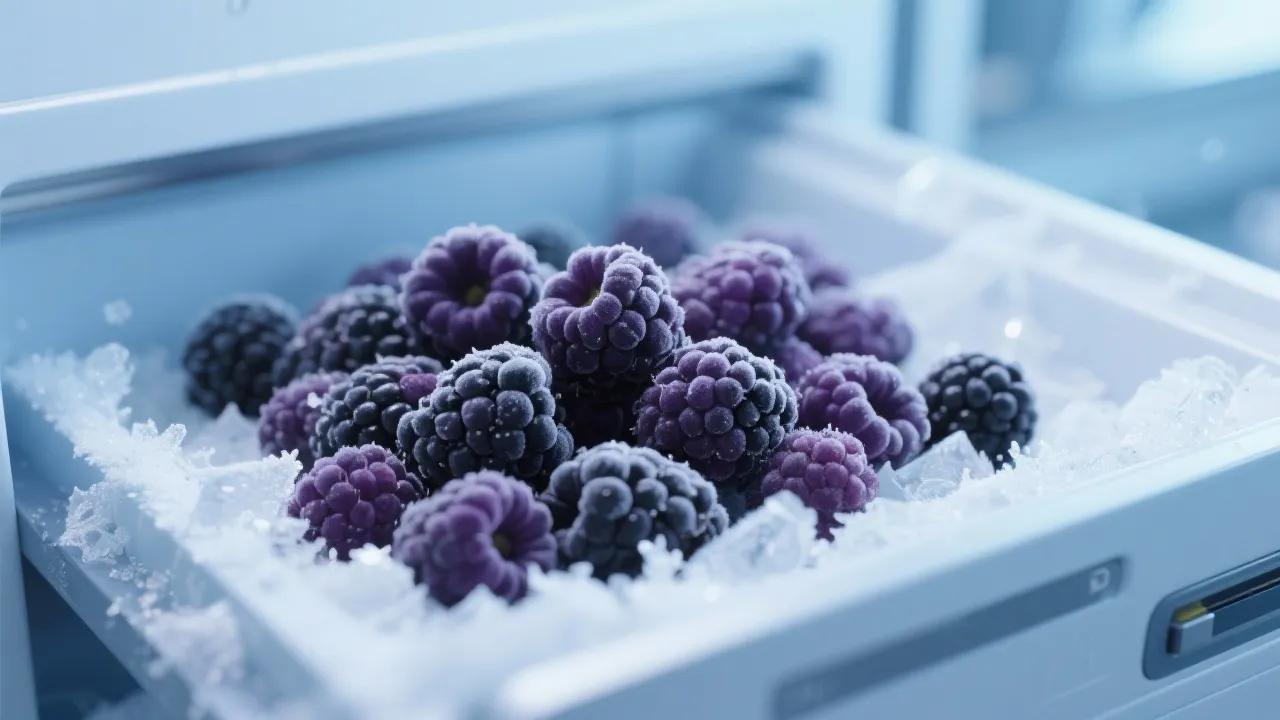
If you work with fruit-based beverages, dairy, bakery fillings, or health-oriented formulations, you’ve likely noticed an odd truth: some IQF (Individually Quick Frozen) blackberries deliver more consistent color and “fresh” taste than berries that traveled fresh for days. The reason isn’t marketing—it’s physics, cell structure, and the speed at which nature’s most fragile nutrients degrade.
Think of quick freezing as pressing a pause button on the berry’s biochemistry. But not all frozen berries are equal—especially when it comes to anthocyanins (the deep purple antioxidants) and vitamin C.
Blackberries are naturally rich in anthocyanins and vitamin C, but both are sensitive. The enemies are predictable: oxygen, heat, light, time, and damaged cell walls. Once berries are harvested, respiration and enzymatic activity continue, and every hour at above-freezing temperatures increases the chance of nutrient loss and flavor drift.
Life-like analogy: A blackberry is like a tiny capsule filled with pigment and vitamin-rich juice. If the capsule stays intact, nutrients stay protected. If it cracks, oxygen gets in—and quality fades faster than you’d expect.
This is where freezing method becomes decisive. You may already be buying “frozen blackberries,” but are they frozen fast enough to keep cells intact? Or were they frozen slowly, allowing large ice crystals to puncture the fruit’s micro-structure?
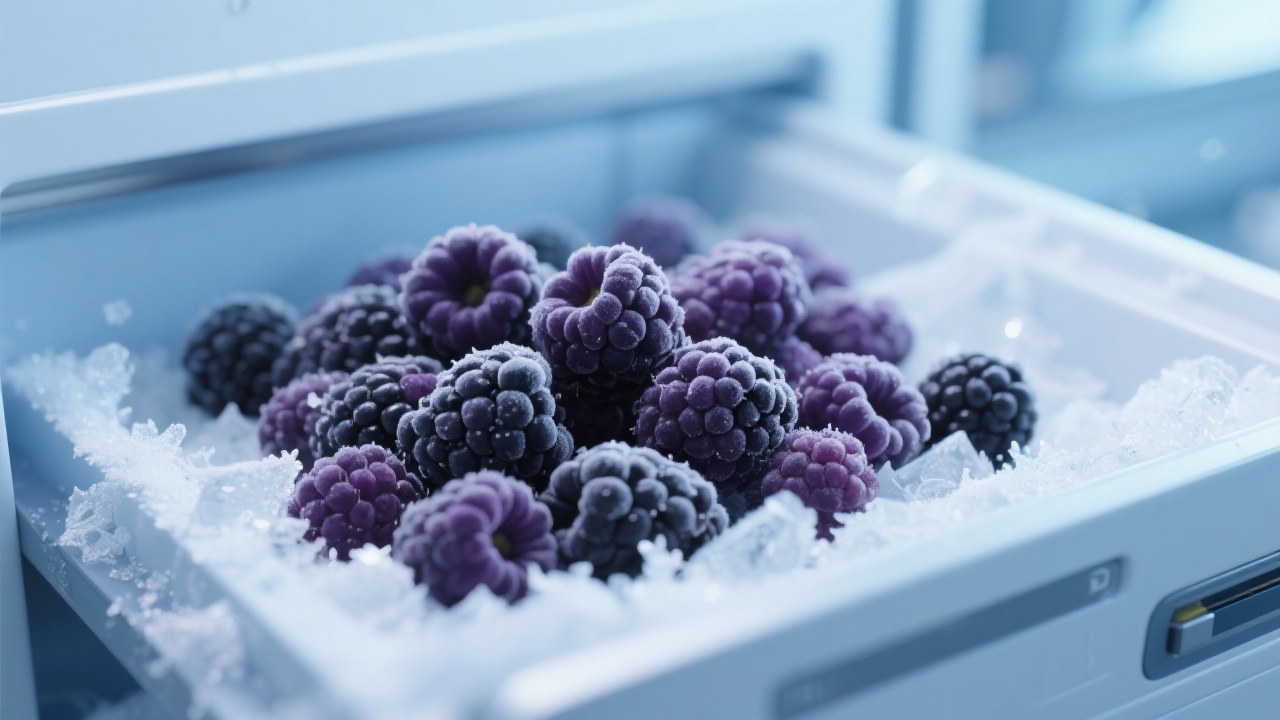
High-quality IQF typically brings berries through the most critical temperature zone (about -1°C to -5°C, where ice crystals form fastest) in minutes—not hours—then stabilizes storage at -18°C or below. This reduces the growth of large ice crystals. The result is simple: less cell rupture, less juice leakage on thawing, and better protection for anthocyanins and vitamin C.
Slow freezing creates bigger ice crystals that tear cell walls. When those berries thaw (even slightly during handling), damaged cells leak juice—taking color, aroma compounds, and dissolved vitamins with it. This is often why some frozen berries look “fine” in the bag but turn into a soft, bleeding mass in processing.
Actual retention depends on cultivar, maturity, harvest handling, and time-to-freeze. But across fruit research and industrial experience, quick freezing + stable cold chain consistently outperforms slow freezing for nutrient preservation—especially for vitamin C.
| Nutrient | IQF Quick Frozen | Slow Frozen | Fresh (5–7 Days Distribution) |
|---|---|---|---|
| Anthocyanins | ~85–95% | ~65–80% | ~70–90% |
| Vitamin C | ~75–90% | ~50–70% | ~55–85% |
Note: “Fresh” varies dramatically with temperature exposure, bruising, and shelf time. For R&D and industrial production, consistency often matters as much as peak numbers.
If you’re formulating for color, antioxidant positioning, or clean-label stability, the difference between 90% and 70% retention is not academic. It shows up as weaker hue, more sediment, higher flavor correction costs, and inconsistent sensory results.
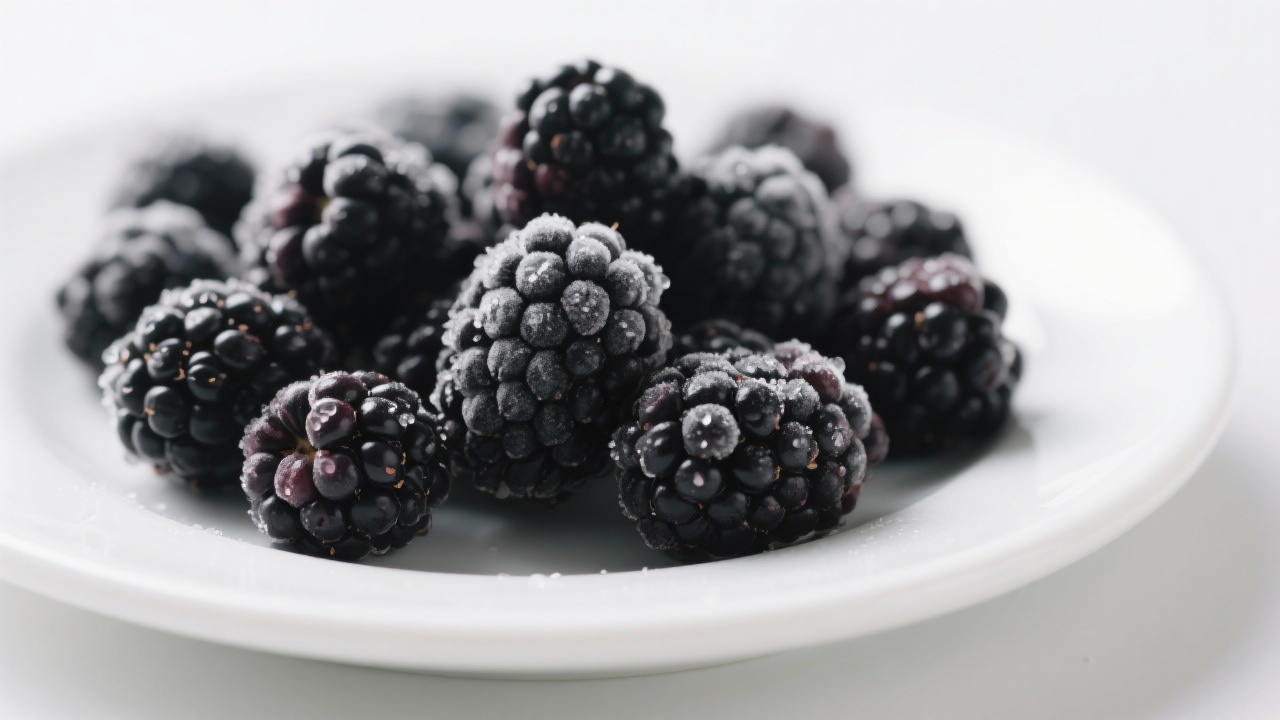
Quick freezing alone doesn’t guarantee quality. The real outcome depends on a full chain—harvest timing, handling, sorting, freezing parameters, and cold storage discipline. When buyers say they got “watery” or “brownish” frozen berries, the root cause is often process gaps, not the freezer itself.
Overripe berries can look great but collapse easily. Under-ripe berries resist damage but lack aroma and anthocyanin development. Professional growers target a maturity window where flavor, firmness, and pigment align with freezing performance.
For industrial users, “whole berry rate” affects everything: visual appeal in yogurt and bakery toppings, dosing accuracy, and even line efficiency. A robust approach is three rounds of manual sorting to remove unripe fruit, stems, soft berries, and foreign material before freezing.
Procurement checkpoint: Ask suppliers for typical specs such as whole fruit ratio, broken/crumb percentage, and foreign matter control. Higher whole berry yield usually means better upstream selection—not luck.
Nutrient loss accelerates with temperature fluctuation. Even brief thaw-refreeze cycles can increase drip loss and oxidation. That’s why serious producers treat cold chain as a single continuous system: rapid freezing, sealed packaging, stable -18°C storage, and temperature-controlled logistics.
In beverage applications—smoothies, functional drinks, fermented blends—the first “tell” is usually not a lab report. It’s performance: how quickly the berry breaks down, how stable the color stays, and whether the flavor needs correction.
“After switching to a faster-frozen blackberry grade, our pilot runs showed noticeably less purple ‘bleeding’ into foam layers, more consistent hue batch-to-batch, and fewer filtration issues. We also reduced flavor adjustments.”
If you’re a buyer, this kind of feedback is a signal: quality frozen fruit is not only about nutrition—it’s about process reliability. And reliability is what turns a promising formulation into a scalable product.
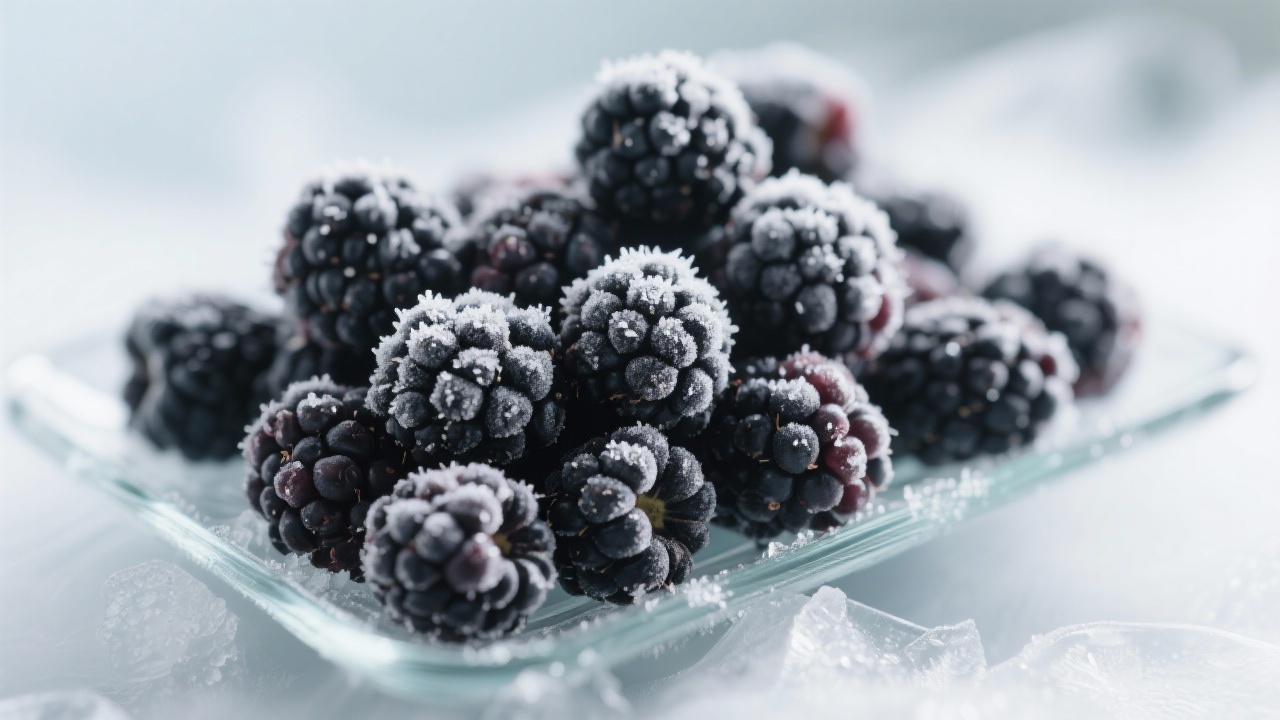
Here’s the uncomfortable question: Have you ever “saved cost” on frozen berries, then spent more fixing the result? Off-color batches, unstable taste, too much drip, more sieving, more waste—these are common symptoms of slow freezing, weak sorting, or unstable cold chain.
The market is full of “frozen fruit,” but decision-stage buyers—especially in food manufacturing—need something more specific: frozen fruit with controlled structure, documented handling, and predictable nutrient retention. That’s how you protect your product claims, your sensory profile, and your production efficiency.
If you’re sourcing for beverages, bakery, dairy, or functional nutrition, the right IQF blackberry specification can reduce waste, stabilize color, and protect anthocyanins & vitamin C where it counts—on your line and in your finished product.
Learn more scientific frozen blackberry application solutionsTip for buyers: request freezing method (IQF vs slow), sorting steps, whole berry ratio, and cold-chain temperature records.


_(2).jpg?x-oss-process=image/resize,m_fill,h_600,w_600/format,webp)


.jpg?x-oss-process=image/resize,m_fill,h_600,w_600/format,webp)
.jpg?x-oss-process=image/resize,m_fill,h_600,w_600/format,webp)