Posted on October 15, 2023 | Category: Food Science & Technology | Reading time: 8 minutes
For food formulators and health product developers, the challenge of maintaining nutritional integrity in processed ingredients remains a critical concern. When it comes to blackcurrants—nature's vitamin C powerhouses containing up to 150mg of vitamin C per 100g fresh weight—traditional preservation methods often result in significant nutrient degradation. Recent industry studies indicate that conventional freezing processes can lead to vitamin C losses of 30-45% within just three months of storage.
"Rapid freezing at temperatures below -30°C creates an optimal environment for preserving热敏性 nutrients like vitamin C by minimizing ice crystal formation and enzyme activity." — Institute of Food Technologists, 2022 Research Report
The key to successful nutrient preservation lies in understanding the dual threats to vitamin C stability: enzymatic oxidation and microbial activity. Polyphenol oxidase and ascorbic acid oxidase—enzymes naturally present in blackcurrants—remain active at temperatures down to -10°C, continuing to break down vitamin C even during frozen storage.
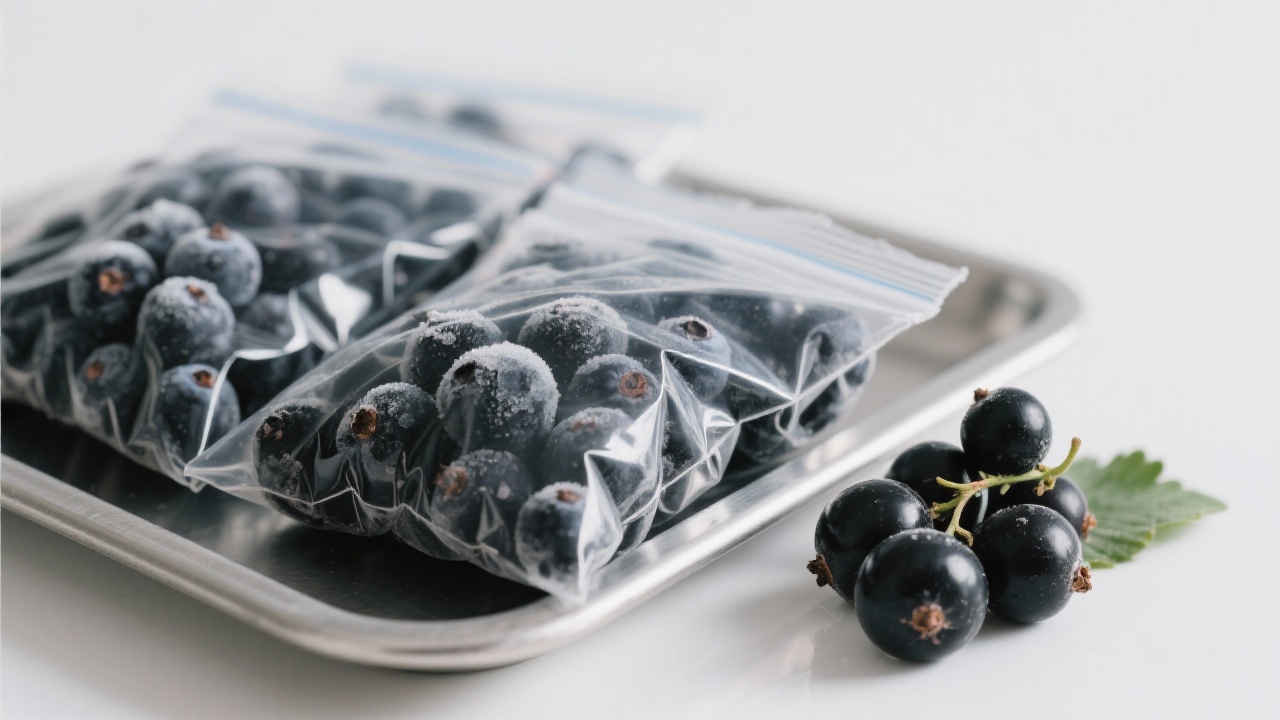
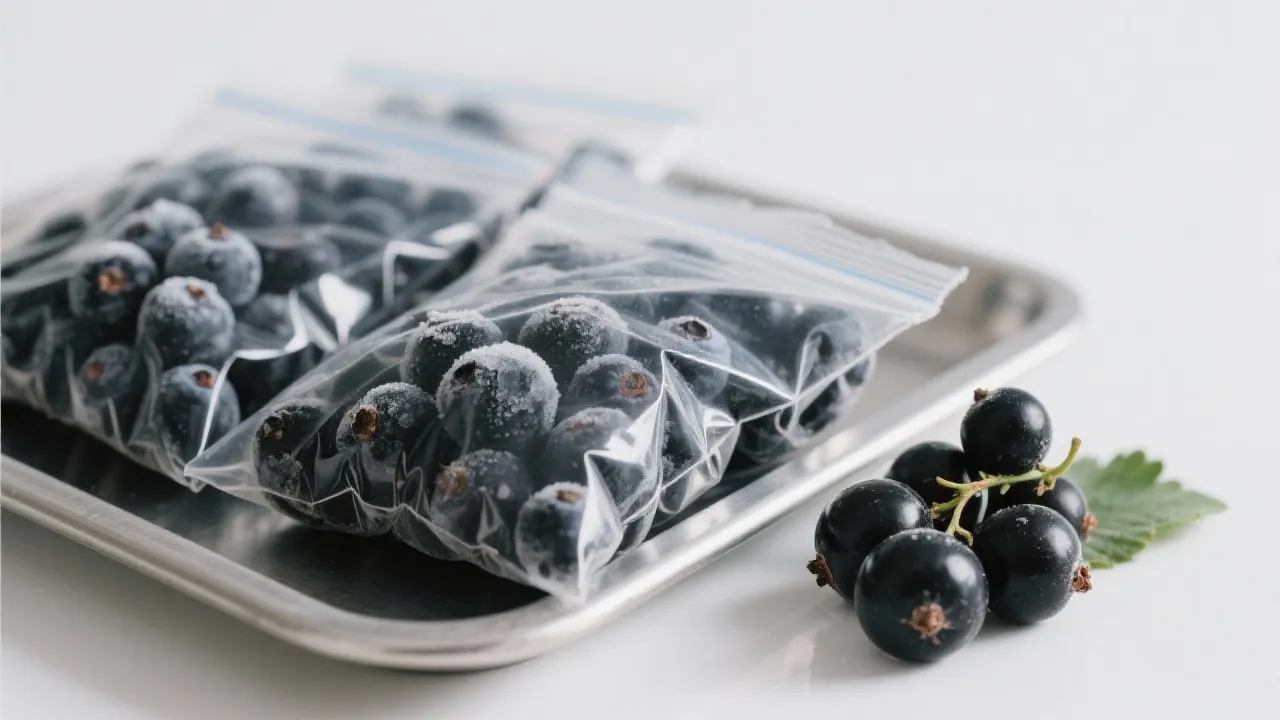
Controlled laboratory tests demonstrate that when blackcurrants are frozen using Individual Quick Freezing (IQF) technology at -35°C with a freezing rate of 5°C per minute, ice crystal formation is limited to sizes below 10μm—small enough to prevent cellular rupture. This process preserves 82-87% of the original vitamin C content, compared to just 58-65% retention with conventional slow freezing methods.
While freezing technology is crucial, the journey to nutrient preservation begins in the field. Blackcurrants harvested at optimal ripeness contain peak vitamin C levels, but post-harvest degradation starts immediately. Research shows that blackcurrants left at ambient temperature (20-25°C) can lose up to 12% of their vitamin C content within the first hour after picking.
At 亿商桥, we've developed a proprietary cold chain protocol that ensures harvested blackcurrants reach our IQF processing facility within 4 hours. This rapid transfer, combined with our 95% whole fruit selection standard, creates the ideal foundation for maximum nutrient preservation.
Our rigorous manual selection process—achieving 95% whole fruit integrity—delivers multiple benefits:
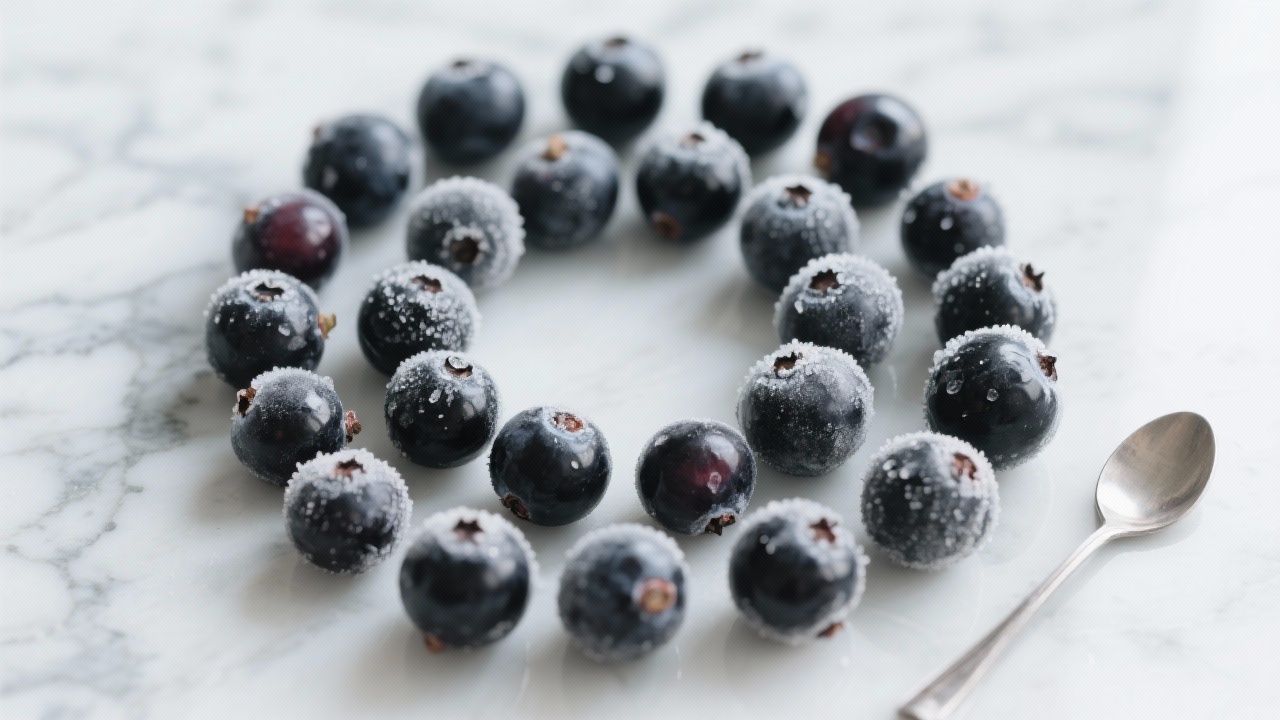
Traditional freezing methods typically operate at -18°C with slower air circulation, resulting in larger ice crystal formation that ruptures cellular structures. This not only accelerates nutrient loss but also affects texture and appearance when thawed.
In contrast, our IQF technology employs fluidized bed freezing with temperatures maintained at -35°C, achieving a product core temperature of -18°C within 12 minutes. This rapid freezing process preserves cell membrane integrity, significantly reducing drip loss during thawing from an industry average of 15-20% to just 5-7%.
The superior nutrient retention of properly frozen blackcurrants opens new possibilities for product developers. From functional beverages to nutritional supplements, the stable vitamin C content ensures consistent product quality and efficacy.
Food technologists have successfully incorporated IQF blackcurrants into applications ranging from smoothie mixes to natural food colorants, capitalizing on both the nutritional benefits and the vibrant anthocyanin content that remains stable under proper freezing conditions.
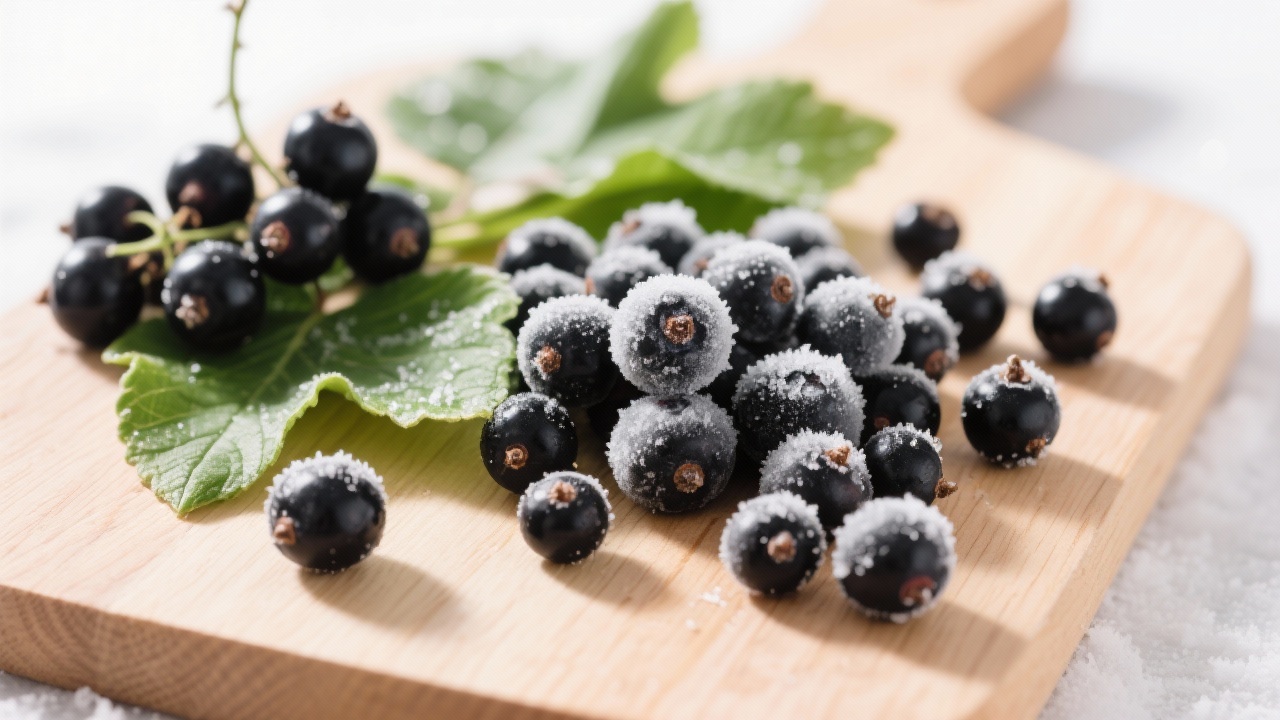
Discover how 亿商桥's advanced IQF blackcurrants can enhance your formulations with stable, high-quality vitamin C content.
Explore Our IQF Blackcurrant SolutionsHave you ever struggled with inconsistent color or nutrient levels in frozen fruit ingredients? The difference often lies in the freezing technology and processing standards. Share your experiences with frozen fruit applications in the comments below—we'd love to hear about the challenges you've faced and how you've addressed them.


_(2).jpg?x-oss-process=image/resize,m_fill,h_600,w_600/format,webp)