IQF Blackcurrants Explained: Fast Freezing Technology That Preserves Nutrition and Flavor
2026-02-24
E-BizBridge
Technical knowledge
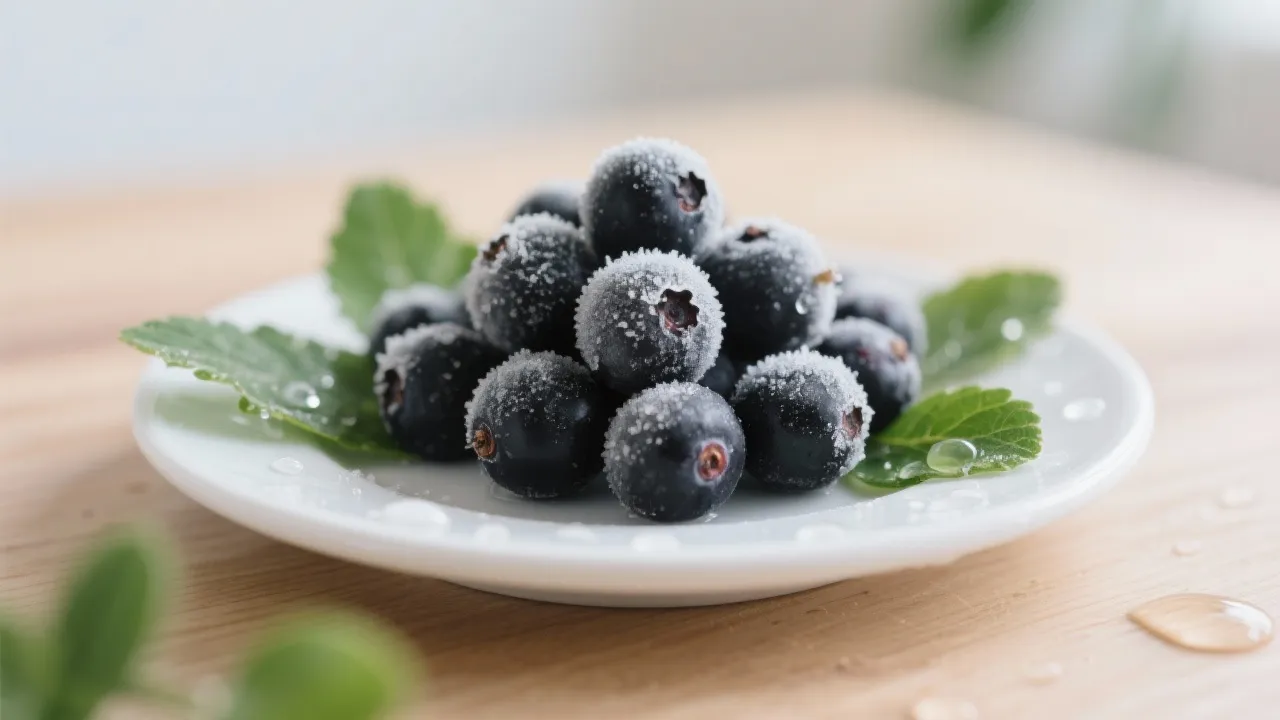
Individually quick frozen (IQF) blackcurrants are engineered to retain fresh-like taste, aroma, and key nutrients by minimizing cellular damage during freezing. This article breaks down the science behind rapid ice-crystal formation and why faster freezing creates smaller crystals that better protect fruit tissue. It also maps the three critical control points that determine final quality—precise temperature profiling, high-barrier sealed (often vacuum) packaging, and end-to-end cold chain management—to help food manufacturers and professional buyers evaluate frozen berry performance with confidence. Supported by industry and research references, the piece compares nutrient retention trends (e.g., vitamin C and anthocyanins) between IQF and conventional freezing, and outlines how advanced freezing is reshaping premium fruit supply chains for greater consistency, lower waste, and more predictable processing outcomes.
IQF Freezing Explained: How Blackcurrants Keep Their Nutrition and Fresh-Picked Flavor
In frozen fruit, “quality” is not a label—it is the result of controlled physics. For blackcurrants in particular, the difference between rapid freezing and conventional freezing can be measured in texture integrity, drip loss after thawing, and retention of sensitive compounds such as vitamin C and anthocyanins. This article unpacks the core mechanism of IQF (Individually Quick Frozen) processing and the three control points that determine whether frozen blackcurrants taste vibrant or dull.
1) The Science of Quick Freezing: Ice Crystals, Cell Walls, and Why Speed Matters
Fresh blackcurrants are built from fragile plant cells filled with water, acids, sugars, and pigment-rich juice. When freezing happens slowly, water migrates and forms large ice crystals that puncture cell membranes. After thawing, those damaged cells release juice—leading to mushy texture, higher drip, and a flatter aroma profile.
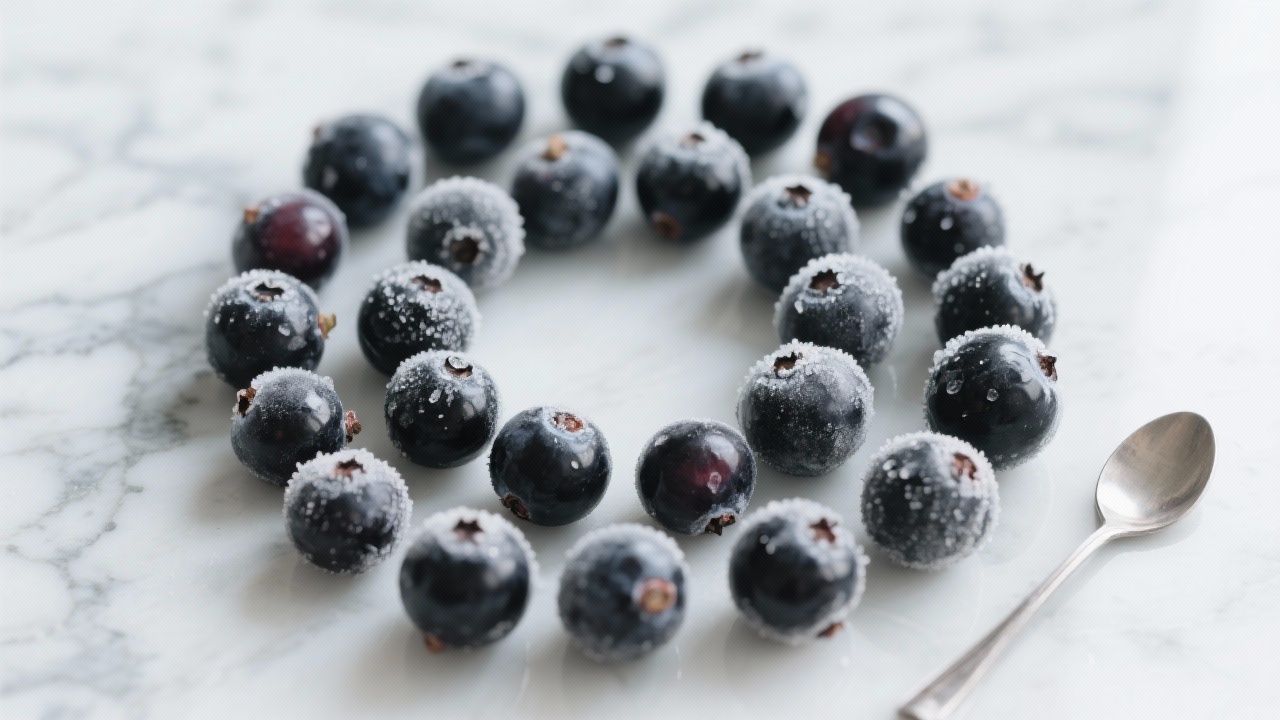
Quick freezing changes that outcome by moving the fruit through the critical freezing zone (roughly 0°C to -5°C) as fast as possible. In IQF systems, the objective is to form many small ice crystals instead of a few large ones. Smaller crystals generally mean less mechanical damage to tissue, better structure, and improved sensory performance in downstream applications such as yogurt inclusions, bakery fillings, beverage bases, and nutraceutical blends.
In industrial terms, a well-designed IQF line aims to freeze the berry core rapidly and consistently. Typical targets in modern tunnels or fluidized-bed freezers include air temperatures around -30°C to -40°C, with product core temperature reaching -18°C within minutes, depending on berry size, load depth, and airflow design. The result is not just “frozen,” but structurally protected.
2) Three Critical Control Points That Decide Frozen Blackcurrant Quality
A) Precision Temperature Control (Not Just “Cold Enough”)
In practice, temperature stability is as important as low temperature. Fluctuations encourage recrystallization—small crystals merging into larger ones over time—eroding texture and increasing drip loss. A robust process monitors:
Infeed temperature of fruit (pre-cooled fruit freezes faster and more uniformly).
Air velocity and distribution to avoid warm spots and uneven freezing.
Core temperature verification (target commonly ≤ -18°C before packing).
B) Sealed, Protective Packaging: Oxygen and Moisture Are the Real Enemies
Once blackcurrants are frozen, quality can still degrade if packaging is weak. The main risks are oxidation (color and flavor fading) and freezer burn (surface dehydration). High-performance packaging typically combines:
High-barrier films to limit oxygen transmission.
Strong seals to prevent micro-leaks during handling and transport.
Headspace control (often via vacuum or reduced oxygen environments where suitable for the product).
For B2B buyers, packaging is not just a presentation choice; it is a shelf-life strategy that supports stable anthocyanin color and a fresher aroma profile across longer distribution routes.
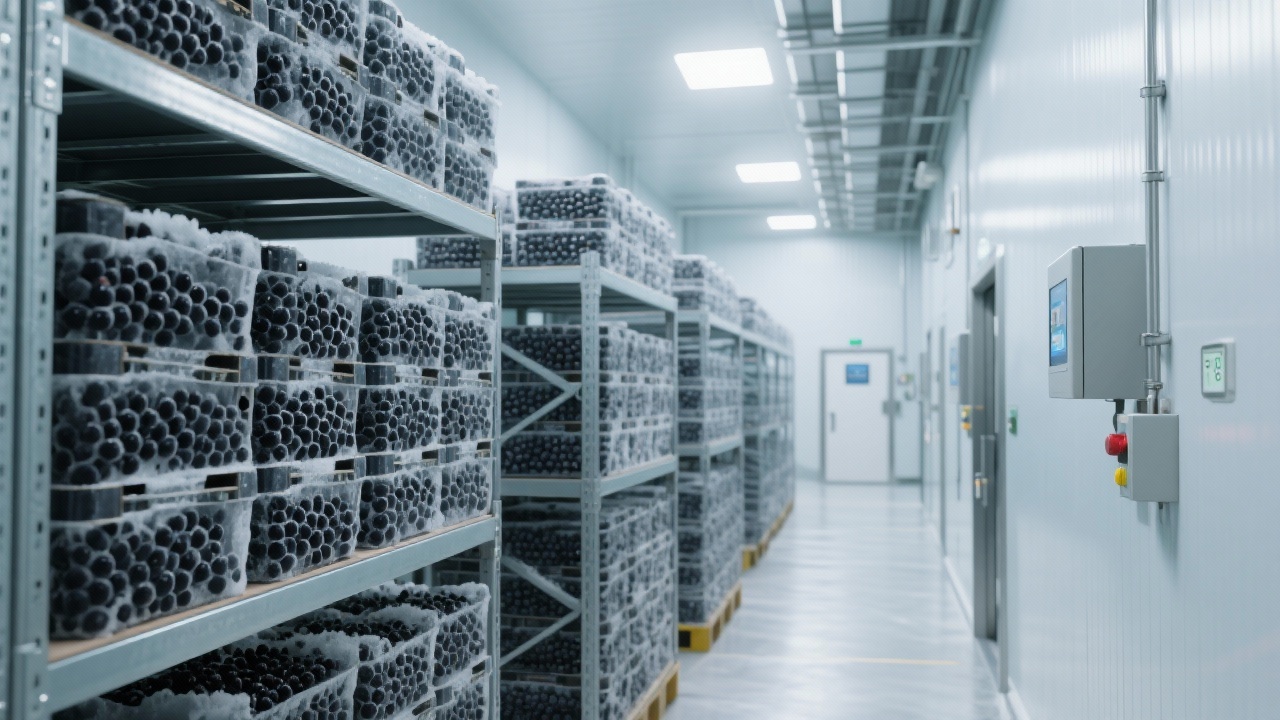
C) End-to-End Cold Chain Management: One Break Can Cancel Good Freezing
IQF processing is only half the story. The cold chain must keep product temperature low and stable from warehouse to container to final customer. The critical risk is repeated micro-thawing and refreezing, which accelerates recrystallization and increases drip loss after thaw.
Strong operators typically implement data-logged temperature tracking, clear loading protocols, and receiving inspection standards. In many industrial settings, the goal is to maintain product at -18°C or below, while minimizing door-open time and preventing warm-zone exposure during cross-docking.
3) What Food Manufacturers Gain: Consistency, Yield, and Process Efficiency
For product developers and procurement teams, IQF blackcurrants are often chosen for one practical reason: repeatability. When berries arrive with predictable brix/acid balance, intact skins, and controlled drip, production lines run smoother—especially in high-throughput categories like dairy, bakery, confectionery, and RTD beverages.
More stable formulation: Less variance in puree yield and water release reduces recipe adjustments.
Better visual quality: Stronger color and berry integrity support premium positioning.
Lower hidden costs: Reduced rejects, fewer texture complaints, and fewer reworks can outperform small differences in raw material cost.
4) Data Snapshot: Typical Nutrient Retention vs. Conventional Freezing
Exact nutrient retention varies by cultivar, harvest maturity, pre-treatment, oxygen exposure, and storage duration. Still, industry measurements often show a clear advantage for rapid freezing when the cold chain remains unbroken—especially for compounds that are sensitive to oxidation.
Quality Indicator
IQF (rapid freezing) – typical range
Conventional freezing – typical range
Vitamin C retention (after 3–6 months at ≤ -18°C)
~80–90%
~60–75%
Anthocyanin retention (color compounds)
~85–95%
~70–85%
Drip loss after thaw (lower is better)
~2–6%
~6–12%
Texture integrity (sensory/handling)
Generally firmer, better berry separation
More clumping and softness
Note: Ranges shown are reference values commonly reported across frozen fruit evaluations; final results depend on cultivar, oxygen exposure, storage time, and cold-chain stability.
5) Where the Industry Is Going: IQF as a “Premium Supply Chain Standard”
As brands push “clean label,” reduced additives, and fruit-forward taste, IQF has been evolving from a processing choice into a supply-chain standard—especially for berries used in premium SKUs. Procurement teams increasingly request evidence beyond certificates: process validation, temperature logs, and batch traceability.
At the same time, the market is moving toward smarter cold-chain systems (data loggers, route risk control, improved reefer discipline) because buyers have learned a practical truth: even top-tier IQF cannot compensate for temperature abuse during distribution.
Want consistent, high-performing IQF blackcurrants for your production line?
Discover how this rapid-freezing workflow, protective packaging, and cold-chain discipline are applied to keep every berry stable in color, nutrition, and flavor—batch after batch.





_(2).jpg?x-oss-process=image/resize,m_fill,h_600,w_600/format,webp)


.jpg?x-oss-process=image/resize,m_fill,h_600,w_600/format,webp)