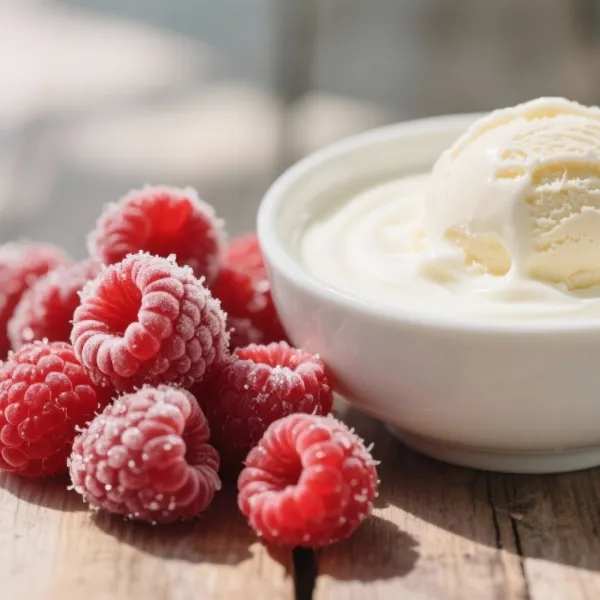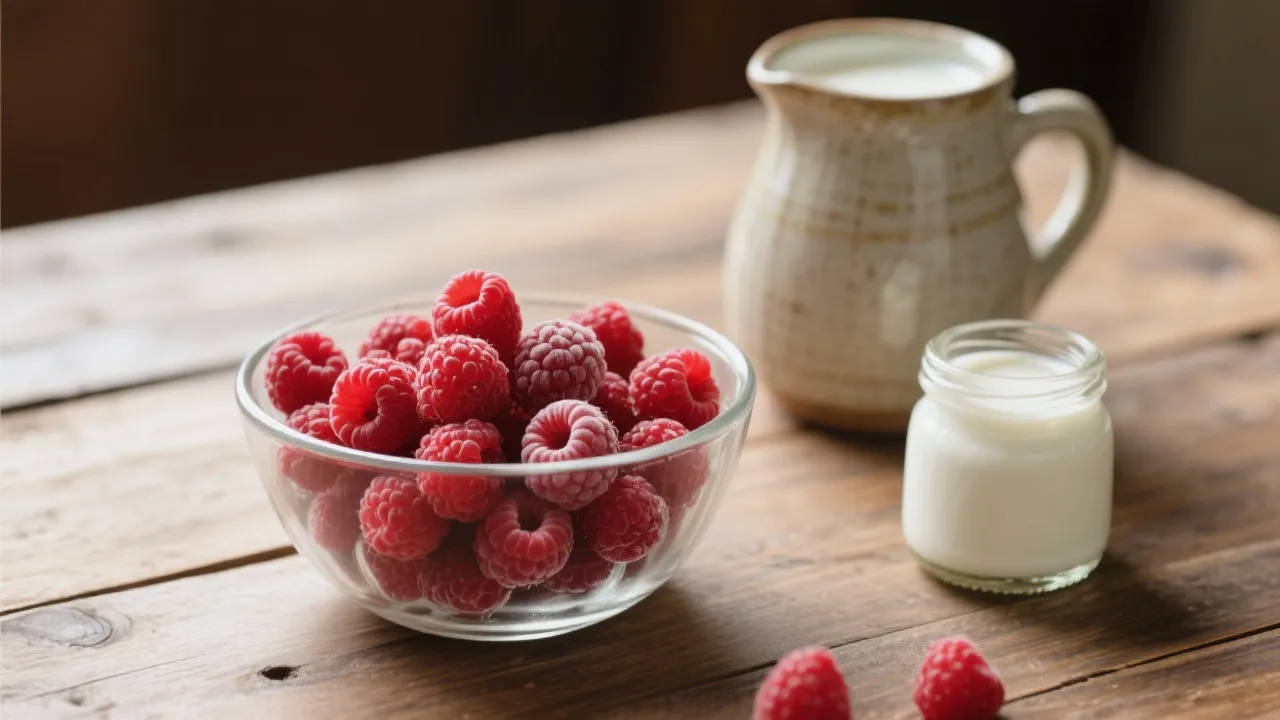
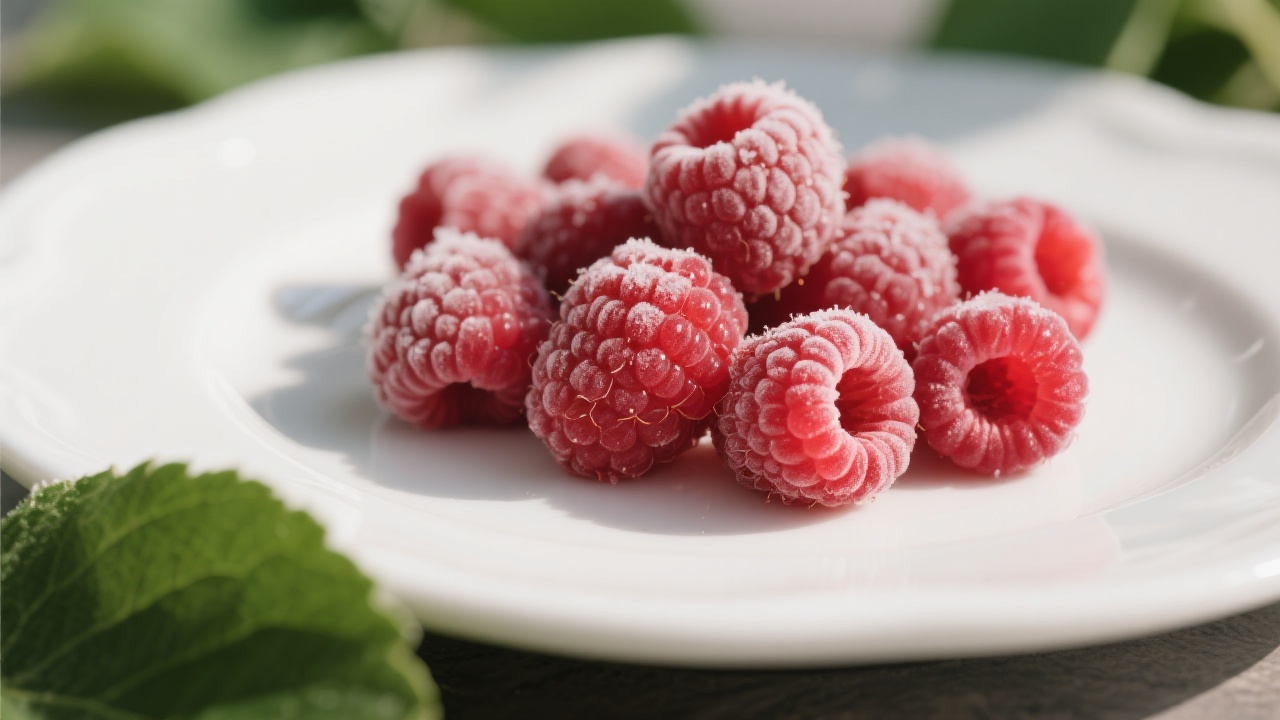
There's nothing more disappointing than reaching for a bag of frozen raspberries only to find them covered in ice crystals or tasting like cardboard. As a professional in the frozen fruit industry, I've seen countless cases where improper storage ruins otherwise perfect berries. The good news? With the right techniques, you can keep your frozen raspberries tasting fresh for up to 12 months, preserving their nutritional value and delightful texture.
"Proper frozen storage isn't just about keeping food cold—it's about maintaining quality, texture, and nutritional value through precise temperature control and packaging techniques." — Institute of Food Technologists, 2023
Freezer burn occurs when moisture evaporates from the surface of frozen foods, creating those unsightly white spots and dry, tough texture. According to food science research, raspberries lose approximately 40% of their vitamin C content after 6 months of improper frozen storage, along with significant degradation in texture and flavor.

Your freezer should maintain a consistent temperature of -18°C (0°F) or lower. Fluctuating temperatures are the primary cause of quality degradation in frozen berries. Invest in a freezer thermometer to monitor conditions—even a 5°C fluctuation can significantly impact storage life.
Store raspberries away from freezer doors where temperature fluctuations are most extreme. Keep them away from strong-smelling foods, as berries readily absorb odors. Maintain proper air circulation around packages for consistent freezing.
The way you thaw frozen raspberries can make or break their texture and flavor. Different methods work best for different applications:
Best for: Direct eating, salads, garnishes
Place berries in a colander inside a bowl to catch moisture. This slow method preserves texture best, resulting in plump, juicy berries.
Best for: Smoothies, sauces, baking
Seal berries in a waterproof bag and submerge in cold water, changing water every 15 minutes. Faster than refrigerator thawing with minimal texture loss.
Best for: Cooking applications only
Use defrost setting at 30% power, checking every 30 seconds to prevent cooking. This method is fastest but may result in slightly softer texture.
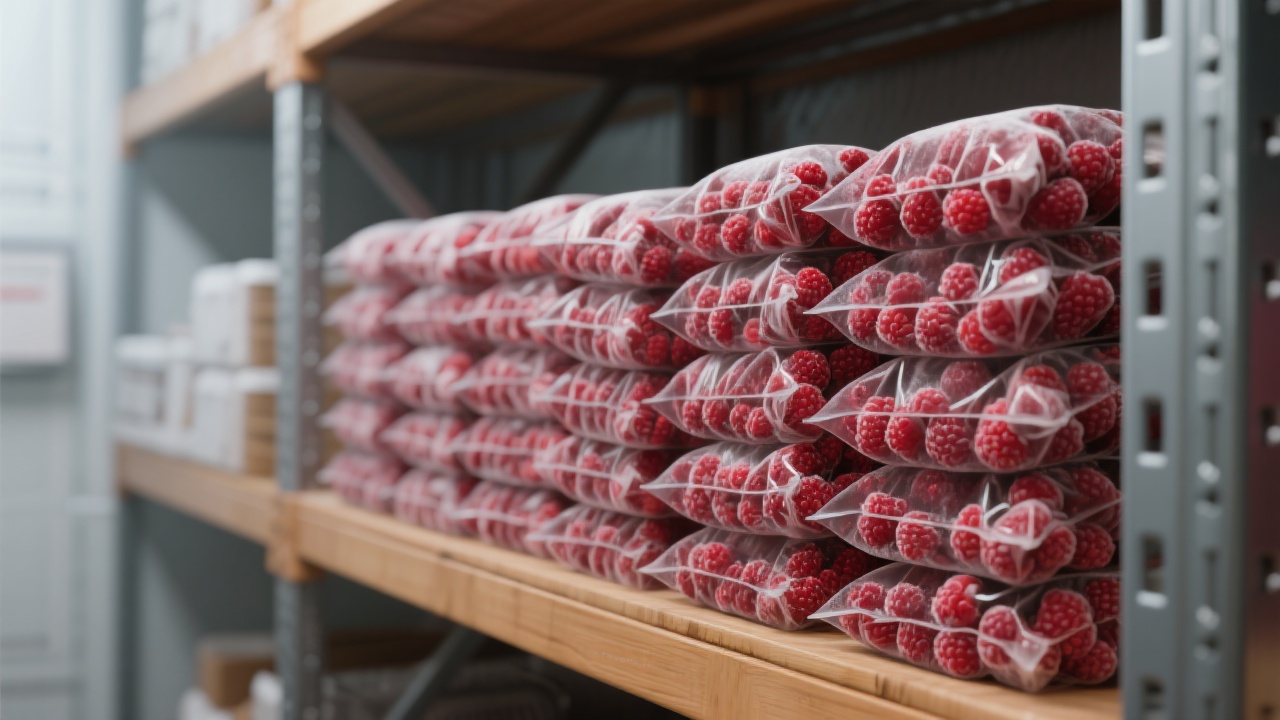
Even experienced cooks make these critical errors when storing frozen raspberries:
Q: My frozen raspberries have turned dark purple—are they still safe to eat?
A: Yes, the color change is natural and doesn't indicate spoilage. Enzymatic browning occurs even in frozen berries but doesn't affect safety or nutritional value.
Q: Can I thaw raspberries and then refreeze them if I don't use them all?
A: It's not recommended. Refreezing causes ice crystal formation that ruptures cell walls, resulting in mushy texture and potential quality loss.
Q: How can I tell if frozen raspberries have gone bad?
A: Look for excessive ice crystals, off-odors, or a rancid taste. If berries appear shriveled or discolored beyond normal darkening, discard them.
For commercial operations, proper storage is even more critical. Restaurants, bakeries, and food manufacturers trust 亿商桥 for reliable frozen berry storage solutions that maintain product integrity from production to plate. With specialized temperature-controlled storage systems and packaging solutions, businesses can reduce waste and ensure consistent quality for their customers.
Discover how proper storage techniques can reduce waste and improve product quality
Explore Professional Frozen Berry SolutionsRemember, the key to perfect frozen raspberries lies in maintaining consistent low temperatures, using proper packaging, and avoiding temperature fluctuations. Whether you're a home cook looking to enjoy summer berries year-round or a business seeking to optimize your frozen fruit inventory, these techniques will help you preserve the fresh-picked quality of raspberries from freezer to table.

_(2).jpg?x-oss-process=image/resize,m_fill,h_600,w_600/format,webp)