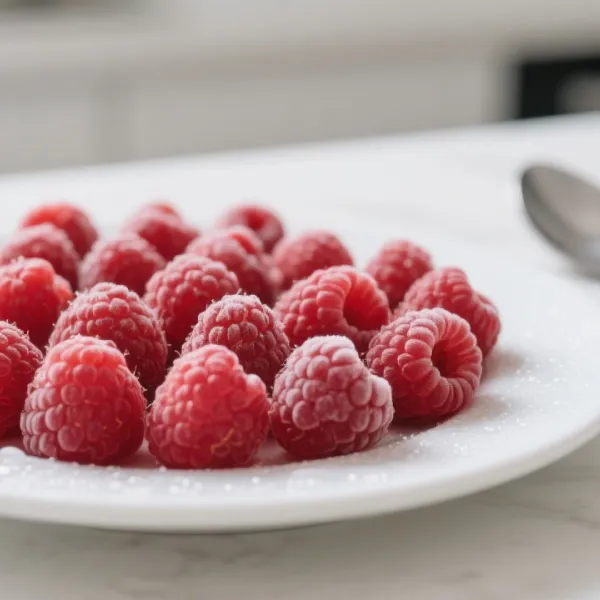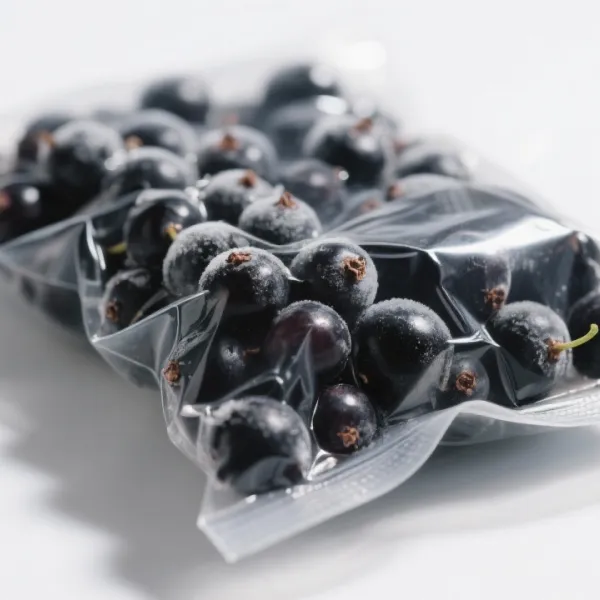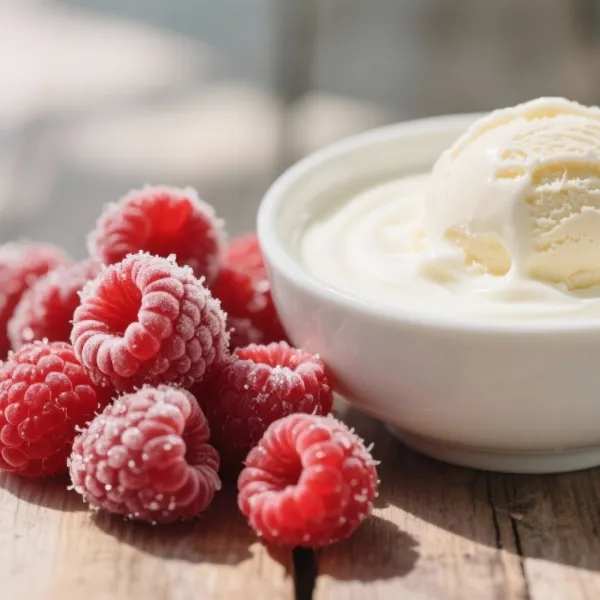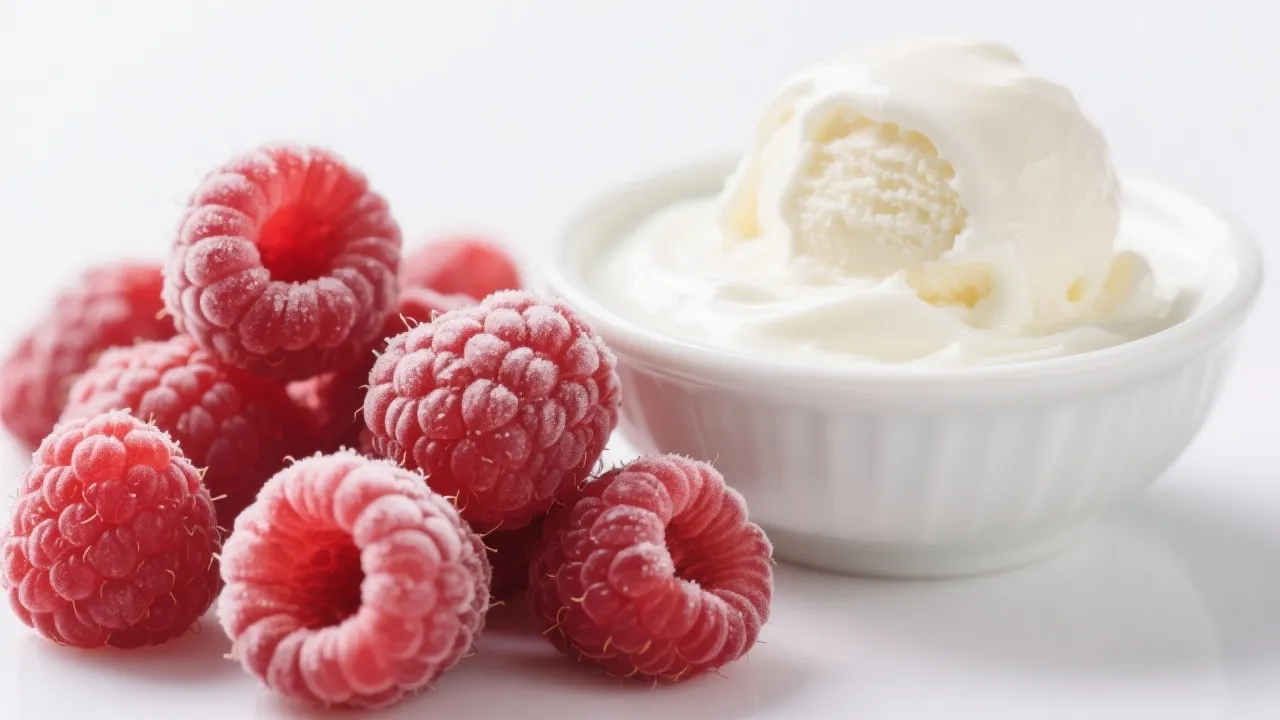
As a food manufacturer, have you ever wondered why your raspberry-based products sometimes lack that fresh, vibrant flavor? Or why you're seeing higher-than-expected waste during production? The answer might lie in how your frozen raspberries are managed from procurement to processing. Studies show that improper storage can lead to up to 30% product loss and a 40% reduction in anthocyanin content—critical factors that directly impact your bottom line and product quality.
Industry Insight:
Food manufacturers report saving an average of 18% on raw material costs after implementing proper frozen berry storage protocols, according to a 2023 survey by the International Frozen Food Association.
Your frozen raspberry journey begins long before the product enters your facility. The first mistake many manufacturers make is focusing solely on price rather than quality indicators that predict storage performance.
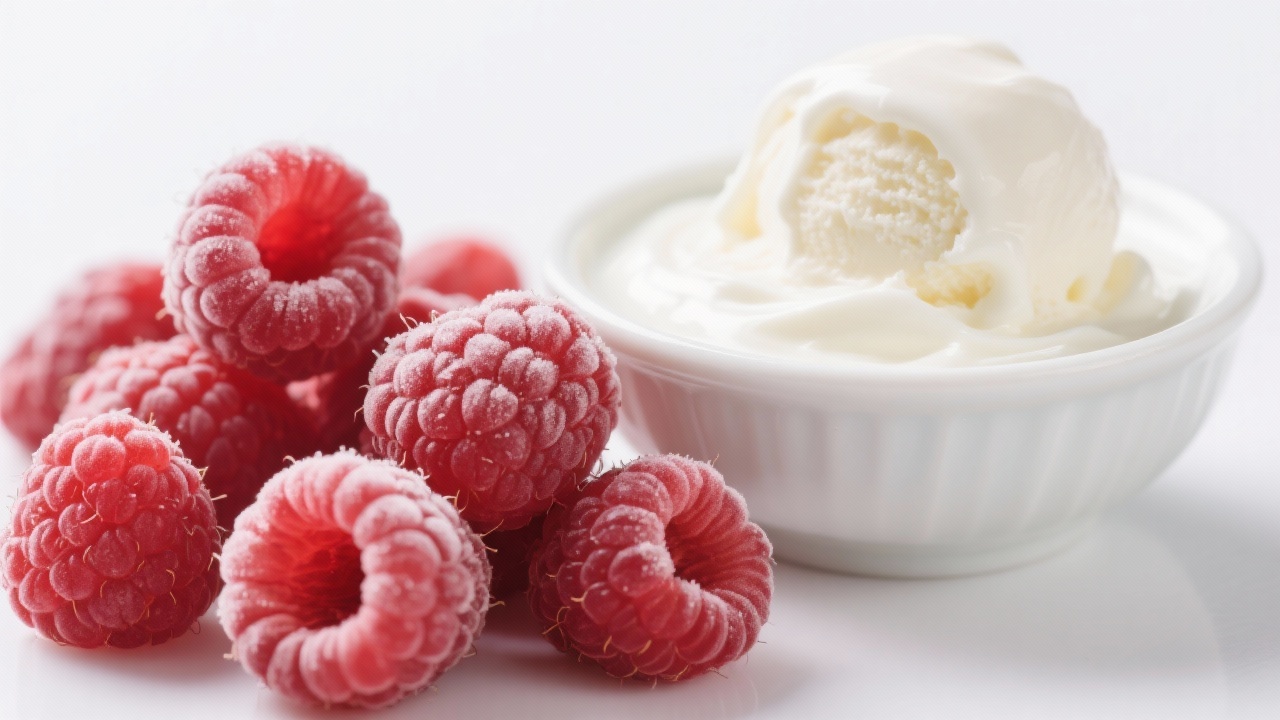
When evaluating suppliers, insist on a minimum of 95% whole fruit率—a benchmark that significantly reduces processing issues later. Visually inspect for signs of damage: berries with split skins or excessive juice leakage indicate improper handling before freezing. Remember: what might look like a small price difference upfront can translate to major losses downstream when dealing with lower quality stock.
Your raspberries clumping together during processing? It might be because this critical selection step was overlooked. Reputable suppliers like 亿商桥 implement triple manual sorting processes to ensure consistent quality that withstands storage challenges.
Maintaining a stable temperature is non-negotiable for preserving both flavor and nutritional value. Research shows that temperature fluctuations as small as ±2°C can trigger ice crystal formation, rupturing cell walls and causing texture degradation.
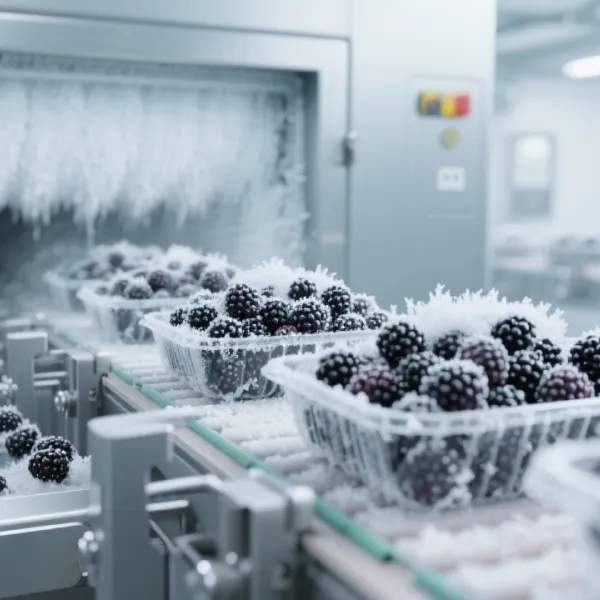
The science behind freezing methods matters significantly. Traditional slow freezing creates larger ice crystals that damage cellular structures, while modern rapid freezing techniques preserve cell integrity. This difference directly affects how well your raspberries maintain their shape, texture, and flavor during storage and processing.

Even with perfect procurement and storage, improper thawing can undo all your careful preparation. Many manufacturers rush this step, leading to excessive drip loss and flavor degradation.
The optimal method involves slow thawing at 2-4°C (35-39°F) over 8-12 hours. This controlled process allows for gradual ice crystal melting, minimizing cell damage. For immediate production needs, a cold water bath can accelerate thawing while maintaining quality—just ensure the berries are properly sealed to prevent water absorption.
"Our production line efficiency increased by 22% after implementing proper thawing protocols, with significantly less product waste and more consistent flavor profiles in our finished goods." — Quality Control Manager, Mid-sized European bakery
A leading North American smoothie manufacturer was experiencing inconsistent product quality and 25% waste rates with their frozen berry inventory. By implementing a First-In-First-Out (FIFO) system combined with batch coding and temperature monitoring, they reduced waste to 8% within three months.
Key changes included: establishing strict rotation schedules, investing in temperature data loggers for all storage units, and implementing a color-coded labeling system to ensure proper stock rotation. The result was not just cost savings, but more consistent product quality and customer satisfaction.

For food manufacturers, every step in the frozen raspberry supply chain matters. From initial supplier selection to final processing, attention to these critical details separates average products from exceptional ones. By implementing these storage and handling best practices, you'll not only reduce waste and costs but also deliver superior products that keep customers coming back.
Discover how 亿商桥's premium frozen raspberry solutions can enhance your product quality while reducing waste and operational costs.
Optimize Your Raspberry Procurement TodayRemember, in the competitive food manufacturing industry, the difference between good and great often lies in the details of your supply chain management. Don't let something as preventable as poor storage practices undermine your product quality and profitability.


_(2).jpg?x-oss-process=image/resize,m_fill,h_600,w_600/format,webp)