As a procurement professional in the food industry, you understand that the quality of frozen red raspberries directly impacts your end product's taste, nutritional value, and consumer satisfaction. With the global frozen berry market projected to reach $30.8 billion by 2027, according to Statista, selecting the right supplier and evaluating product quality have never been more critical.
When evaluating frozen red raspberries, your first line of defense is systematic visual inspection. Begin by examining the color consistency—uniform deep red to burgundy hues indicate proper ripeness at harvest. Avoid batches with excessive purple or brown discoloration, which may signal over-ripeness or temperature fluctuations during storage.
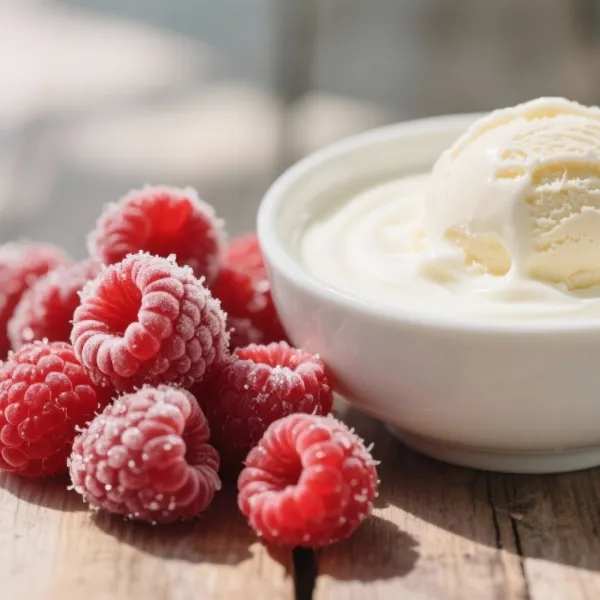
Texture analysis is equally important. Premium frozen raspberries maintain their structural integrity, appearing firm rather than mushy or crystalline. The presence of ice crystals larger than 2mm often indicates temperature abuse, which compromises both texture and nutrient retention.
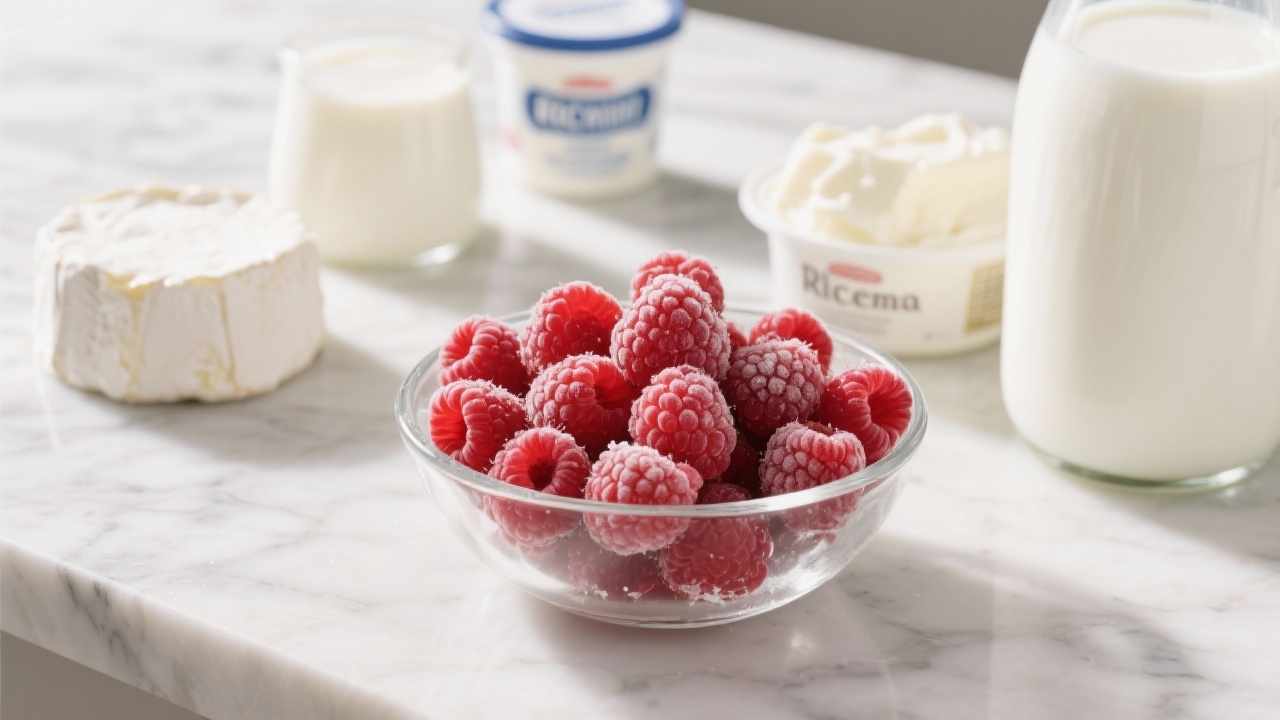
The whole fruit ratio serves as a critical quality indicator in commercial frozen raspberry procurement. Industry standards recognize 95% whole fruit as the gold standard for premium-grade products. This metric reflects not only careful harvesting practices but also the effectiveness of sorting and processing techniques.
"A 95% whole fruit ratio isn't just about appearance—it directly correlates with higher nutritional content and processing efficiency. Our analysis shows that batches meeting this standard require 30% less processing time and yield 15% more usable product than those with lower whole fruit percentages." — Dr. Elena Morris, Food Science Researcher at Institute of Food Technologists
To accurately assess whole fruit ratio, randomly sample 100g from different areas of the container. Count intact berries versus those with significant damage or fragmentation. Reputable suppliers like 亿商桥 implement triple manual sorting processes specifically designed to maintain this 95% threshold, ensuring consistency across every batch.
The freezing process significantly impacts the nutritional profile of red raspberries, particularly their anthocyanin and vitamin C content. Research published in the Journal of Food Science indicates that rapid freezing at -30°C preserves up to 92% of the original anthocyanins, compared to only 68% with conventional freezing methods.
Maintaining a consistent storage temperature of -18°C or lower is equally crucial. Temperature fluctuations as small as 5°C can trigger ice recrystallization, damaging cell structures and accelerating nutrient degradation. Over a six-month storage period, properly frozen raspberries retain approximately 85% of their vitamin C content, whereas those subjected to temperature variations may lose up to 40%.
Effective inventory management begins with implementing a strict first-in, first-out (FIFO) system. This practice minimizes storage time, with optimal shelf life ranging from 12-18 months under proper conditions. Label each pallet with receiving dates and rotate stock accordingly to maintain product freshness.
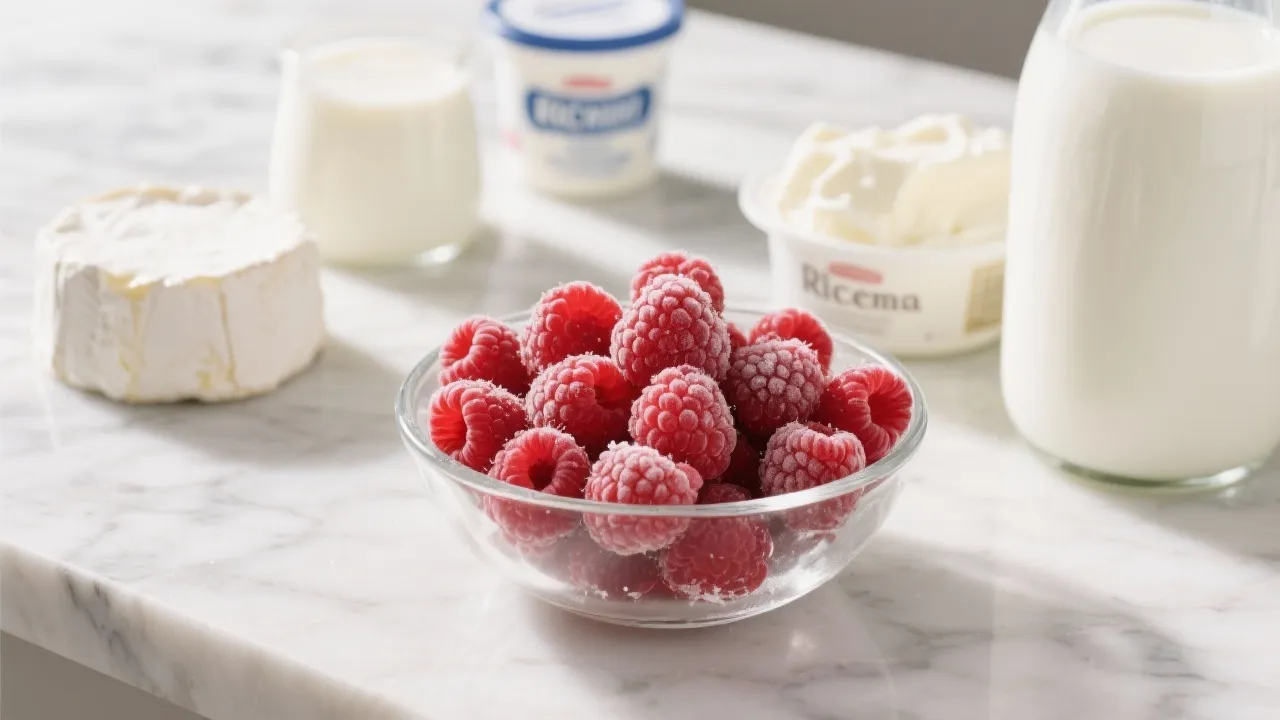
When it comes to thawing, the method directly affects product quality and yield. Controlled thawing at 4°C for 12-16 hours preserves up to 90% of berry integrity, while microwave or room-temperature thawing often results in 20-30% juice loss and texture degradation. For production lines, consider implementing a tempering system that maintains berries at -2°C to -4°C, allowing for partial thawing while preserving structural integrity.
A leading European smoothie manufacturer recently reduced production waste by 28% after implementing stricter quality control measures for their frozen red raspberries. By focusing on whole fruit ratio and proper thawing techniques, they not only improved product consistency but also increased overall yield by 12% within the first quarter.
The key change was switching to a supplier implementing triple manual sorting and maintaining a strict cold chain from harvest to delivery. This resulted in more predictable processing times and reduced the need for secondary sorting at the production facility.

Developing a comprehensive quality control checklist ensures consistency in your frozen red raspberry procurement. Include criteria such as:
Regular supplier audits are equally important. Schedule quarterly visits to production facilities to verify processing standards, particularly focusing on sorting practices and cold chain management. Reputable suppliers will welcome these inspections as an opportunity to demonstrate their commitment to quality.
Experience the difference that triple-sorted, 95% whole fruit ratio frozen red raspberries can make in your products. Partner with a supplier that understands the critical link between raw material quality and end-product success.
Request Your Sample Batch TodayRemember that in the competitive food industry, the quality of your ingredients directly impacts your brand reputation and bottom line. By implementing these assessment techniques and partnering with suppliers who prioritize quality at every stage, you'll not only improve your products but also gain a significant competitive advantage in the marketplace.
_(2).jpg?x-oss-process=image/resize,m_fill,h_600,w_600/format,webp)