In today's fast-paced world, maintaining optimal health has become a priority for many. While we often hear about superfoods, few offer the concentrated nutritional punch of blackcurrants. These small, dark purple berries have been cherished for centuries in Europe and Asia for their exceptional health benefits, and modern science is now confirming what traditional medicine has long recognized.
Frozen blackcurrants, in particular, provide a convenient way to enjoy these nutritional powerhouses year-round. Unlike some fruits that lose significant nutrients during processing, advanced freezing technologies have made it possible to preserve the remarkable nutritional profile of blackcurrants at their peak ripeness.
Blackcurrants stand out among fruits for their exceptional nutrient density. A 100-gram serving of frozen blackcurrants typically contains:
Data based on USDA FoodData Central and European Food Information Council analysis
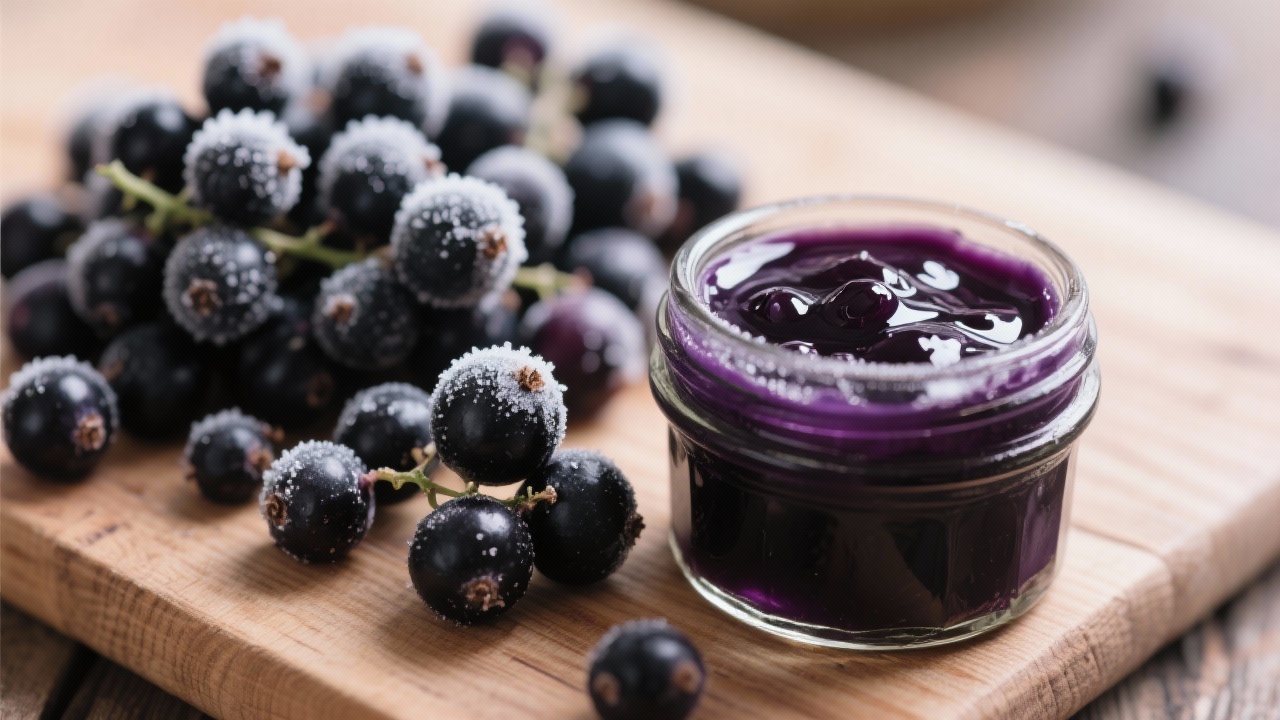
Immune health has taken center stage in recent years, and blackcurrants offer natural support through multiple mechanisms. The exceptional vitamin C content plays a crucial role in supporting immune cell function and collagen synthesis, while also acting as a powerful antioxidant.
A 2019 study published in the Journal of Functional Foods demonstrated that regular consumption of blackcurrant extract increased natural killer cell activity by up to 45% in healthy adults, significantly enhancing the body's first line of defense against pathogens. Another clinical trial conducted at the University of Eastern Finland found that participants who consumed blackcurrant juice daily experienced 30% fewer upper respiratory tract infections during winter months compared to the control group.
The anthocyanins in blackcurrants work synergistically with vitamin C to enhance immune response. These powerful compounds have been shown to modulate immune cell signaling pathways, reducing excessive inflammation while promoting effective immune function against infections.
Our bodies constantly battle oxidative stress from environmental pollutants, poor diet, and normal metabolic processes. This oxidative stress contributes to aging and various chronic diseases. Blackcurrants' rich antioxidant profile makes them an excellent ally in this battle.
The oxygen radical absorbance capacity (ORAC) scale measures a food's antioxidant potential. Blackcurrants score impressively high:
This exceptional antioxidant capacity comes primarily from blackcurrants' unique combination of anthocyanins, flavonols, and vitamin C, which work together to neutralize harmful free radicals throughout the body.
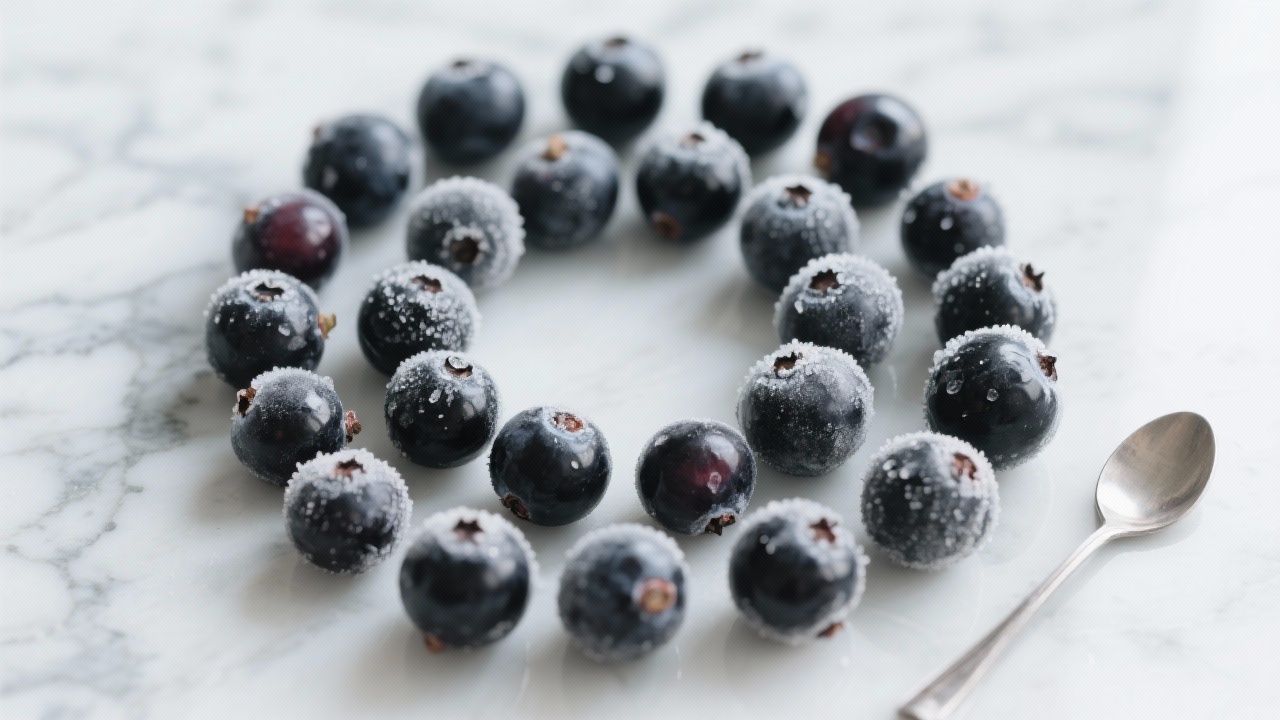
Cardiovascular disease remains a leading health concern worldwide, but emerging research suggests that regular consumption of blackcurrants may help support heart health through multiple mechanisms.
A 2020 study in the American Journal of Clinical Nutrition found that drinking blackcurrant juice daily for four weeks significantly improved endothelial function – the ability of blood vessels to dilate properly – in individuals with mild hypertension. This effect is attributed to the high concentration of anthocyanins, which promote the production of nitric oxide, a compound that relaxes blood vessels.
Additionally, research conducted at the University of Glasgow demonstrated that blackcurrant consumption reduced LDL ("bad") cholesterol oxidation by 23% in healthy volunteers, potentially lowering the risk of atherosclerosis. The berries' potassium content also contributes to blood pressure regulation by counteracting the effects of sodium in the diet.
The key to unlocking blackcurrants' nutritional benefits year-round lies in advanced freezing technology. Not all frozen blackcurrant products are created equal, and understanding the processing methods can help consumers make informed choices.
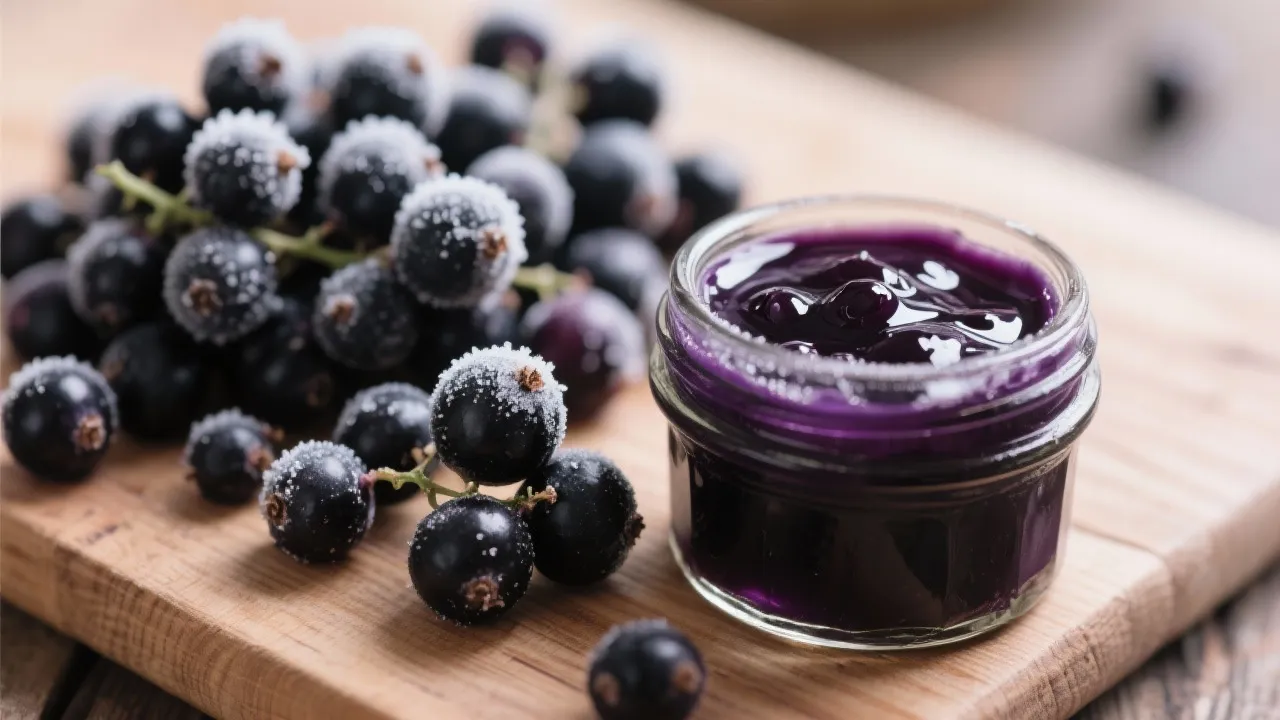
Individual Quick Freezing (IQF) technology represents the gold standard in preserving blackcurrants. This process involves freezing each berry individually within minutes of harvest, at temperatures as low as -30°C (-22°F). This rapid freezing minimizes ice crystal formation, which can damage cell structures and lead to nutrient loss.
When properly frozen using IQF technology, blackcurrants retain up to 95% of their original nutritional content, including heat-sensitive vitamins and delicate anthocyanins. This makes frozen blackcurrants a nutritionally superior alternative to out-of-season fresh berries, which often lose significant nutrients during transportation and storage.
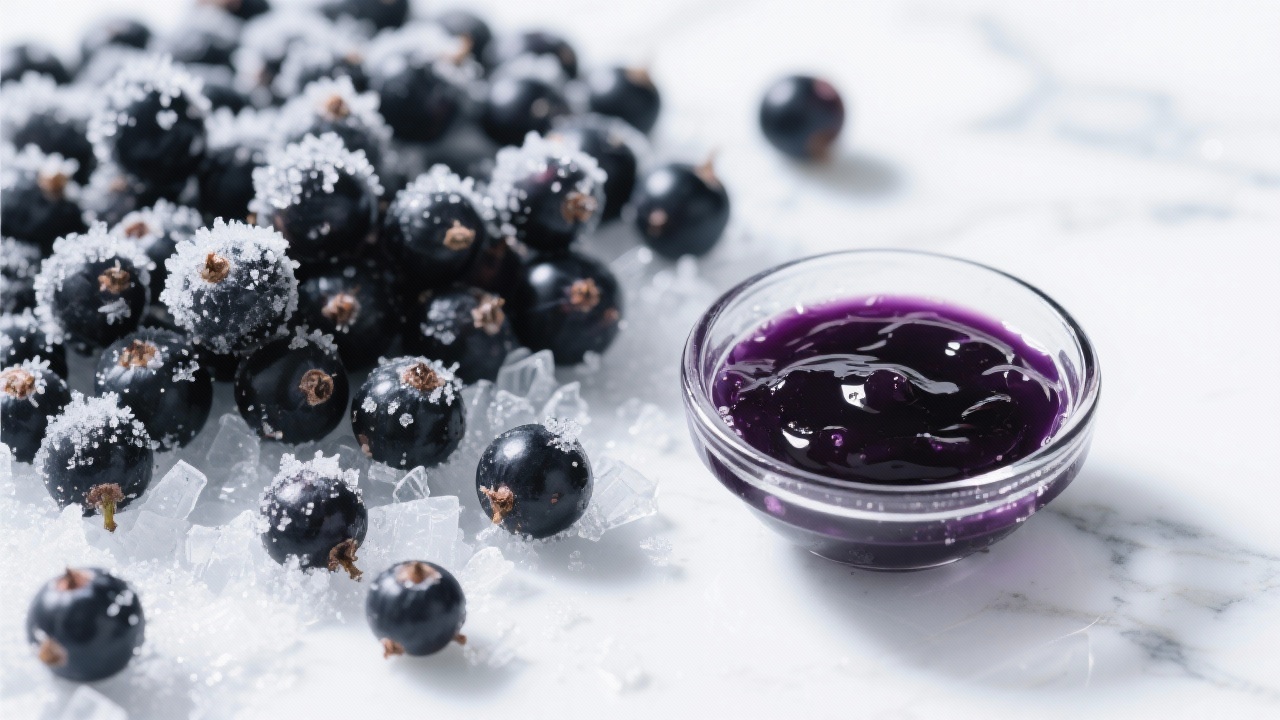
Adding frozen blackcurrants to your diet is simple and versatile. Their naturally tart flavor pairs well with both sweet and savory dishes, making them a flexible ingredient for various culinary creations.
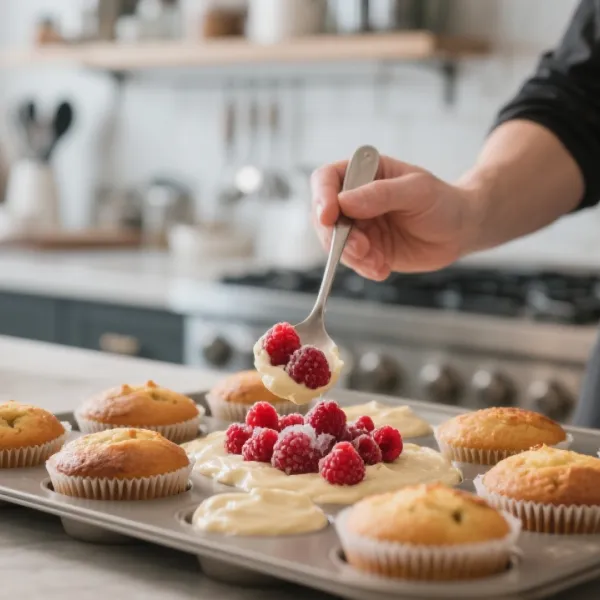
Start your day with a nutrient-packed smoothie by blending frozen blackcurrants with banana, Greek yogurt, and a splash of almond milk. For a quick snack, sprinkle them over oatmeal or granola. They also make a delicious addition to baked goods like muffins and scones, or as a topping for ice cream and desserts.
For savory options, try adding blackcurrants to sauces for game meats or incorporating them into salad dressings for a unique flavor twist. Their vibrant color also makes them an attractive garnish for both sweet and savory dishes.
Experience the exceptional nutritional benefits of IQF-frozen blackcurrants, carefully preserved at peak ripeness to deliver maximum health benefits year-round.
Discover Our Premium Frozen Blackcurrant ProductsWhen selecting frozen blackcurrant products, look for those that use IQF technology and contain no added sugars or preservatives. The berries should appear plump and uniformly frozen, without clumping – a sign of proper IQF processing.
As research continues to uncover the remarkable health benefits of blackcurrants, it's clear these tiny berries deserve a place in a balanced, nutrient-rich diet. Whether you're looking to support immune function, combat oxidative stress, or promote heart health, frozen blackcurrants offer a convenient, cost-effective way to enhance your nutritional intake throughout the year.

_(2).jpg?x-oss-process=image/resize,m_fill,h_600,w_600/format,webp)


.jpg?x-oss-process=image/resize,m_fill,h_600,w_600/format,webp)