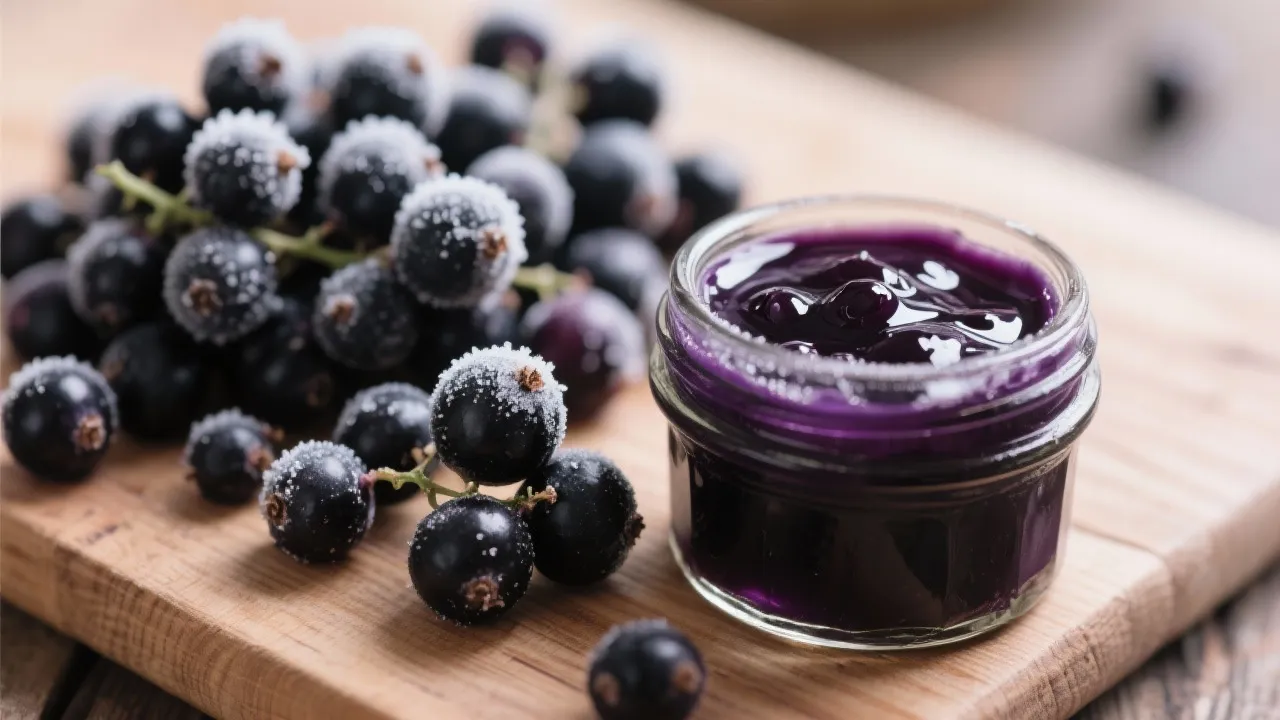
In the competitive world of jam making, achieving consistent quality is a key challenge for producers—from home-based artisans to small-scale startups. Among various fruit choices, black currants stand out for their rich flavor and nutritional profile. This article explores how frozen black currants, processed through advanced quick-freezing technology, play a pivotal role in delivering stable, flavorful jams with preserved nutritional benefits. We will dissect the critical thawing and moisture control techniques that contribute to high-quality jam production, supported by food science insights and practical industry applications.
Black currants are prized for their high vitamin C content—averaging 200mg per 100g, which surpasses many other berries—and abundant anthocyanins, potent antioxidants responsible for their deep purple color. However, these nutrients are highly sensitive to processing and storage conditions. Conventional fresh fruit supply chains often cause nutrient degradation due to delayed processing and temperature fluctuations.
Implementing rapid freezing (blast freezing at -40°C or lower within hours) immediately after harvest locks in these valuable nutrients by halting enzymatic activity and microbial growth. Studies (Journal of Food Science Technology, 2021) report up to 90% retention of vitamin C and anthocyanins with optimized quick-freeze protocols compared to less than 60% retention in chilled fresh fruit after 7 days of storage.
Additionally, sourcing frozen black currants from high-yield, well-managed farms ensures premium whole fruit integrity, essential for consistent jam texture and yield. These regions typically achieve over 95% whole-fruit retention post-freezing, reducing waste and improving cost-efficiency.
One of the biggest challenges in jam production using frozen fruit lies in controlling water release during thawing. Improper thawing methods can cause uneven melting, excessive cellular rupture, and unwanted dilution of sugar concentration, leading to jams with poor texture and reduced shelf life.
Best practices suggest thawing frozen black currants in controlled environments at low, consistent temperatures (approximately 4°C) over 12 to 24 hours to minimize drip loss. This gradual thaw prevents collapse of fruit cells, preserving fruit integrity and reducing free water that would otherwise dilute the jam mixture.
Moisture control techniques include careful drainage of released water before cooking and adjusting added sugar quantities to compensate for residual moisture. Maintaining initial sugar concentrations between 65% and 70% (w/w) in the final product is critical, as sugar acts both as a preservative and texture stabilizer.
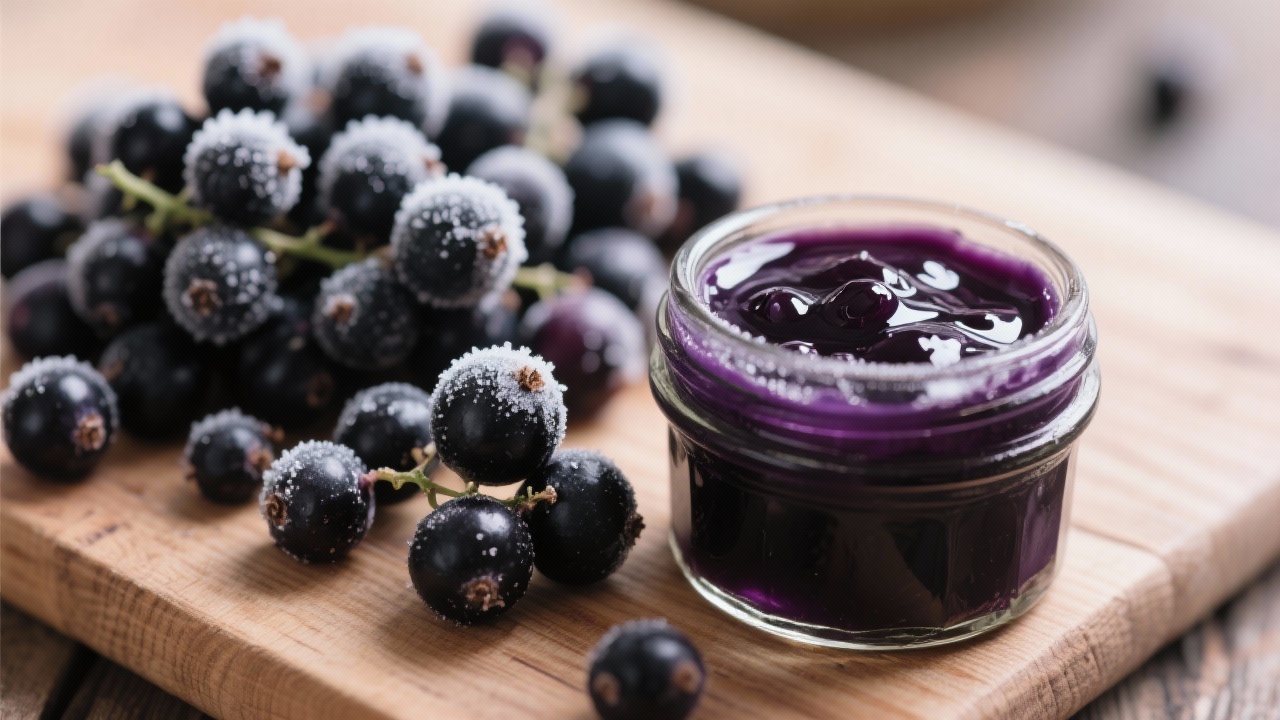
The role of acidity in black currant jam is twofold: it enhances flavor brightness and acts as a microbial inhibitor. Black currants naturally possess a pH of approximately 3.3 to 3.5, which is ideal for jam safety. Producers should monitor pH during jam-making, aiming to keep it below 3.7 to comply with regulatory standards and ensure microbiological stability.
Precise temperature control during cooking is also essential. Sustained heating above 105°C may degrade delicate anthocyanins, darkening the jam and impairing antioxidant benefits. Industry recommended cooking temperatures range from 90°C to 100°C with controlled heating time (typically 15 to 30 minutes) to balance microbial kill-step requirements without compromising nutrient integrity.
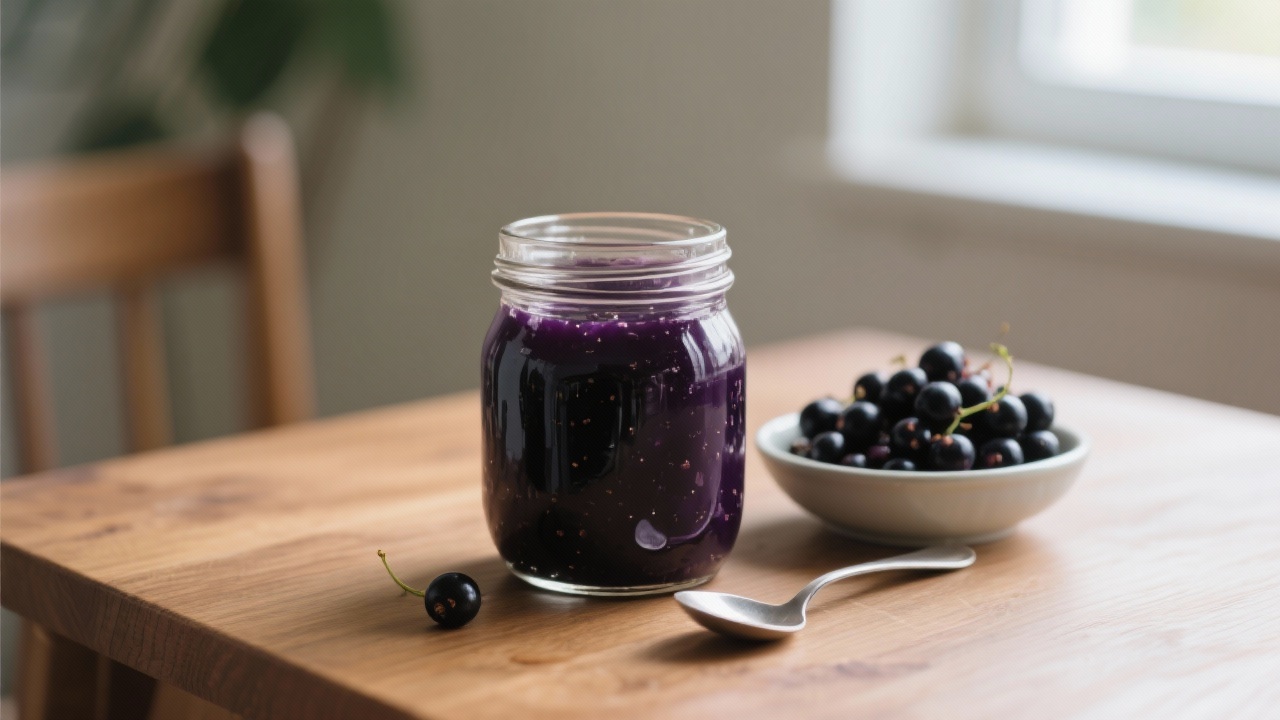
Several myths persist around frozen fruit usage in artisanal jam production. One misconception is that freezing damages fruit texture irreversibly. However, modern rapid-freezing preserves cellular structure better than slow freezing or fresh storage under fluctuating temperatures.
Another fallacy is that jams made from frozen fruit require less sugar, which can lead to inaccurate recipes and unstable final products. Maintaining correct sugar proportions is non-negotiable for preservation and gel formation.
Case studies from European small-scale producers who transitioned to frozen black currants report a 15-20% increase in batch consistency and a measurable reduction of 10% in product waste due to spoilage.
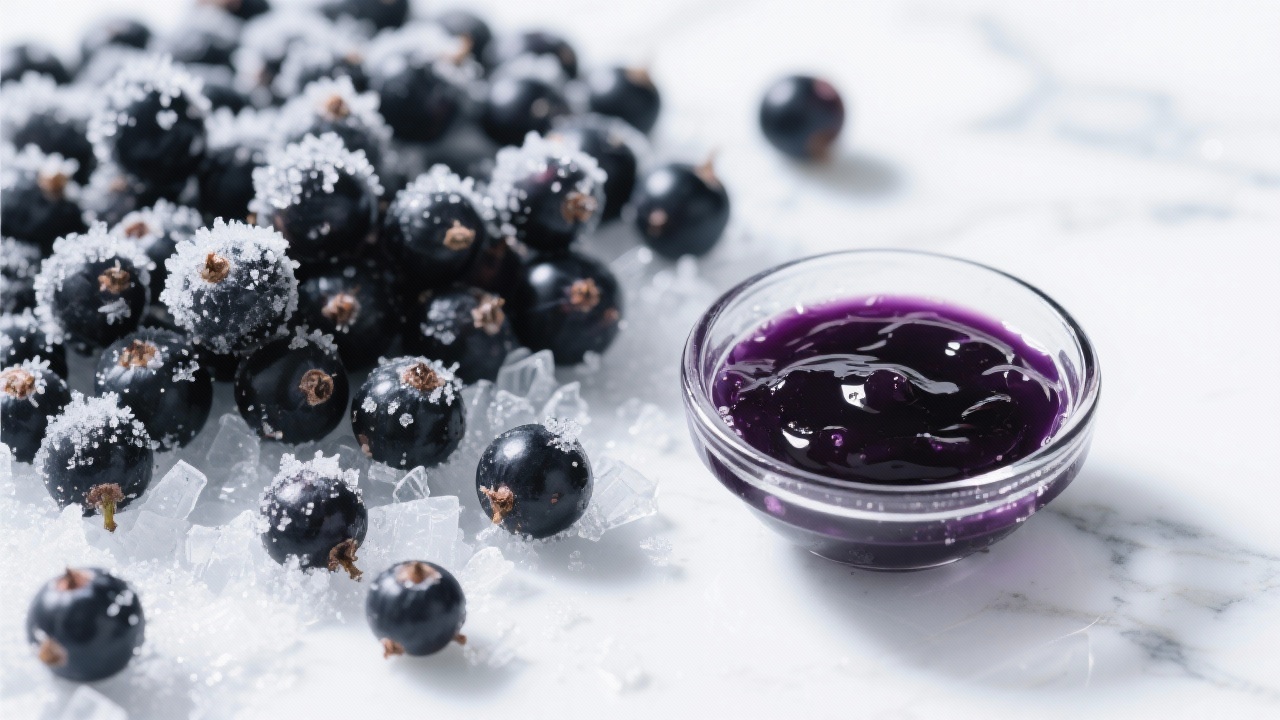
For those looking to refine their jam recipes or explore the benefits of frozen berries, a comprehensive technical whitepaper detailing freezing technologies and workflow optimizations is available.
Share your jam-making experiences with frozen black currants and join the community of quality-driven producers enhancing flavor stability.


_(2).jpg?x-oss-process=image/resize,m_fill,h_600,w_600/format,webp)


.jpg?x-oss-process=image/resize,m_fill,h_600,w_600/format,webp)

.jpg?x-oss-process=image/resize,m_fill,h_600,w_600/format,webp)