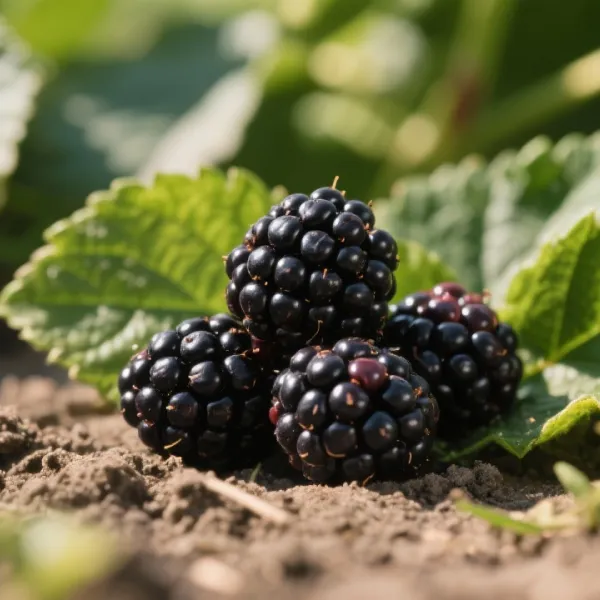
Frozen blackcurrants have become an indispensable raw material for many premium jam brands. Their unique combination of process efficiency, year-round availability, and superior quality control provides food processors and supply chain managers with a strategic advantage in industrial-scale production. This article delves into the multifaceted benefits of frozen blackcurrants compared to their fresh counterparts, underlining their value across jam manufacturing, juice production, and bakery filling applications.
In recent years, the premium jam sector has witnessed a significant shift toward sourcing frozen blackcurrants. Industry data from 2022 reveals that over 60% of high-end fruit preserve manufacturers utilize frozen blackcurrants as their core ingredient, a move motivated by the need for consistent raw material quality and cost reliability. This trend aligns with increasing consumer expectations for natural, high-quality fruit content and minimal additive use.
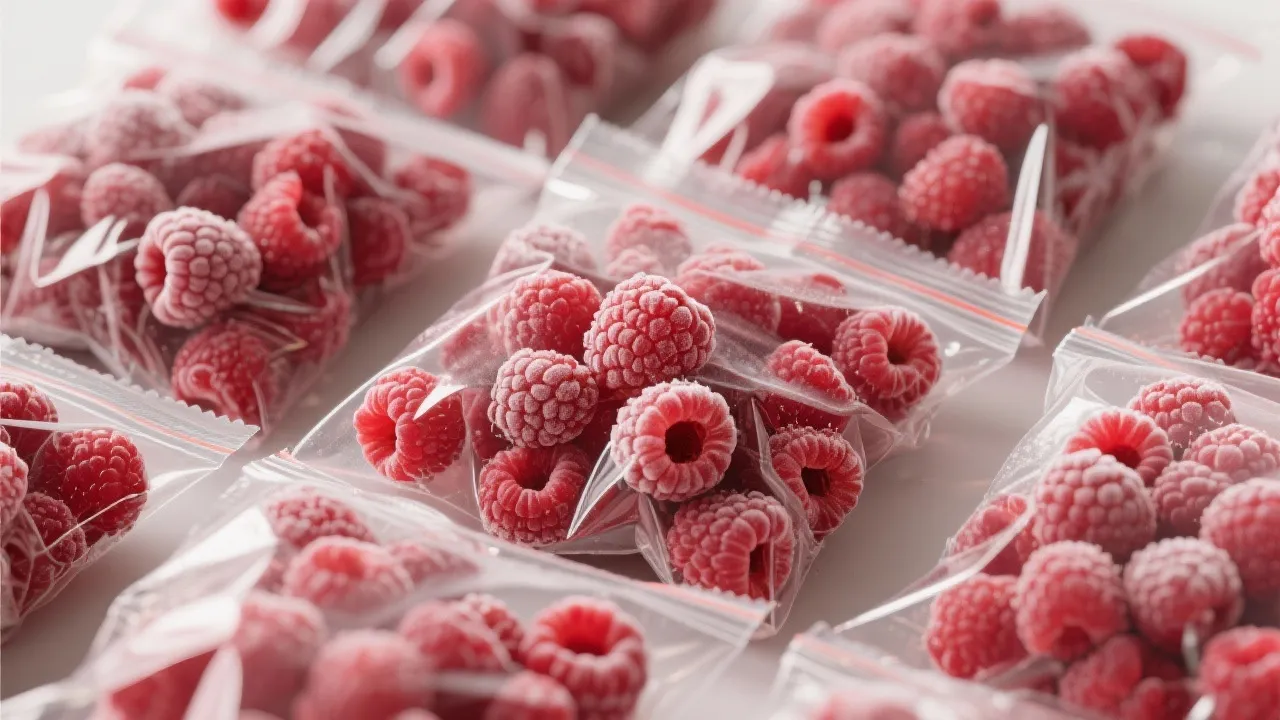
Frozen blackcurrants undergo rapid freezing — typically within 2 hours post-harvest — using individually quick frozen (IQF) technology. This process preserves cellular integrity and flavor compounds more effectively than traditional freezing methods. The average whole-fruit yield (whole fruit rate) for IQF blackcurrants exceeds 95%, markedly reducing the volume of crushed or damaged fruit commonly found in fresh harvest batches.
The application of stringent manual sorting before freezing eliminates substandard berries, ensuring only premium-grade fruit enters production lines. This dual approach of manual sorting combined with quick freezing results in improved consistency, color retention, and antioxidant preservation throughout processing stages.
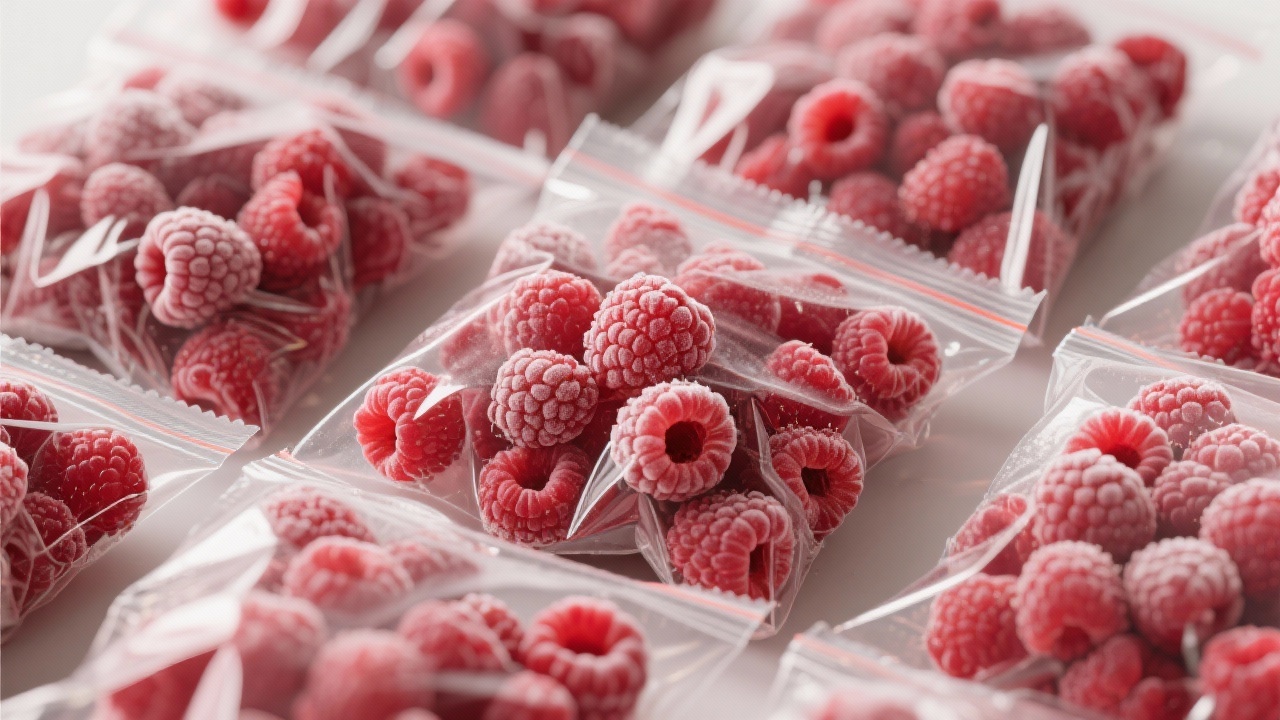
One major advantage of frozen over fresh blackcurrants lies in supply chain stability. Frozen stocks can be stored under optimal conditions for up to 12 months without compromising quality. This alleviates seasonal pressure, allowing manufacturers to plan production schedules with greater precision and reduce the risks associated with price spikes or shortages during peak season.
When compared to fresh blackcurrants, frozen varieties drastically reduce transportation losses. Fresh berries typically suffer a 15-20% loss rate due to spoilage during transit, while frozen blackcurrants maintain their integrity. Additionally, frozen raw materials lower labor intensity and costs in sorting and handling, as pre-sorted IQF products streamline the production workflow.
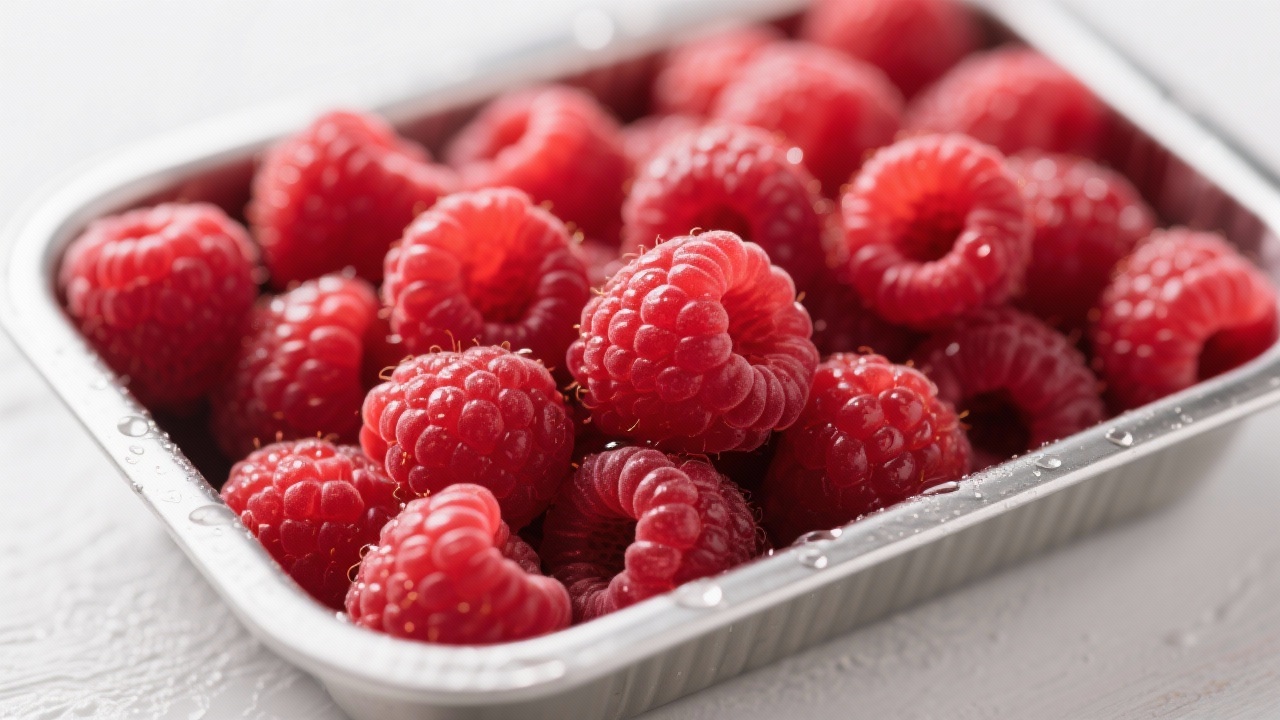
Beyond jams, frozen blackcurrants have notable utility in fruit juice production and bakery fillings. Their preserved flavor intensity and nutrient profile translate into enhanced sensory profiles in juices, delivering both deep color and antioxidant benefits. For baking, frozen blackcurrants act as reliable fillings with controlled moisture content, preventing sogginess and ensuring even heat distribution during baking.
Food technologists value the predictable behavior of frozen blackcurrants during thermal processing, enabling recipe standardization and superior shelf-life outcomes. These attributes are instrumental for industrial bakers aiming to innovate while maintaining strict quality parameters.
Case studies from leading European jam producers consistently report a 12-15% increase in finished product yield and a more uniform taste profile when switching to frozen blackcurrants compared to seasonal fresh fruit batches.


_(2).jpg?x-oss-process=image/resize,m_fill,h_600,w_600/format,webp)


_(4).jpg?x-oss-process=image/resize,m_fill,h_600,w_600/format,webp)