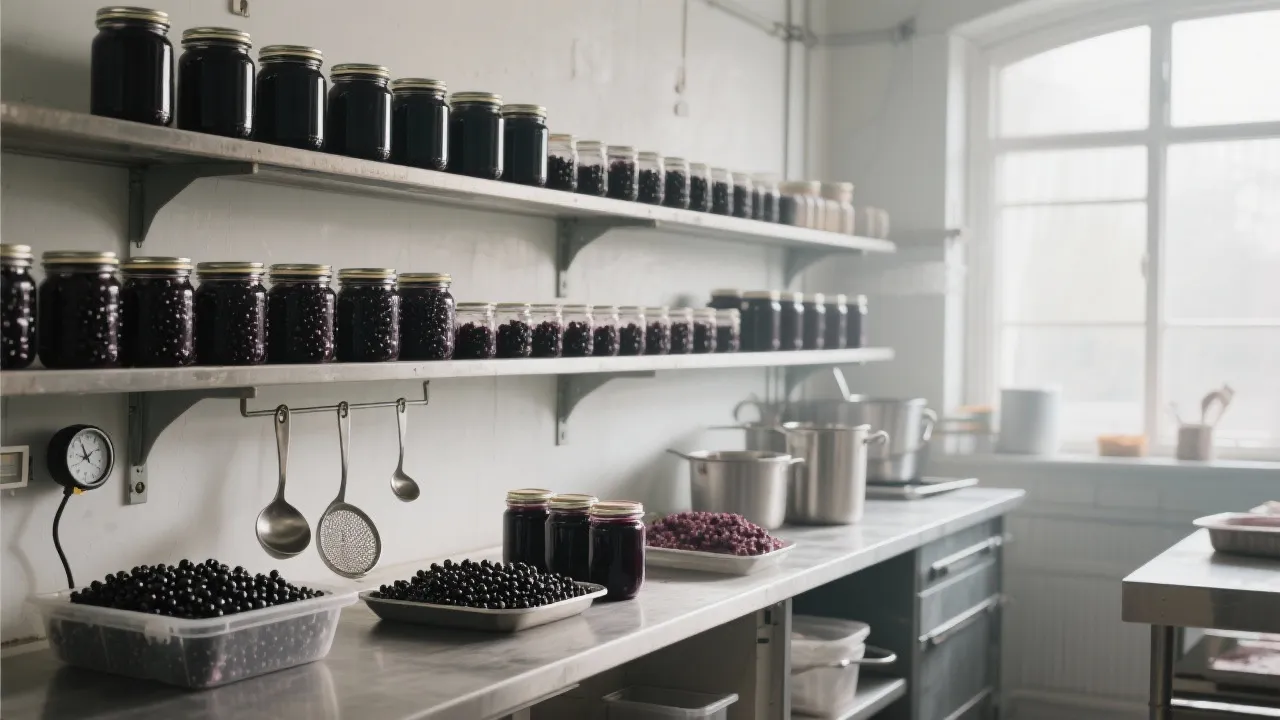
As a family workshop or small - scale producer, you may be seeking ways to make high - quality blackcurrant jam consistently. In this article, we'll explore how frozen blackcurrants can be your ideal choice for jam - making, along with practical steps and solutions to common problems.
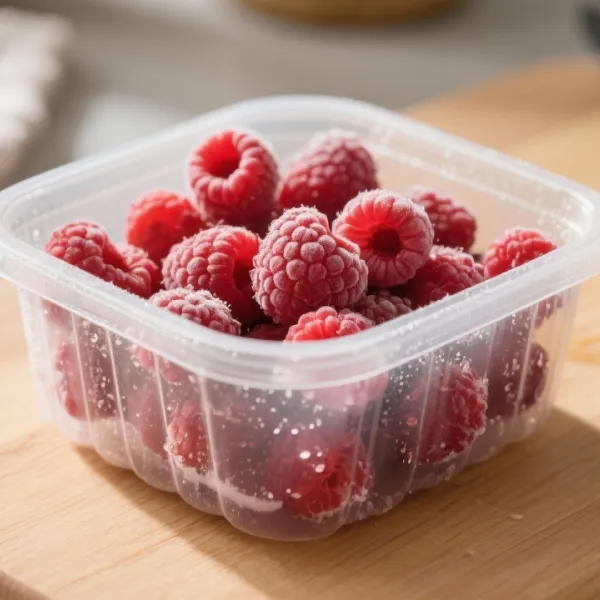
Frozen blackcurrants come with several significant advantages. Firstly, in terms of nutrition, thanks to the quick - freezing technology, they can retain up to 90% of vitamin C and a high level of anthocyanins. This means the jam you make will be rich in antioxidants, which is a great selling point for health - conscious consumers.
Secondly, from a storage perspective, frozen blackcurrants can be stored for up to 12 months at - 18°C, providing you with a stable supply throughout the year. You don't have to worry about the short - season nature of fresh blackcurrants. Moreover, frozen blackcurrants offer better batch - to - batch consistency. With a whole - fruit rate of about 95%, you can expect a more uniform texture and flavor in your jam every time you make it.
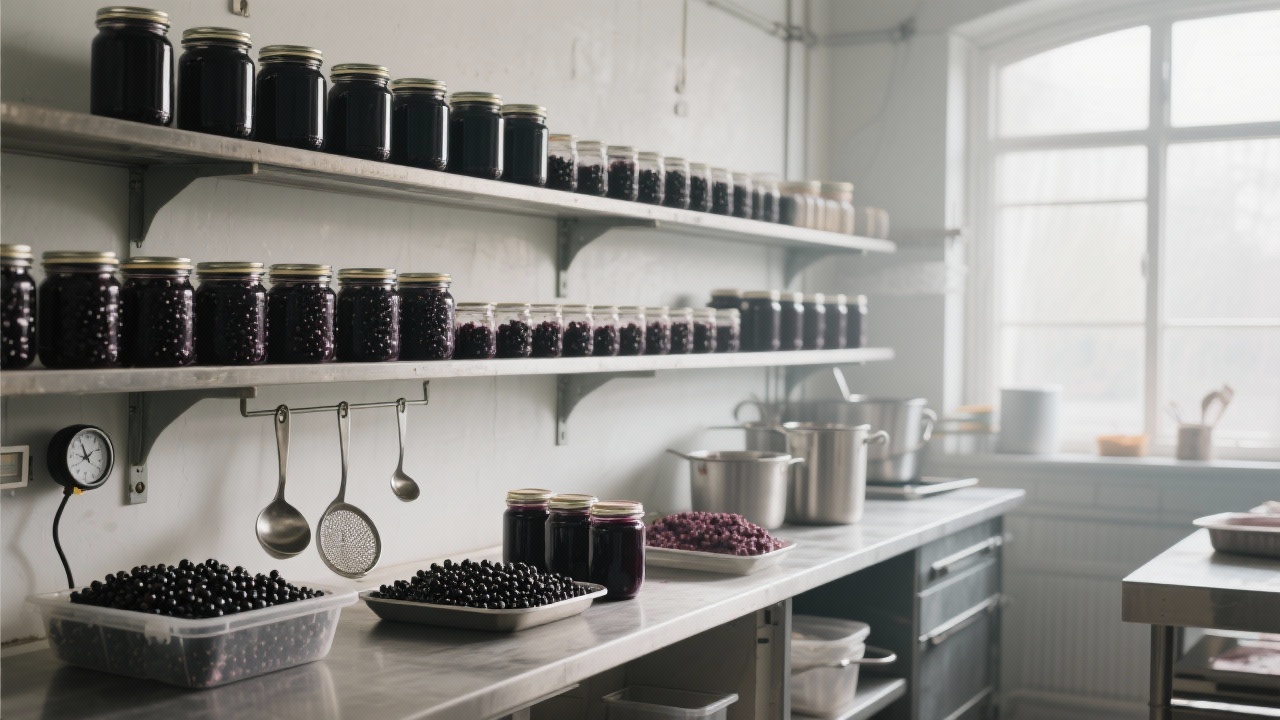
The way you thaw frozen blackcurrants is crucial. It's recommended to thaw them slowly in the refrigerator overnight. This method allows for better control of water release. If you thaw them too quickly, say, at room temperature, the fruit may release excessive water, resulting in a runny jam. A slow - thawed blackcurrant can maintain its structure better during the cooking process.
Tip: You can also use a cold - water bath to speed up the thawing process slightly, but make sure the water is cold to avoid premature water loss.
Adding lemon juice is an important step to adjust the acidity of the jam. Lemon juice not only enhances the flavor but also helps with the gelling process. For every 1 kg of frozen blackcurrants, adding about 50 ml of fresh lemon juice is a good ratio. This will give your jam a pleasant tartness and help it set properly.
The right amount of sugar is essential for both flavor and preservation. A common ratio is 1:1, that is, 1 kg of sugar for every 1 kg of frozen blackcurrants. However, you can adjust this ratio according to your taste preference. If you prefer a less sweet jam, you can reduce the sugar by about 20%, but be aware that this may affect the shelf - life and gelling of the jam.
When it comes to cooking, start with a medium - low heat to dissolve the sugar evenly. Once the sugar is dissolved, increase the heat to medium - high to bring the mixture to a boil. Then, reduce the heat to a gentle simmer. The total cooking time is usually around 20 - 30 minutes, depending on the quantity and the desired thickness of the jam. Stir constantly during cooking to prevent burning.
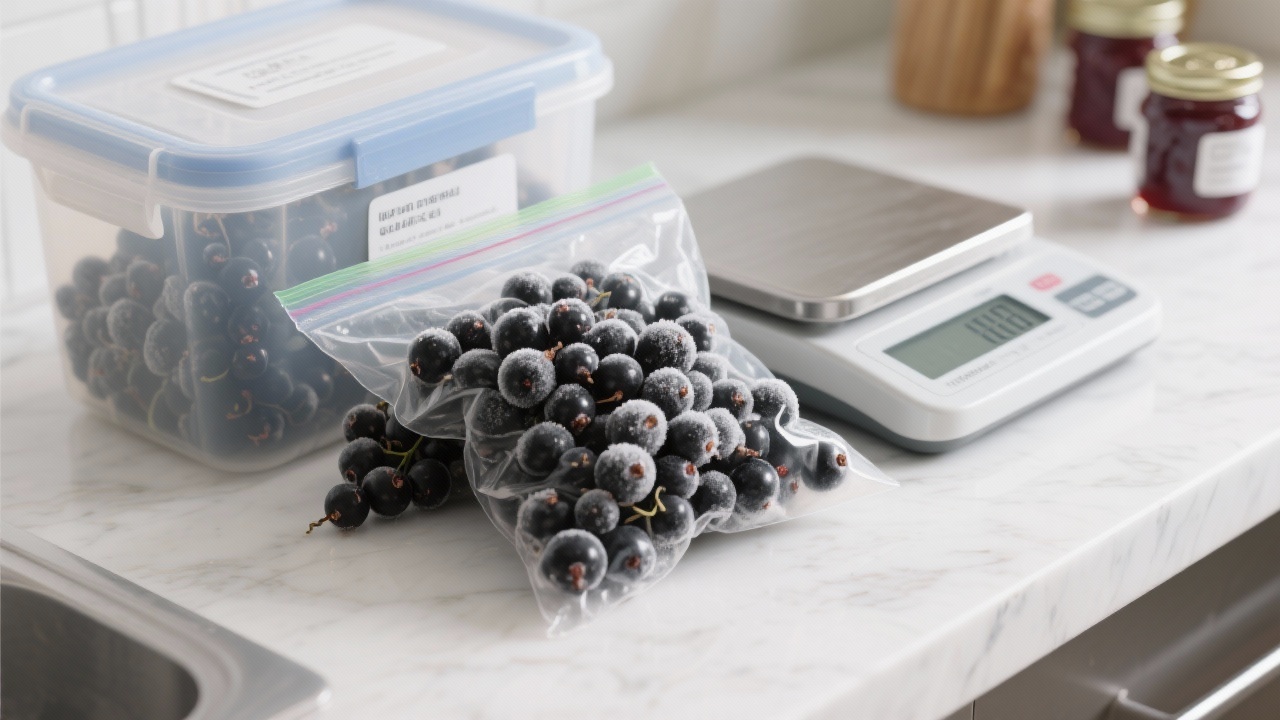
There's a common misconception that frozen fruits can't make good - quality jam. But in fact, the science behind frozen blackcurrants supports their use in jam - making. The quick - freezing process locks in the nutrients and flavor, and with proper handling, you can achieve a jam that is as good as, if not better than, those made from fresh fruits.
Let's look at some real - world examples. A small family workshop in France used to struggle with inconsistent jam quality when using fresh blackcurrants due to the short - season availability and variable fruit quality. After switching to frozen blackcurrants, they were able to produce jam with a consistent flavor and texture all year round. Their production efficiency increased by 30%, and customer satisfaction also improved significantly.
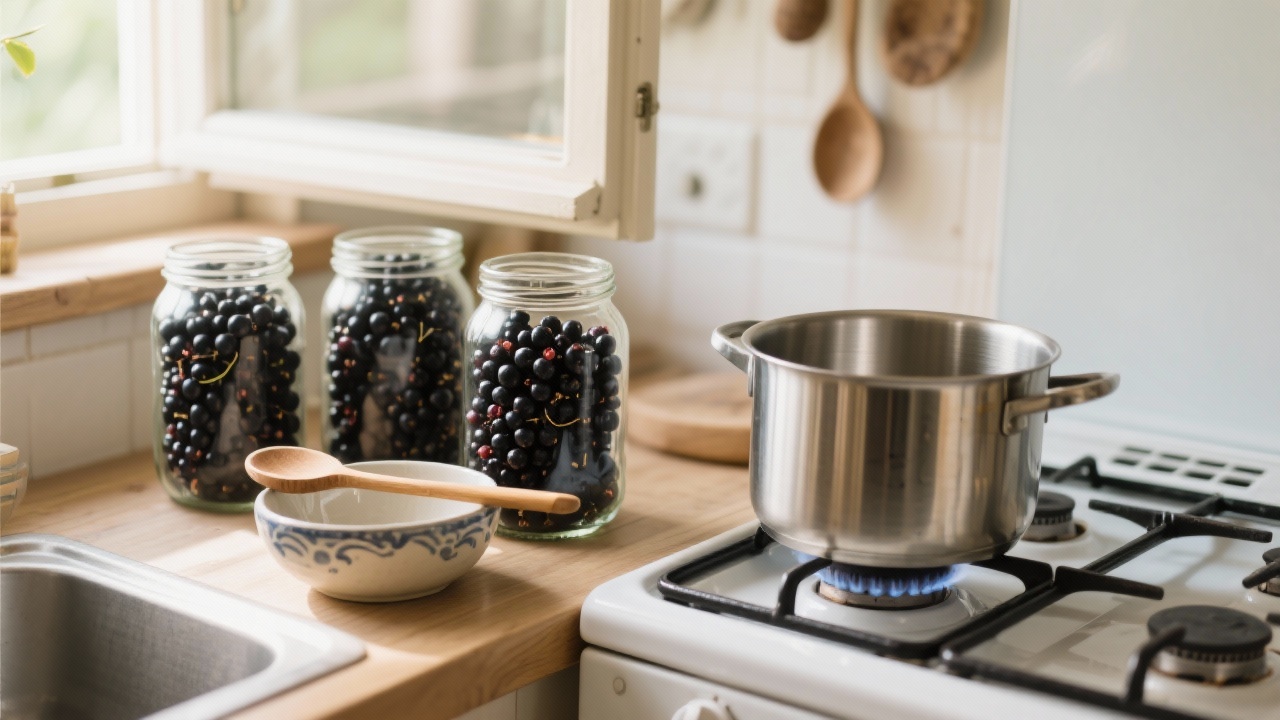
The process of making jam with frozen blackcurrants is highly controllable and replicable, which is especially valuable for small - scale producers. By following these steps and tips, you can produce high - quality blackcurrant jam consistently, enhance your production efficiency, and build a good reputation for your products.
Interested in learning more about the advantages of frozen fruits in food processing? Click here to download our technical whitepaper.


_(2).jpg?x-oss-process=image/resize,m_fill,h_600,w_600/format,webp)




.jpg?x-oss-process=image/resize,m_fill,h_600,w_600/format,webp)
.jpg?x-oss-process=image/resize,m_fill,h_600,w_600/format,webp)