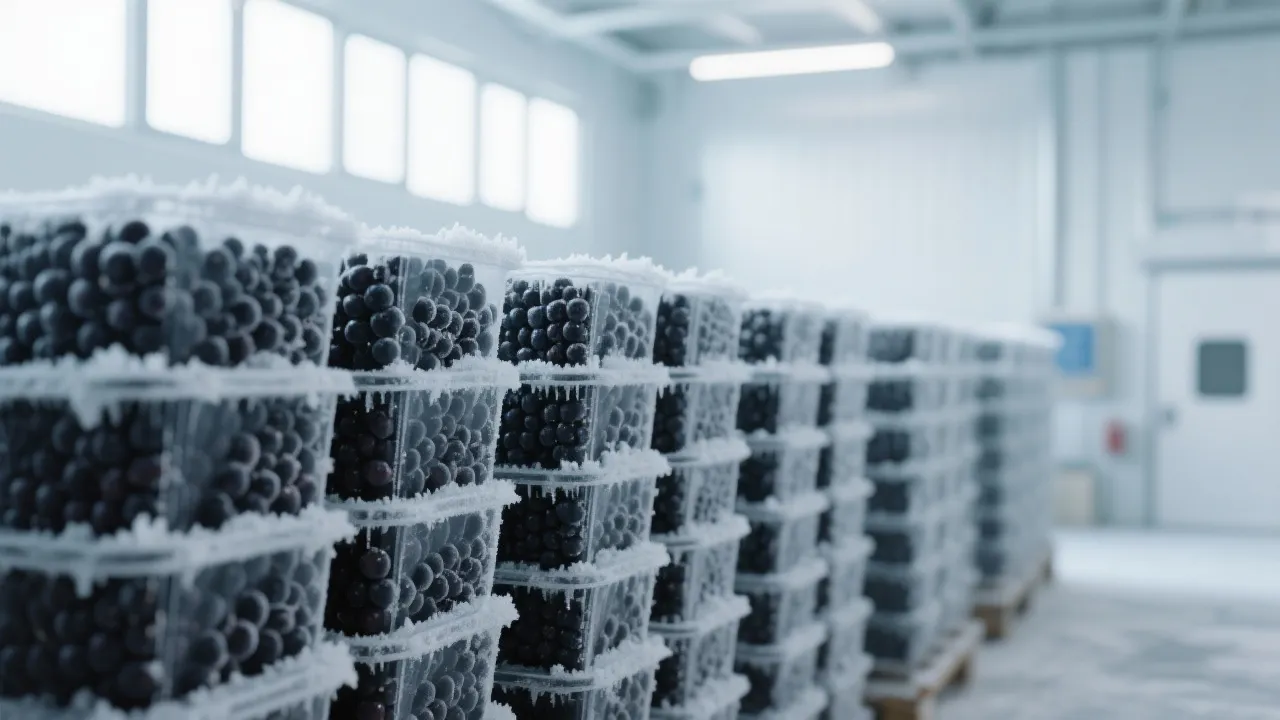
In the competitive realm of fruit preserves, the choice of raw ingredients profoundly influences product quality and consistency. Among fruit types, blackcurrants have emerged as a favorite base for premium fruit jams. Recently, a growing number of export-focused jam manufacturers are adopting frozen blackcurrants over fresh or concentrate forms, driven by advanced freezing technologies and the quest for superior flavor retention and nutritional value.
Data shows that over the past five years, about 65% of export-oriented jam producers in key fruit-growing regions have incorporated frozen blackcurrant raw material into their supply chains. This shift is fueled by demands for year-round availability, stable quality control, and supply chain resilience—critical factors in international markets. The ability of frozen blackcurrants to preserve bioactive compounds like vitamin C and anthocyanins contributes heavily to this trend.
The core technical advantage lies in rapid freezing, or ‘quick freeze technology,’ which minimizes ice crystal formation by rapidly lowering the temperature. This preserves the cellular matrix of blackcurrants, preventing cellular rupture that would otherwise cause juice loss and color degradation.
Key data points:
“Rapid freezing technologies lock the nutritional and sensory qualities of blackcurrants effectively by halting enzymatic degradation and microbial activities immediately.” — Journal of Food Engineering, 2022
For jam producers, mastering handling and processing frozen blackcurrants is essential to capitalize on their benefits. Below are critical control points:
Thaw blackcurrants slowly at 4-6°C to prevent sudden juice loss and cell rupture. Rapid warming leads to water expulsion, which can dilute jam consistency and reduce shelf life.
Introducing sugar post-thaw but before cooking helps stabilize pectin and retain fruit structure. Early sugar addition can increase syrup viscosity, balancing water released during thawing.
Gradually raise temperature to avoid burning pigments. Maintaining medium heat at approximately 85°C ensures optimal gelatinization of pectin without excessive anthocyanin degradation.
Many smaller producers worry frozen fruit may produce inferior color and flavor; however, industry case studies consistently demonstrate that properly frozen blackcurrants enhance product uniformity and reduce batch variability.
For instance, a family jam workshop in northern Europe reported a 20% increase in yield and significant flavor retention after switching to frozen blackcurrants, citing reduced quality complaints and longer storage life.
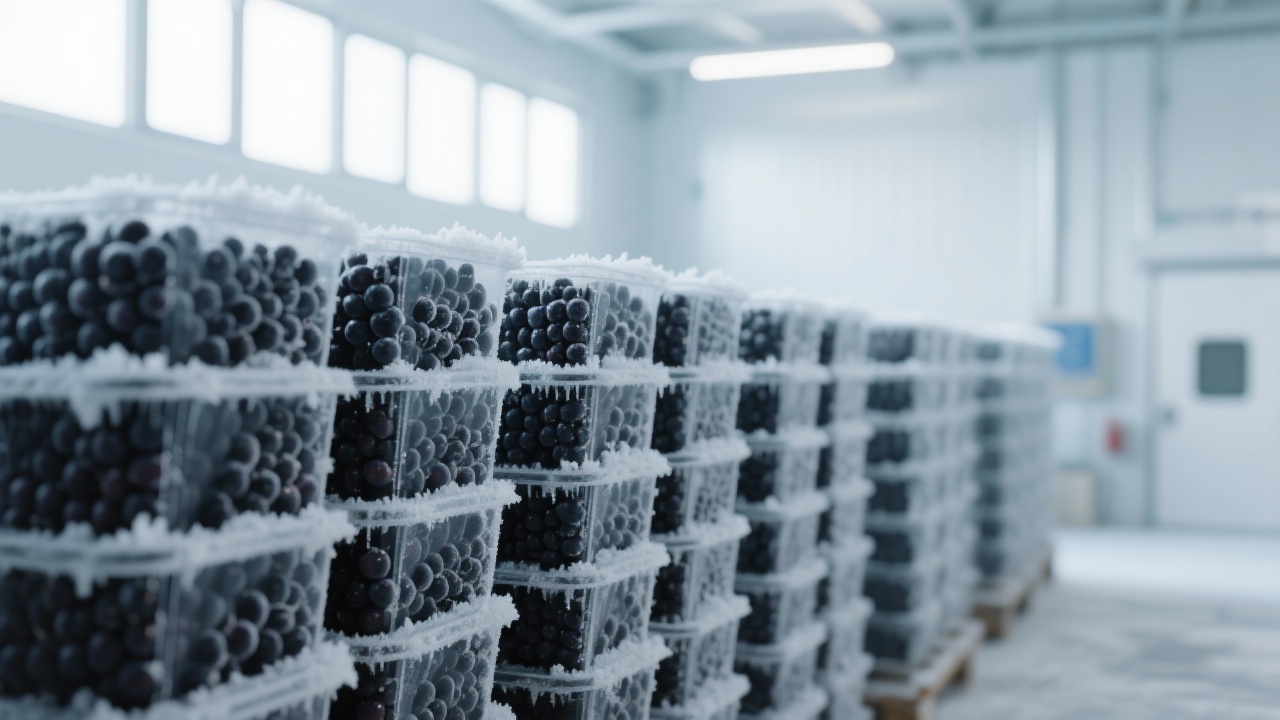
The adoption of frozen blackcurrants supports:
This translates into stronger brand reliability and enhanced market competitiveness—essential for export-driven enterprises.
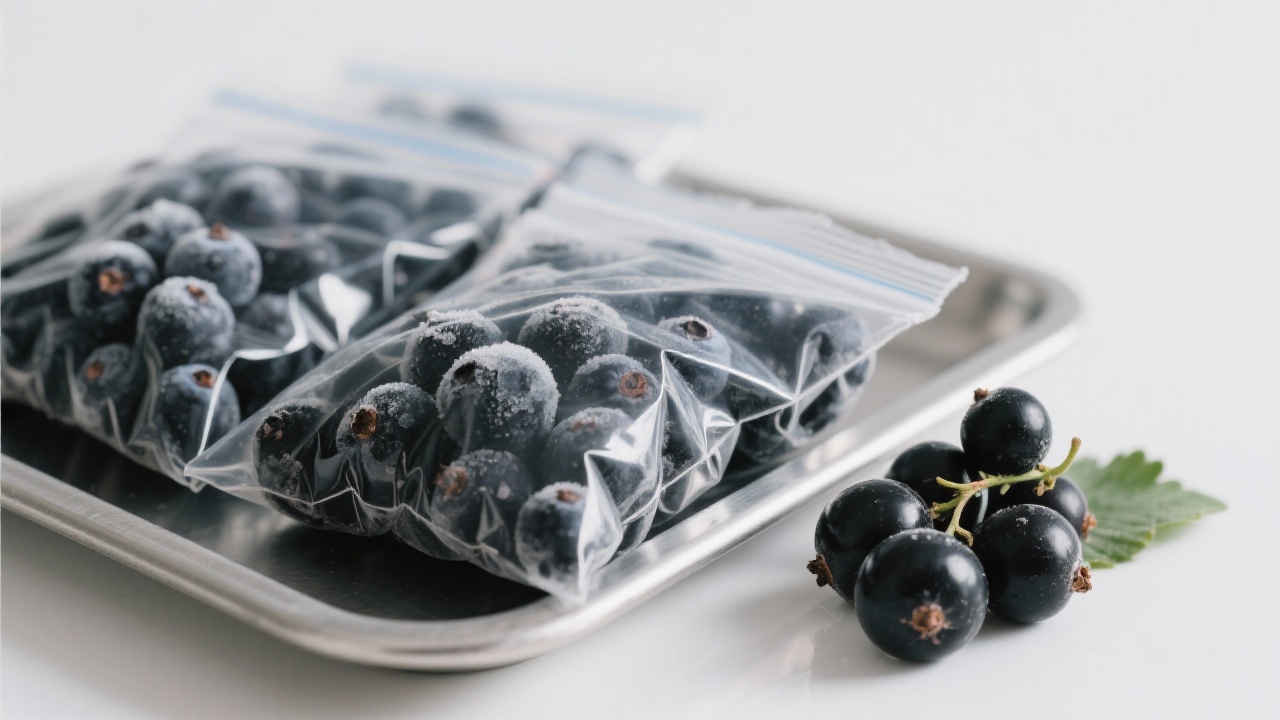
We invite producers at all scales—from home jam makers to mid-sized exporters—to share insights or challenges encountered when working with frozen blackcurrants. Your feedback fosters collective improvement and innovation.


_(2).jpg?x-oss-process=image/resize,m_fill,h_600,w_600/format,webp)


_(4).jpg?x-oss-process=image/resize,m_fill,h_600,w_600/format,webp)
.jpg?x-oss-process=image/resize,m_fill,h_600,w_600/format,webp)


.jpg?x-oss-process=image/resize,m_fill,h_600,w_600/format,webp)