
As a procurement or R&D professional in the food and beverage industry, you know that raw material quality directly impacts your final product's taste, appearance, and market acceptance. When it comes to frozen blackcurrants—a versatile ingredient used in everything from premium jams to functional beverages—making the right sourcing decision can elevate your product from ordinary to exceptional.
Not all frozen blackcurrants are created equal. The processing method fundamentally affects the product's quality and usability. Traditional freezing methods typically use slow-freezing techniques that allow ice crystals to form within the fruit cells, causing structural damage. In contrast, modern flash-freezing technology—operating at temperatures as low as -35°C to -40°C—locks in freshness within 15-30 minutes of harvest.
"Flash-freezing preserves up to 97% of the fruit's original nutritional content, compared to 78-82% retention with conventional freezing methods." — International Institute of Food Technology, 2023 Report
This rapid freezing process creates micro-crystals that minimize cellular damage, resulting in better texture retention, superior flavor, and enhanced color stability—critical factors for food manufacturers aiming for consistent product quality.

Optimal harvesting time directly impacts the blackcurrants' sugar-acid balance, anthocyanin content, and overall flavor profile. Blackcurrants harvested at 85-90% maturity—indicated by their deep purple-black color and slight softening—deliver the ideal balance of sweetness and tartness with maximum nutrient density.
Reputable suppliers implement strict maturity testing protocols, including refractometer measurements for soluble solids (targeting 14-16°Brix) and pH testing (ideal range 2.8-3.2). These objective metrics ensure consistent flavor performance in your end products.
The human element remains irreplaceable in quality control. A rigorous hand-sorting process—ideally performed before freezing—removes underdeveloped, overripe, or damaged berries, as well as foreign materials. Industry-leading suppliers maintain a minimum 98.5% acceptance rate during sorting, meaning less than 1.5% of berries are rejected for quality issues.
This level of scrutiny translates to fewer processing interruptions, consistent batch quality, and reduced waste in your production line. When evaluating suppliers, inquire about their sorting standards and reject protocols—this reveals their commitment to quality.
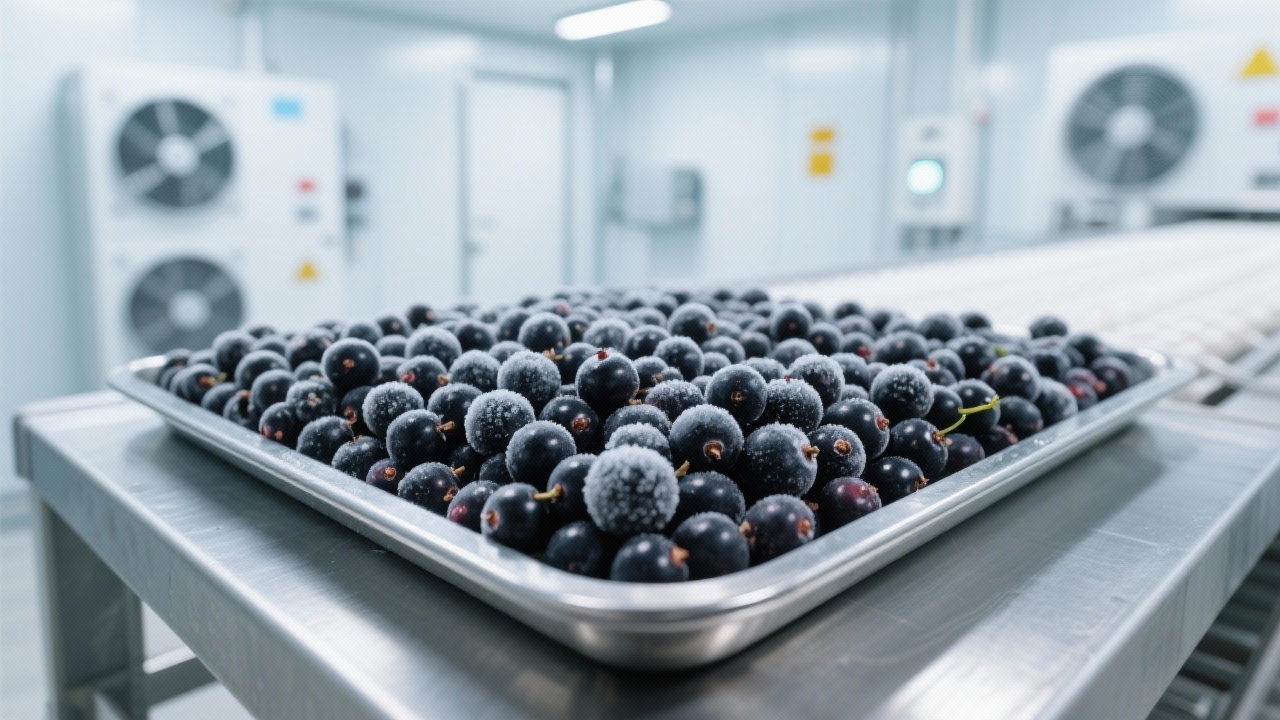
Perhaps the most underappreciated quality metric is the whole fruit rate—the percentage of berries that maintain their structural integrity through harvesting, processing, and freezing. A high whole fruit rate (minimum 90% for premium grades) significantly impacts your bottom line.
When comparing supplier quotes, remember that a lower price per kilogram may hide higher effective costs if the whole fruit rate is compromised. The additional labor, processing time, and waste can quickly erase initial cost savings.
The ideal frozen blackcurrant characteristics vary slightly depending on your application. For jam and preserve manufacturers, a balance of whole and slightly broken berries ensures optimal texture and flavor distribution. Beverage producers may prioritize higher juice yield and anthocyanin content, while bakery applications demand structural integrity to withstand baking temperatures.
Leading suppliers understand these nuances and can provide tailored product specifications. For example, IQF (Individually Quick Frozen) berries offer superior separation and handling characteristics for automated production lines, reducing downtime and improving efficiency.
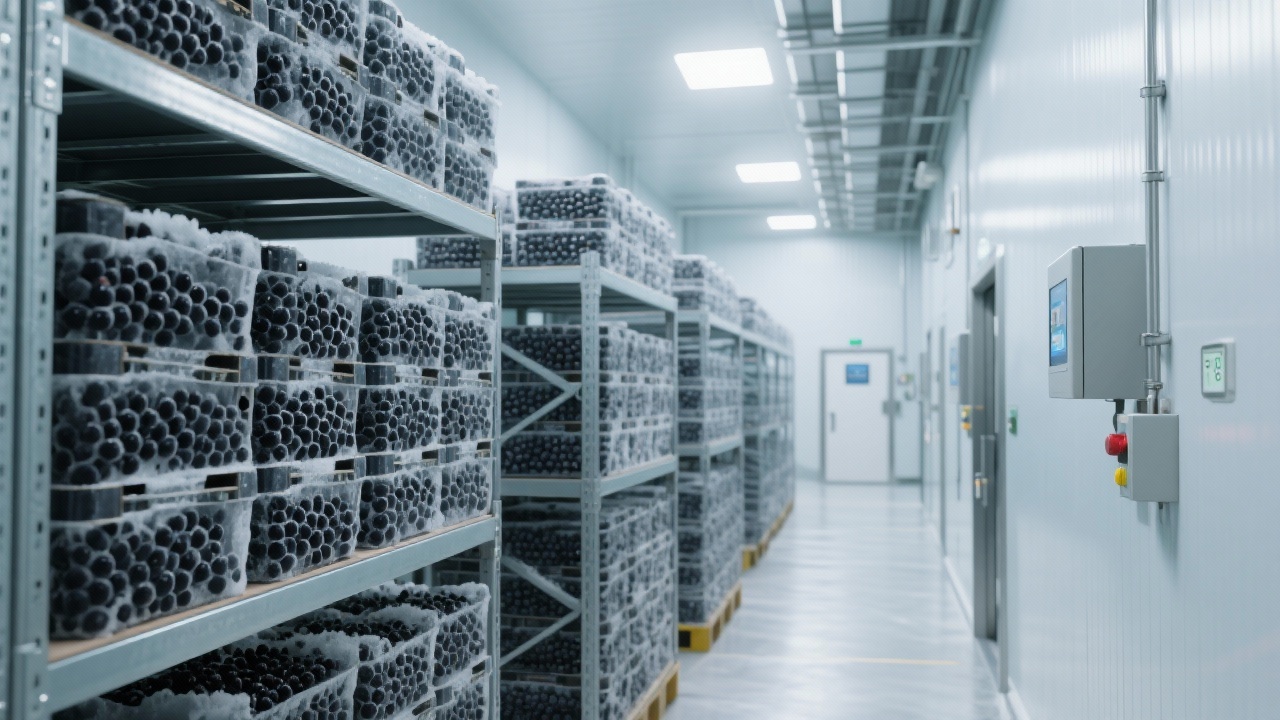
Don't let subpar raw materials limit your product's potential. Let every blackcurrant contribute to your brand's reputation for excellence.
Request Your Free Quality Assessment KitOur kit includes detailed specification sheets, sample evaluation guide, and a comparative analysis template to simplify your sourcing decision.
As you evaluate potential suppliers, remember that the true measure of frozen blackcurrant quality lies not just in appearance, but in how consistently it performs in your specific production process. By focusing on these critical quality indicators—maturity, sorting standards, and whole fruit rate—you'll make sourcing decisions that enhance your product quality, reduce production costs, and ultimately delight your customers.
Look beyond the price tag and prioritize suppliers who demonstrate transparency in their processes and a commitment to consistent quality. Your product development team, production line operators, and end consumers will all notice the difference that premium frozen blackcurrants can make.

_(2).jpg?x-oss-process=image/resize,m_fill,h_600,w_600/format,webp)


_(4).jpg?x-oss-process=image/resize,m_fill,h_600,w_600/format,webp)

.jpg?x-oss-process=image/resize,m_fill,h_600,w_600/format,webp)


.jpg?x-oss-process=image/resize,m_fill,h_600,w_600/format,webp)