In the competitive landscape of food and beverage manufacturing, the quality of raw materials directly impacts product excellence, consumer satisfaction, and ultimately, market success. When it comes to frozen black currants—a versatile ingredient prized for its vibrant color, distinct flavor, and nutritional benefits—discriminating between average and superior quality can make all the difference in product development and brand reputation.
Understanding the fundamental indicators of premium frozen black currants is essential for procurement professionals and R&D teams alike. These indicators serve as the first line of defense against subpar ingredients that could compromise your end products.
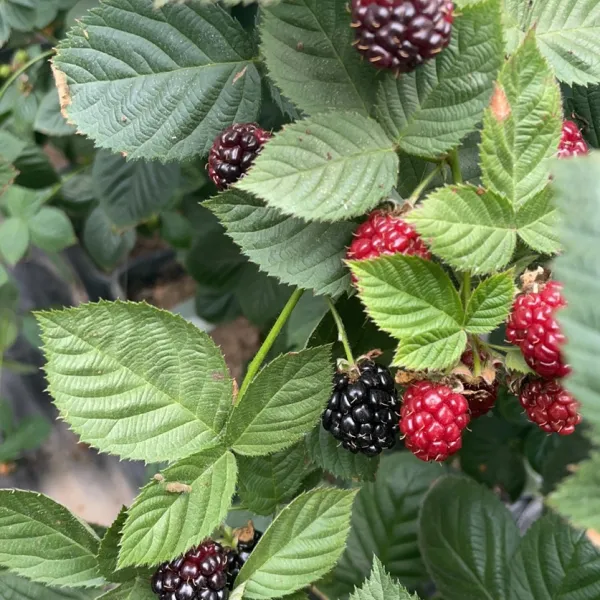
Black currants harvested at peak maturity offer the perfect balance of sweetness and tartness, along with maximum nutrient density. Scientific studies indicate that berries picked at 85-90% maturity contain up to 30% higher anthocyanin levels compared to those harvested prematurely. This critical window typically occurs 70-80 days after flowering, when the fruit skin transitions from green to deep purple-black and the soluble solids content reaches 14-16° Brix.
Industry Insight:
According to the International Berry Institute, properly matured black currants demonstrate 22% higher processing yield and 18% better color retention during thermal processing compared to underripe counterparts.
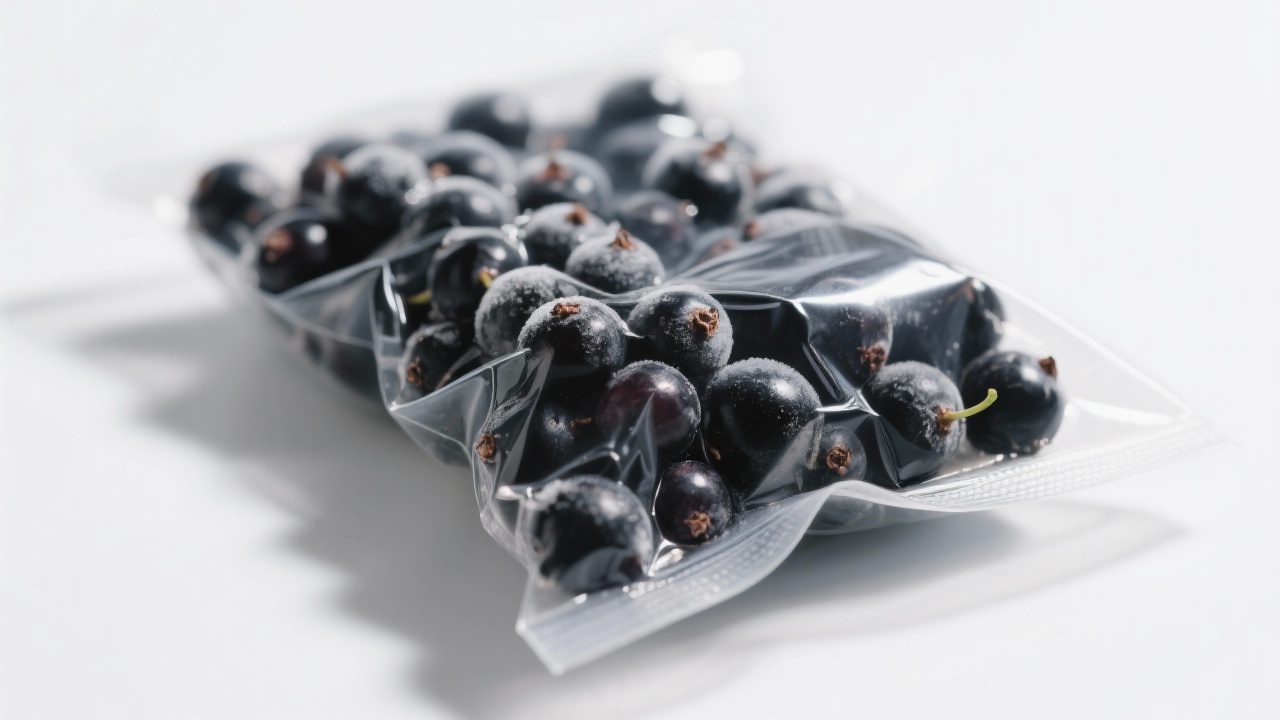
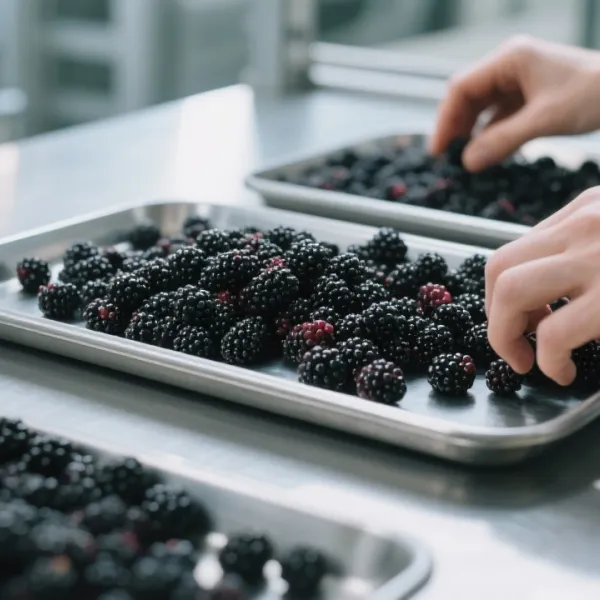
While automated sorting systems play a role in quality control, the human element remains irreplaceable in identifying subtle defects. Premium frozen black currant processors implement multi-stage sorting protocols, typically involving 100% manual inspection by trained specialists. This meticulous process ensures that only berries meeting strict criteria proceed to freezing.
Industry-leading suppliers maintain sorting standards that result in less than 0.5% defective berries, including those affected by disease, insect damage, or mechanical injury. This level of precision directly translates to higher processing efficiency and more consistent end products for manufacturers.
The percentage of whole berries in a frozen black currant product speaks volumes about harvesting techniques and processing care. Superior suppliers guarantee a minimum of 90% whole fruit, with less than 5% split or broken berries and minimal stem or leaf material (less than 0.1%).
This attention to whole fruit integrity is particularly valuable for applications where visual appeal matters, such as premium jams, yogurts, and bakery fillings. Maintaining whole fruit structure also helps preserve nutritional content and flavor compounds during storage and further processing.
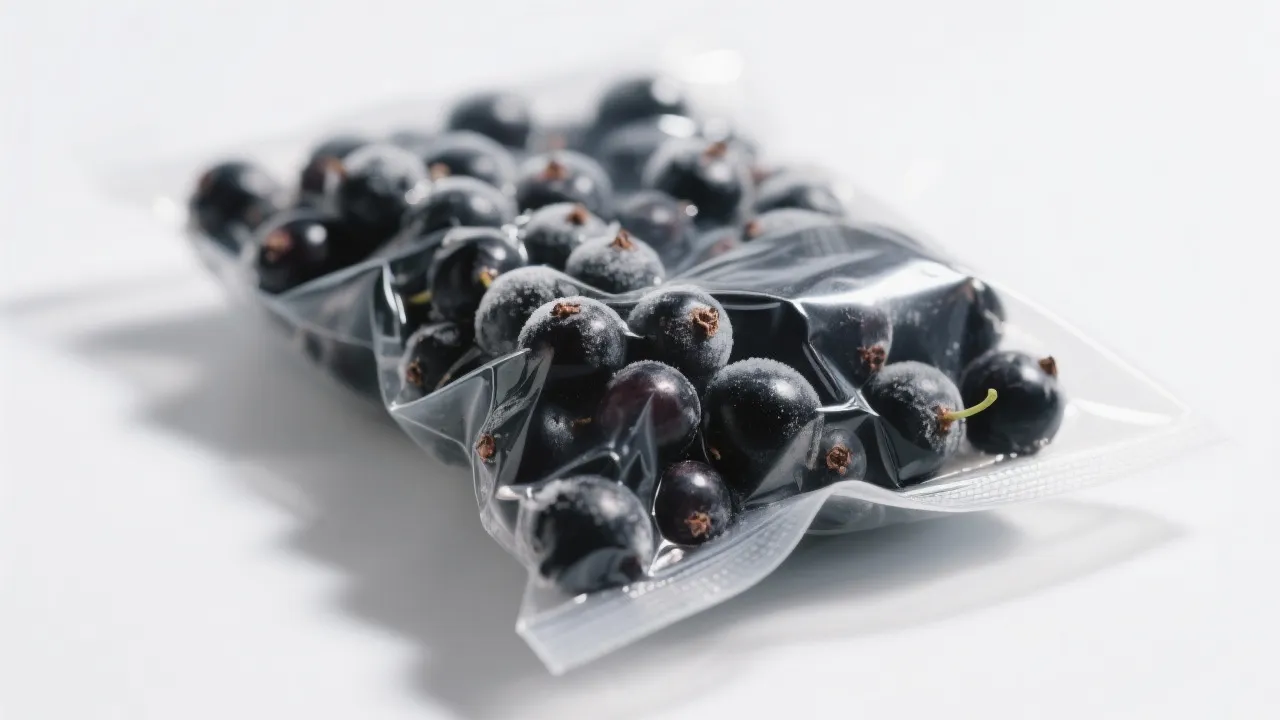
Not all freezing processes are created equal when it comes to preserving the delicate flavor, texture, and nutritional profile of black currants. The method employed directly impacts the quality of the final product and its suitability for various applications.
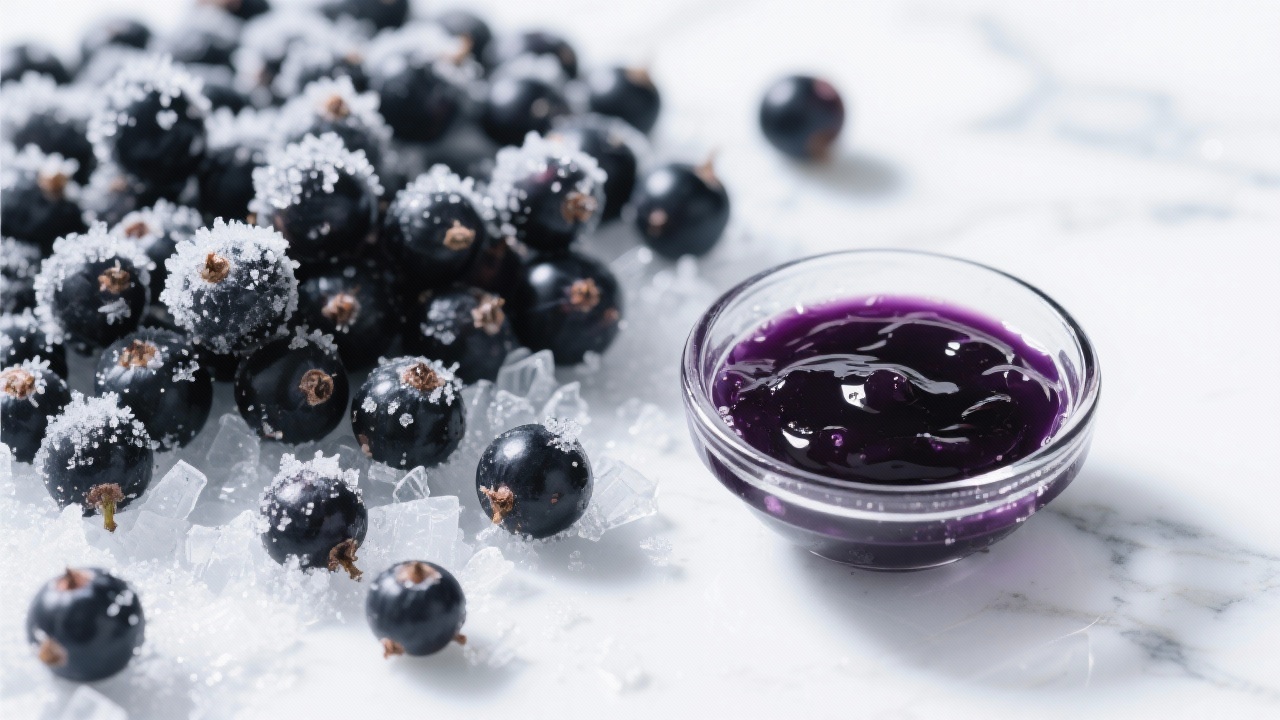
The benefits of IQF technology extend beyond nutrient preservation. Studies conducted by the Institute of Food Technologists demonstrate that IQF frozen black currants retain 28% more natural juice, exhibit 35% better color stability during processing, and maintain superior texture compared to traditionally frozen alternatives.
For food and beverage manufacturers, understanding the unique value proposition of high-quality frozen black currants is key to leveraging this ingredient effectively across product lines.
Black currants are renowned for their exceptional anthocyanin content—natural pigments that provide not only vibrant color but also powerful antioxidant properties. Premium frozen black currants, when properly processed, retain up to 92% of their original anthocyanin content, compared to just 65-70% in lower quality frozen products.
This stability is particularly valuable for manufacturers producing shelf-stable products, as it ensures consistent coloration throughout the product's lifecycle. Additionally, the high vitamin C content (approximately 180mg per 100g) remains largely intact when proper freezing techniques are employed, offering a valuable nutritional selling point for health-conscious consumers.
The unique properties of premium frozen black currants make them suitable for a wide range of applications:
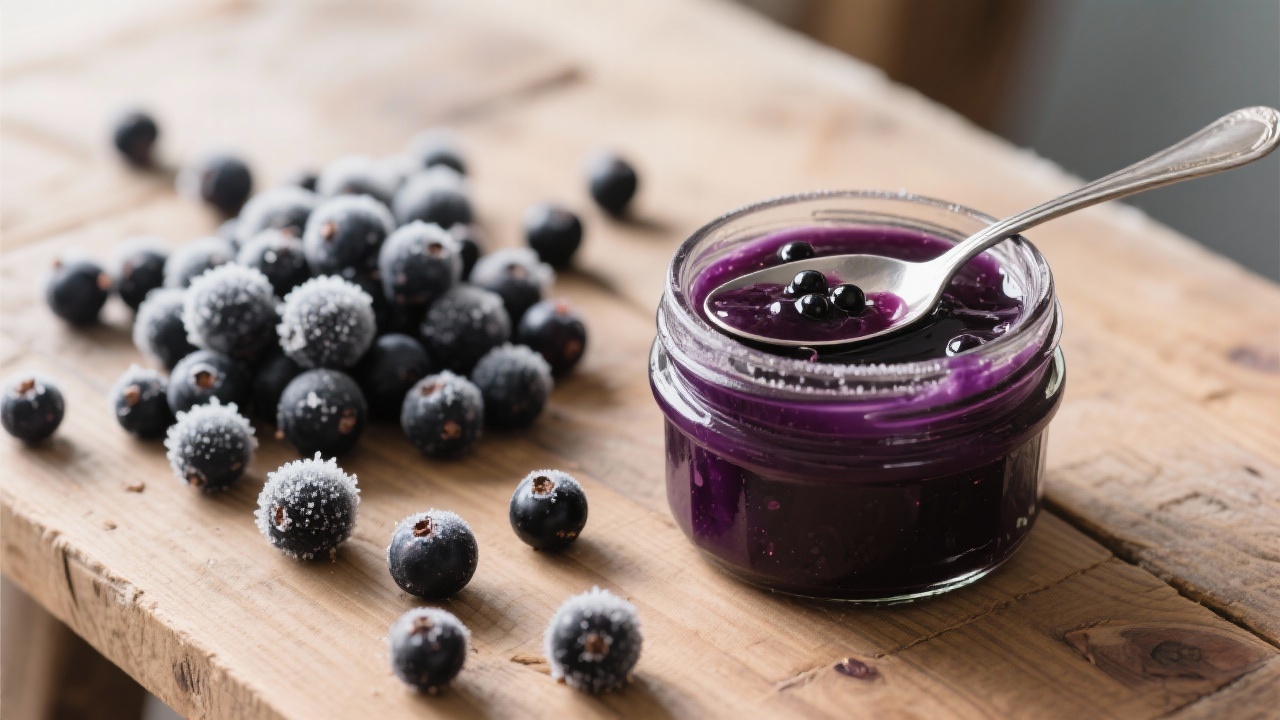
Provides natural color, flavor, and nutritional enhancement to juices, smoothies, and functional beverages with minimal processing required.
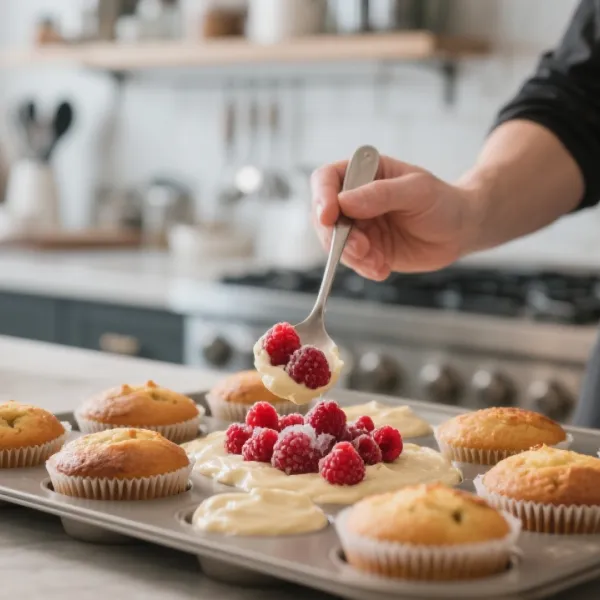
Offers texture and flavor complexity to jams, fillings, and toppings while maintaining structural integrity during baking processes.
Serves as a concentrated source of antioxidants and vitamins for dietary supplements, functional foods, and wellness products.
Manufacturers across these sectors report that using premium frozen black currants reduces formulation costs by minimizing the need for artificial colors, flavors, and fortifiers. Additionally, consumer preference studies show a 23% higher willingness to pay for products featuring high-quality fruit ingredients with proven nutritional benefits.
Gain a competitive edge by ensuring your formulations start with the highest quality ingredients. Our comprehensive resources will help you make informed purchasing decisions and optimize your black currant applications.
As consumer demand for natural, functional ingredients continues to rise, the quality of your raw materials becomes an increasingly critical differentiator in the marketplace. By implementing the quality assessment principles outlined here, food and beverage manufacturers can ensure they're selecting frozen black currants that deliver optimal flavor, nutrition, and performance—ultimately creating products that stand out on store shelves and satisfy discerning consumers.
_(2).jpg?x-oss-process=image/resize,m_fill,h_600,w_600/format,webp)


.jpg?x-oss-process=image/resize,m_fill,h_600,w_600/format,webp)


.jpg?x-oss-process=image/resize,m_fill,h_600,w_600/format,webp)