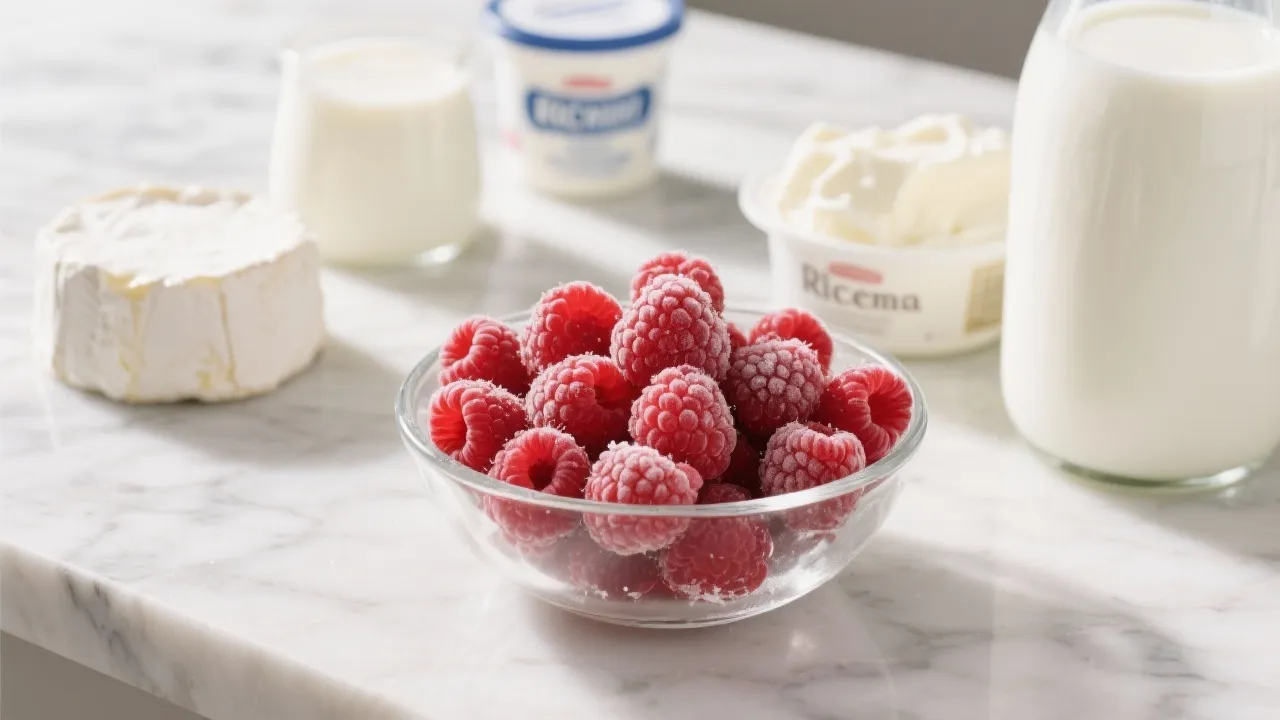
If you run a home-based jam workshop, leveraging frozen black currants can be your secret to consistently producing high-quality jam. Compared to fresh fruit, frozen black currants offer unique advantages in color retention, flavor stability, and nutritional preservation that can elevate your product’s market appeal and shelf life.
Fresh black currants are often prized for their natural aroma and texture; however, their high perishability can create challenges. Oxidation starts soon after harvest, which leads to color darkening and loss of firmness. Conversely, rapid freezing locks in the fruit’s vibrant dark purple color and intense flavor by halting enzymatic reactions. This results in jams with brighter hues, richer taste, and superior consistency that customers appreciate.
Studies show that frozen black currants retain approximately 85-90% of their original vitamin C and up to 80% of anthocyanins (the powerful antioxidants responsible for deep color) if frozen within 4 hours post-harvest. In contrast, jams made from fresh fruit stored for over 24 hours before processing lose up to 30% of these nutrients.
Quick freezing involves lowering the fruit temperature rapidly to -18°C or lower, preventing large ice crystals from damaging cell walls. This method preserves active compounds like vitamin C and anthocyanins by minimizing oxidation and enzymatic degradation.
During jam production, retaining these compounds not only enhances the antioxidant value but also stabilizes the color against heat-induced fading. Your jam will look naturally vibrant and fresh, increasing consumer trust and repeat purchases.
A widespread myth is that “frozen fruit cannot yield premium jam quality.” In reality, food science supports the opposite. Quick freezing maintains more nutrients and flavor compounds than fresh fruit stored for extended periods. When processed correctly, frozen black currant jam can outperform fresh fruit jams in color intensity, flavor uniformity, and nutrient retention.
Another mistake is ignoring thaw water control, which leads to diluted jams. Managing this step carefully prevents watery or separated jams, a frequent cause of customer complaints in small-scale production.
A UK-based small jam producer switched to frozen black currants two seasons ago. By following precise thawing and sugar-adjustment protocols, her jams achieved a 15% improvement in color uniformity and a 10% rise in net yield due to better fruit utilization (approximately 95% whole fruit conversion). Customer feedback noted brighter color and enhanced flavor consistency, propelling her brand into local farmers' markets with repeat buyers.
_(2).jpg?x-oss-process=image/resize,m_fill,h_600,w_600/format,webp)


.jpg?x-oss-process=image/resize,m_fill,h_600,w_600/format,webp)