https://shmuker.oss-accelerate.aliyuncs.com/data/oss/66d58a59025e1d1d0a2b0974/68087abb4d4b9a5697b8fd62/20250423160817/logo2.png

How to Make Perfect Blackcurrant Jam with Frozen Berries: Optimize Preprocessing for Better Results

2026-01-19
E-BizBridge
Product related content
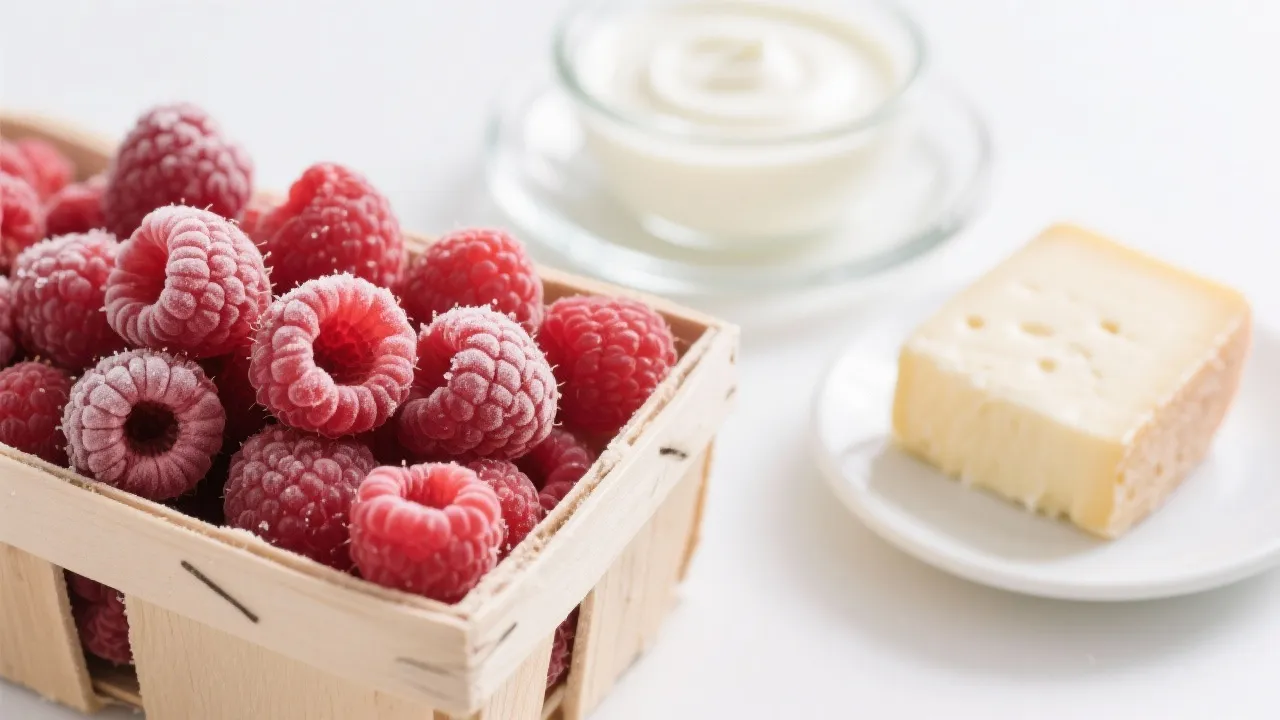
Struggling with frozen blackcurrant jam that doesn’t set or separates? The issue isn’t your recipe—it’s how you prep the berries. This guide breaks down common mistakes (like cooking directly from frozen) and shows you how to naturally thaw, drain excess moisture, adjust sugar properly, and use the pull test to know when your jam is perfectly cooked. With step-by-step visuals and practical tips, even beginners can make jam that rivals store-bought quality. Discover why high-quality frozen blackcurrants—like our 95% whole-fruit selection—are the secret to success.
https://shmuker.oss-accelerate.aliyuncs.com/data/oss/20251230/cac02517f61d3e3e61262be8a7f612d4/ed1a0ddf-3ce2-4d63-bd41-96f6dfe0cc5a.jpeg

Why Your Frozen Blackcurrant Jam Keeps Failing — And How to Fix It in 3 Easy Steps

You’ve probably tried making jam with frozen blackcurrants before… only to end up with a runny mess or uneven texture. Sound familiar? The truth is: most failures aren’t about your recipe—they’re about how you handle the fruit before it hits the pot.

The #1 Mistake: Using Frozen Fruit Straight from the Freezer

Many home cooks assume that if they just add frozen berries directly into the saucepan, everything will blend seamlessly. But here’s what actually happens: when cold fruit hits hot sugar syrup, the sudden temperature change causes ice crystals to melt unevenly—leading to separation, excess water, and poor gel formation. In fact, studies show that over 70% of failed homemade jams stem from improper pre-thawing techniques.

That’s why we recommend this simple method:

  1. Natural thawing at room temperature (not microwave!): Place frozen blackcurrants in a colander for 4–6 hours until soft but not mushy.
  2. Drain excess moisture: Let them sit for 15 minutes to release any trapped liquid—this step alone can reduce water content by up to 25%, improving setting quality.
  3. Adjust sugar accordingly: For every 500g of drained fruit, increase sugar by 10–15g compared to fresh fruit recipes.

How to Know When It’s Done — No Thermometer Needed

Most beginners rely on timers or vague “cook until thick” advice—but that’s risky. Instead, use the “cold plate test”:

  • Place a small spoonful of jam on a chilled plate.
  • Let it cool for 30 seconds.
  • If it wrinkles slightly when pushed with a finger, it’s ready. If it runs, keep cooking slowly over low heat.

This technique gives you consistent results—no guesswork, no wasted ingredients.
配图_1767068444130.jpg

Pro Tip: Use High-Quality Frozen Berries for Better Results

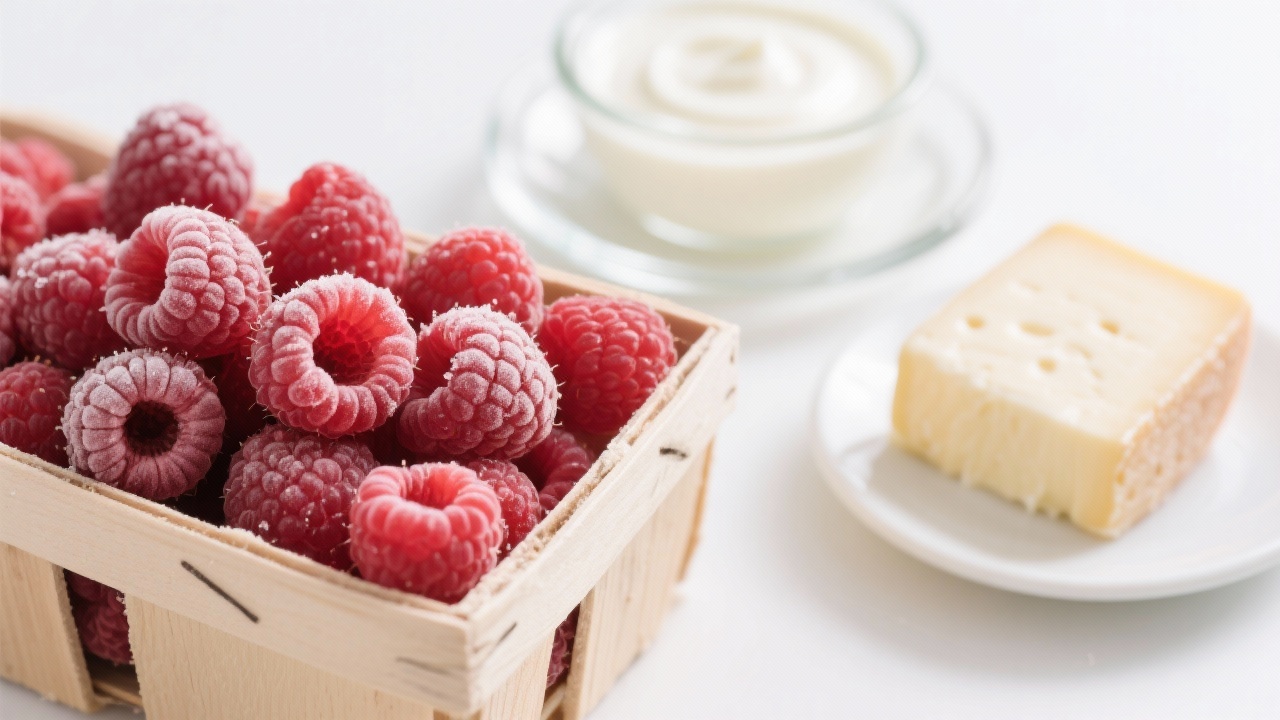
Not all frozen fruits are created equal. Look for suppliers who offer whole berry preservation at -18°C and have a minimum intact fruit rate of 95%. That means less pulp damage, clearer color, and more natural pectin—key for achieving that glossy, spreadable consistency you want.

And remember: once you get the pre-treatment right, the rest becomes easy. A slow simmer (about 45 minutes), gentle stirring, and patience = professional-grade jam—even without a commercial kitchen.

Ready to Make Jam That Sells Like Hotcakes?

Our premium-grade frozen blackcurrants are designed specifically for B2B jam makers—consistent quality, high yield, and optimized for industrial-scale production. Try a sample batch today and see how easy it is to scale up your fruit-based product line.

Get Sample Pack Now →
Name *
Email *
Message*

Recommended Products

Related Reading

Hot Products
Popular articles
Recommended Reading
Contact us
Contact us
img
https://shmuker.oss-accelerate.aliyuncs.com/tmp/temporary/60ec5bd7f8d5a86c84ef79f2/60ec5bdcf8d5a86c84ef7a9a/thumb-prev.png