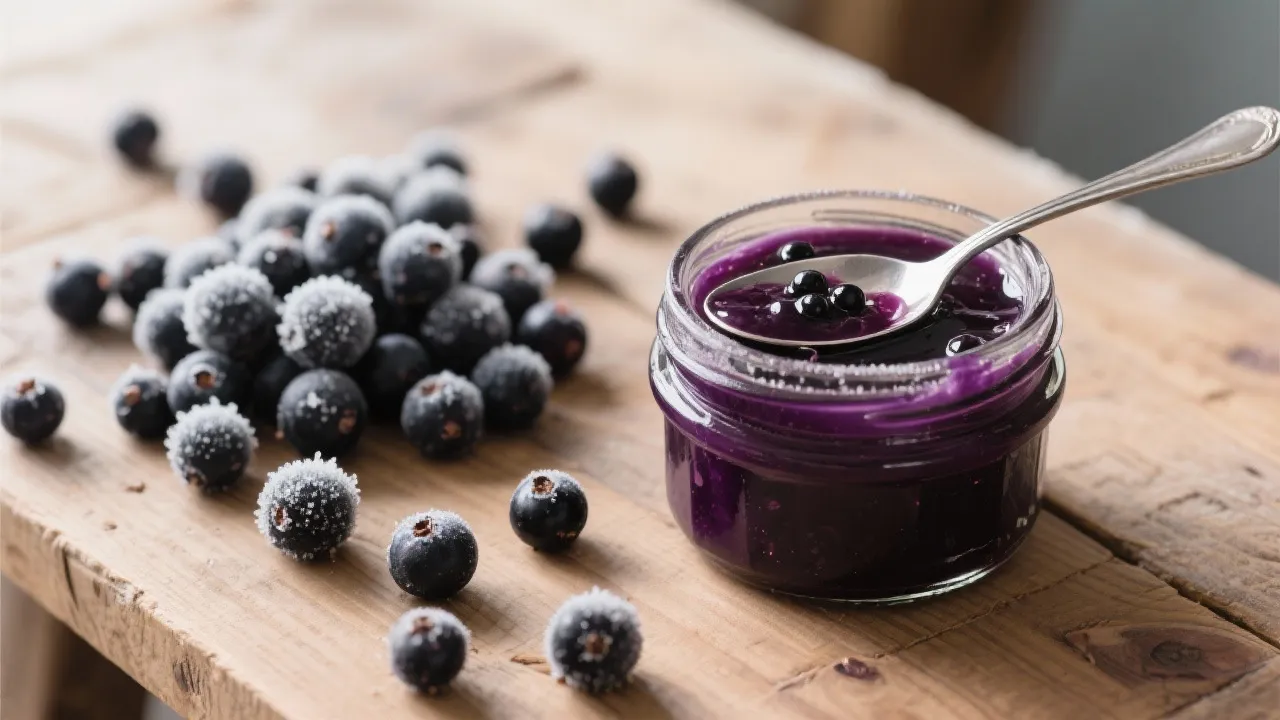
If you've ever wondered whether frozen blackcurrants can deliver jam that rivals fresh fruit in nutrition and flavor, this deep dive will reshape your understanding. Blackcurrants are prized for their rich vitamin C and anthocyanin content—key antioxidants that contribute to both health benefits and vibrant color. However, concerns about nutrient loss during freezing and jam preparation have long deterred small producers and home cooks alike from using frozen berries. Today, we address these doubts with scientific insights and practical tips — empowering you to make jam that’s not only delicious but nutritionally superior.
Freezing blackcurrants immediately after harvesting locks in up to 95% of their nutritional value, including vitamin C and anthocyanins, contrary to the common belief that freezing depletes nutrients. Fresh berries, although ideal in theory, often face delays before processing, leading to a 15-20% drop in vitamin C levels due to enzymatic degradation. In contrast, flash freezing preserves the fruit’s cell structure, preventing enzymatic activity and oxidation.
| Parameter | Fresh Blackcurrants | Frozen Blackcurrants (Flash-Frozen) |
|---|---|---|
| Vitamin C Retention | ~75-80% | ~95% |
| Anthocyanin Stability | Moderate degradation due to handling | Minimal degradation if frozen quickly |
| Color Preservation | Good if processed immediately | Enhanced vibrancy after thaw |
The magic lies in the rapid temperature drop during flash freezing, which halts enzymatic reactions responsible for nutrient degradation. Vitamin C, being water-soluble, is particularly sensitive to oxidation. By freezing, we significantly reduce oxygen exposure and inactivate polyphenol oxidase enzymes. Additionally, the structure of anthocyanins, responsible for the rich purple color, is better preserved, giving your jam that signature glossy, vibrant hue.
Following these steps can improve your jam’s yield by up to 10% and enhance flavor consistency across batches.
Many believe frozen berries must be fully thawed before cooking, but this leads to nutrient leaching and inferior texture. Partial thawing maintains fruit firmness and nutrient profile. Additionally, while some think freezing destroys vitamin C, data shows a higher retention compared to delayed fresh processing. Finally, carefully adjusting acidity during cooking is key—too little or too late introduction of lemon juice results in dull color and flavor fade.
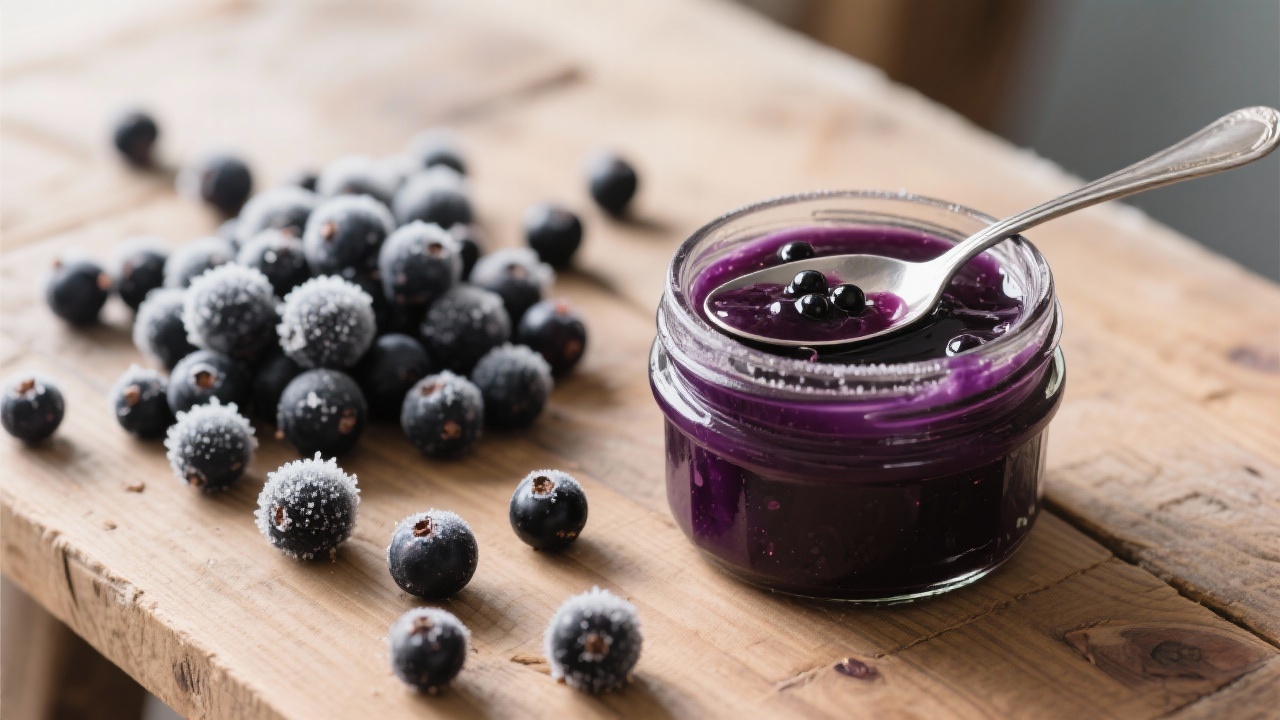
A boutique jam producer in Northern Europe switched exclusively to frozen blackcurrants after initial hesitations. With process adjustments aligned to the steps above, they reported a 15% increase in overall anthocyanin retention and a more consistent color batch to batch. Customer feedback highlighted improved jam brightness and the “fresh-from-harvest” taste, directly attributing to the precise handling of frozen fruit.
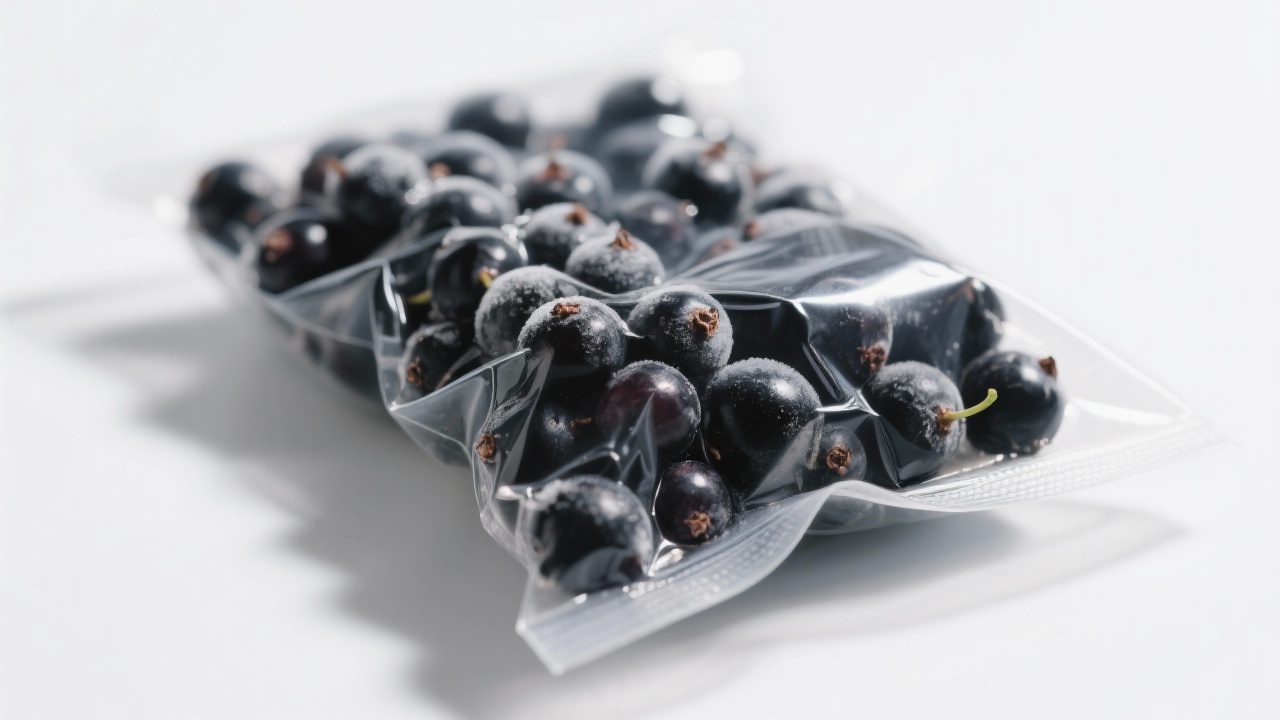
You now have the scientific rationale and hands-on tactics to embrace frozen blackcurrants as premium jam raw materials. This approach not only safeguards vital nutrients but also streamlines your production process with consistent results.
Ready to explore advanced technical methods for frozen fruit processing? Download our comprehensive whitepaper on frozen fruit processing innovations and join a community sharing their fruit jam recipes and tips. We invite you to share your own jam-making experience and recipes—let's cook up quality and nutrition together!

_(2).jpg?x-oss-process=image/resize,m_fill,h_600,w_600/format,webp)



.jpg?x-oss-process=image/resize,m_fill,h_600,w_600/format,webp)


.jpg?x-oss-process=image/resize,m_fill,h_600,w_600/format,webp)