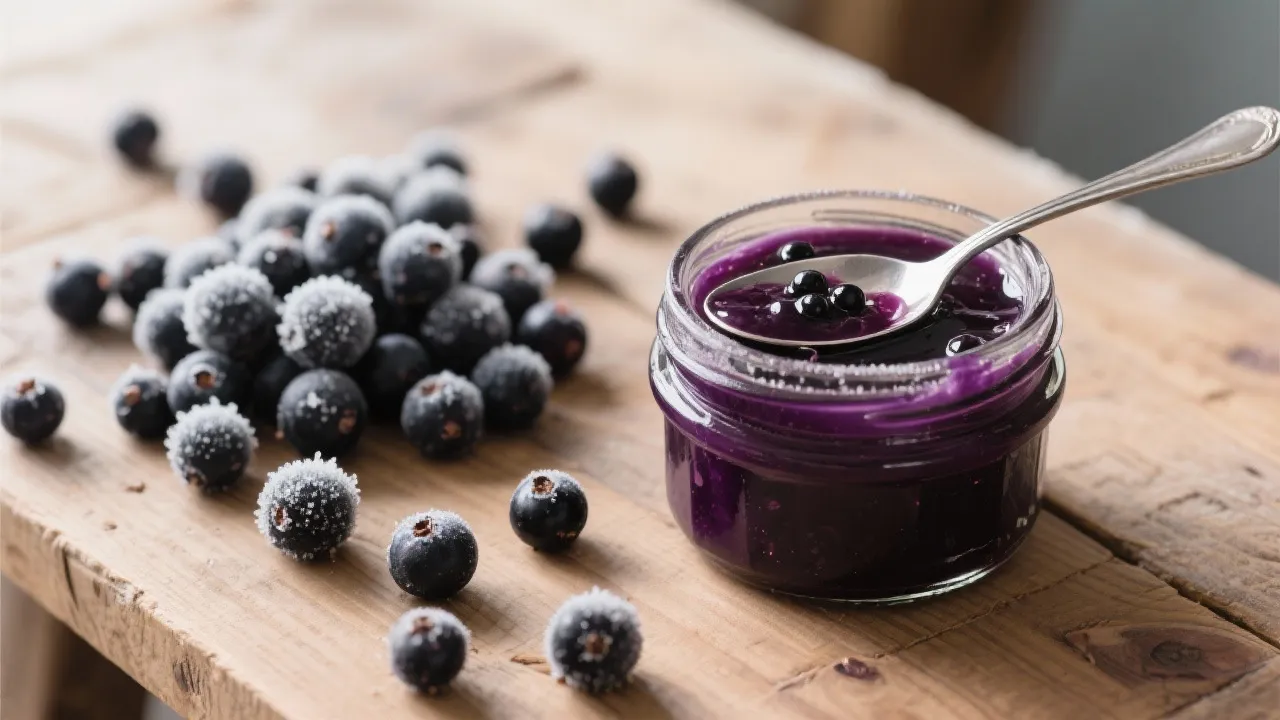
When it comes to making delicious and high - quality blackcurrant jam, many home and small - scale producers often face challenges such as dull color and loss of flavor. However, the application of frozen blackcurrants in jam - making offers a unique solution. Let's explore how frozen blackcurrants can revolutionize your jam - making process.
From a food science perspective, frozen blackcurrants have significant advantages. During the freezing process, especially with quick - freezing technology, key components like vitamin C and anthocyanins are well - protected. Anthocyanins, which are responsible for the beautiful purple - red color of blackcurrants, are easily degraded under normal conditions. But quick - freezing can effectively lock them in, preserving not only the color but also a large amount of nutrients. Studies show that blackcurrants frozen with proper quick - freezing technology can retain up to 90% of their original anthocyanins, compared to fresh ones that may lose a significant amount during storage and processing.
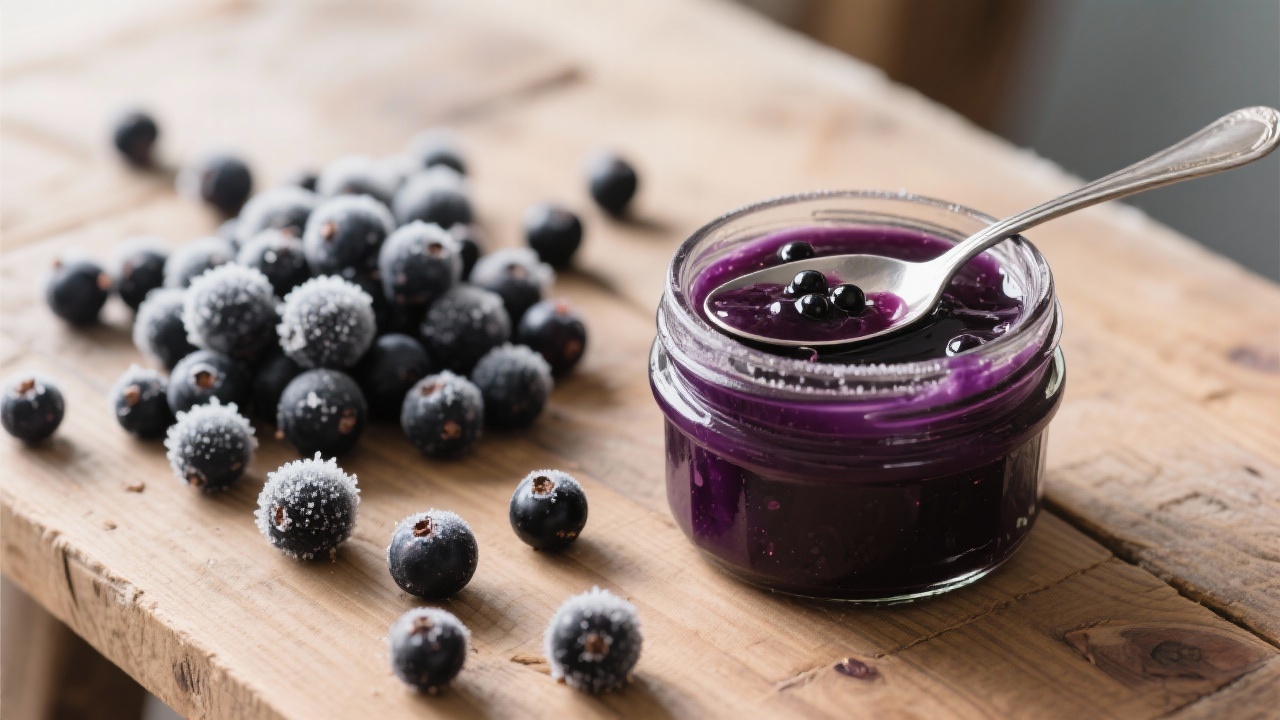
Quick - freezing technology works by rapidly reducing the temperature of blackcurrants to a very low level, forming small ice crystals. These small ice crystals minimize damage to the cell structure of the fruit, thus protecting the anthocyanins and other nutrients. In contrast, slow freezing forms large ice crystals that can rupture cell walls, leading to nutrient loss and poor texture.
The first step in using frozen blackcurrants is thawing. A recommended method is to thaw them slowly in the refrigerator overnight. This slow thawing process helps maintain the integrity of the fruit cells and reduces the loss of juice. Avoid thawing at high temperatures, as it can cause rapid cell damage and nutrient leakage.
The timing of adding sugar and lemon juice is crucial. It is advisable to add sugar after the blackcurrants are partially thawed. This allows the sugar to gradually dissolve and penetrate the fruit, enhancing the flavor. Lemon juice, on the other hand, should be added at the beginning of the boiling process. It not only adds a fresh flavor but also helps adjust the acidity of the jam, which is important for both taste and preservation.
Proper acidity is essential for a good - quality jam. You can use a pH meter to measure the acidity of the jam during the making process. The ideal pH for blackcurrant jam is around 3.0 - 3.5. If the acidity is too low, the jam may not set properly; if it is too high, the jam may have a sour taste. You can adjust the acidity by adding more lemon juice or a small amount of citric acid.
Controlling the boiling temperature and time is the key to making a perfect jam. The boiling temperature should be maintained at around 105 - 107°C. Boiling for too long can cause the loss of nutrients and change the color of the jam, while boiling for too short a time may result in an under - set jam. Generally, it takes about 20 - 30 minutes of boiling to achieve the right consistency.
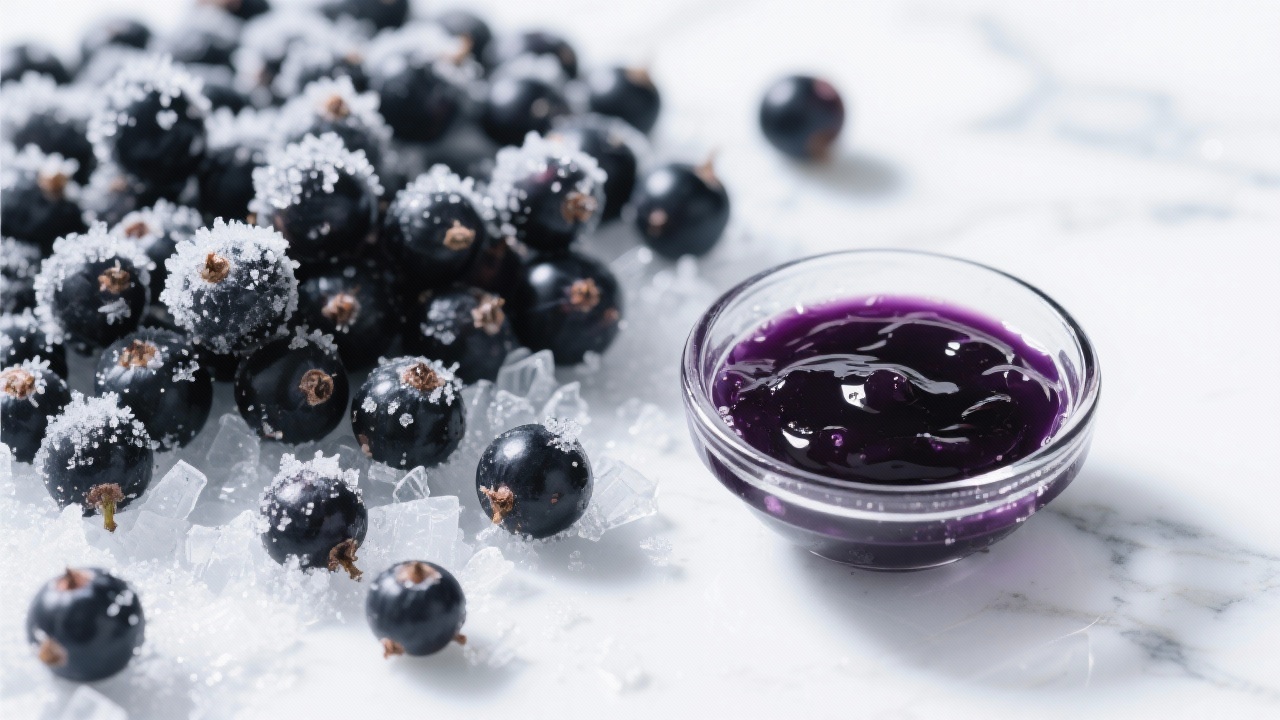
There are some common myths in the jam - making industry, such as "frozen fruits cannot be used to make good - quality jam." In fact, as long as the right methods are used, frozen blackcurrants can produce jam that is even better than those made from fresh ones. By using quick - freezing technology and proper processing methods, the quality and flavor of the jam can be well - controlled.
Let's take a look at a real - life example. A small - scale jam producer used to struggle with inconsistent jam quality. After switching to using frozen blackcurrants and following the above - mentioned methods, the producer was able to achieve a more stable product quality. The jam had a bright color, rich flavor, and a longer shelf - life. The production yield also increased, from about 70% to over 90%.
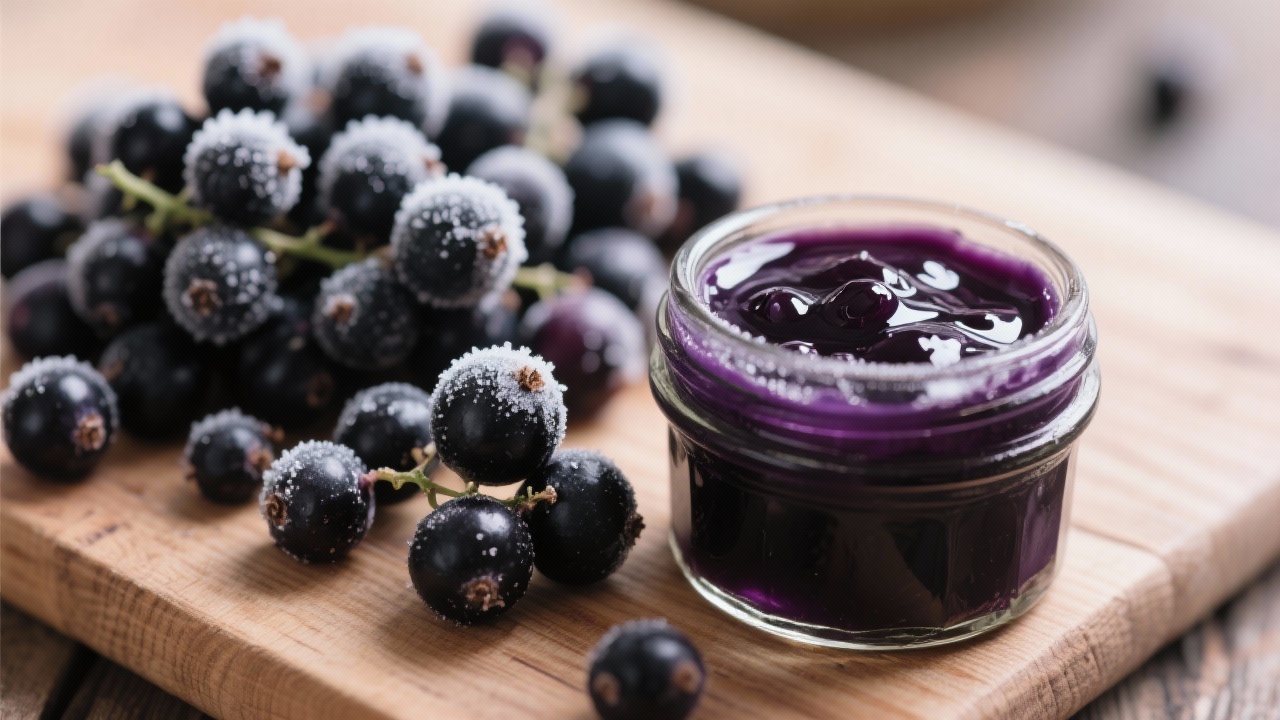
By using frozen blackcurrants and following the right techniques, you can make high - quality blackcurrant jam with a bright color and rich flavor. Whether you are a home cook or a small - scale producer, this method can bring you more consistent results and a better - tasting product.
To learn more about the advantages of using frozen fruits in processing, please refer to our technical white paper. And we encourage you to share your jam - making recipes and experiences in the comment section below. Your insights could be valuable to other jam - makers!

_(2).jpg?x-oss-process=image/resize,m_fill,h_600,w_600/format,webp)


.jpg?x-oss-process=image/resize,m_fill,h_600,w_600/format,webp)
_(4).jpg?x-oss-process=image/resize,m_fill,h_600,w_600/format,webp)







.jpg?x-oss-process=image/resize,m_fill,h_600,w_600/format,webp)