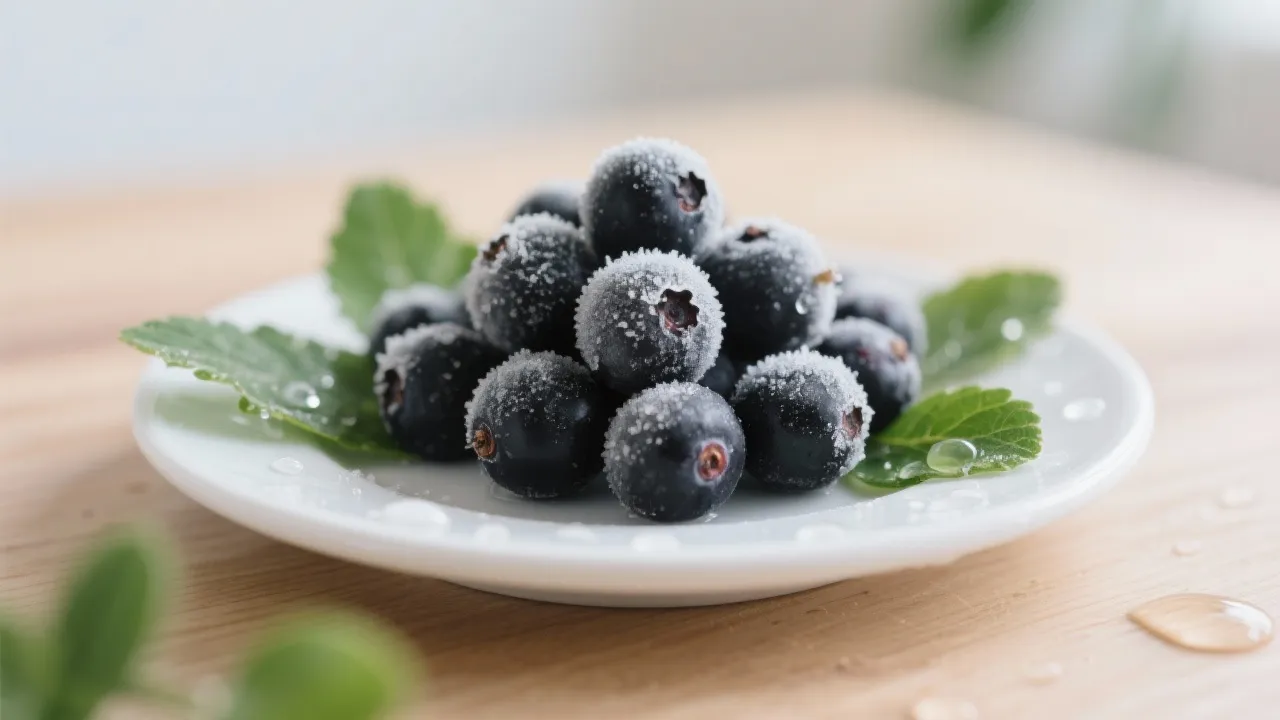
The global market for frozen blackcurrants has become increasingly discerning, with buyers prioritizing berry integrity and nutritional retention. Achieving a ≥95% whole berry rate is not merely a benchmark but a critical factor that directly influences product appeal across applications such as jams, juices, and baked goods. This article delves into the critical role of origin selection combined with rigorous triple-stage manual sorting in elevating blackcurrant quality for export markets.
The provenance of blackcurrants profoundly affects their chemical composition, size uniformity, and ripeness levels. Optimal cultivation regions typically possess cool climates, well-drained acidic soils, and controlled humidity conditions. Studies reveal that berries sourced from these zones demonstrate up to 20% higher antioxidant levels and superior firmness compared to those from less ideal environments.
Additionally, harvesting at the peak of maturity enhances sugar-to-acid ratios, offering congruent flavor profiles that meet stringent consumer expectations. These factors cumulatively raise the baseline quality and set the stage for effective post-harvest handling.
Despite advances in mechanical sorting technologies, manual inspection remains indispensable for ensuring the removal of damaged or under-ripe berries that mechanically operated systems may overlook. Implementing a three-stage manual sorting process—comprising pre-freezing inspection, post-freezing quality check, and final packaging approval—greatly elevates the whole berry rate.
Empirical data from industry audits indicate that each sorting phase alone removes approximately 10-15% of substandard berries, culminating in an overall defect reduction of around 40%. This robust workflow directly translates into exporting blackcurrant products with ≥95% intact fruit, a threshold strongly favored by B2B buyers.
Market research surveys consistently report that consumers are willing to pay up to 15% more for products featuring whole frozen berries versus fragmented or pulverized counterparts. The intactness not only maintains visual appeal but also preserves textural and nutritional profiles, critical for end-products like jams where berry integrity is a hallmark of quality.
| Whole Berry Rate | Consumer Willingness to Pay Increase |
|---|---|
| ≥95% | +15% |
| 85% - 94% | +7% |
| Below 85% | Base Price |
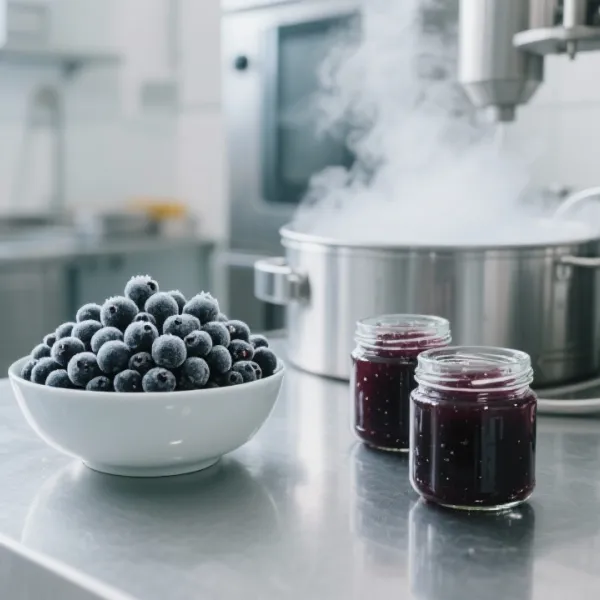
For operators involved in producing fruit preserves, juices, or bakery inclusions, sourcing frozen blackcurrants with high whole berry rates ensures consistency in texture and flavor. For instance, whole blackcurrants in jams provide a stronger visual and sensorial appeal, while in juices they deliver optimal nutrient retention and natural color.
It is advisable for exporters to engage in stringent quality agreement checklists covering maturity, sorting standards, and freezing protocols to guarantee that the end product meets buyer expectations. Customized sampling and inspection processes aligned with customer requirements further fortify quality assurance.
Maintaining berry morphology and nutrient content post-harvest is challenging without sophisticated freezing methods. Rapid freezing techniques reduce ice crystal size within the fruit, effectively minimizing cellular damage. Scientific studies corroborate that berries quick-frozen at ≤-40°C retain up to 90% of their original Vitamin C and anthocyanins compared to 65-70% via conventional methods.
This technological edge not only supports the whole fruit integrity pursued through meticulous sorting but directly impacts the sensory and health attributes that discerning global buyers seek.
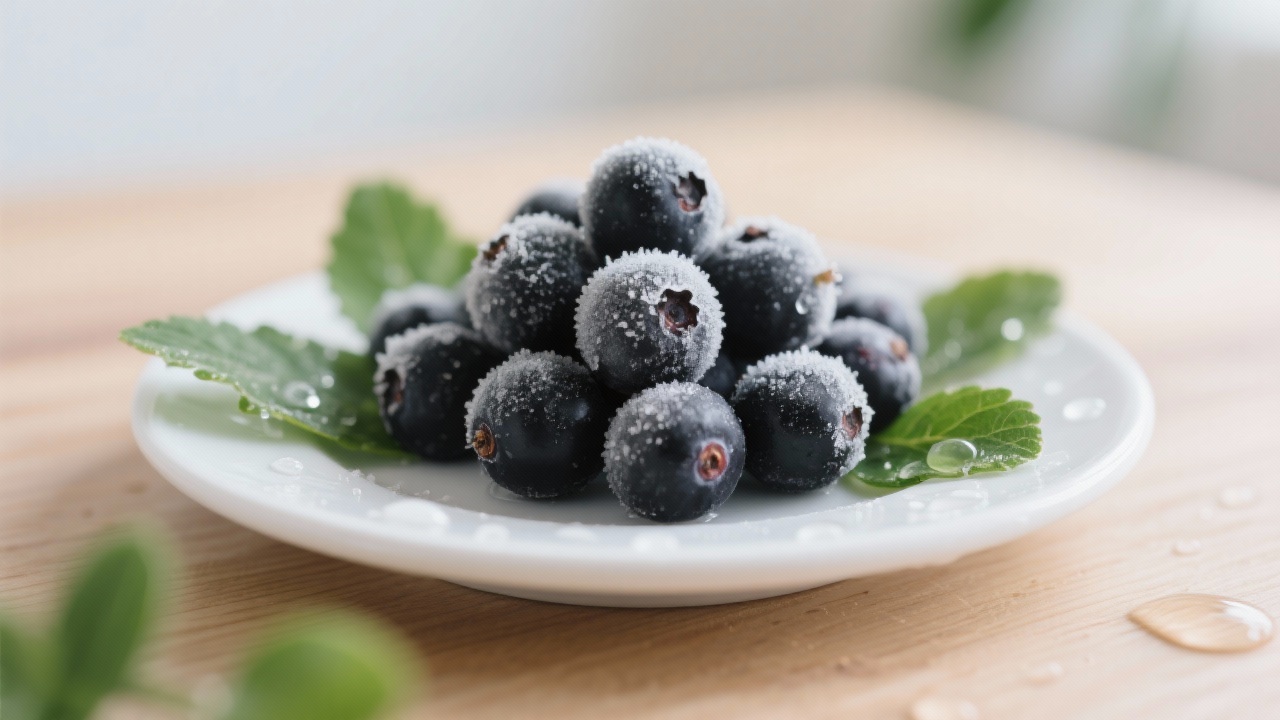
The synergy between exceptional origin selection, rigorous manual sorting, and advanced freezing technology constitutes the backbone of export-ready frozen blackcurrant products with superior whole berry integrity.
_(2).jpg?x-oss-process=image/resize,m_fill,h_600,w_600/format,webp)


.jpg?x-oss-process=image/resize,m_fill,h_600,w_600/format,webp)


.jpg?x-oss-process=image/resize,m_fill,h_600,w_600/format,webp)