In the competitive landscape of functional beverages, cold brew juices have emerged as a consumer favorite, valued for their smooth taste and nutrient retention. Among the superfood ingredients transforming this category, frozen blackcurrants stand out as a powerhouse of antioxidants and flavor. This technical guide explores how beverage manufacturers can leverage frozen blackcurrants to create premium products that deliver exceptional nutritional value without compromising on taste or shelf stability.
"The global cold brew market is projected to reach $1.67 billion by 2025, growing at a CAGR of 24.1%. Consumers increasingly seek products with natural ingredients and proven health benefits, making antioxidant-rich berry formulations a strategic choice for product differentiation." — Beverage Industry Research Report, 2023
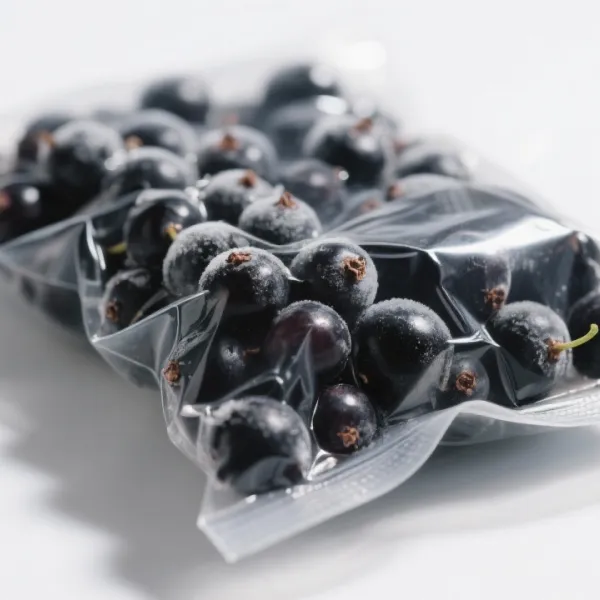
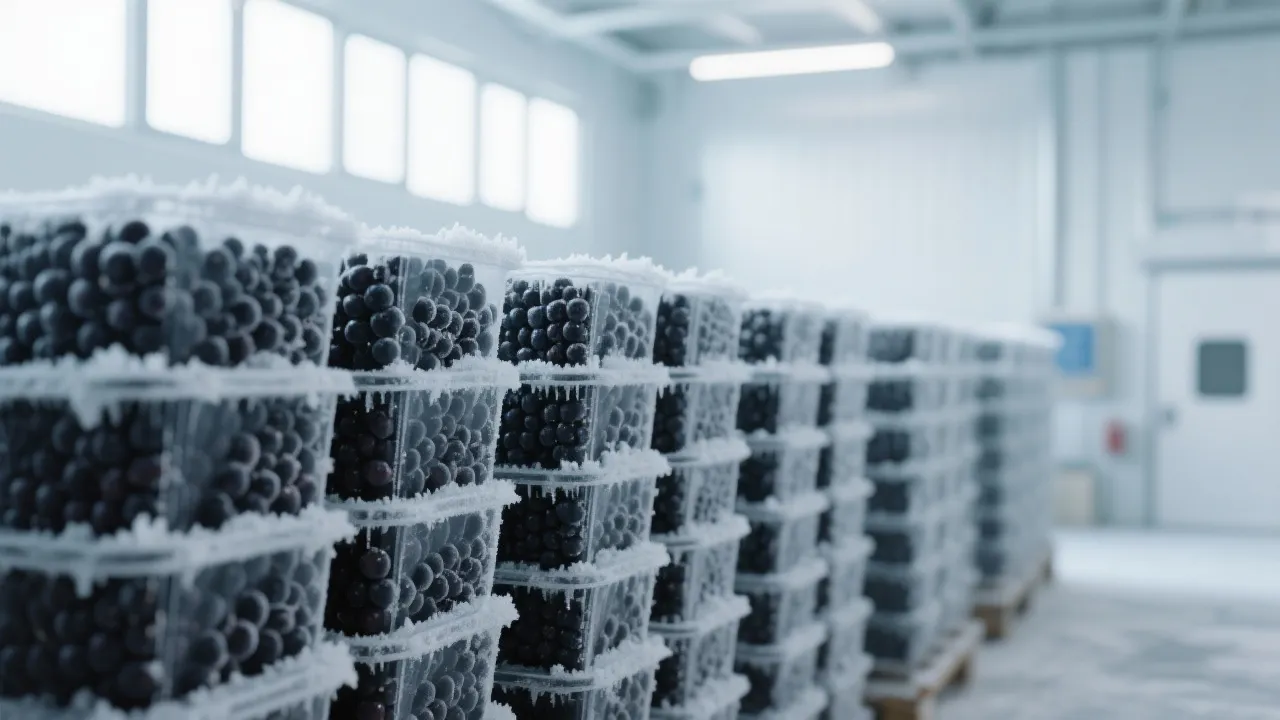
Frozen blackcurrants offer a unique combination of bioactive compounds that make them ideal for functional beverages. Unlike many fruits, blackcurrants retain their nutritional profile exceptionally well through the freezing process, with studies showing up to 92% retention of key antioxidants when properly frozen within 4 hours of harvest.
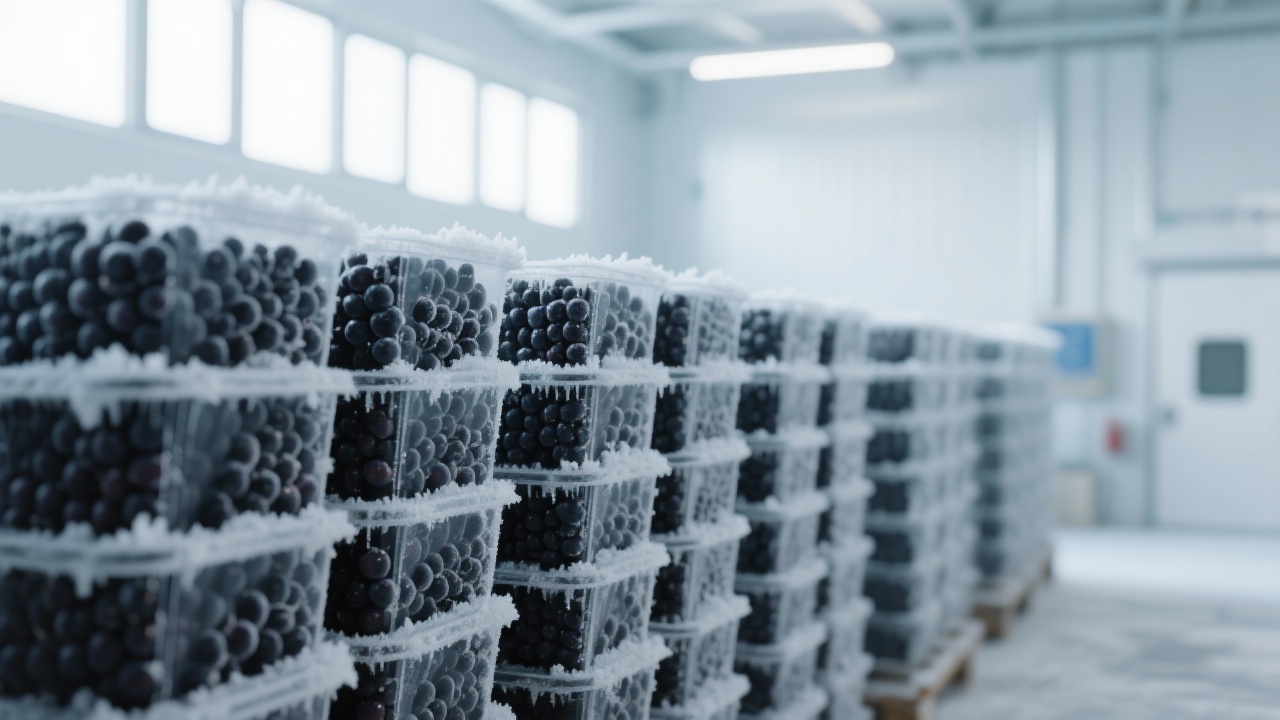
The versatility of frozen blackcurrants allows for application across multiple beverage categories, each requiring specific handling techniques to maximize benefits:
Optimal ratio: 15-20% frozen blackcurrant concentrate to base liquid. Utilize slow extraction (12-18 hours at 4°C) to preserve anthocyanins. pH adjustment to 3.8-4.2 enhances both color stability and flavor perception.
Incorporate after fermentation to maintain probiotic viability. Recommended dosage: 8-12% puree. Freeze-thaw stable formulations show 90% probiotic survival after 12 weeks refrigerated storage.
Use freeze-dried blackcurrant powder (5-7% by weight) for both nutritional boost and natural color. Particle size reduction to 500μm prevents grittiness while ensuring complete suspension.
Achieving optimal flavor and nutrient stability requires careful attention to processing parameters. Our research demonstrates that blackcurrant anthocyanins exhibit maximum stability between pH 3.0-4.0, with significant degradation occurring above pH 5.5. This critical insight directly impacts formulation decisions, particularly when blending with higher pH ingredients like milk or soy bases.
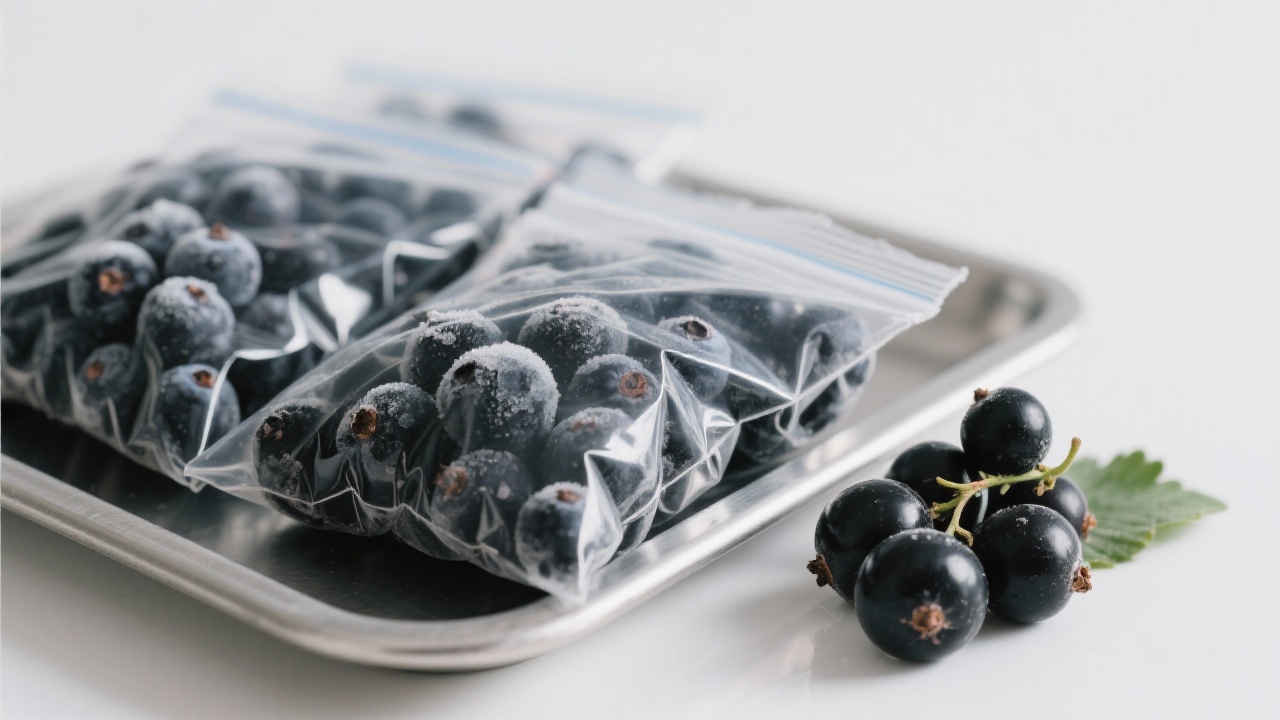
When combining blackcurrants with other berries, a synergistic effect occurs that enhances both nutritional profile and flavor complexity. A 3:1 ratio of blackcurrant to blueberry, for example, increases overall antioxidant capacity by 18% compared to either berry alone, while creating a more balanced flavor profile that appeals to a broader consumer base.
Many manufacturers face challenges with particle sedimentation in blackcurrant-based beverages. Our proprietary microencapsulation process reduces sedimentation by 75% while maintaining 95% of the original antioxidant activity. This breakthrough allows for clearer formulations without compromising nutritional value.
Leading beverage brands are already leveraging frozen blackcurrants to create market-differentiating products. One European functional beverage company recently reformulated their cold brew line with 亿商桥 frozen blackcurrant concentrate, resulting in:
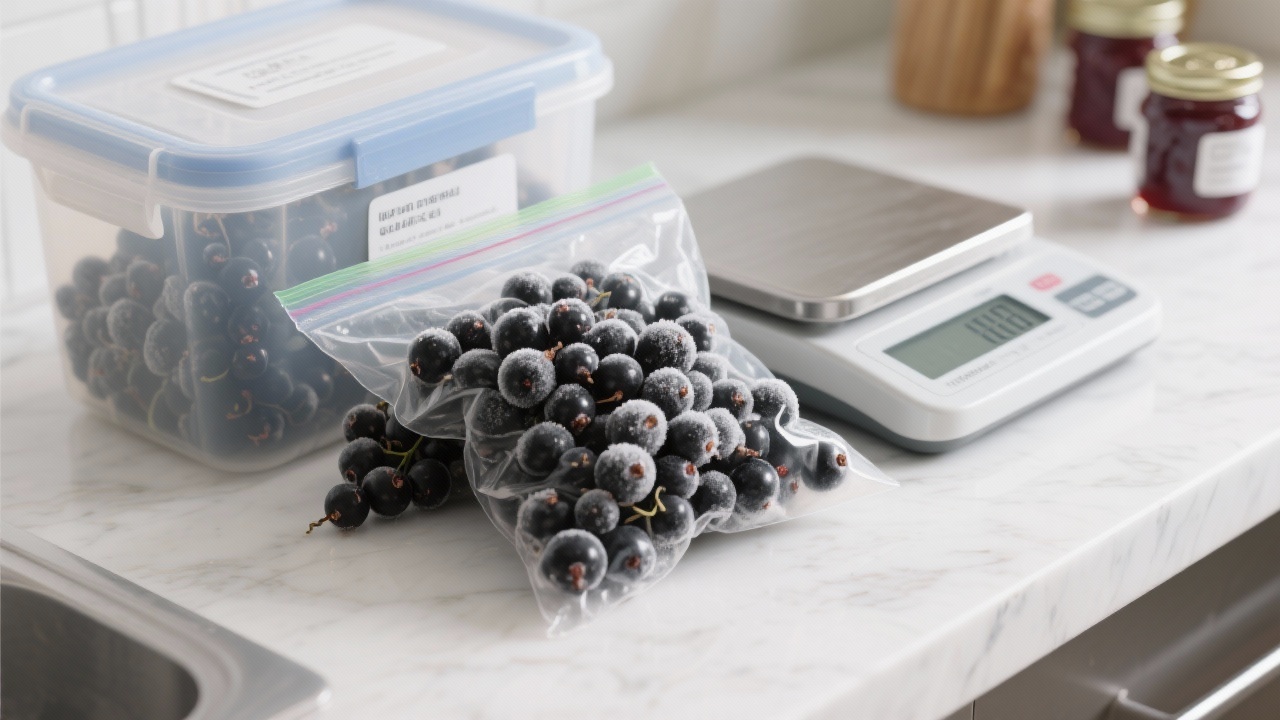
To successfully incorporate frozen blackcurrants into your beverage formulations, consider these practical recommendations:
Access our comprehensive technical手册 featuring 15+ proven formulations, stability testing protocols, and supplier selection guidelines.
Request Your Free Technical ManualLimited time offer: First 50 respondents receive a complimentary sample of our premium frozen blackcurrant puree for testing.
As consumer demand for natural, functional beverages continues to rise, frozen blackcurrants provide a versatile solution for product innovation. By implementing the techniques outlined in this guide, beverage manufacturers can create products that deliver exceptional nutritional value, superior flavor, and extended shelf life—key differentiators in today's competitive market. The technical considerations around pH management, processing parameters, and synergistic ingredient combinations will be critical to maximizing the potential of this powerful superfruit ingredient.
_(2).jpg?x-oss-process=image/resize,m_fill,h_600,w_600/format,webp)