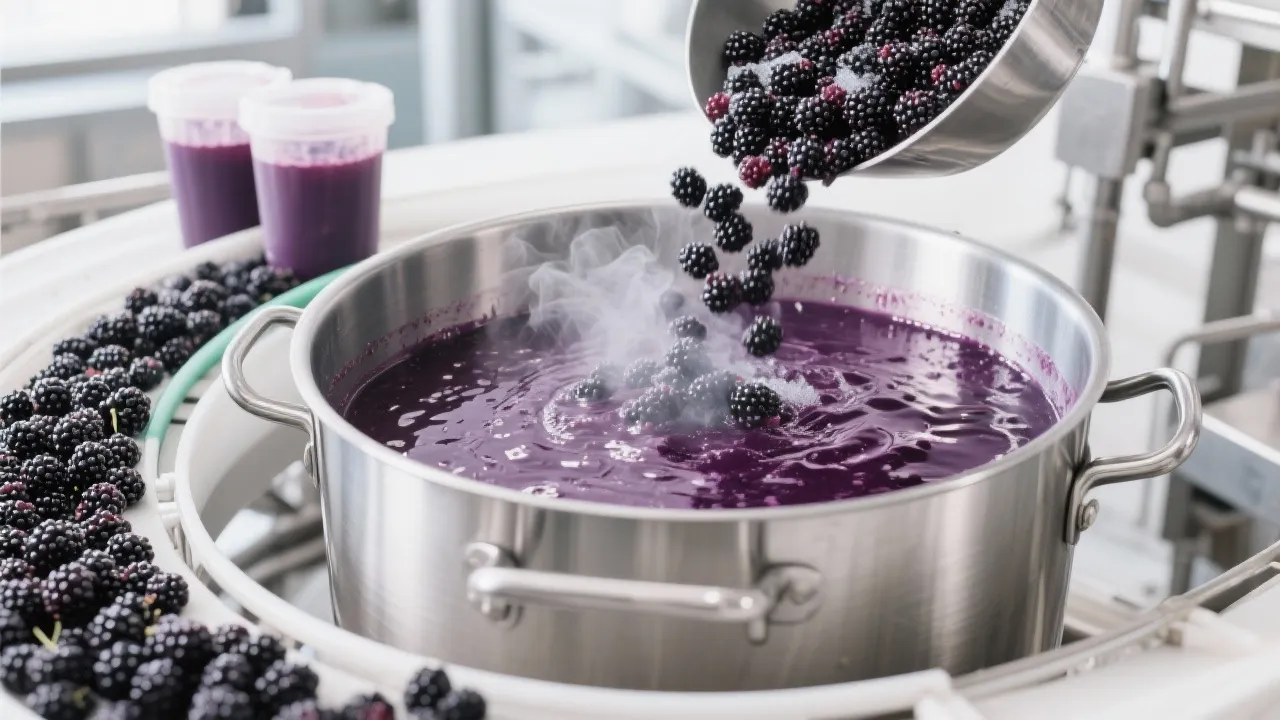
Frozen blackberries remain a staple ingredient for exporters and end-users worldwide, prized for their vibrant flavor and nutritional benefits. However, improper thawing can cause undesirable texture changes including excessive moisture loss and softening, severely impacting customer satisfaction and perceived quality. This article presents scientifically-backed thawing methods that maintain cellular integrity, optimize taste, and ensure premium-quality blackberries upon delivery or consumption.
The integrity of frozen blackberries hinges on the stability of their cellular walls during the thawing process. Rapid temperature shifts cause ice crystals within cells to melt unevenly, breaking down cell walls and releasing water, which leads to softer, mushy fruit. Controlled thawing at low, gradual temperatures helps preserve cellular structure by minimizing this disruption.
| Use Case | Recommended Thawing Method | Expected Quality Outcome |
|---|---|---|
| Baking (Muffins, Pies) | Slow thaw in refrigeration (4°C, 12 hours) followed by gentle draining | Maintained berry structure ensures vibrant texture and syrup balance in final product |
| Smoothies & Beverages | Partial thawing (room temp 20-25°C, 30 minutes) to retain firmness for blending | Optimal flavor release with preserved pulp texture |
| Jam & Preserves | Full thaw in refrigeration (4°C, overnight 12-16 hours) to maximize juice yield | Rich color and consistent viscosity in final preserve |
Using improper thawing techniques often leads to product downgrade. For example, thawing at room temperature for prolonged periods accelerates microbial growth risks and causes the fruit to become waterlogged. Conversely, thawing by microwaving leads to uneven heat distribution, resulting in partially cooked berries with compromised texture.
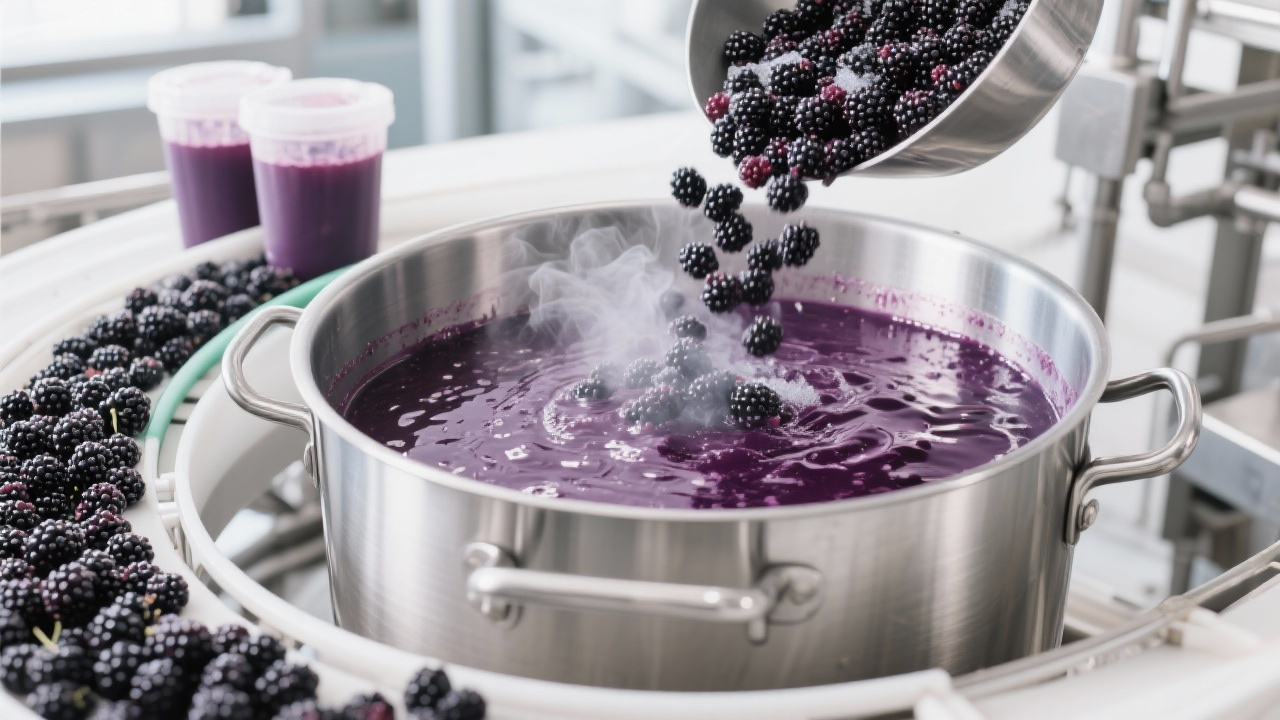
Utilizing kitchen tools such as temperature-controlled refrigerators or thawing trays with airflow improves thawing uniformity. Laboratory data demonstrates that blackberries thawed at 4°C for 12-16 hours retained 85-90% firmness compared to 20°C thawing where firmness dropped below 60%.
| Thawing Method | Duration | Firmness Retention (%) | Moisture Loss (%) |
|---|---|---|---|
| Refrigeration Thaw (4°C) | 12-16 hours | 87% | 5% |
| Room Temp Thaw (20°C) | 3-4 hours | 58% | 18% |
| Microwave Thaw | 5 minutes | 30% | 25% |
Emphasizing expert thawing guidance sets your frozen blackberries apart in competitive export markets. Use customer-focused messaging such as:
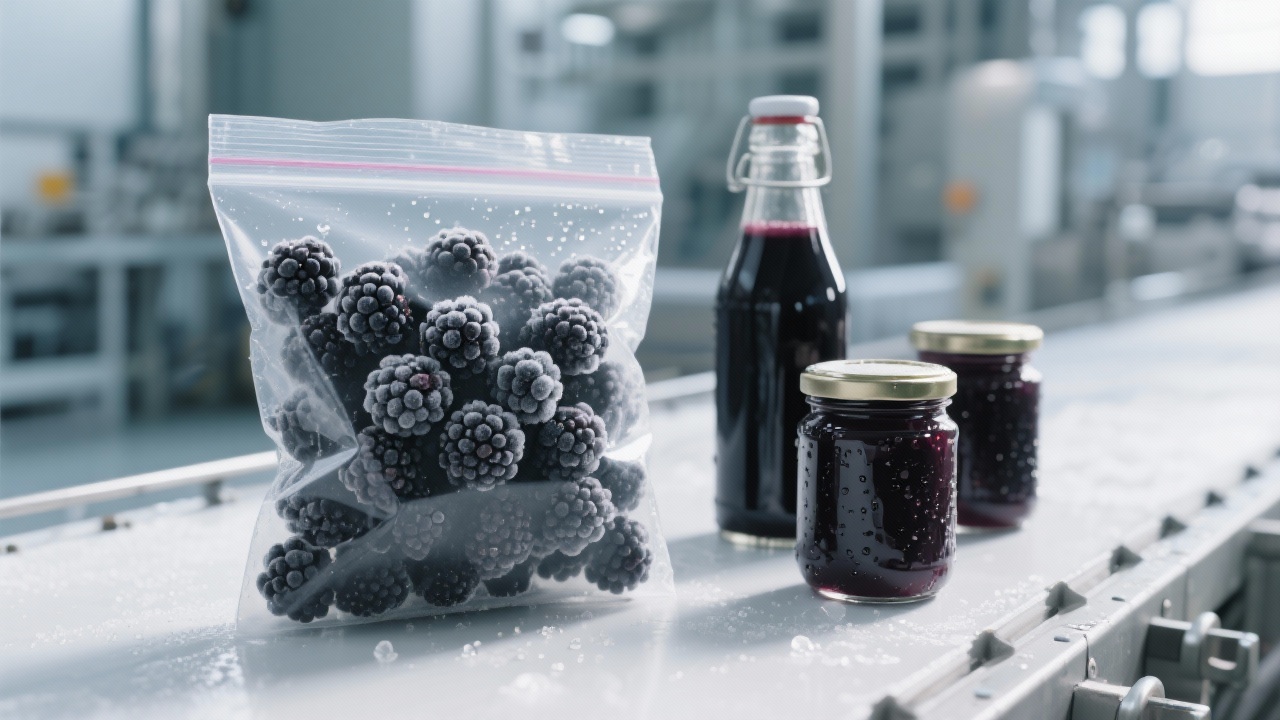
Deliver detailed thawing guidelines in your B2B product documentation and digital marketing channels. Such transparency not only enhances buyer confidence but also reduces complaints related to quality degradation.


_(2).jpg?x-oss-process=image/resize,m_fill,h_600,w_600/format,webp)