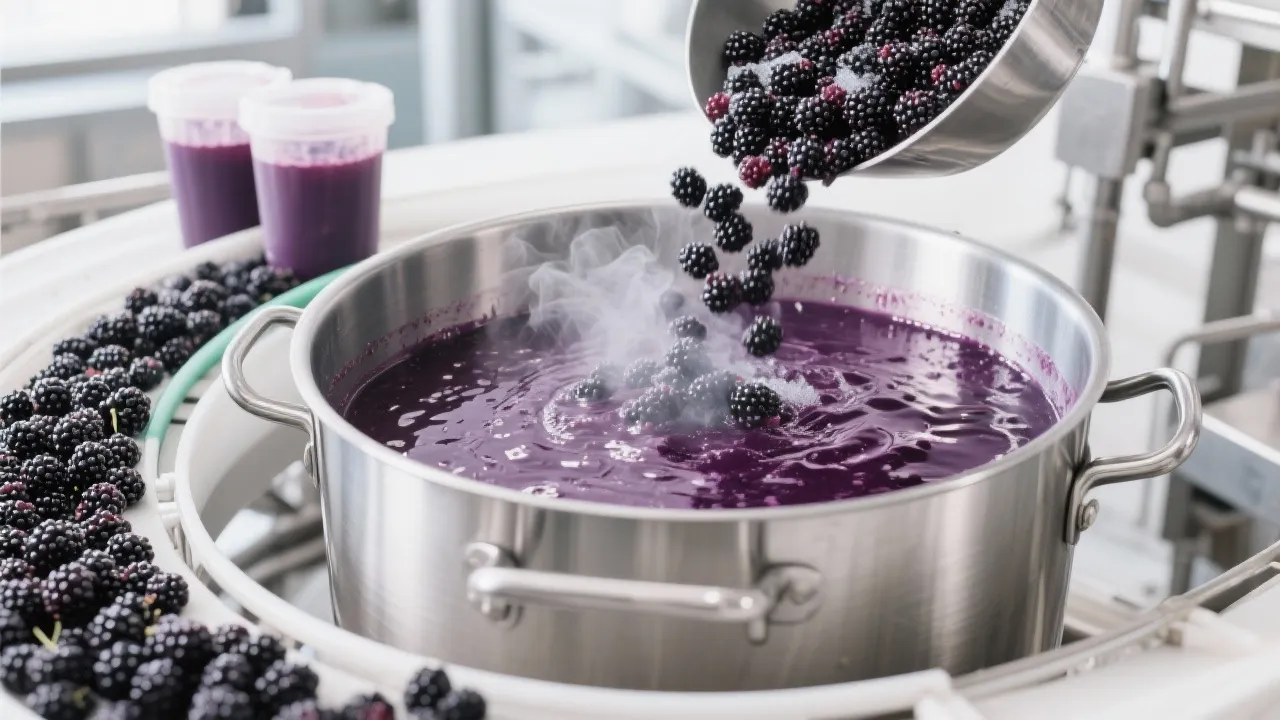
You’ve probably been there: you pull out your bag of frozen blackberries, thaw them quickly in warm water or leave them on the counter, and end up with mushy fruit that leaks all over your bowl. Sound familiar? You're not alone — but here's the good news: this isn’t just bad technique. It’s avoidable science.
When you rush the thawing process—especially using hot water or room temperature—you create a sharp temperature gradient inside each berry cell. This causes ice crystals to melt too fast, rupturing the cell walls and releasing juice. According to food scientists at the University of California, Davis, improper thawing can lead to up to 40% moisture loss in berries compared to controlled slow-thaw methods.
In contrast, slow thawing at 4°C (39°F) for 8–12 hours preserves cell structure. That means firmer texture, less waste, and better flavor retention. If you’re making jam, baking muffins, or crafting premium smoothies, this small step makes a huge difference in final quality.
| Method | Moisture Loss (%) | Texture Outcome |
|---|---|---|
| Room Temperature (2 hrs) | ~35–40% | Soft, watery, sticky |
| Hot Water (10 mins) | ~50%+ | Mushy, uneven, damaged cells |
| Refrigerator Overnight (8–12 hrs) | ~5–10% | Firm, intact, ready for any recipe |
Baking? Just add directly from freezer. No need to thaw! Adding frozen berries straight into batter ensures even distribution and prevents sinking. In fact, studies show baked goods made with frozen berries retain more volume and have fewer broken skins than those using thawed ones.
For jams and sauces? Skip thawing entirely. The natural acidity of blackberries helps preserve texture during cooking, so adding them frozen actually improves consistency and reduces syrupy runoff. Pro tip: use a ratio of 1 kg frozen berries to 300g sugar for optimal jam yield — no extra liquid needed!
Smoothies or desserts? Thaw in the fridge overnight for best results. This gives you clean, firm berries that blend smoothly without turning your drink into a watery mess.
Many people think “thawing” means speed—but it’s really about control. Don’t toss frozen berries into warm water just because they’re “not cold anymore.” That’s like boiling a steak to make it tender—it destroys the structure. And don’t worry if they seem frozen when you open the package—your kitchen will thank you later.
Here’s one last pro move: freeze berries in a single layer on a tray before bagging them. This way, they won’t clump together, and you can easily take what you need without defrosting the whole batch.
Ready to elevate your frozen berry game?
Get Our Free Guide: "Mastering Frozen Berries for Commercial Kitchens"Whether you're a bakery owner, food service supplier, or gourmet product developer, mastering this simple step means better products, less waste, and happier customers. So next time you reach for those frozen blackberries — remember: slow is smart.


_(2).jpg?x-oss-process=image/resize,m_fill,h_600,w_600/format,webp)

.jpg?x-oss-process=image/resize,m_fill,h_600,w_600/format,webp)


_(4).jpg?x-oss-process=image/resize,m_fill,h_600,w_600/format,webp)