In the competitive world of food processing, the quality of raw materials directly impacts your final product's success. When it comes to frozen blackberries, discerning buyers know that not all berries are created equal. This guide will walk you through the critical factors that separate premium frozen blackberries from mediocre ones, helping you build a more reliable supply chain and deliver consistent quality to your customers.
The journey to exceptional frozen blackberries begins long before harvesting—with the right growing environment. According to agricultural research, the ideal climate for blackberry cultivation features moderate temperatures between 15°C and 25°C during the growing season, with consistent rainfall of 800-1200mm annually, preferably well-distributed throughout the growing period.
"Soil composition significantly affects blackberry quality. Well-drained loamy soil with a pH level between 5.5 and 6.5 provides the optimal conditions for nutrient absorption, resulting in berries with better flavor profiles and texture." — Dr. Emily Rodriguez, Agricultural Scientist at the International Berry Research Institute
Altitude also plays a crucial role, with many premium blackberry regions located between 500-1200 meters above sea level. This elevation provides the perfect balance of sunlight intensity and temperature variation, which contributes to higher sugar content and more vibrant color development in the fruit.
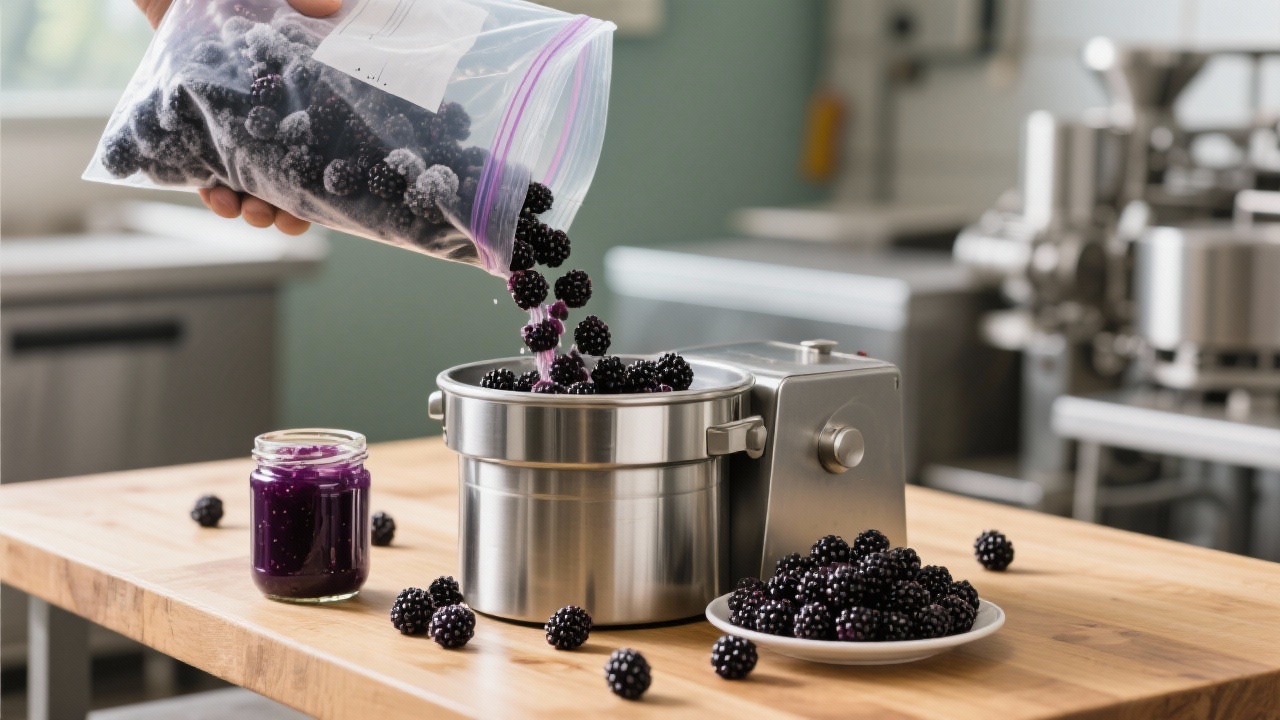
Even the best growing conditions can't compensate for improper harvesting timing. The window between under-ripeness and over-ripeness is surprisingly narrow—typically just 2-3 days for most blackberry varieties. Professional growers and buyers use a multi-criteria approach to determine the perfect harvest moment:
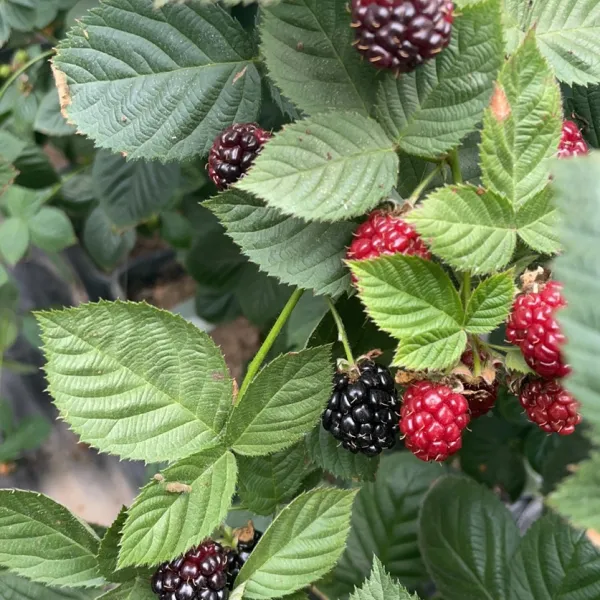
Deep, uniform black coloration with a slight gloss indicates peak ripeness. Any red or purple patches suggest under-ripeness, while dullness often signals over-ripeness.
Optimal berries should yield slightly to gentle pressure without being mushy. A firmness reading of 1.2-1.8 kg/cm² is considered ideal for post-harvest handling and freezing.
Brix levels between 10-14° indicate optimal sweetness. This measurement, combined with titratable acidity of 0.8-1.2%, creates the perfect flavor balance.
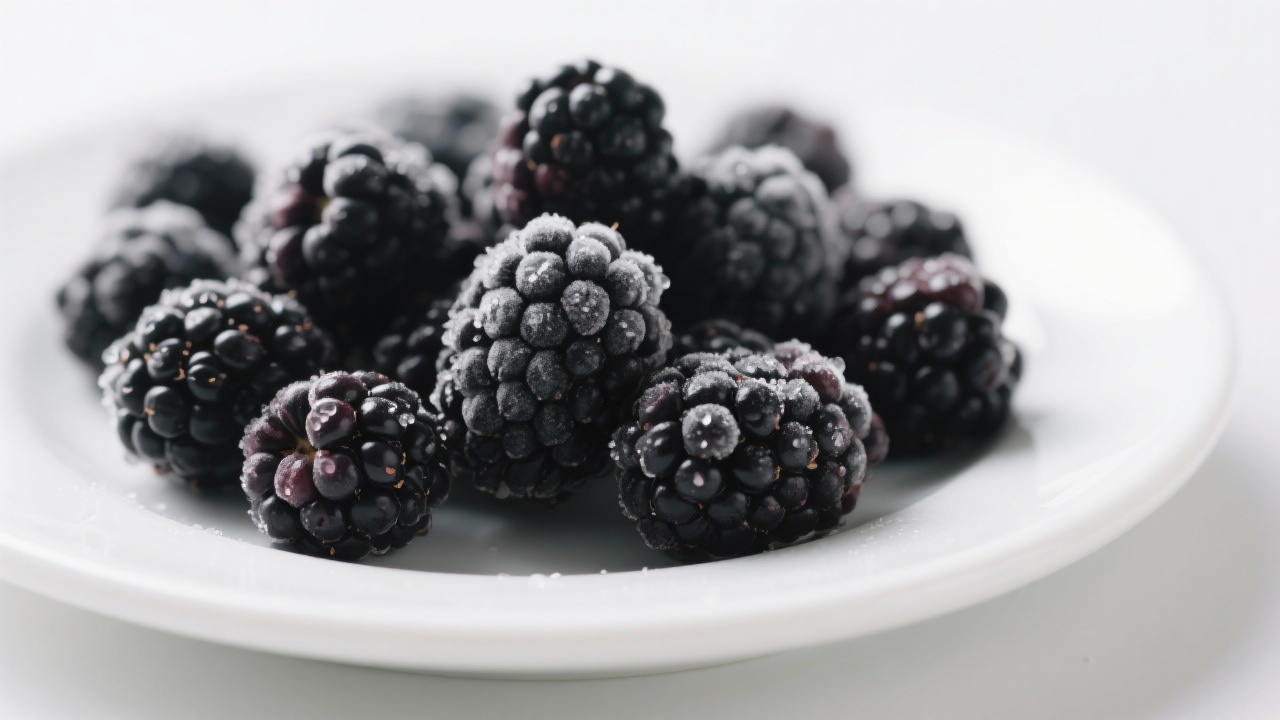
While automated sorting technology has advanced significantly, achieving a 95% whole fruit rate requires the precision of manual sorting. Mechanical sorters typically achieve only 82-87% whole fruit rates, according to industry benchmarks. The three-stage manual sorting process employed by premium suppliers like 亿商桥 makes all the difference:
Immediately after harvesting, workers remove obviously damaged, unripe, or overripe berries. This first pass eliminates approximately 60% of substandard fruit before transportation to the processing facility.
Upon arrival at the facility, berries undergo a second inspection where trained quality control specialists remove berries with less obvious defects, stem remnants, or signs of insect damage.
Before freezing, a final inspection ensures only perfect berries proceed. This three-stage process, combined with strict quality control standards, results in the 95% whole fruit rate that distinguishes premium suppliers in the market.
One food manufacturing company specializing in premium fruit products recently implemented these sourcing principles and saw remarkable results. By focusing on optimal产区环境, precise maturity assessment, and partnering with suppliers using three-stage manual sorting, they achieved:
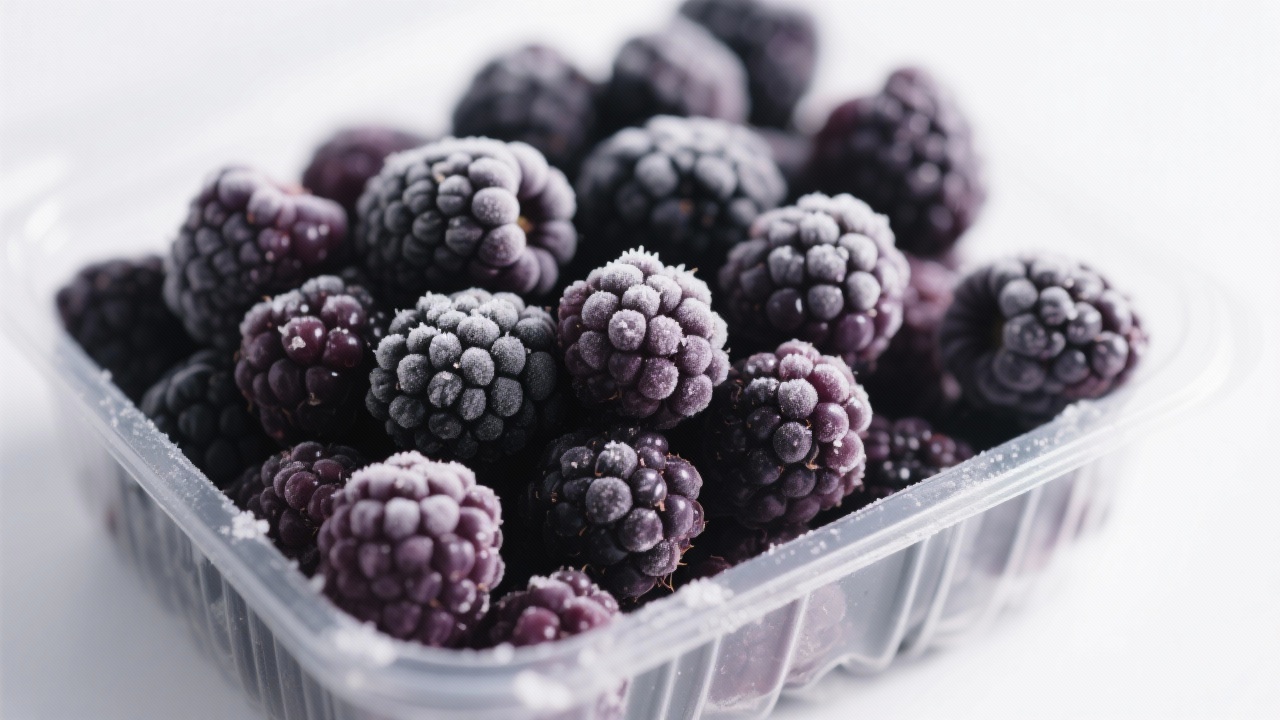
Developing a systematic approach to frozen blackberry procurement involves more than just understanding quality factors—it requires creating a repeatable framework that your purchasing team can implement. Consider incorporating these elements into your supplier evaluation process:
Download our comprehensive Frozen Blackberry Quality Assessment Manual and gain access to expert tools for evaluating suppliers, conducting quality checks, and ensuring consistent raw material quality.
Get Your Free Quality Manual NowBy prioritizing these quality factors in your frozen blackberry sourcing process, you'll not only improve your end product but also build a more resilient supply chain. Remember that the best suppliers view quality as a partnership—working collaboratively with you to maintain the standards that differentiate your products in the marketplace. With the right approach to sourcing, your frozen blackberry products can become a standout offering that customers recognize and trust.


_(2).jpg?x-oss-process=image/resize,m_fill,h_600,w_600/format,webp)



.jpg?x-oss-process=image/resize,m_fill,h_600,w_600/format,webp)
.jpg?x-oss-process=image/resize,m_fill,h_600,w_600/format,webp)
_(4).jpg?x-oss-process=image/resize,m_fill,h_600,w_600/format,webp)