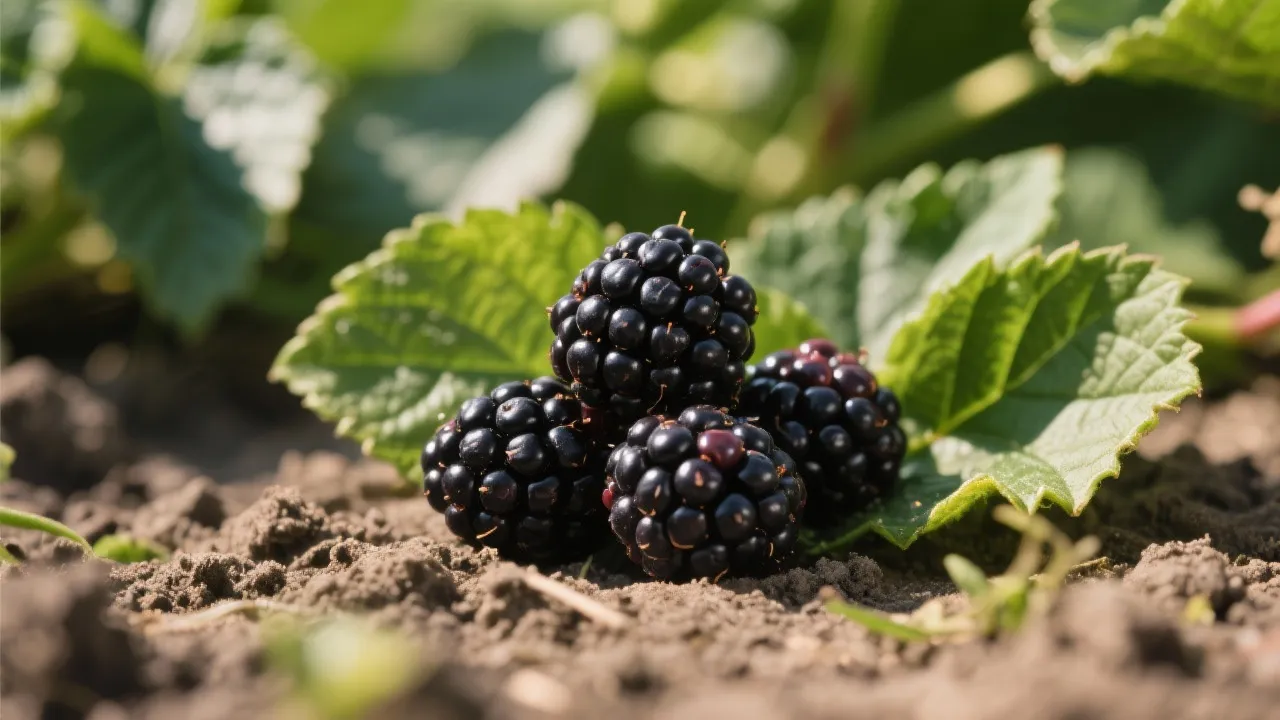
In the competitive landscape of frozen berry processing, the quality of raw materials directly impacts product excellence and market reputation. For buyers, wholesalers, and processors seeking consistent, high-quality frozen blackberries, understanding the critical factors that determine berry quality is essential. This comprehensive guide explores the scientific principles behind selecting premium frozen blackberries, focusing on environmental influences, maturity assessment, and the transformative impact of meticulous sorting processes.
The foundation of exceptional blackberries begins with their growing environment. Optimal blackberry cultivation requires specific climatic conditions that balance temperature, precipitation, and sunlight to develop the fruit's signature flavor profile and structural integrity.
These environmental factors collectively influence the fruit's sugar content, which typically ranges from 10-14 Brix for premium varieties, and anthocyanin levels that contribute to both color intensity and antioxidant properties. Regions meeting these criteria, such as certain valleys in Oregon, USA and select areas in Serbia, consistently produce blackberries with superior flavor and structural integrity that withstands freezing and processing.
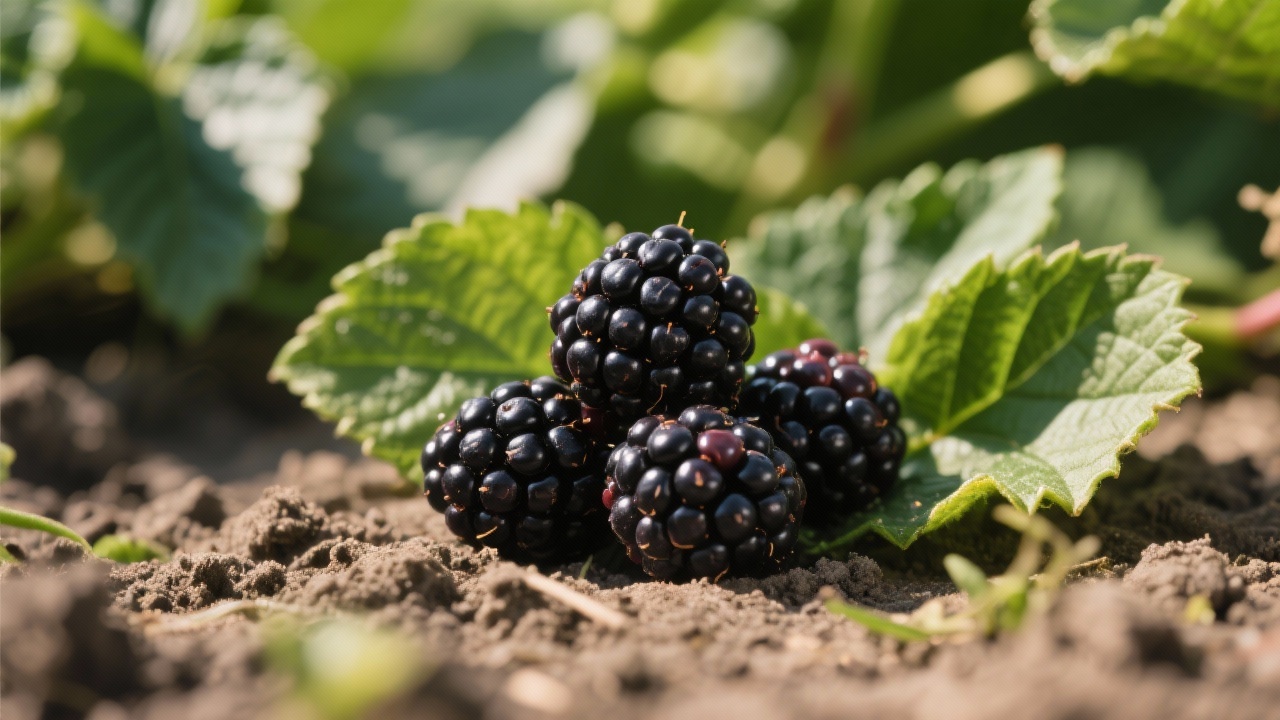
Harvesting blackberries at optimal maturity is a precise science that directly impacts both flavor development and post-harvest stability. Picking too early results in underdeveloped flavor and excessive tartness, while overripe berries lack structural integrity and are prone to damage during processing.
According to post-harvest specialists at the International Berry Institute, blackberries harvested at optimal maturity show a 35% higher retention rate of beneficial anthocyanins during freezing compared to those harvested prematurely. This translates directly to better color retention and nutritional value in the final frozen product.
While automated sorting technology has advanced significantly, the precision of manual sorting remains unparalleled for preserving fruit integrity and achieving exceptional whole fruit rates. The implementation of a rigorous three-tier manual sorting process has proven transformative for processors seeking consistent quality.
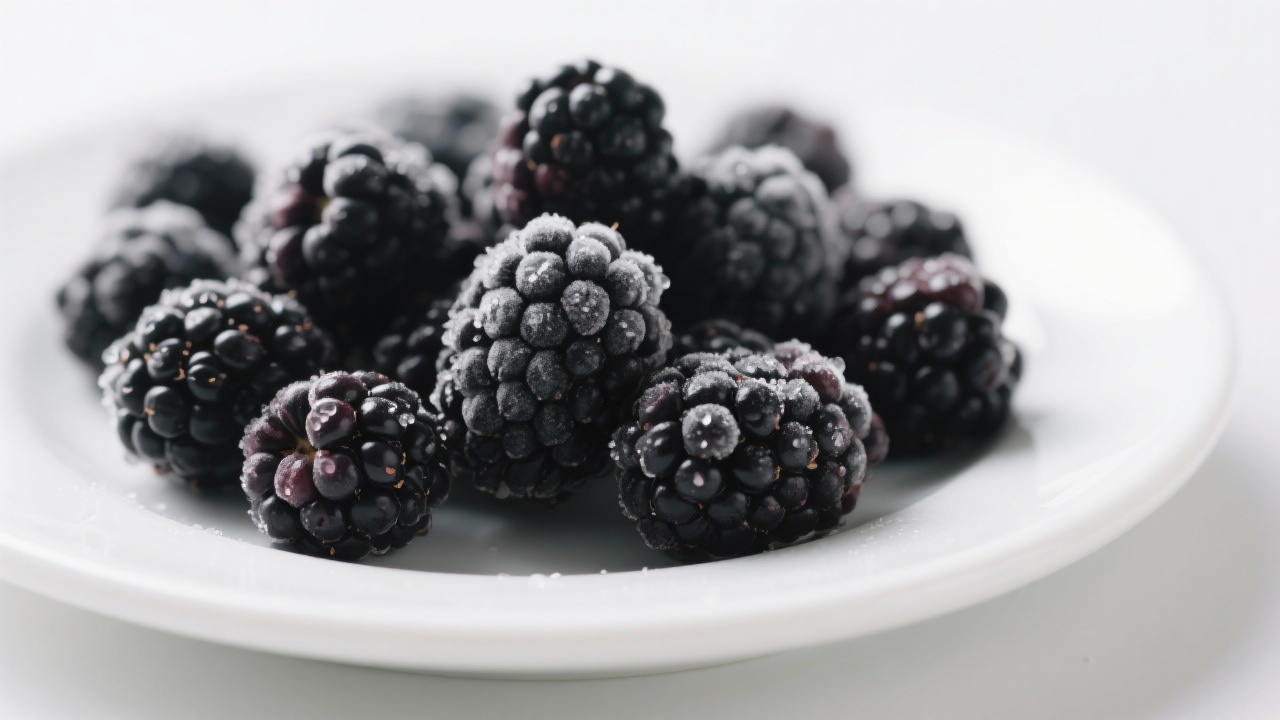
The initial sorting stage focuses on eliminating obvious defects that compromise quality. Trained inspectors meticulously remove berries with:
This stage typically removes 8-12% of the harvested volume, depending on initial quality and growing conditions.
The second sorting tier implements precise quality criteria to categorize berries by size, color uniformity, and structural integrity. This stage focuses on:
The final inspection represents the last line of defense before freezing. This critical stage ensures that only berries meeting the highest standards proceed to processing. Inspectors examine each berry for:
The implementation of rigorous sorting protocols delivers measurable benefits throughout the supply chain. A case study conducted by a leading European berry processor demonstrated dramatic improvements after implementing the three-tier manual sorting system:
| Performance Metric | Before Implementation | After Implementation | Improvement |
|---|---|---|---|
| Whole Fruit Rate | 78% | 95% | +17% |
| Customer Return Rate | 6.2% | 1.8% | -4.4% |
| Processing Efficiency | 68% | 92% | +24% |
| End-Product Quality Score | 7.3/10 | 9.4/10 | +2.1 points |
These improvements directly translate to enhanced customer satisfaction and market competitiveness. As Sarah Martinez, Quality Control Director at FreshFrozen Solutions, notes: "The three-tier sorting process has revolutionized our product consistency. Our clients in the premium yogurt and bakery sectors now recognize us as the go-to supplier for frozen blackberries that maintain their integrity through processing."
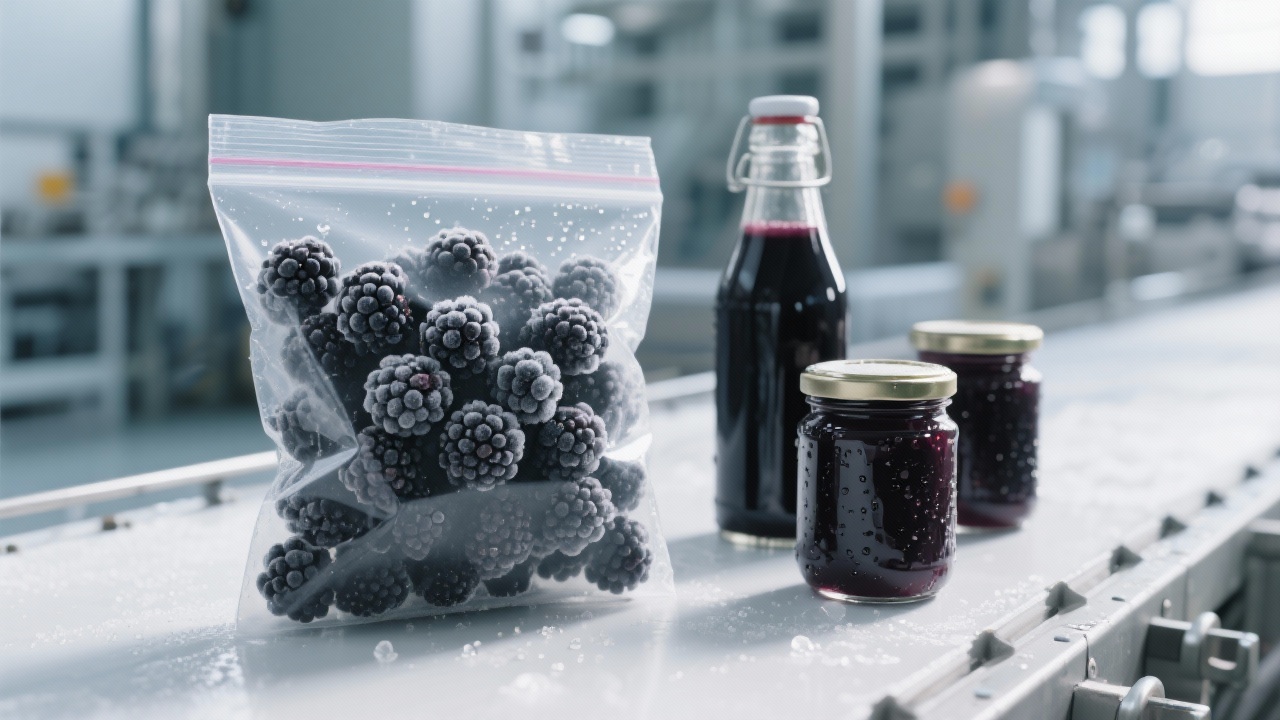
When evaluating potential suppliers, discerning buyers should look beyond basic certifications and delve into the specific quality control processes that impact final product quality. Key questions to ask include:
Establishing clear quality expectations and regular supplier audits ensures consistent product quality. Many leading processors, including 亿商桥, have developed proprietary quality management systems that integrate these principles to deliver exceptional frozen blackberries year-round.
Access our comprehensive Frozen Blackberry Quality Assessment Protocol developed by industry experts to help you identify superior suppliers and establish rigorous quality control standards.
Download Your Free Quality Assessment GuideThe frozen blackberry market continues to grow as consumer demand for convenient, nutritious ingredients rises. By prioritizing careful selection based on environmental factors, maturity assessment, and rigorous sorting processes, businesses can secure a competitive advantage through superior product quality. As the industry evolves, those who master these critical quality control elements will lead the market in delivering exceptional frozen blackberry products that meet the exacting standards of today's discerning food manufacturers.


_(2).jpg?x-oss-process=image/resize,m_fill,h_600,w_600/format,webp)




.jpg?x-oss-process=image/resize,m_fill,h_600,w_600/format,webp)





.jpg?x-oss-process=image/resize,m_fill,h_600,w_600/format,webp)