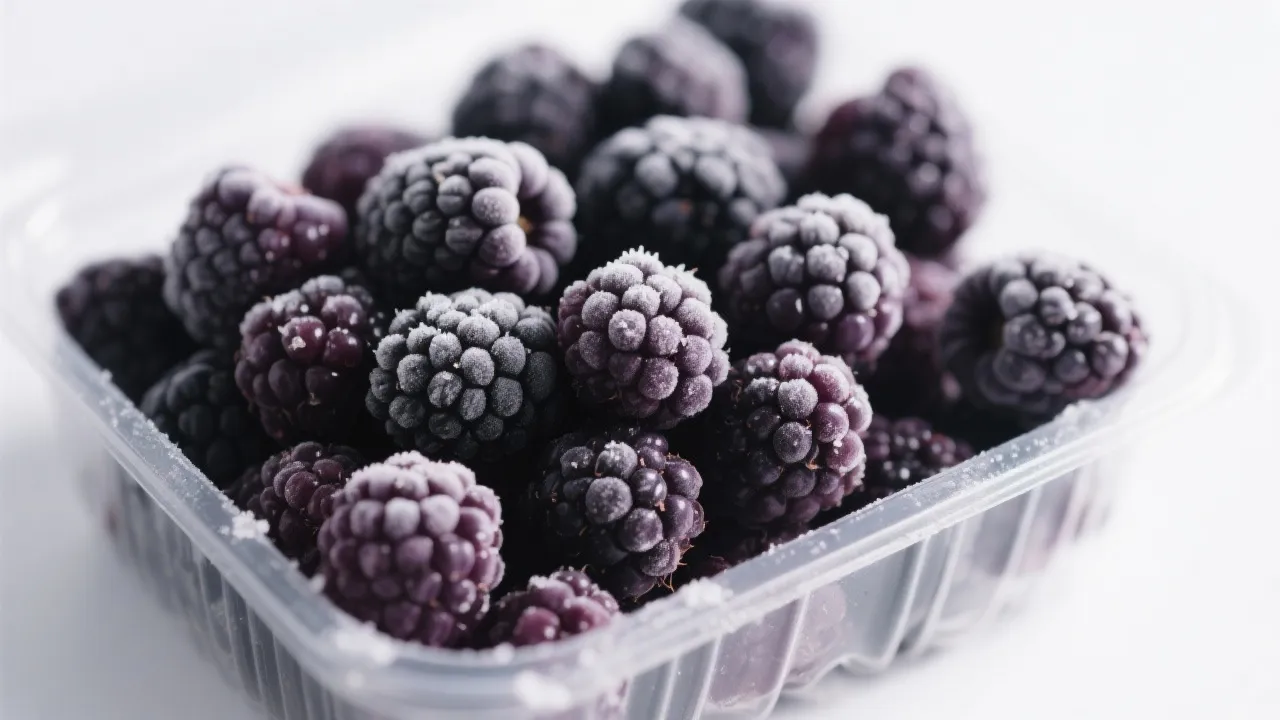
In the competitive landscape of global food ingredient supply, the quality of frozen blackberries directly impacts product excellence, customer satisfaction, and brand reputation. For procurement professionals, processors, and wholesalers, understanding the critical factors that define premium frozen blackberries is essential for maintaining a superior supply chain. This comprehensive guide, brought to you by 亿商桥, breaks down the science and methodology behind identifying exceptional frozen blackberries that meet the highest industry standards.
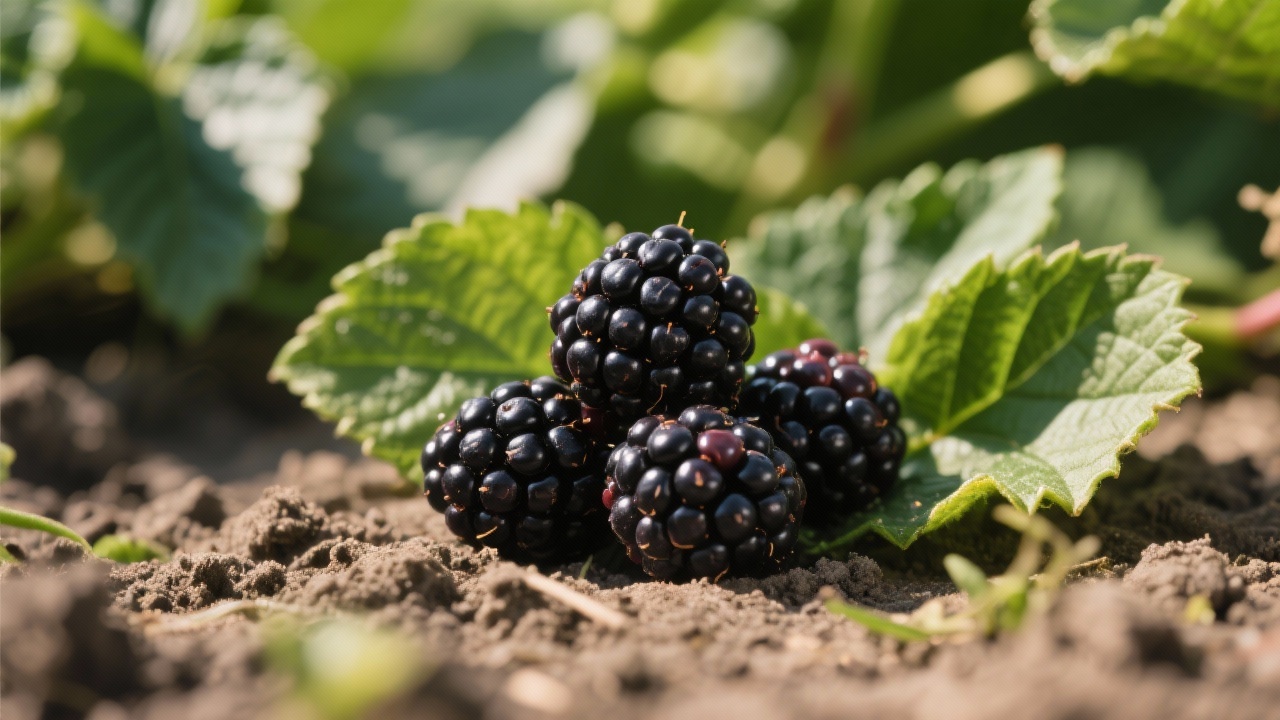
The foundation of exceptional frozen blackberries begins in the field. The world's premier blackberry-growing regions share specific climatic characteristics that contribute to superior fruit quality. Pacific Northwest regions of the United States, with their moderate temperatures (average summer temperatures between 18-24°C) and well-drained volcanic soil, consistently produce berries with higher sugar content and firmer texture.
European producers in countries like Serbia and Hungary benefit from continental climates with warm summers (22-28°C during the day) and cool nights, which enhance flavor development through optimal sugar accumulation. These regions typically receive 600-800mm of annual rainfall, supplemented by controlled irrigation during critical growth stages.
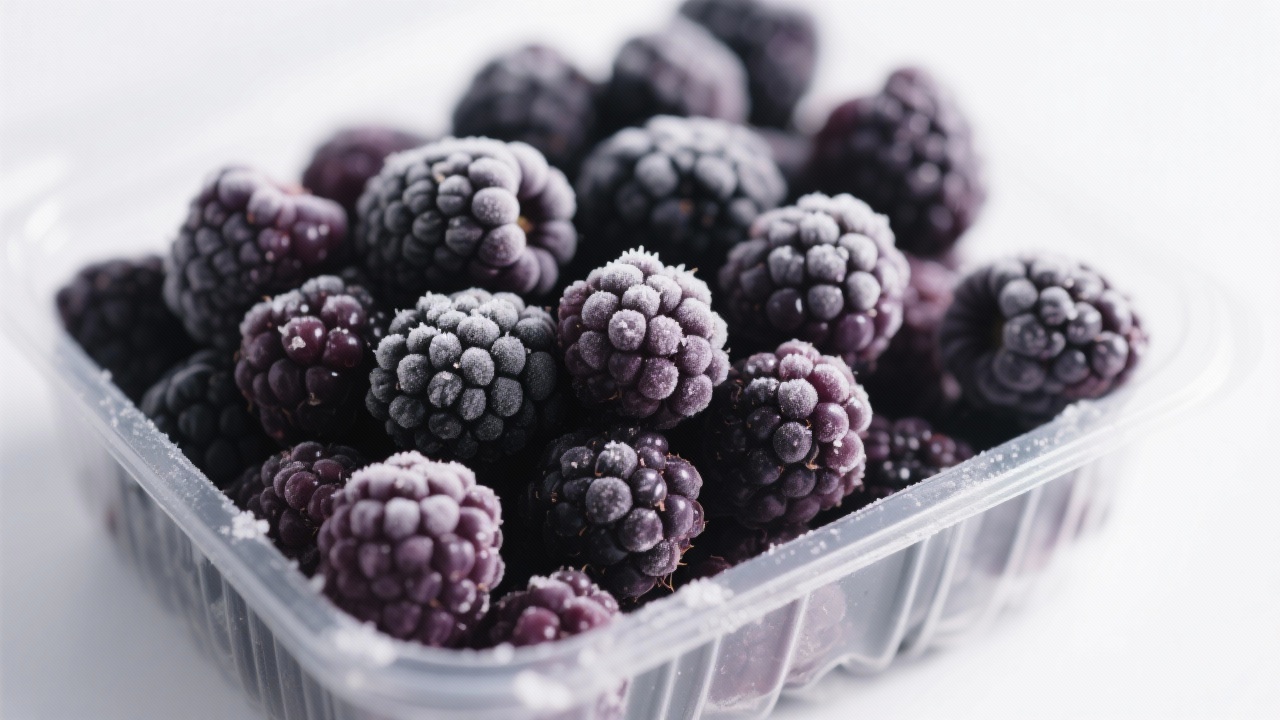
Harvesting blackberries at precisely the right stage of maturity is a science that directly impacts frozen product quality. Unlike some fruits, blackberries do not continue to ripen after harvest, making accurate maturity assessment essential.
Visual indicators of optimal maturity include a uniform deep purple to black coloration, with the calyx (green stem end) beginning to separate slightly from the fruit. Tactile assessment involves gentle pressure – ripe berries should yield slightly to pressure without being soft or mushy. Ideally, berries should be harvested when they have reached 90-95% of full color development, typically 3-5 days after the first color change from red to purple.
"We implement a dual-stage maturity testing process in our partner farms. Each batch undergoes both visual inspection and Brix testing to ensure optimal sugar levels. Only berries falling within our strict 10-12° Brix range proceed to processing. This attention to detail results in a frozen product that maintains 90% of fresh berry flavor after thawing."
— Dr. Elena Kovac, Postharvest Specialist, European Berry Institute
Achieving the industry-leading 95% whole fruit rate requires a sophisticated combination of mechanical precision and human expertise. Modern processing facilities employ a three-stage sorting process that sets premium products apart from standard offerings.
Initial mechanical sorting removes obvious defects using size sensors and color sorting technology, eliminating undersized, overripe, or discolored berries. This first pass typically removes 70-80% of substandard fruit, preparing the batch for more detailed inspection.
The second stage involves human inspectors positioned along conveyor belts, each responsible for identifying specific defects. This manual inspection targets subtle issues like minor bruising, stem fragments, or shape irregularities that mechanical systems might miss. Finally, a quality control supervisor conducts random sampling of finished products, ensuring compliance with the established quality parameters before freezing.
A leading European processor implemented these comprehensive sorting protocols across their facilities and documented significant improvements in product quality and customer satisfaction. Within six months of implementation:
The investment in enhanced sorting processes resulted in a 23% increase in profitability through improved product pricing and reduced waste.
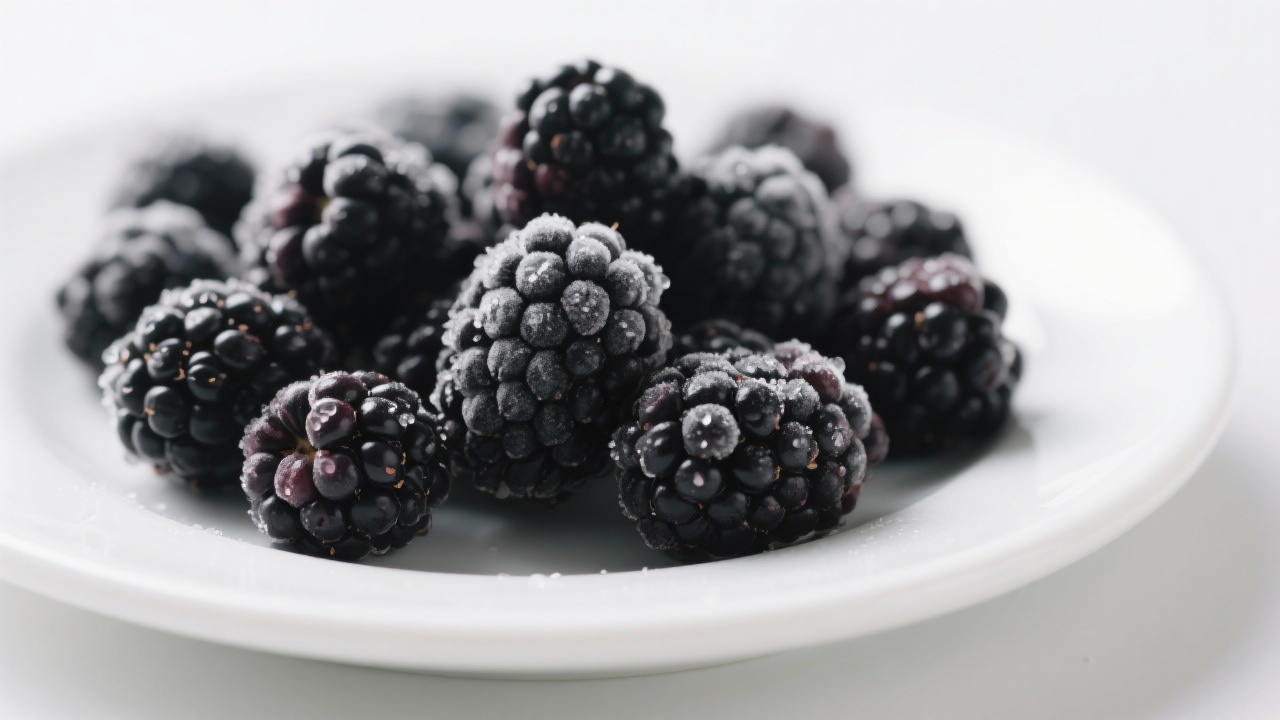
Even the highest quality berries will deteriorate without proper freezing technology. The optimal freezing process involves individual quick freezing (IQF) at temperatures of -35°C to -40°C, which creates small ice crystals that minimize cellular damage. This technology preserves both texture and nutrient content, ensuring the frozen product closely resembles fresh berries when thawed.
Following freezing, proper storage at -18°C or lower is essential for maintaining quality during transportation and storage. Reputable suppliers implement temperature monitoring throughout the supply chain, providing clients with full traceability documentation.
Access our comprehensive Frozen Blackberry Quality Assessment Protocol developed by 亿商桥's team of agricultural specialists.
Download Your Quality Standards GuideSelecting the right frozen blackberry supplier is a decision that impacts your entire production chain. By prioritizing产区环境 (growing region conditions), rigorous maturity assessment, and sophisticated sorting processes, you ensure a consistent, high-quality ingredient that meets consumer expectations and drives product success. The most successful food businesses recognize that premium raw materials are the foundation of exceptional finished products.


_(2).jpg?x-oss-process=image/resize,m_fill,h_600,w_600/format,webp)


.jpg?x-oss-process=image/resize,m_fill,h_600,w_600/format,webp)

.jpg?x-oss-process=image/resize,m_fill,h_600,w_600/format,webp)