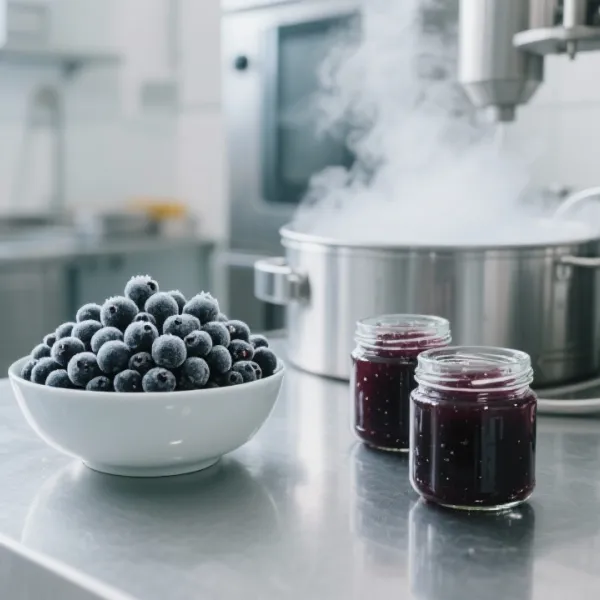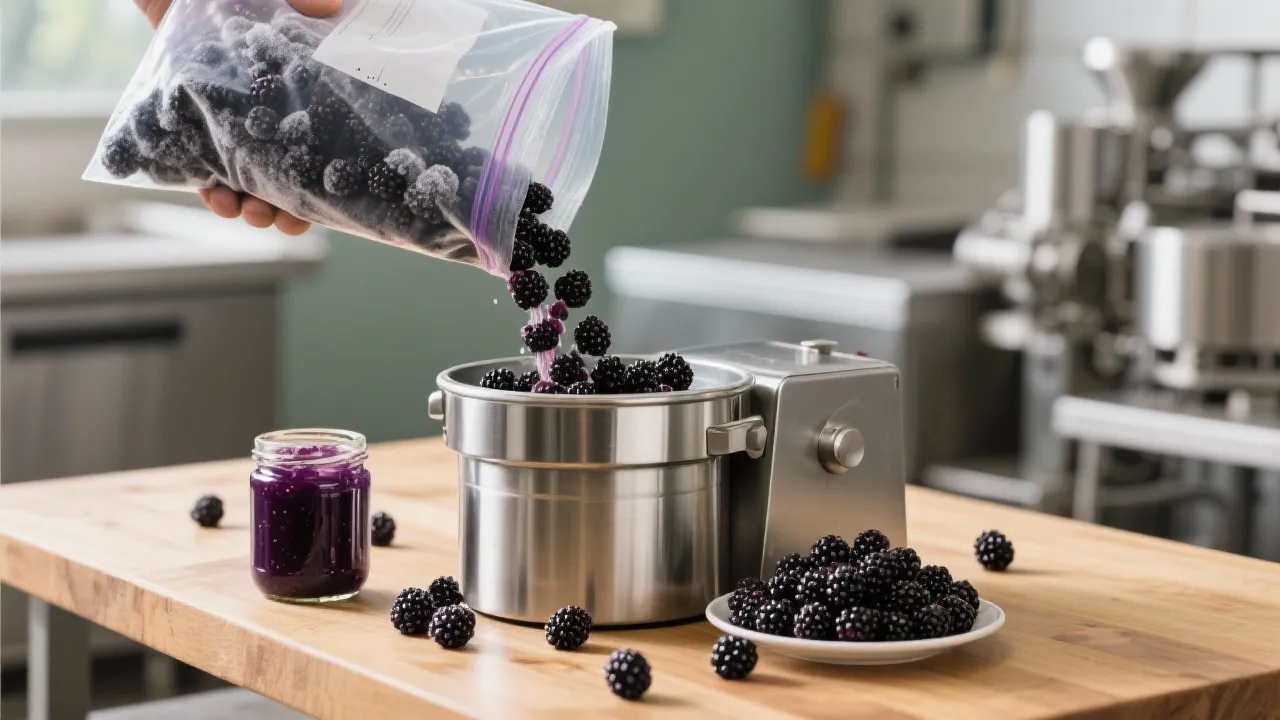
In the competitive landscape of frozen berry procurement, distinguishing superior quality frozen blackberries requires more than casual inspection. This comprehensive analysis explores the critical factors that define premium frozen blackberries, with particular focus on climatic influences, maturity indicators, and the transformative impact of meticulous sorting processes. Whether you're a procurement specialist, wholesaler, or food processor, understanding these technical nuances will empower you to optimize your supply chain and ensure consistent product excellence.
The foundation of exceptional blackberry quality begins in the field, where specific environmental conditions foster optimal flavor development and nutritional density. Leading blackberry-growing regions, such as the Pacific Northwest in the United States, the Mediterranean basin, and select areas of Chile, offer the ideal combination of sunlight, rainfall, and soil composition.
Climatic Impact Factors:
These environmental factors directly influence key quality parameters. For instance, blackberries grown in regions with significant diurnal temperature variation typically exhibit higher sugar-acid ratios, resulting in more complex flavor profiles. Soil composition similarly affects nutrient uptake, with potassium levels directly impacting fruit firmness and calcium content influencing shelf life.
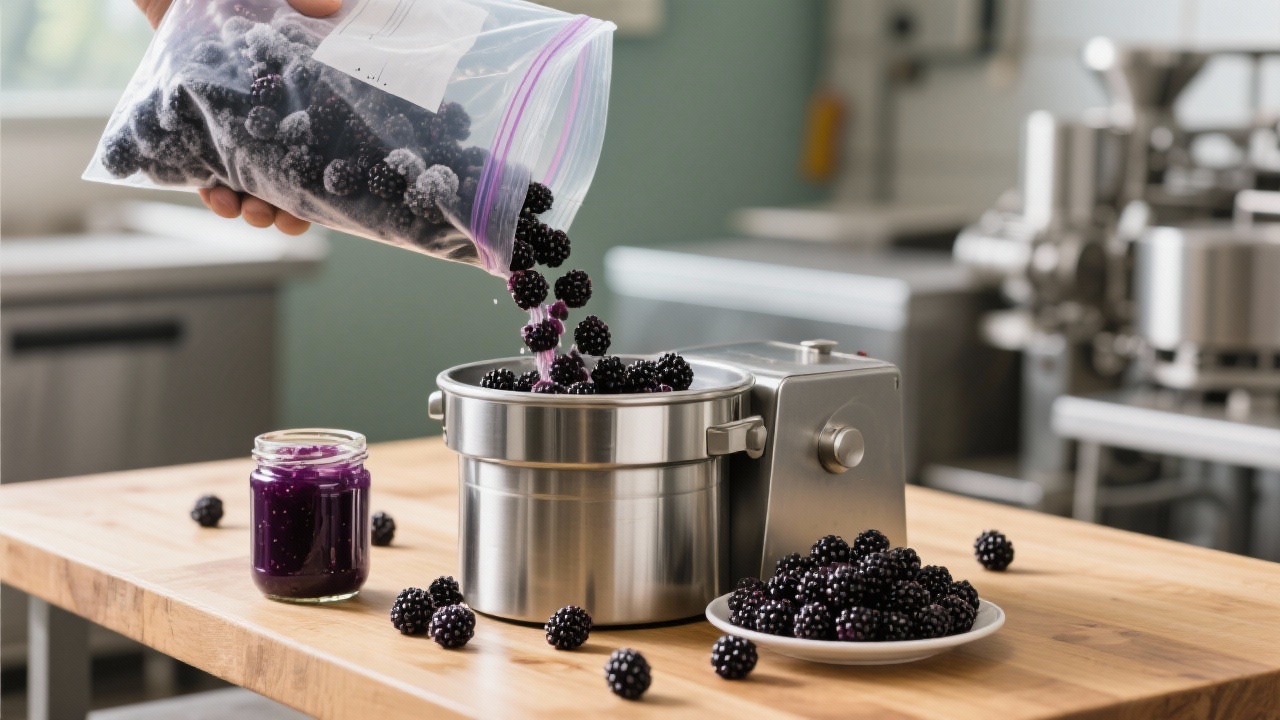
Accurate maturity assessment represents the single most important factor in selecting high-quality blackberries for freezing. Harvesting at optimal maturity ensures maximum flavor development, nutritional content, and structural integrity—all essential for superior frozen product quality.
| Maturity Stage | Color Characteristics | Texture Indicators | Optimal Harvest Window |
|---|---|---|---|
| Immature | Red to reddish-purple, uneven coloration | Firm, crunchy, minimal juice | Not suitable - insufficient flavor development |
| Optimal Maturity | Deep, uniform purple-black, slight gloss | Plump, slight give when gently squeezed, juicy | 3-5 days post-color change, depending on variety |
| Overripe | Dull black, may show leakage, uneven soft spots | Soft, mushy, excessive juice release | Not suitable - poor structural integrity for freezing |
Visual inspection remains the primary method for maturity assessment, with color serving as the most reliable indicator. Premium blackberries destined for freezing should exhibit a deep, uniform purple-black coloration across the entire fruit surface. The drupelets should be fully developed and tightly packed, with minimal gaps between them.
Tactile assessment complements visual inspection. When gently pressed between thumb and forefinger, optimally mature blackberries will yield slightly while maintaining structural integrity. Excessive firmness indicates under-ripeness, while sponginess or juice leakage signals over-ripeness—both compromising final product quality.
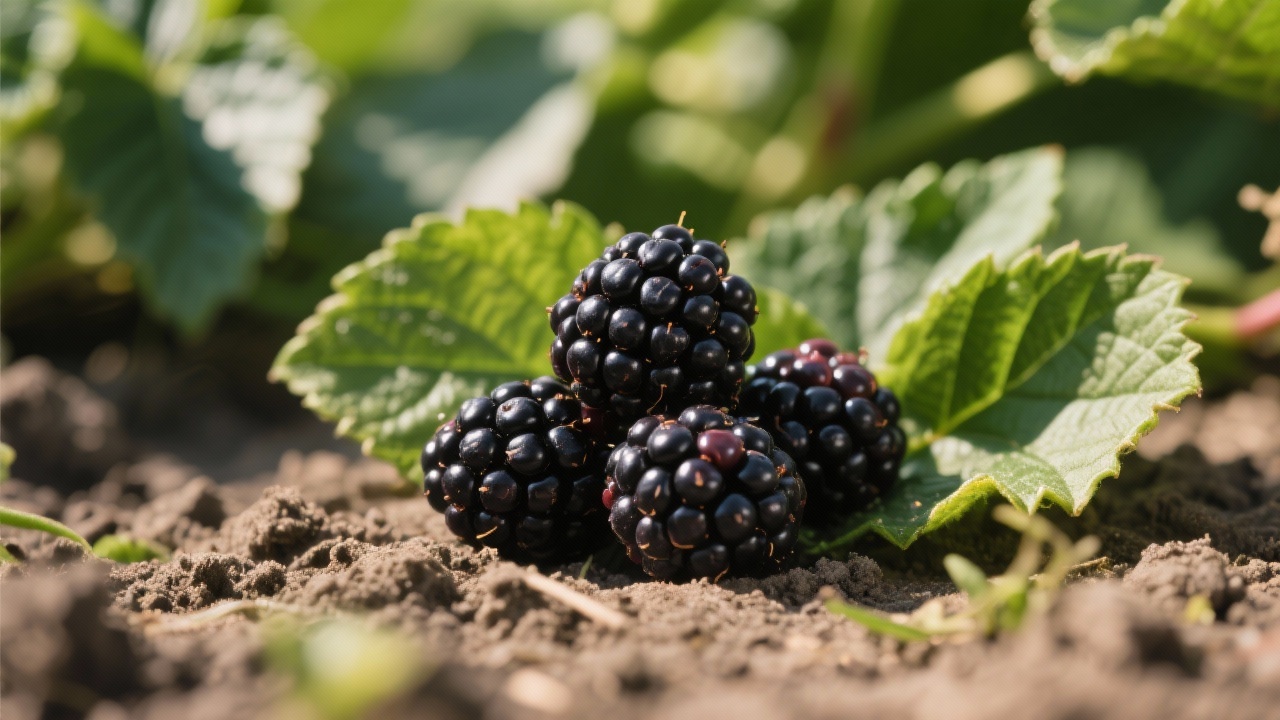
While proper harvesting sets the foundation for quality, the sorting process determines the final product integrity and consistency. The choice between mechanical and manual sorting significantly impacts key quality metrics, particularly whole fruit yield—a critical factor in frozen blackberry pricing and usability.
Mechanical Sorting
Manual Sorting
A well-implemented manual sorting process involves multiple quality checkpoints. Initial sorting removes obvious defects—under/over-ripe fruit, mold, and foreign material. Secondary sorting focuses on more subtle quality indicators, including size uniformity, color consistency, and structural integrity. This multi-stage approach ensures that only berries meeting the highest standards proceed to freezing.
The investment in manual sorting yields substantial returns. Our analysis of processing facilities implementing enhanced manual sorting protocols demonstrates a 30% reduction in customer returns and a 15-20% increase in repeat orders, as buyers recognize and value the consistent quality.
Leading agricultural specialists emphasize the importance of integrated quality control throughout the supply chain. "The difference between average and premium frozen blackberries lies in the details—from soil preparation to post-harvest handling," notes Dr. Maria Hernandez, agricultural research scientist with 15 years of berry crop specialization.
Quality control professionals echo this sentiment. "We've found that implementing rigorous maturity assessment protocols reduces processing losses by approximately 12%," explains James Wilson, QA Director at a major berry processing facility. "When coupled with meticulous manual sorting, we consistently achieve 94-95% whole fruit yield, significantly enhancing our competitive position."
These expert insights underscore a critical industry reality: while automation plays a role in modern processing, the human element remains irreplaceable in identifying the subtle quality indicators that distinguish premium products from commodity-grade alternatives.
Access our comprehensive resources to implement industry-leading quality control practices in your frozen blackberry procurement process.
Download Our Complete Blackberry Quality Assessment ManualIncludes detailed maturity charts, sorting protocols, and supplier evaluation criteria developed with industry experts.
By implementing the quality assessment methodologies outlined in this guide, procurement professionals can transform their supply chain from a cost center to a strategic advantage. The ability to consistently source premium frozen blackberries not only enhances end-product quality but also strengthens customer relationships and positions businesses for long-term success in an increasingly competitive marketplace.
Remember that quality assessment is not a one-time activity but an ongoing process requiring regular monitoring and adjustment. Environmental conditions, crop varieties, and market expectations evolve, necessitating continuous refinement of your quality control protocols. By maintaining this commitment to excellence, you'll ensure that your frozen blackberry products consistently meet or exceed customer expectations.

_(2).jpg?x-oss-process=image/resize,m_fill,h_600,w_600/format,webp)



.jpg?x-oss-process=image/resize,m_fill,h_600,w_600/format,webp)

.jpg?x-oss-process=image/resize,m_fill,h_600,w_600/format,webp)
.jpg?x-oss-process=image/resize,m_fill,h_600,w_600/format,webp)