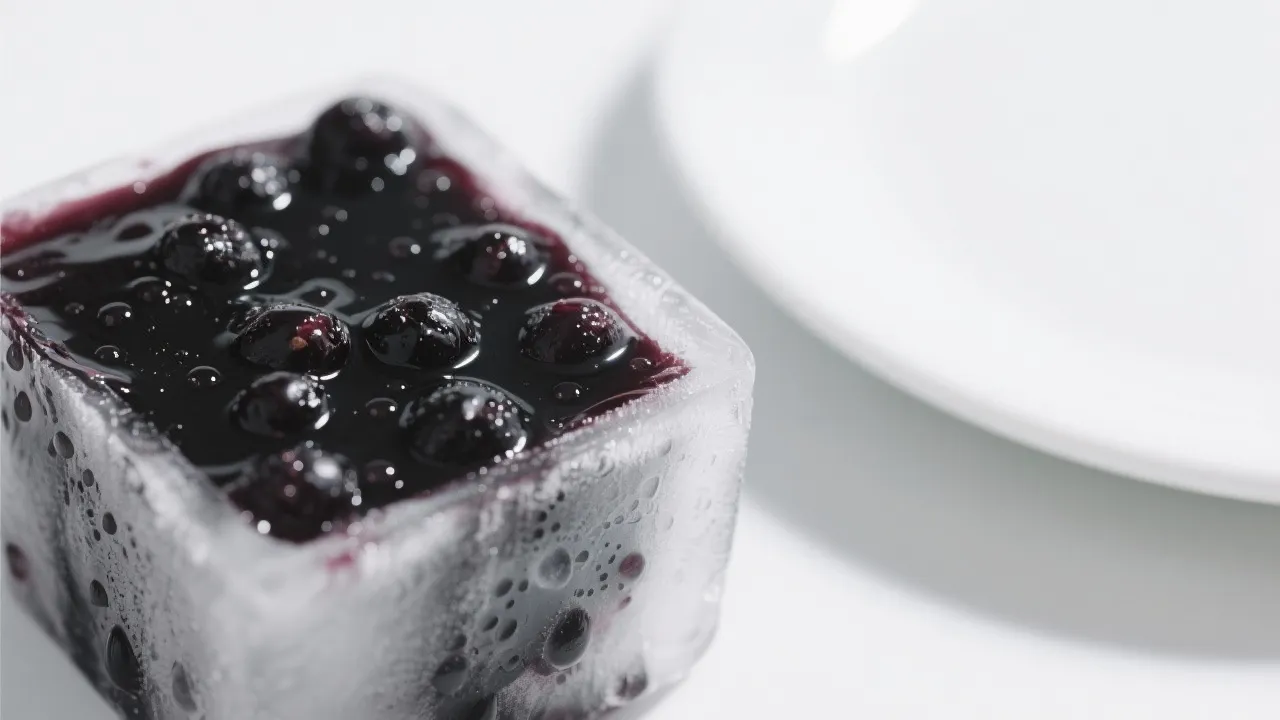
For food manufacturers and R&D teams aiming to create premium blackberry jam products, the challenge of maintaining color vibrancy, flavor integrity, and nutritional value when using frozen blackberries is a common pain point. Many processors struggle with issues like excessive water release, color degradation, and flavor loss during production. Today, we'll walk through proven techniques that will help your team transform high-quality frozen blackberries into jams that rival those made with fresh fruit.
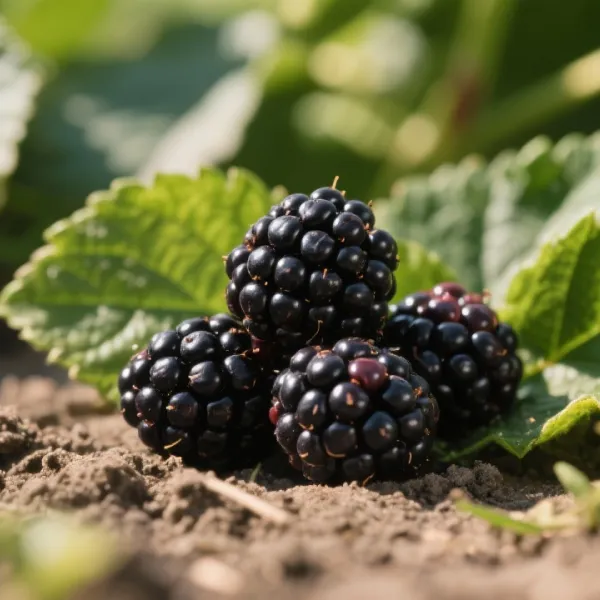
Contrary to common misconceptions, premium frozen blackberries can deliver exceptional results when processed correctly. When flash-frozen at peak ripeness within hours of harvest, blackberries retain up to 92% of their original anthocyanins and essential nutrients—often higher than fresh berries that may spend days in transit and storage. The key advantage for food manufacturers is the consistent quality and year-round availability that frozen blackberries provide, eliminating seasonal supply issues and ensuring batch-to-batch consistency.
"The right frozen blackberry supplier should provide a minimum 95% whole fruit ratio, with strict quality control measures to ensure uniform ripeness and minimal damage during processing."
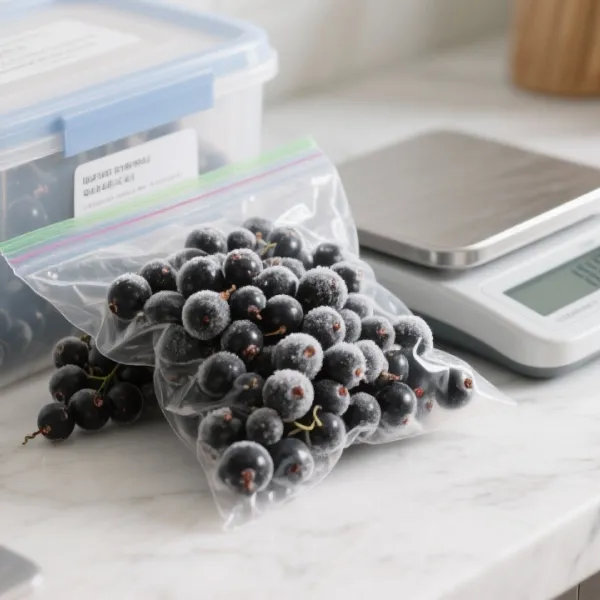
The biggest challenge when working with frozen blackberries is managing the water released during thawing. Improper thawing can result in a watery jam base and loss of fruit structure. Our research shows two effective methods:
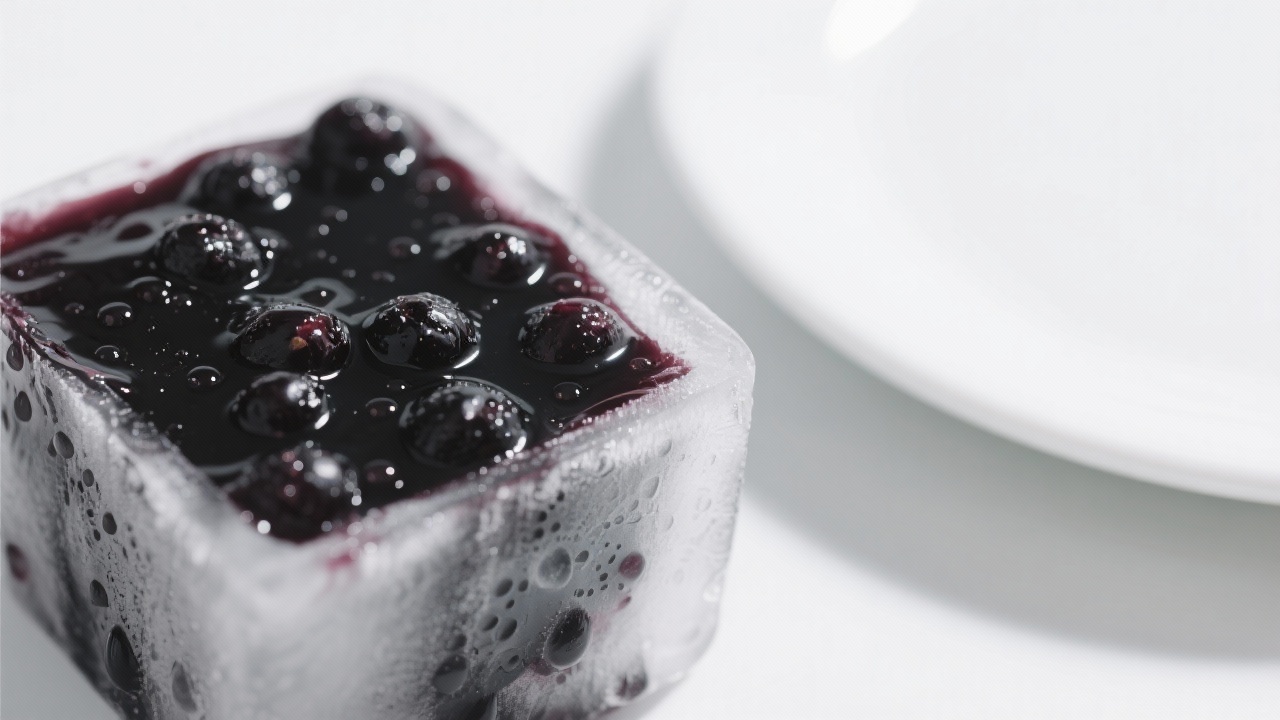
Achieving the perfect gel structure while preserving fruit flavor requires precise formulation. For blackberry jam, we recommend:
| Component | Recommended Ratio | Function |
|---|---|---|
| Frozen Blackberries | 100 parts | Base ingredient providing flavor, color, and texture |
| Sugar | 65-70 parts | Preservative, flavor enhancer, and gelling agent |
| Pectin | 1.2-1.5 parts | Structural support for gel formation |
| Citric Acid | 0.3-0.5 parts | pH adjustment for optimal pectin activation (target pH 3.0-3.4) |
试试看这个小技巧: For enhanced color stability, add 0.02% ascorbic acid before heating. This simple addition can increase anthocyanin retention by an additional 8-10% during processing.
Overheating is the primary cause of flavor degradation and color loss in blackberry jam production. The optimal approach involves a two-stage heating process:
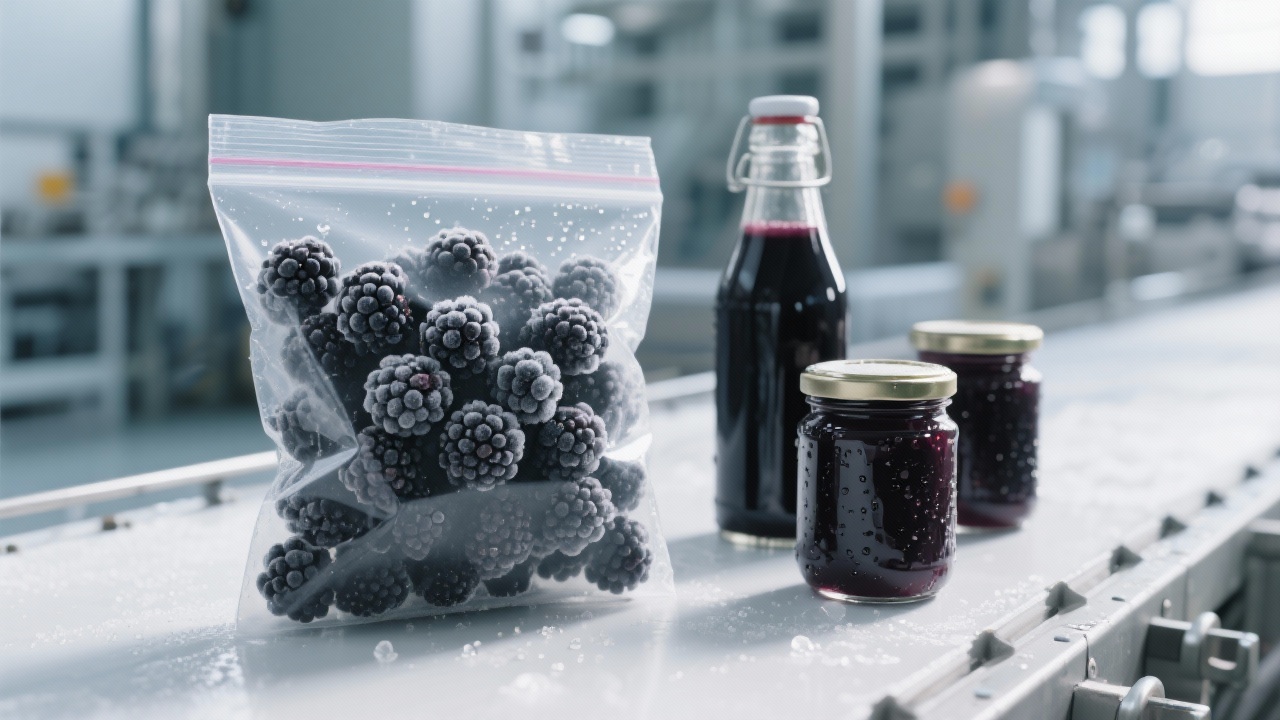
To ensure consistent results with frozen blackberries, implement these quality control checkpoints throughout production:
When properly processed, frozen blackberries can produce jams with a shelf life of 12-18 months while maintaining over 90% of the original antioxidant capacity. This longevity gives your production team greater flexibility in inventory management and seasonal planning.
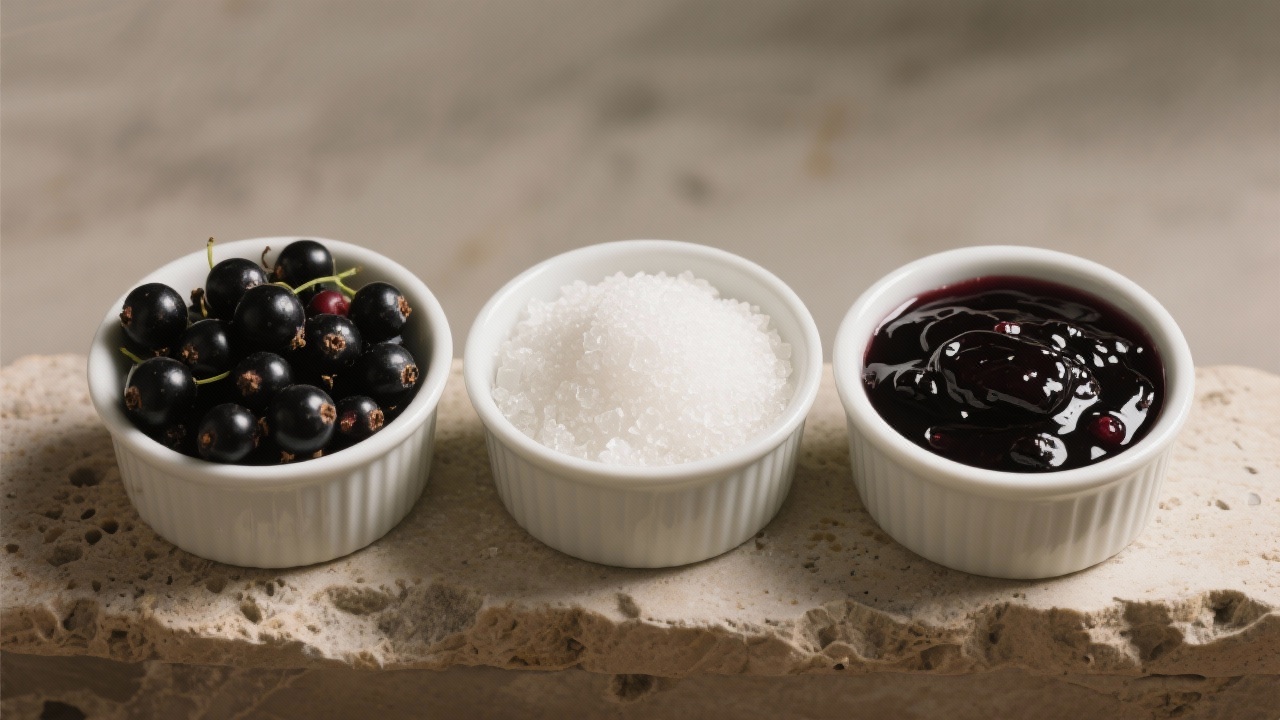
亿商桥 provides premium frozen blackberries with 95%+ whole fruit ratio and consistent quality that will elevate your jam products. Our technical team offers personalized support to optimize your production process.
Request Your Sample & Technical GuideMany food manufacturers have discovered that with the right techniques and high-quality frozen blackberries, they can consistently produce premium jams that meet consumer demand for natural ingredients and authentic flavor. The key lies in understanding how frozen fruit behaves during processing and implementing the specific controls that preserve the unique qualities of blackberries. By following these guidelines, your team can create products that stand out in a competitive market while enjoying the operational benefits that frozen ingredients provide.
_(2).jpg?x-oss-process=image/resize,m_fill,h_600,w_600/format,webp)