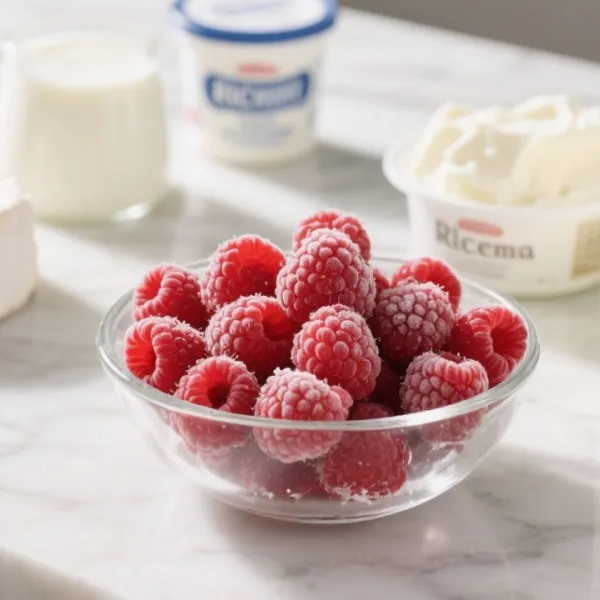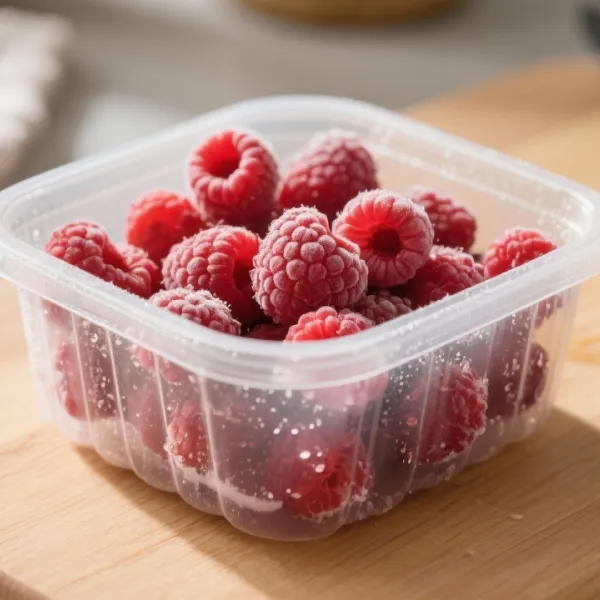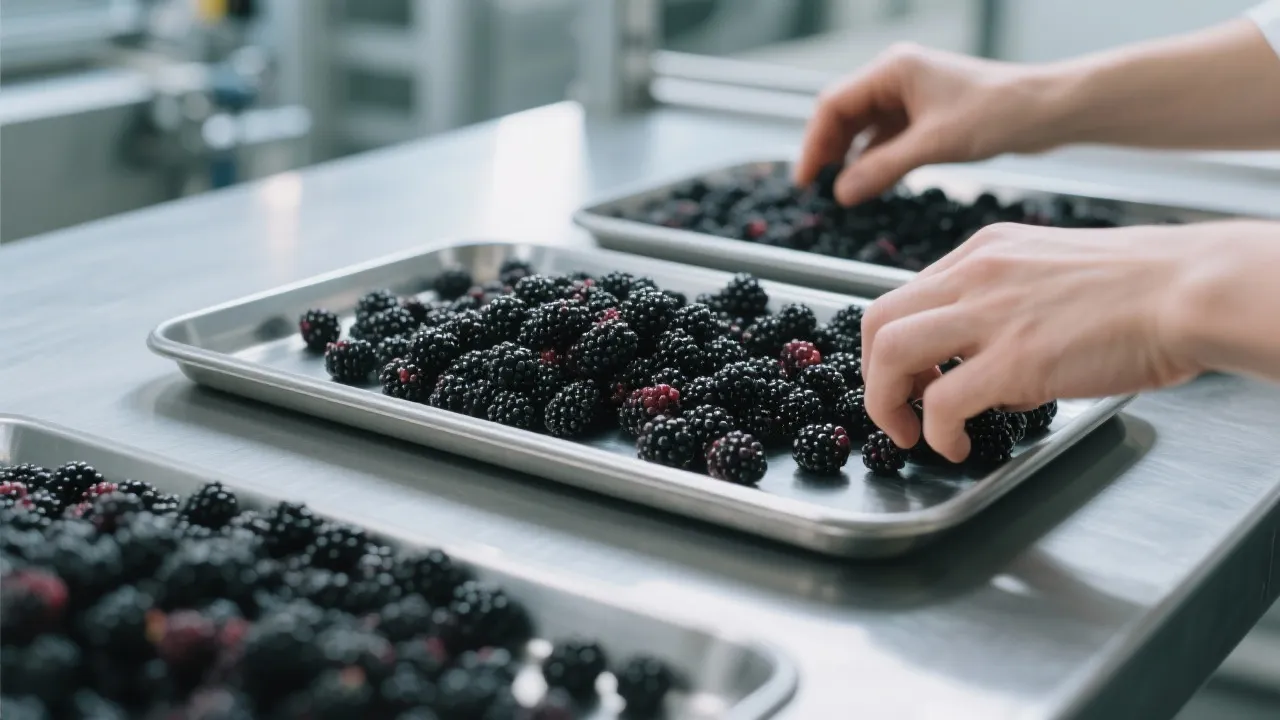
If a pastry team has ever fought seasonal inconsistency—berries arriving soft one week, sharp-acidic the next—then the recent shift makes sense. More premium dessert brands are treating frozen blackberries not as a backup ingredient, but as a standardized R&D tool: predictable color, repeatable texture, and year-round availability that protects menu timing.
The key is not “frozen vs. fresh” as a concept, but what quality indicators are controlled before freezing: whole-berry rate, rapid freezing speed, sorting accuracy, and moisture management after thawing. Those details determine whether your blackberry gelato stays clean and vibrant—or turns muddy and watery.
Many upscale patisseries now develop “signature” berry desserts that must look identical across weeks, locations, and service peaks. Fresh blackberries are excellent when perfect, but they are also vulnerable to harvest timing, transport bruising, and short shelf life. In practice, teams end up adjusting sugar, pectin, or acid each batch—slowing down production and increasing waste.
Premium frozen blackberries—especially lots made for foodservice and dessert manufacturing—reduce that variability by locking the berry at a stable window of ripeness. For R&D teams, that means faster iteration and fewer “surprises” during scale-up.
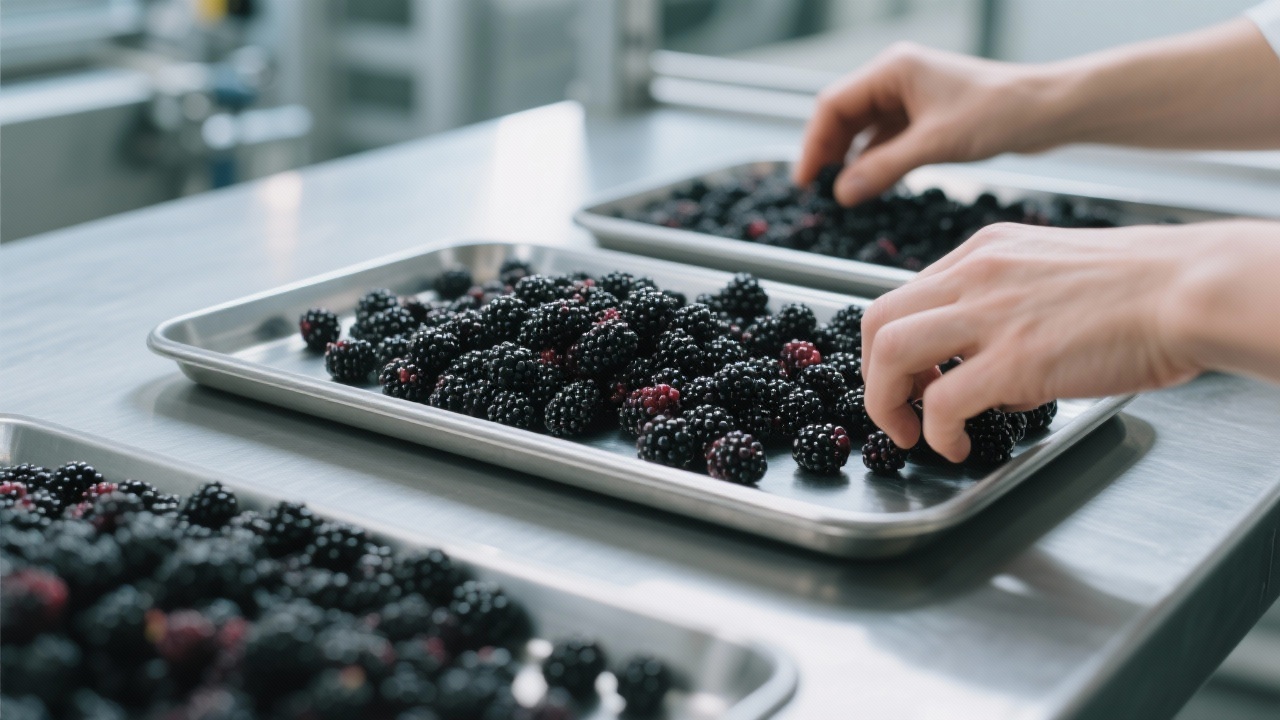
In plated desserts and boutique pastries, broken berries quickly read as “processing-grade.” A whole-berry rate of 95% or above—typically achieved via multi-step screening plus manual selection—keeps inclusions elegant in entremets, tarts, and chocolate bars. It also reduces “purple bleed” into creams caused by crushed fruit and free juice.
For blackberries, speed matters. Rapid freezing (commonly -35°C to -40°C tunnel or IQF conditions) forms smaller ice crystals, which helps protect cell structure and reduces drip loss on thawing. In dessert terms: cleaner berry bite, more defined inclusions, and a brighter, less “cooked” flavor impression.
Blackberry color is driven largely by anthocyanins, which are sensitive to pH, heat, oxygen, and prolonged holding. Premium frozen fruit helps teams control variables: the berries are frozen quickly after sorting, and remain cold through distribution. For many pastry applications, this translates into more consistent hue across batches—especially important in mousse layers, glazes, and mirror finishes where color shifts are obvious.
Fresh blackberries win in immediate fragrance when perfectly ripe and served raw. But high-end production is rarely “perfectly ripe, always.” Frozen blackberries become the strategic choice when the business requires repeatability:
| Decision Factor | Fresh Blackberries | Premium Frozen Blackberries |
|---|---|---|
| Batch consistency | Often fluctuates by harvest week and transport | More stable; easier to standardize recipes |
| Waste & shrink | Can be high due to bruising and mold risk | Lower in controlled cold chain; portionable |
| Color control | Variable; can dull quickly after holding | More repeatable in mousse, coulis, glaze |
| R&D speed | Recipe tweaks frequently needed | Fewer adjustments; easier scaling |
| Year-round availability | Season-limited or expensive logistics | Stable supply supports planning |
A common decision-stage problem is this: “The supplier says it’s premium, but how do we verify it quickly in a kitchen or pilot facility?” These checks are simple, repeatable, and correlate well with dessert performance.
Spread 200g of frozen berries on a tray under neutral light. Look for deep, even black-purple tones with minimal “reddish” underripe berries. A mixed color population often signals mixed ripeness, which shows up later as uneven acidity and a thinner finish in coulis.
Weigh 300g, then count broken/crushed pieces after a gentle shake in a sieve. If the lot is positioned for premium desserts, teams commonly expect ≤5% broken pieces by weight. More breakage often means higher drip loss and faster color bleed.
Thaw 200g in a covered container at 2–4°C for 8 hours, then drain for 2 minutes. As a practical reference, many pastry teams prefer a drip loss around 6–10% for premium IQF berries. Higher drip can water down bases, force extra stabilizers, and dull berry top notes.
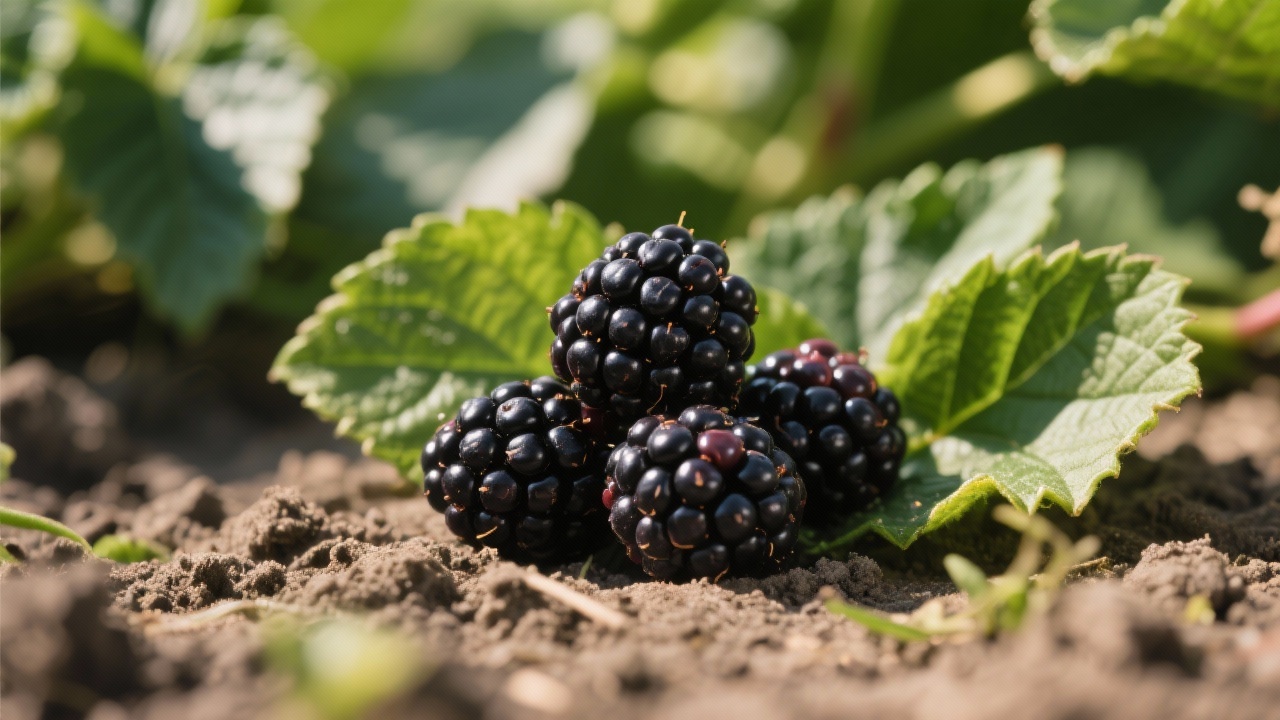
Teams often ask: “We switched to frozen, but why did our texture change?” Frozen blackberries can outperform fresh—but only if thawing and integration are handled intentionally.
If the berry puree is heated too aggressively, aromatic compounds flatten and the finish becomes jammy. Many gelato teams keep the fruit phase below 45–50°C when possible, using gentle blending and short holding times. When pasteurization is required, they pasteurize the dairy base separately and fold in the berry phase later to protect freshness.
Blackberry reads “premium” when acidity is precise, not harsh. In practice, pairing with ingredients that support a stable berry profile helps a lot: vanilla bean for roundness, dark chocolate (60–70%) for depth, and citrus zest in small amounts for lift. If a recipe includes high-alkaline components, expect color to shift duller and compensate through formulation rather than blaming the fruit.
Repeated open-close cycles create surface melting and refreezing, which increases clumping and breakage. A practical workflow is to portion frozen blackberries into service-day packs immediately after opening (while still hard-frozen), then return to storage fast. This simple habit often improves whole-berry presentation and reduces drip variability.
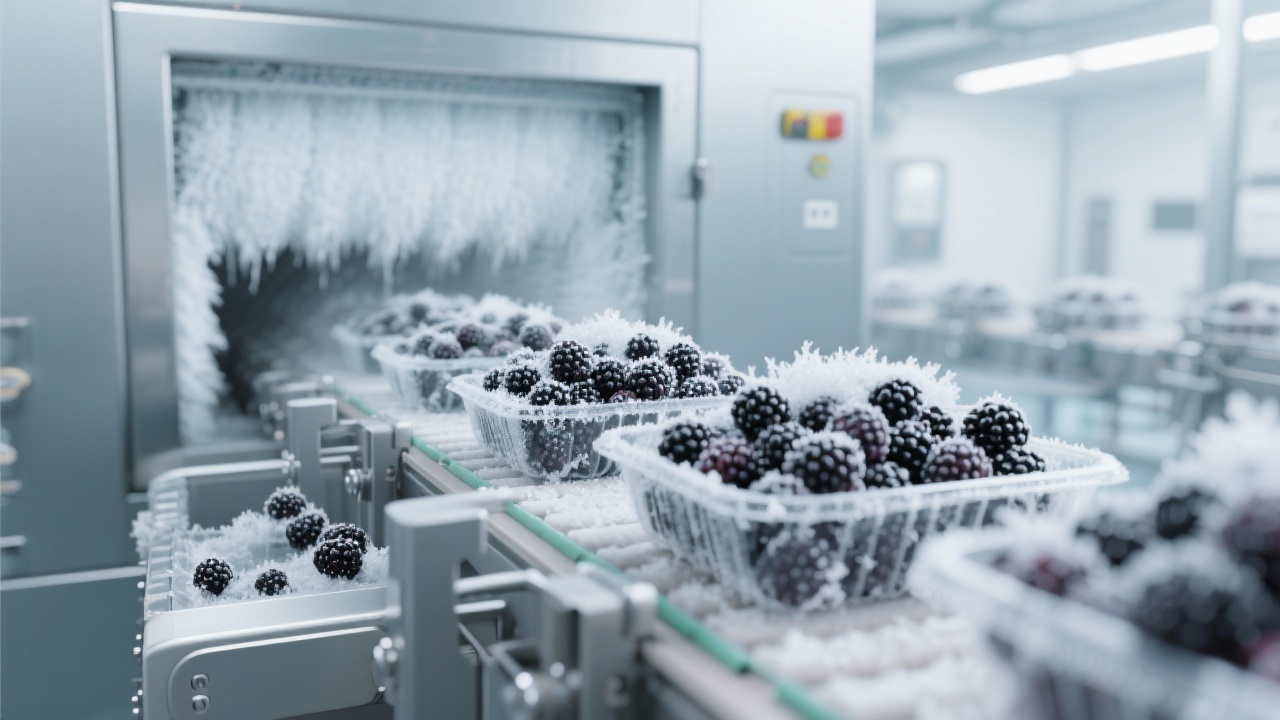
A boutique dessert chain (three city locations) struggled with a blackberry-and-dark-chocolate entremet that had become a top seller—yet weekly batches looked different. The issues were familiar: inconsistent fresh fruit sweetness, occasional soft berries that bled into mousse, and supply gaps that forced menu pauses.
After switching to premium IQF frozen blackberries with a ≥95% whole-berry specification and adopting a controlled thawing protocol (overnight at 2–4°C), the team reported:
The most important change was not “frozen fruit” itself, but the shift to measurable input standards that matched the brand’s visual and sensory targets.
Get the decision-ready criteria used in premium dessert kitchens—whole-berry rate checks, thaw-drip tests, and application-specific handling tips—packaged as a practical PDF you can share with your R&D and purchasing team.
Download the “Frozen Berry Ingredient Selection White Paper (PDF)” for Premium Desserts
Prefer live discussion? Request an invite to a small R&D exchange group focused on frozen berry applications in gelato, mousse, and pastry.

_(2).jpg?x-oss-process=image/resize,m_fill,h_600,w_600/format,webp)


_(4).jpg?x-oss-process=image/resize,m_fill,h_600,w_600/format,webp)

.jpg?x-oss-process=image/resize,m_fill,h_600,w_600/format,webp)