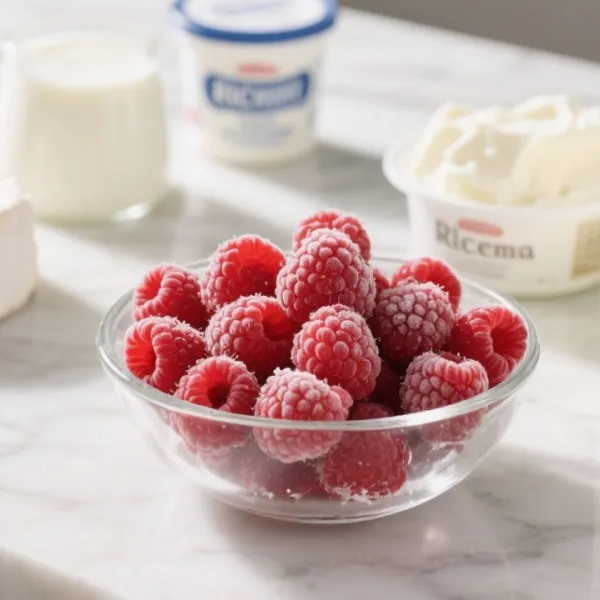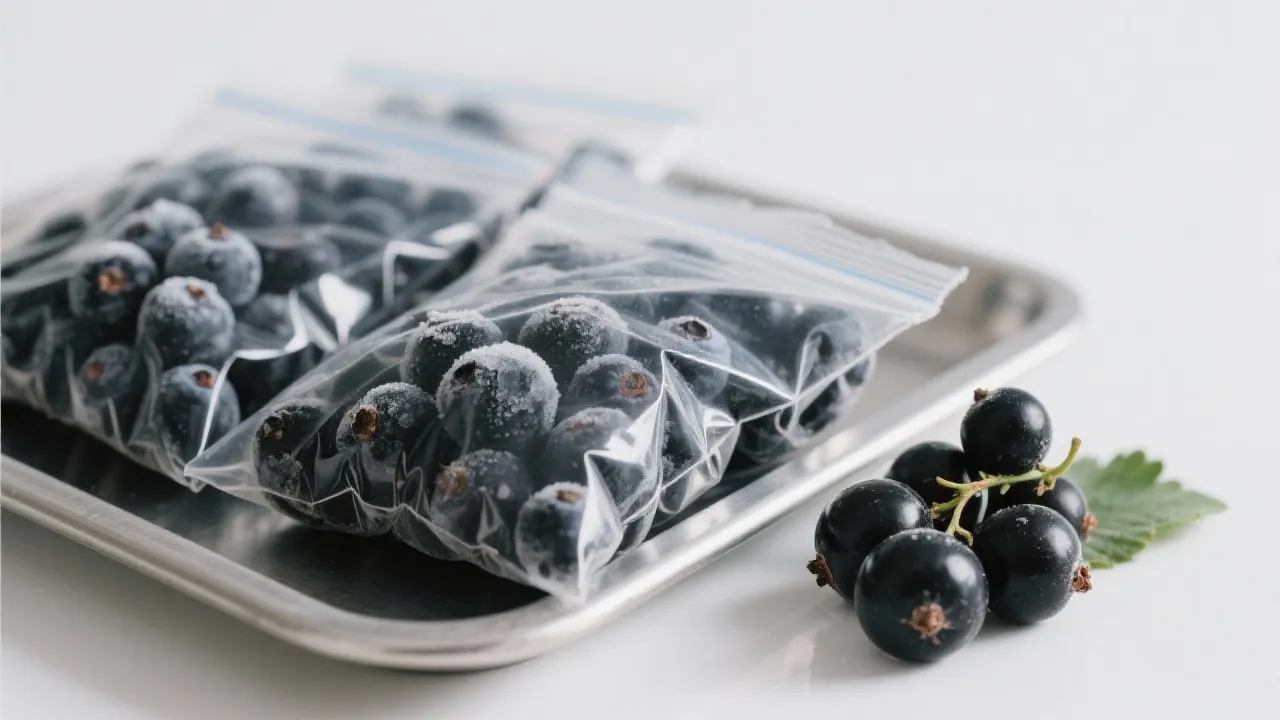
For food manufacturers and culinary professionals, achieving consistent flavor and texture in blackberry jam production can be challenging—especially when working with frozen ingredients. The transition from frozen to finished product involves critical control points that directly impact quality, cost-efficiency, and consumer satisfaction. This guide explores proven techniques to harness the full potential of frozen blackberries, backed by industry data and practical insights.
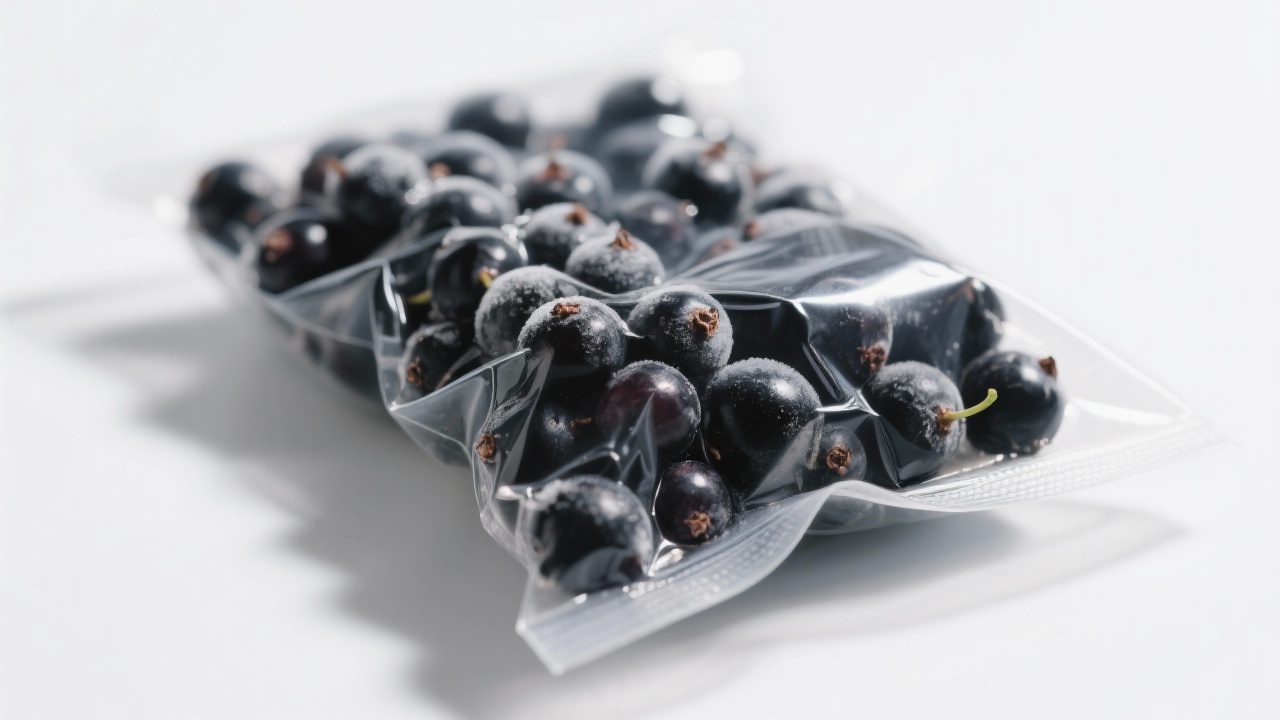
Contrary to common misconceptions, high-quality frozen blackberries often outperform fresh alternatives in commercial production environments. According to food science research, properly flash-frozen blackberries retain up to 85-90% of their original anthocyanins—the powerful antioxidants responsible for both color and nutritional value. This compares favorably to fresh berries that may lose 30-40% of these compounds during extended storage and transportation.
Additionally, frozen blackberries offer 95%+ whole fruit integrity when handled correctly, providing consistent particle distribution in jam formulations—a critical factor for texture uniformity across production batches.
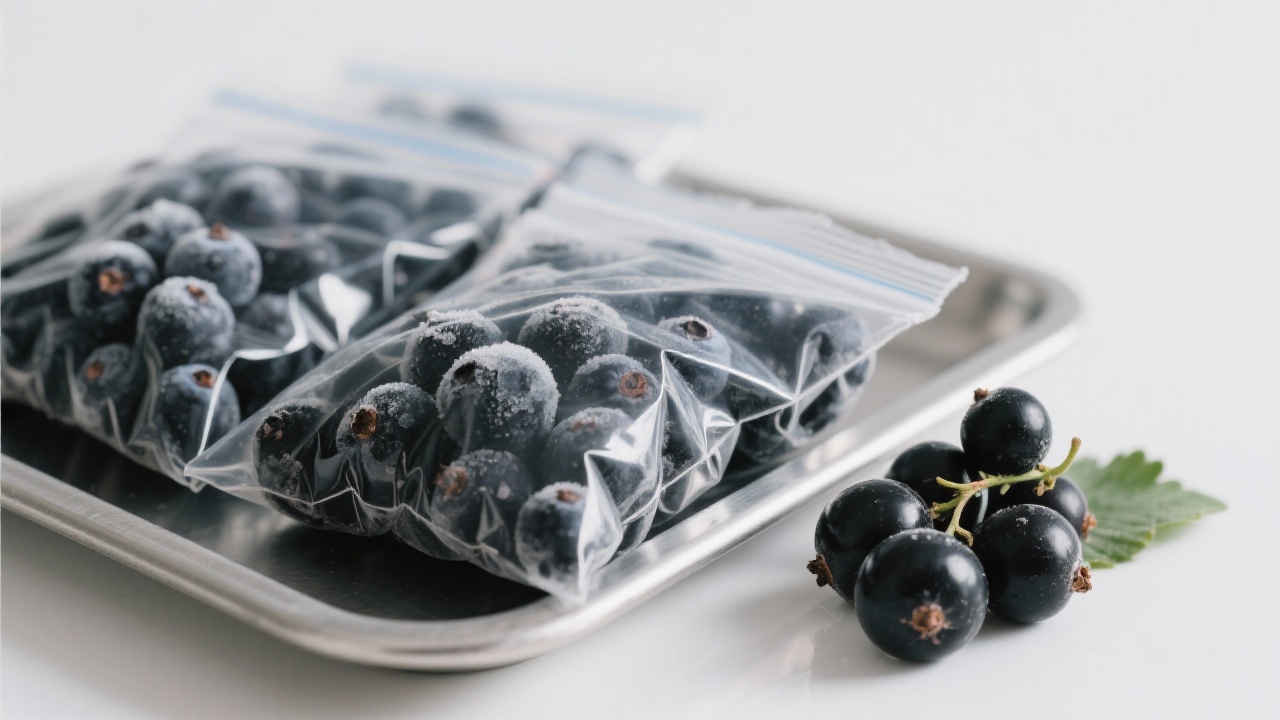
Improper thawing represents the single largest cause of flavor degradation and texture issues in frozen blackberry jam production. Traditional room-temperature thawing can lead to up to 20% flavor loss and excessive juice release, complicating consistency.
Controlled cold-water thawing at 4-7°C (39-45°F) for 45-60 minutes preserves cellular structure while minimizing juice loss. This method maintains fruit integrity at 92%+, compared to just 76% with room-temperature thawing.
The timing of blackberry addition during jam processing directly impacts final texture and water activity. Our industry partners report that adding partially frozen berries (30-40% thawed) at the beginning of the cooking cycle reduces total processing time by 15-20% while enhancing flavor development through controlled release of natural pectins.
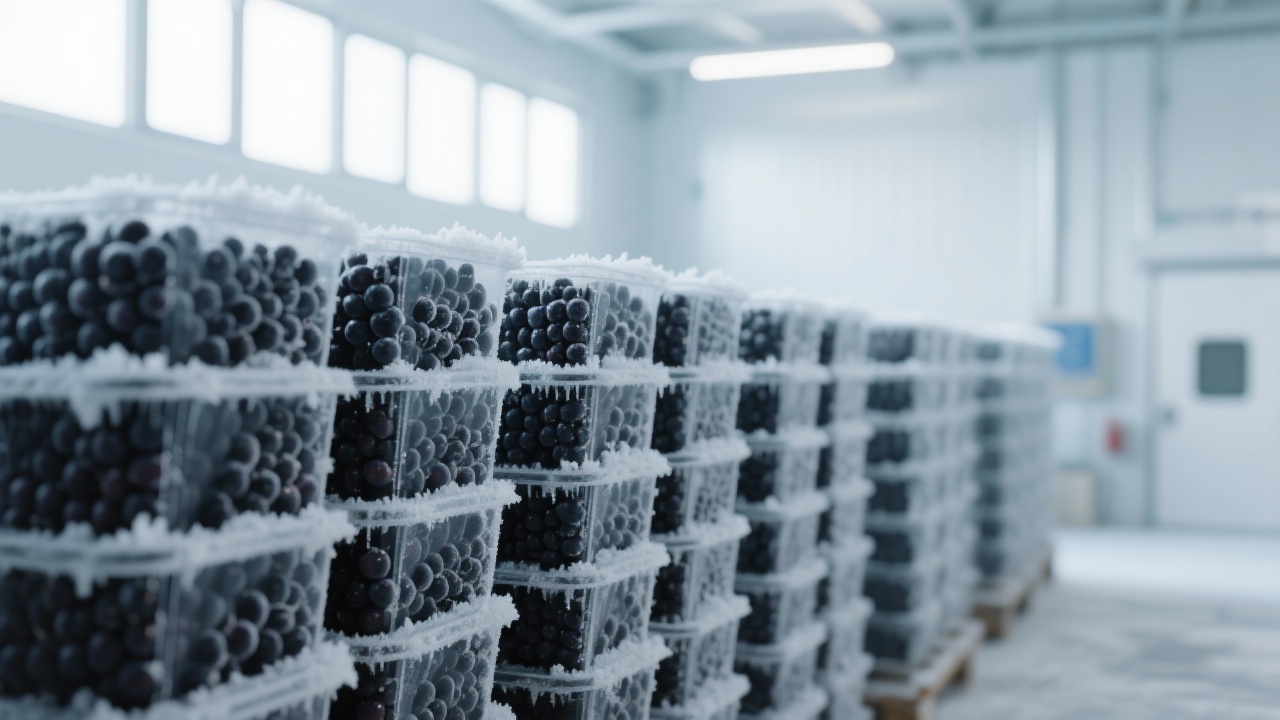
Balancing natural fruit pectins with complementary stabilizers creates the ideal texture profile while preventing syneresis (liquid separation). Food technologists recommend a combination of low-methoxyl pectin (0.3-0.5% by weight) and locust bean gum (0.15-0.25%) for superior stability across temperature fluctuations during storage.
Leading jam manufacturers implement systematic process validation to ensure consistency across production runs. Key metrics to monitor include:
By integrating these quality control measures with optimized frozen blackberry handling, processors report 40% reduction in production waste and 25% improvement in shelf-life stability.
Imagine consistently producing blackberry jam that maintains that "just-picked" freshness in every jar, with stable texture and vibrant color batch after batch.
Discover YiShangQiao's Premium Frozen Blackberry Solutions
Your jam deserves ingredients that deliver reliability, quality, and exceptional flavor—every single time.
What challenges have you encountered with frozen fruit processing? Share your experiences in the comments below—our food technologists regularly respond to industry questions and provide tailored advice for common production hurdles.

_(2).jpg?x-oss-process=image/resize,m_fill,h_600,w_600/format,webp)