
In the competitive world of food processing, consistency isn’t just a goal—it’s a requirement. According to a 2023 report by Food Ingredients First, over 72% of premium fruit-based product manufacturers now rely on frozen blackcurrants as their primary raw material. Why? Because they offer unmatched quality stability throughout the year—something fresh berries simply can’t deliver consistently.
Unlike conventional storage methods, modern quick-freezing technology locks in freshness at -30°C within 30 minutes of harvest. This process preserves cell structure, prevents oxidation, and maintains natural color and texture. Industry data shows that high-quality frozen blackcurrants retain up to 95% intact fruit integrity post-thaw—compared to only 60–70% for fresh berries after long-distance transport.

Fresh blackcurrants are available only between June and August in Northern Europe. For manufacturers aiming for 365-day production cycles, this creates major bottlenecks: seasonal price spikes, inconsistent supply chains, and frequent production halts. A case study from a UK-based jam producer revealed that switching to frozen blackcurrants reduced annual inventory costs by 22% and increased machine utilization by 18%.
“We used to lose 15% of our summer crop due to overripe or damaged berries. With frozen blackcurrants, we’ve cut waste by nearly 40%. It’s not just about convenience—it’s about control.” — Sarah Lin, Procurement Manager, Golden Fruit Co., UK
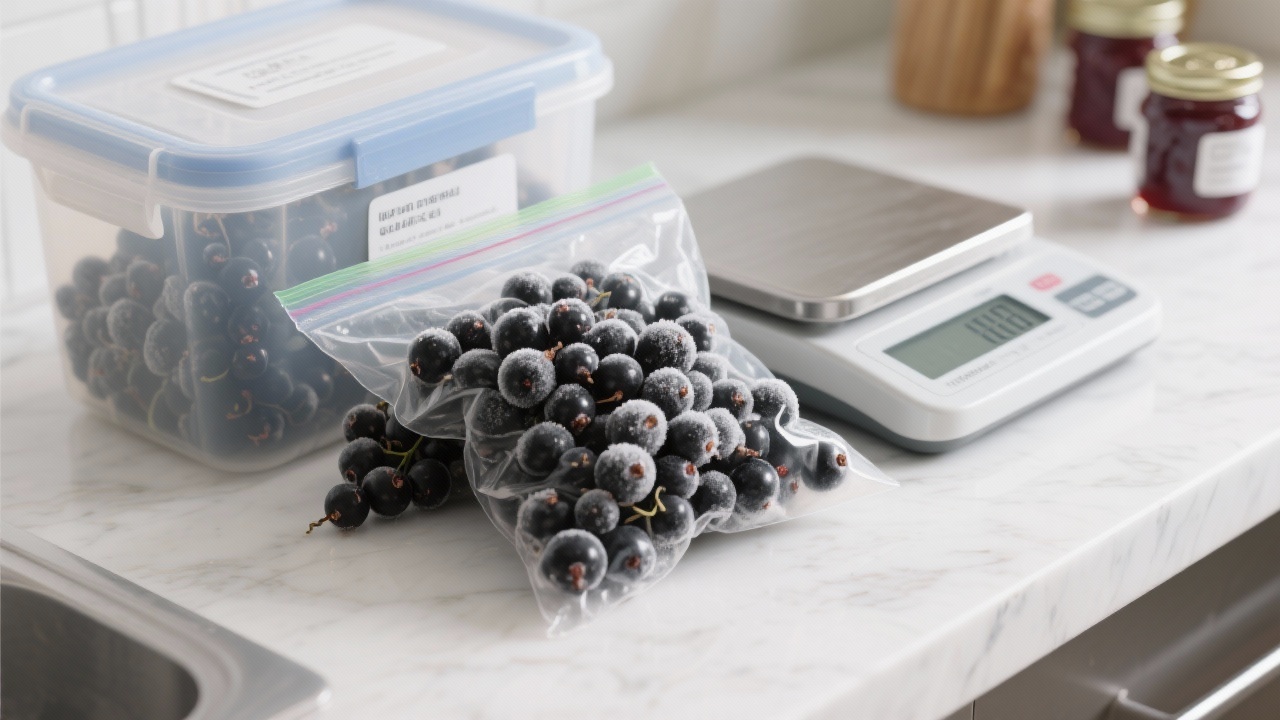
Frozen blackcurrants aren’t limited to jams—they’re increasingly used in fruit fillings for pastries, cold-pressed juices, and even functional beverages. One U.S. bakery chain reported a 12% reduction in reject rates when replacing fresh berries with frozen ones in their muffin filling lines, thanks to better moisture retention and uniform blending performance.
For professionals seeking deeper insights into sourcing strategies, application techniques, and technical specifications, we’ve compiled a comprehensive Industry Application Guide and a Technical White Paper detailing real-world implementation steps, cost-benefit analysis, and best practices from leading manufacturers globally.
Download our free industry guide and white paper to see how top brands are achieving consistent quality year-round—with less waste, lower risk, and higher efficiency.
Get the Industry Application Guide Now


_(2).jpg?x-oss-process=image/resize,m_fill,h_600,w_600/format,webp)



.jpg?x-oss-process=image/resize,m_fill,h_600,w_600/format,webp)


_(4).jpg?x-oss-process=image/resize,m_fill,h_600,w_600/format,webp)
.jpg?x-oss-process=image/resize,m_fill,h_600,w_600/format,webp)