In the competitive world of food manufacturing, raw material stability is no longer a luxury—it’s a necessity. For premium jam producers, the shift from fresh to frozen blackcurrants isn’t just a trend; it’s a strategic response to supply chain volatility, labor inefficiencies, and seasonal shortages.
While fresh blackcurrants offer vibrant flavor, they come with hidden risks:
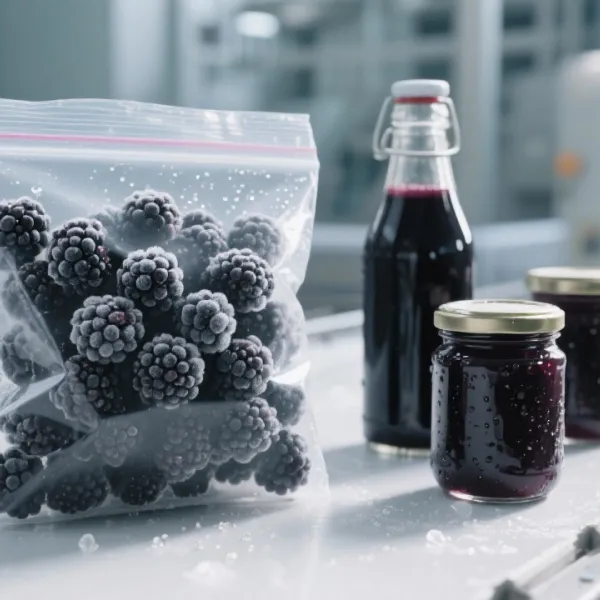
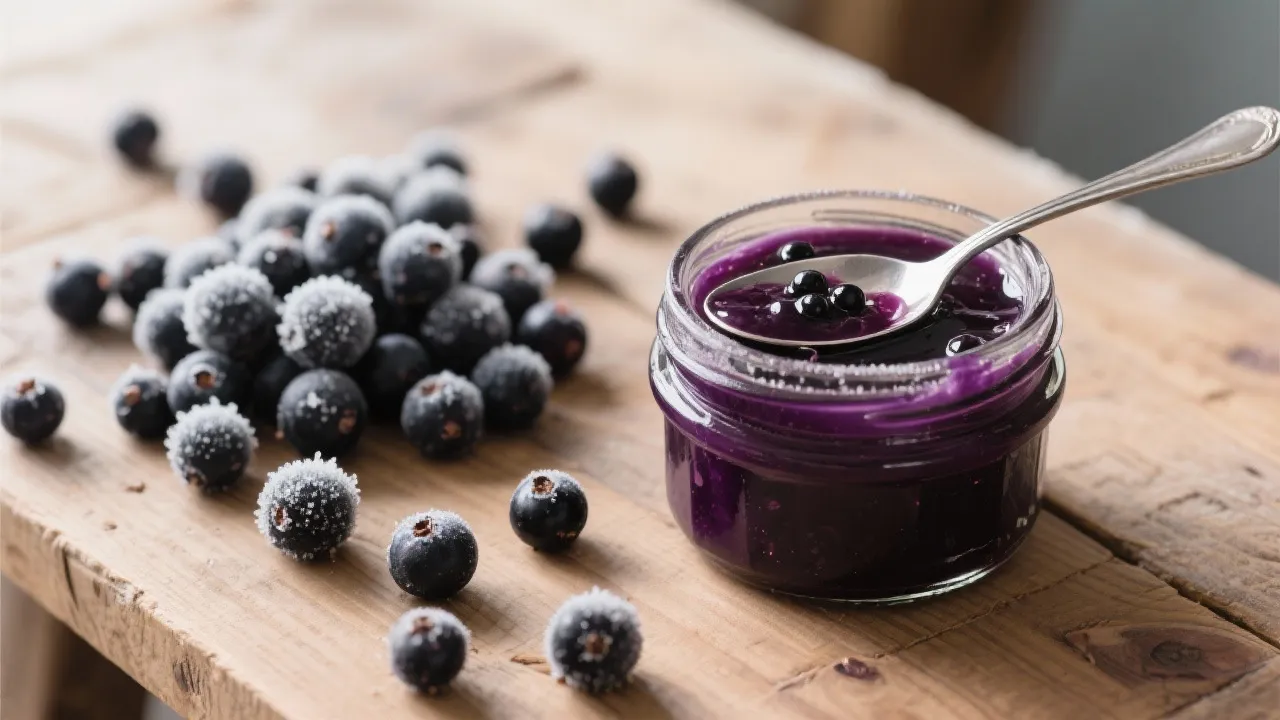
Frozen blackcurrants processed using quick-freeze technology (typically -40°C within 30 minutes) preserve cell structure, texture, and nutritional value far better than slow freezing methods. This results in:
| Metric | Fresh | Frozen (Quick-Freeze) |
|---|---|---|
| Whole Fruit Retention Rate | ~70% | 95%+ (verified by EU food labs) |
| Cold Chain Cost per Ton | $1,200–$1,800 | $400–$600 (no active cooling needed post-frozen) |
| Annual Supply Stability | Low (seasonal only) | High (year-round availability) |
Moreover, many suppliers now use AI-assisted sorting systems that remove stems, leaves, and damaged berries before freezing—ensuring near-zero impurities in final product batches.
A mid-sized fruit processing plant in Poland reported a 15% reduction in waste after switching to certified frozen blackcurrants from a trusted Asian supplier. Their production efficiency increased by 22%, and they were able to expand into new markets like Germany and the UAE without worrying about ingredient inconsistency.
Ready to optimize your fruit sourcing strategy?
Get the Complete Industry Application GuideThe data doesn’t lie: for B2B buyers in the food industry, frozen blackcurrants aren’t just an alternative—they’re a smarter choice for consistent quality, lower risk, and long-term scalability.


_(2).jpg?x-oss-process=image/resize,m_fill,h_600,w_600/format,webp)


.jpg?x-oss-process=image/resize,m_fill,h_600,w_600/format,webp)
.jpg?x-oss-process=image/resize,m_fill,h_600,w_600/format,webp)