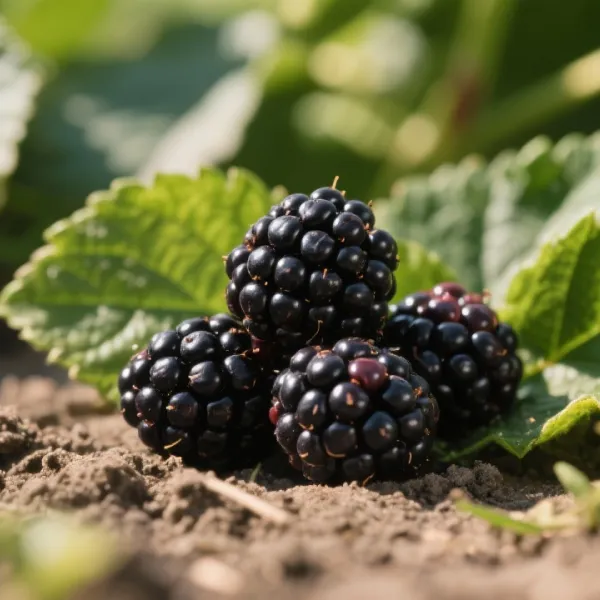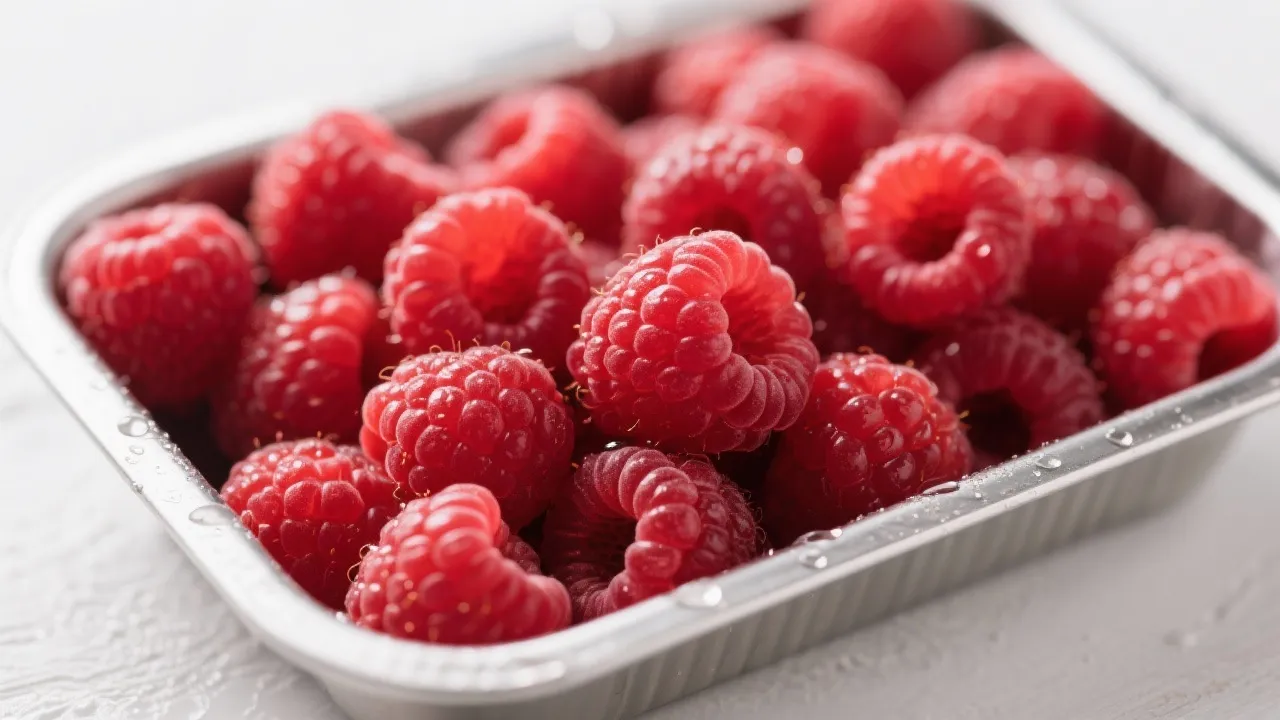
In the competitive world of industrial fruit processing, raw material selection is no longer just about cost—it’s a strategic decision that impacts consistency, scalability, and long-term profitability. For high-end jam manufacturers, frozen blackcurrants have emerged as a preferred ingredient over fresh berries, especially when it comes to meeting quality standards year-round.
Unlike traditional freezing methods, modern blast-freezing technology (typically at -35°C within 30 minutes) locks in cellular integrity. According to a 2023 study by the European Food Research and Technology Journal, this process preserves up to 92% of anthocyanins—key pigments responsible for both color and antioxidant value—compared to only 67% retention in fresh berries after 7 days of storage at 4°C.
This means frozen blackcurrants maintain their natural vibrancy and functional properties even after months in cold chain logistics—a critical advantage for food producers aiming for consistent product performance across batches.
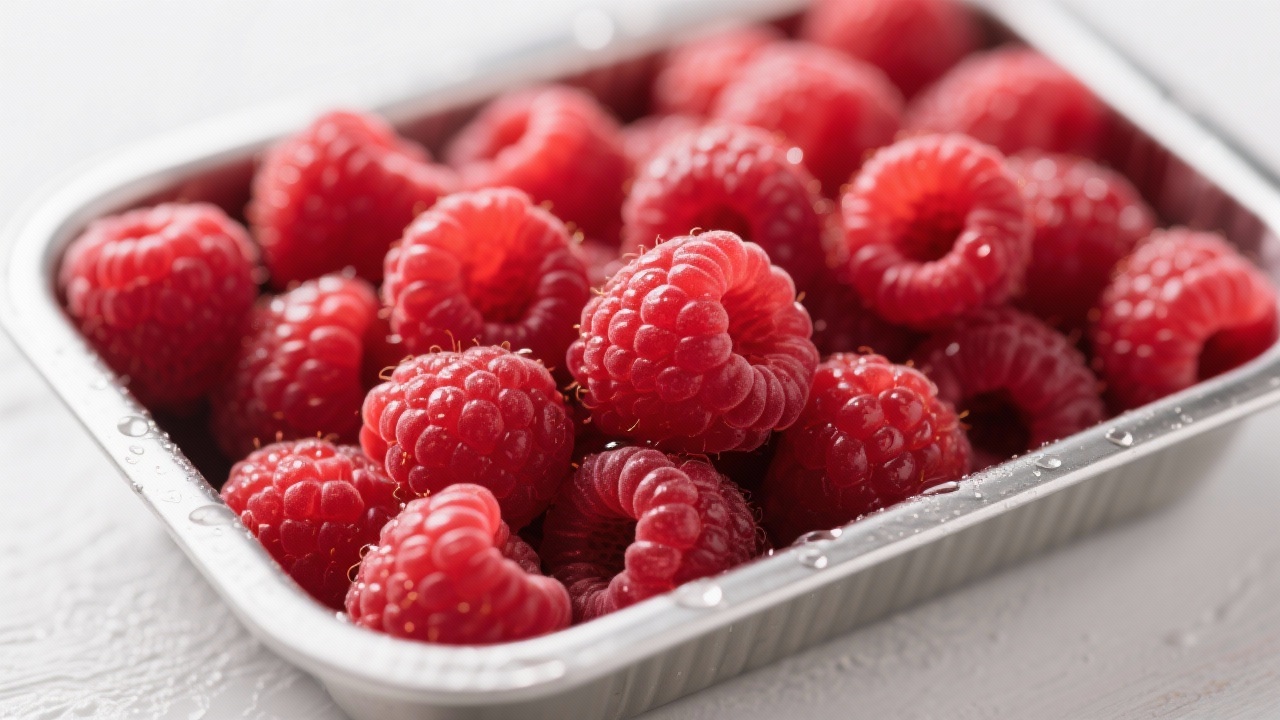
A real-world example from a UK-based premium jam manufacturer shows that switching from fresh to frozen blackcurrants increased whole berry yield from 68% to 89%. This improvement directly translates into reduced waste during processing—estimated at 15–20% savings per batch—and less need for manual sorting, which can be labor-intensive and inconsistent.
Industry benchmarks indicate that average labor costs for manual berry grading range from $12–$18/hour in Europe and North America. With automated systems now capable of handling pre-frozen berries efficiently, production lines see fewer bottlenecks and higher throughput rates.
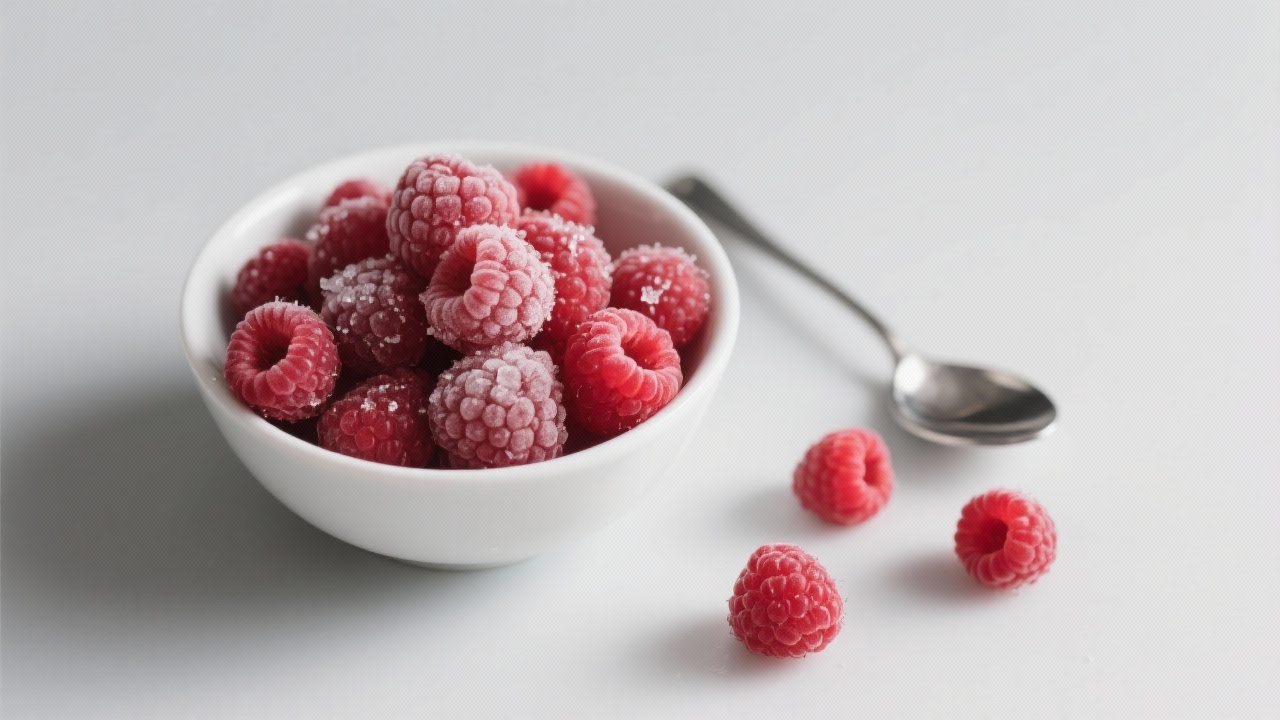
Frozen blackcurrants are not limited to jam production—they’re increasingly used in concentrated juice blends due to their stable pH and flavor profile. In bakery applications, such as fillings for pastries or muffins, they provide a more uniform texture and better freeze-thaw stability than fresh alternatives.
For global brands looking to scale without compromising on quality, frozen blackcurrants offer a scalable solution with predictable supply cycles. A recent report by GlobalData Food Ingredients notes that 63% of EU-based food processors plan to increase frozen fruit usage in 2025, citing reliability and cost-efficiency as top drivers.
Download our free whitepaper: “Frozen Fruit in Industrial Food Processing: A Technical Guide for Procurement Teams” — packed with case studies, technical specs, and supply chain best practices tailored for B2B buyers.
Get the Industry Insights Now
_(2).jpg?x-oss-process=image/resize,m_fill,h_600,w_600/format,webp)


.jpg?x-oss-process=image/resize,m_fill,h_600,w_600/format,webp)