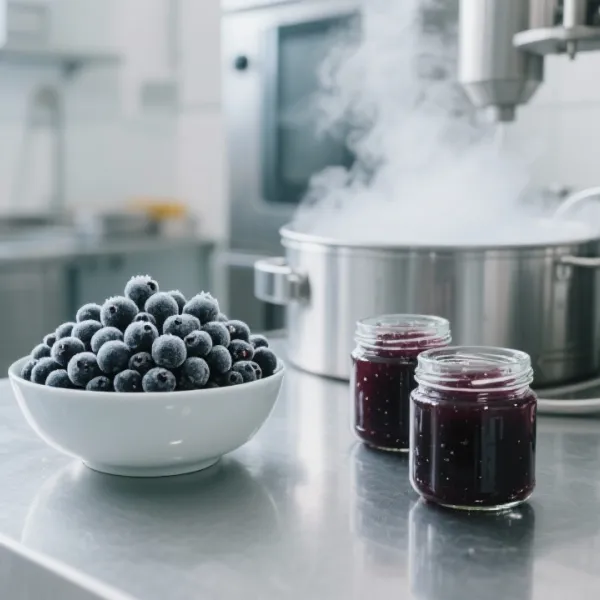
When it comes to premium fruit jam production—especially with high-value berries like blackcurrants—many producers and home cooks fall into avoidable traps. One of the most common misconceptions? That frozen blackcurrants must be fully thawed before cooking. In reality, this step can actually harm your final product’s texture, color, and shelf life.
Myth Busted: You don’t need to fully defrost blackcurrants before making jam. Using them directly from frozen often yields better results.
Thanks to modern quick-freezing technology (typically -30°C within 30 minutes), blackcurrants retain up to 90% of their original vitamin C content and nearly all of their anthocyanin pigments—key for vibrant color and antioxidant value. This means you're not just preserving fruit; you’re locking in flavor potential that fresh berries might lose during transport or storage.
A study by the University of Reading found that frozen berries used in jam production had an average pH stability 0.2 units higher than those stored at room temperature for 72 hours—resulting in more consistent gelling and reduced microbial growth over time.
Many beginners add sugar too early—thinking it helps extract juice. But here’s what experts know: adding sugar before the fruit has softened leads to slower breakdown of pectin chains, resulting in a thinner jam. The optimal timing? Add sugar only after the berries have simmered for 10–15 minutes and started breaking down naturally.
For every 1 kg of frozen blackcurrants, use approximately 600g–700g of sugar, depending on desired sweetness and acidity balance. Always test with a small batch first—if your jam is too tart, increase sugar slightly next time; if it's overly sweet, reduce by 50g per kilogram.
Pro Tip: For natural preservation and enhanced mouthfeel, consider adding 1 tsp lemon juice per 500g of fruit—it boosts acidity without overpowering the berry flavor.
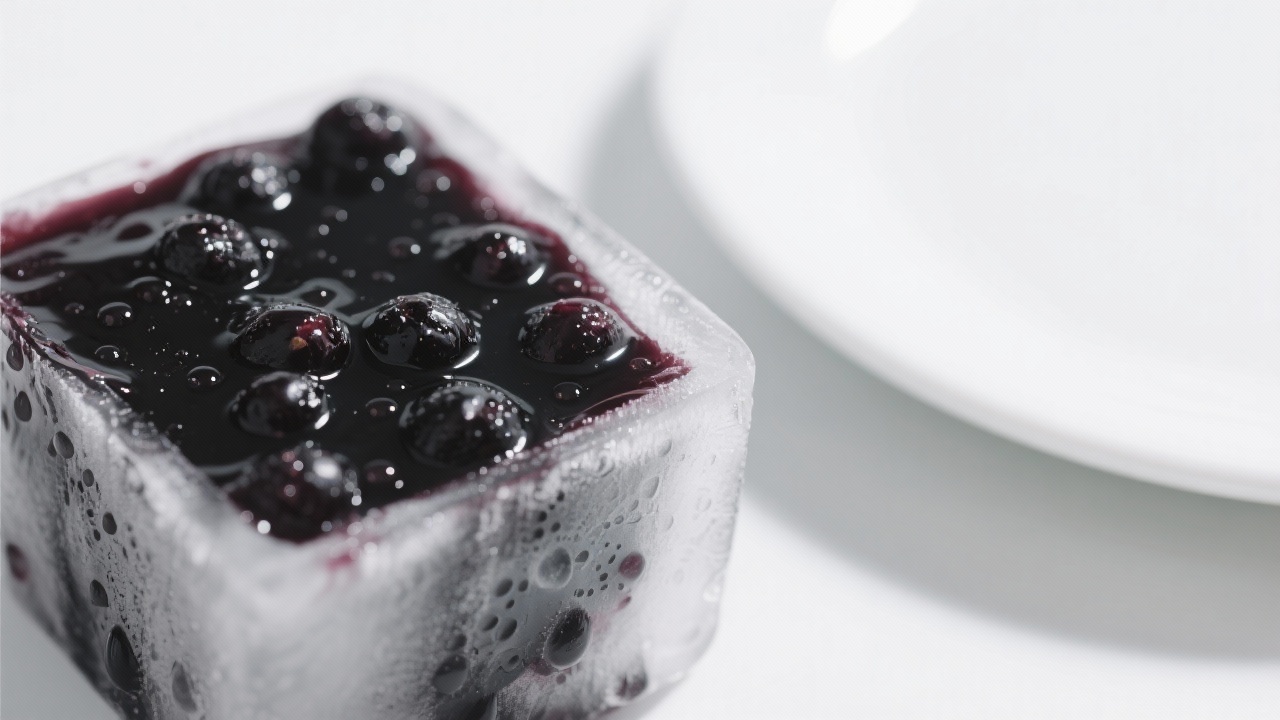
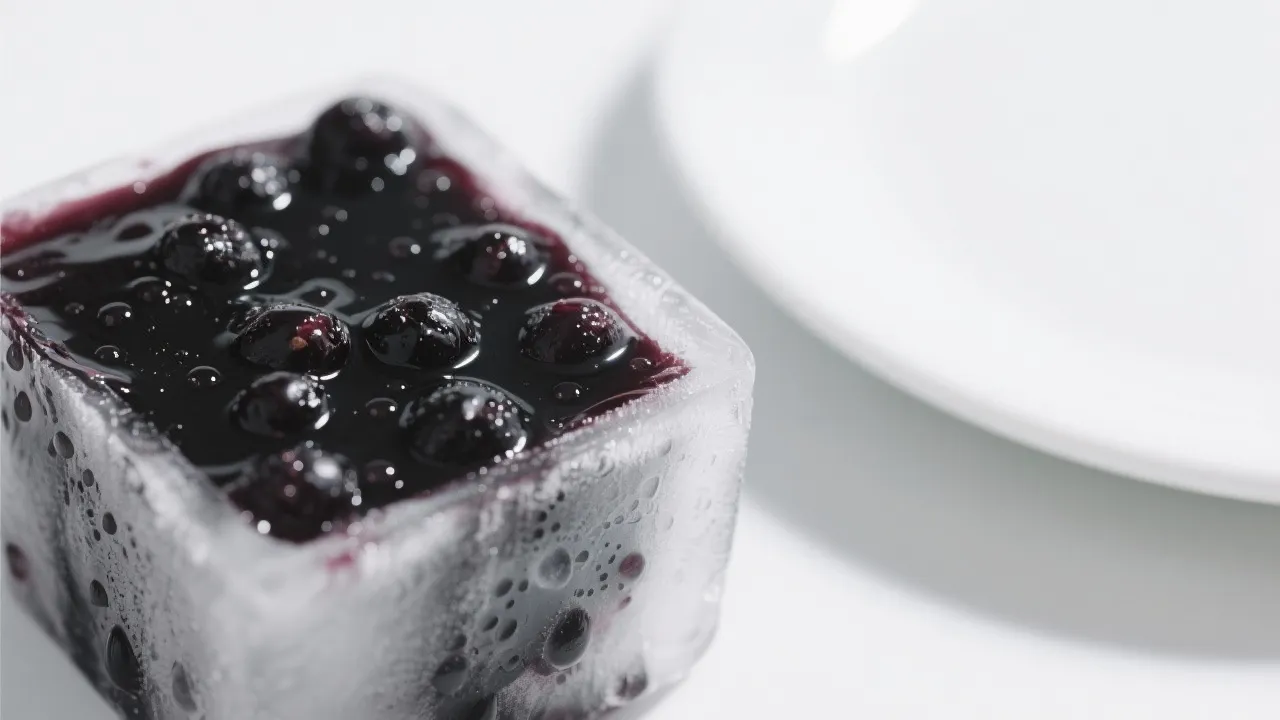
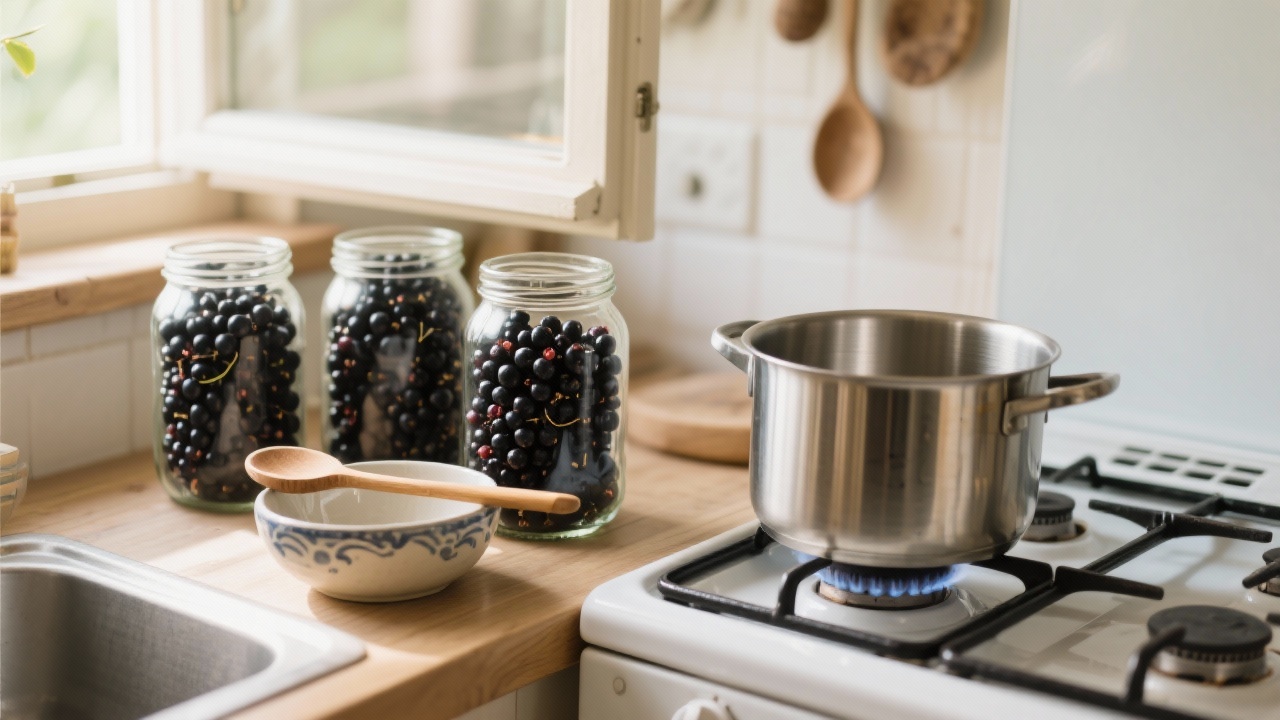
Once your mixture reaches a boil, maintain a steady simmer between 85°C and 95°C for 20–25 minutes. Too hot? Your jam will scorch. Too low? It won’t set properly. A digital thermometer is worth every penny—it ensures consistency across batches, which matters when scaling production.
Also, always check for gel point using the “plate test”: place a spoonful on a chilled plate—if it wrinkles when pushed gently, it’s ready. This simple trick avoids guesswork and prevents wasted ingredients.
If you're producing for B2B clients—whether food manufacturers, gourmet brands, or export distributors—understanding these nuances isn't just helpful—it's essential. Consumers expect rich color, balanced sweetness, and long shelf life. With frozen blackcurrants, you can deliver exactly that—consistently, efficiently, and cost-effectively.
Discover how our frozen blackcurrant processing guidelines helped a UK-based artisanal jam maker improve yield by 18% while reducing waste by 30%.
Download Our Free Technical White Paper


_(2).jpg?x-oss-process=image/resize,m_fill,h_600,w_600/format,webp)


.jpg?x-oss-process=image/resize,m_fill,h_600,w_600/format,webp)