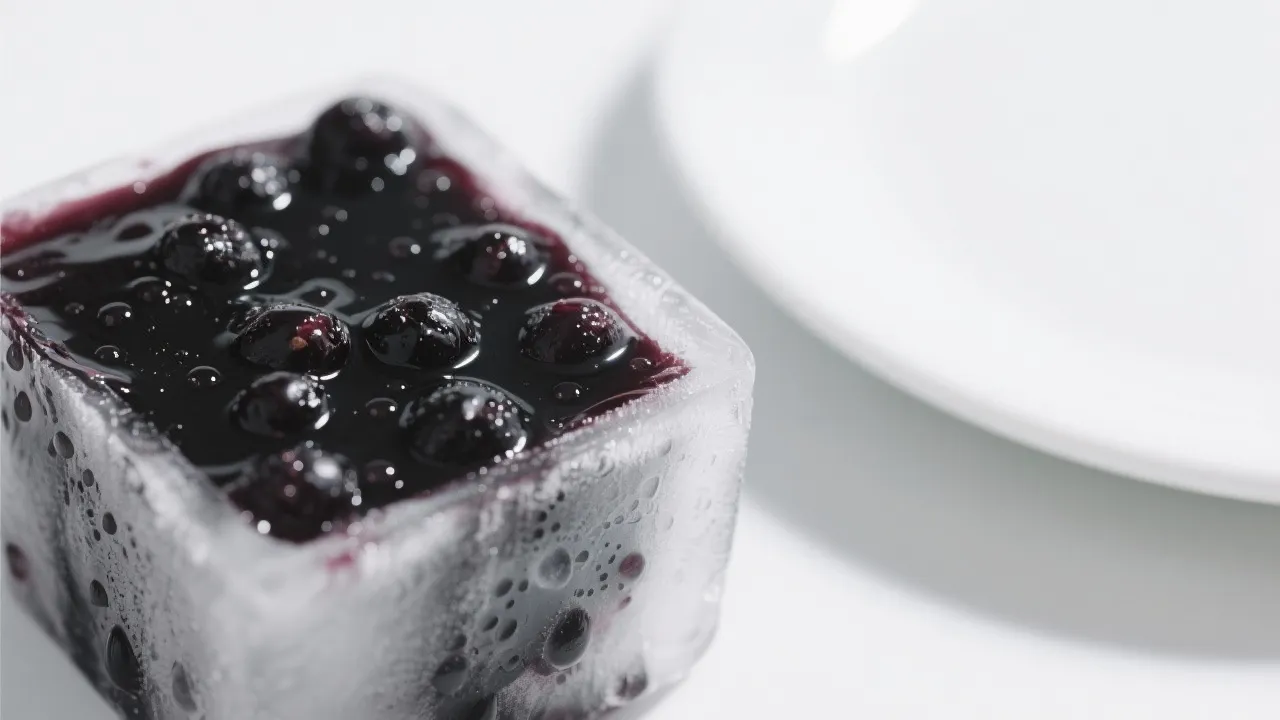
For small-scale producers and artisanal jam makers, using frozen blackcurrants can be a game-changer—but only if you understand how to handle them properly. Many home chefs and boutique manufacturers report inconsistent results when working with frozen berries: dull color, weak flavor, or even separation during storage. The truth is, these issues aren’t due to poor-quality ingredients—they’re often caused by improper thawing, incorrect sugar timing, or unoptimized cooking temperatures.
Freezing at -18°C (0°F) locks in key nutrients like vitamin C and anthocyanins—natural pigments responsible for that vibrant purple hue. According to research from the Journal of Food Science, frozen blackcurrants retain up to 92% of their original vitamin C content after 6 months compared to fresh fruit stored at room temperature. This means your jam won’t just taste better—it’ll also offer more nutritional value per serving.
Step 1: Gentle Thawing – Never microwave or use hot water. Place frozen berries in a sealed container and let them thaw slowly in the refrigerator for 8–12 hours. This prevents cell rupture and maintains texture integrity.
Step 2: Sugar Timing Matters – Add sugar after the fruit has reached 60°C (140°F). Adding it too early leads to premature pectin breakdown, resulting in runny jam. For every 500g of blackcurrants, use 400g of granulated sugar for optimal gelling and preservation.
Step 3: Acid Adjustment – A pinch of citric acid (about 1 tsp per kg of fruit) boosts shelf life and enhances brightness. It also helps stabilize color against oxidation.
Step 4: Controlled Cooking – Heat to 104–106°C (219–223°F) before testing for setting point. Use a digital thermometer for accuracy. Overcooking beyond 108°C risks caramelization and loss of aromatic compounds.
Real-world test: One producer in France switched from fresh to frozen blackcurrants and saw a 30% increase in batch consistency over three months—without altering any other variables.
Pro Tip: Always test your jam on a cold plate—if it wrinkles slightly when tilted, it’s ready to bottle. No need for expensive equipment—just patience and precision.
Want to scale your frozen berry processing efficiently? Download our Freeze-to-Jam White Paper—a detailed guide used by European SMEs to reduce waste and improve yield by up to 25%.
Get the Free Guide NowIf you've tried this method—or have your own trick—share your experience in the comments below. We love hearing from fellow crafters who are passionate about preserving nature’s best flavors, one jar at a time.


_(2).jpg?x-oss-process=image/resize,m_fill,h_600,w_600/format,webp)
.jpg?x-oss-process=image/resize,m_fill,h_600,w_600/format,webp)
_(4).jpg?x-oss-process=image/resize,m_fill,h_600,w_600/format,webp)