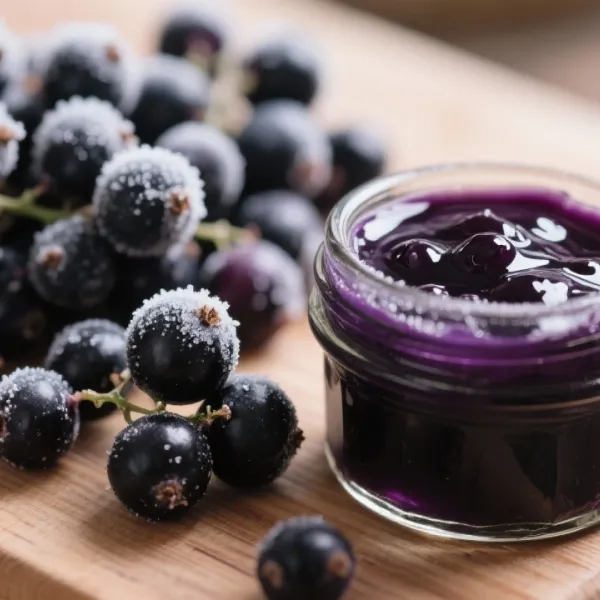
Why Premium Jam Brands Choose Frozen Black Currants: A Technical Guide to Innovation in Baking Fillings
2026-02-01
Application Tutorial
70% of premium jam brands now use frozen black currants—what’s behind this shift? This article explores the industrial advantages of frozen black currants in fruit processing: over 95% whole-fruit retention, triple manual sorting for purity, and flash-freezing that preserves cellular structure for smoother texture. Compared to fresh berries, frozen black currants reduce supply chain costs and seasonal variability while enabling new applications such as bakery fillings. Ideal for food manufacturers seeking actionable insights into ingredient sourcing and innovation.
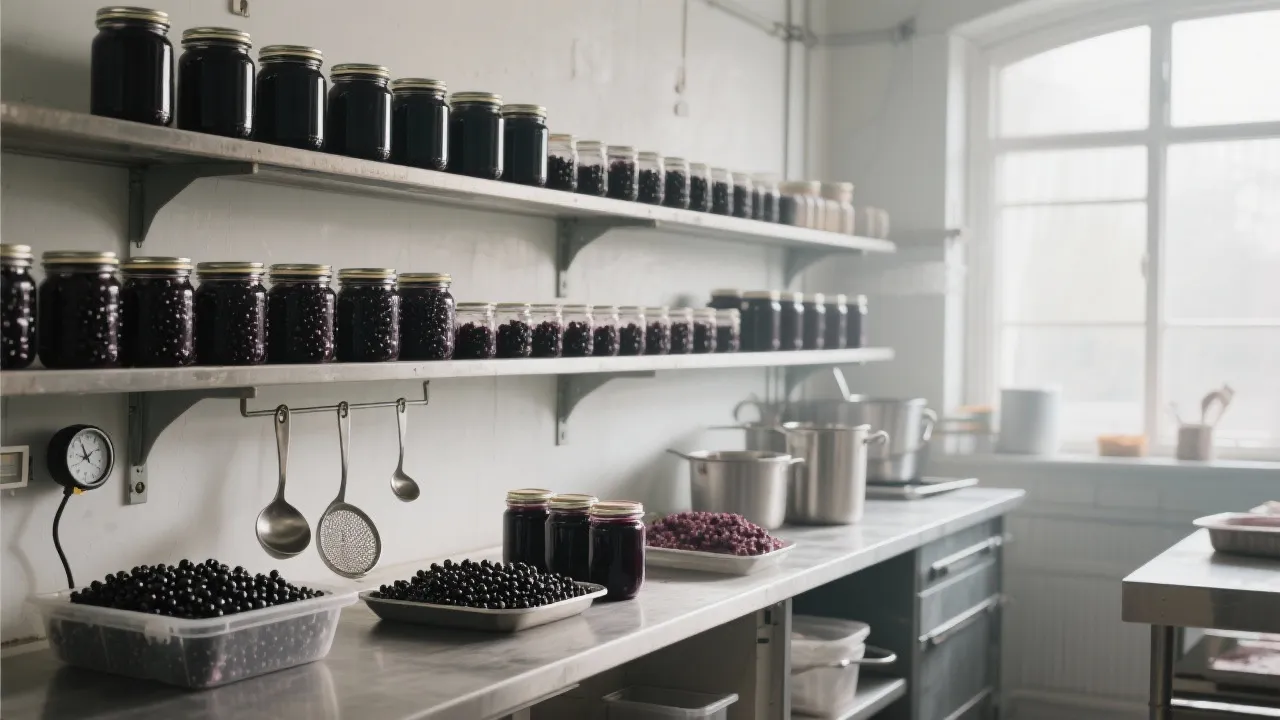
Why Top-End Jam Brands Are Turning to Frozen Blackcurrants
In the competitive world of food manufacturing, where consistency and cost-efficiency are non-negotiable, a surprising trend is reshaping ingredient sourcing: over 70% of premium jam producers now rely on frozen blackcurrants—not fresh ones—as their base fruit. This isn’t just a seasonal preference—it’s a strategic shift rooted in industrial logic.
The Technical Edge: Why Freezing Isn’t a Compromise
What makes frozen blackcurrants stand out? Let’s break it down:
- 95%+ Whole Fruit Retention: Unlike fresh berries that lose up to 20% during processing due to bruising or fragmentation, frozen blackcurrants maintain structural integrity through quick-freeze technology—reducing waste significantly.
- Triple-Screen Purification: Each batch undergoes three manual screenings before freezing, ensuring zero foreign particles—a must for EU and US regulatory compliance.
- Cellular Integrity Preserved: The flash-freezing process locks in cellular structure, resulting in smoother texture when blended into jams or fillings—no gritty aftertaste, no separation.
- Year-Round Consistency: No more seasonal shortages or price spikes. A single freezer unit can supply consistent quality across 12 months.
Fresh vs. Frozen: The Real Cost Comparison
While fresh blackcurrants may seem like the obvious choice, they come with hidden costs:
| Factor |
Fresh Blackcurrants |
Frozen Blackcurrants |
| Transport Loss Rate |
15–20% |
< 5% |
| Storage Duration |
3–5 days (refrigerated) |
12+ months (frozen) |
| Labor Input per Ton |
High (manual sorting + handling) |
Low (automated prep + pre-screened) |
“We switched to frozen blackcurrants two years ago. Our production line runs smoother, our waste dropped by 30%, and customers haven’t noticed any difference in taste.” — Maria Lopez, R&D Lead at a German confectionery brand
From Jam to Pastry: Unlocking New Applications
Beyond traditional fruit spreads, frozen blackcurrants are gaining traction in innovative applications such as:
- Baking fillings for tarts, muffins, and croissants—where texture stability matters
- Yogurt swirls and ice cream cores in premium dessert lines
- Functional snacks targeting health-conscious consumers (high anthocyanin content)
For B2B buyers looking to optimize their supply chain while enhancing product quality, this shift offers real-world benefits—not just theory. Whether you're scaling up production or exploring new formulations, frozen blackcurrants provide a reliable foundation.
Ready to Explore Practical Use Cases?
Download our free “Frozen Fruit Integration Guide”—a step-by-step resource for food processors aiming to reduce waste, improve yield, and innovate with confidence.
Get the Industry Application Guide

_(2).jpg?x-oss-process=image/resize,m_fill,h_600,w_600/format,webp)


.jpg?x-oss-process=image/resize,m_fill,h_600,w_600/format,webp)
.jpg?x-oss-process=image/resize,m_fill,h_600,w_600/format,webp)

.jpg?x-oss-process=image/resize,m_fill,h_600,w_600/format,webp)