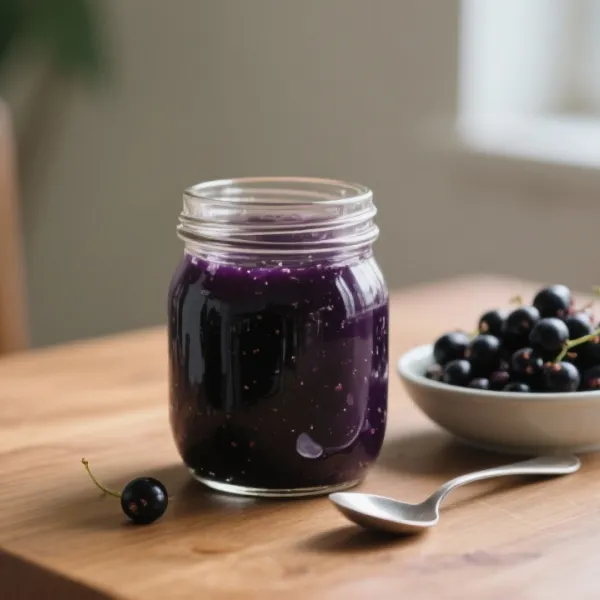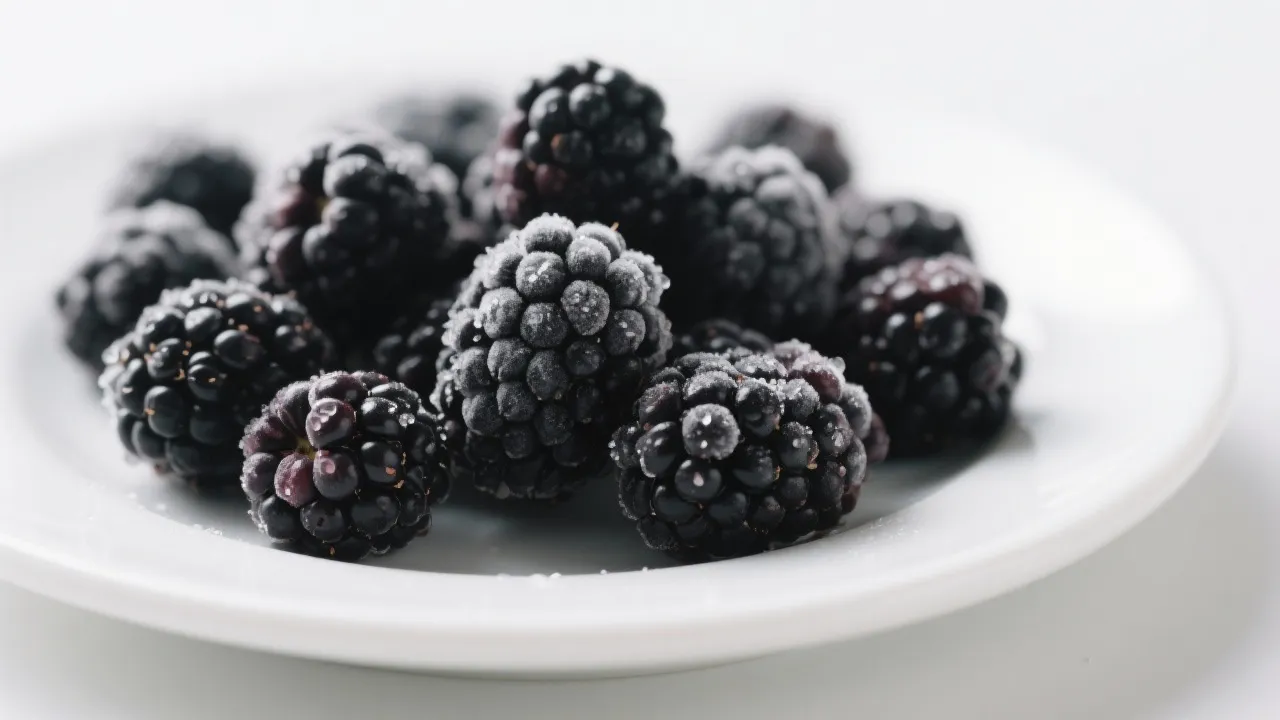
In today's competitive food industry, consumers increasingly demand frozen fruits and vegetables that retain not just flavor and texture, but also the essential nutrients found in fresh produce. Among these valuable nutrients, anthocyanins—powerful antioxidants responsible for the vibrant red, purple, and blue colors in many fruits and vegetables—are particularly sensitive to processing and storage conditions. This guide explores how flash freezing technology offers a solution to this challenge, with a focus on practical applications for food processors looking to enhance product quality and market appeal.
"Did you know that conventional freezing methods can result in up to 40% loss of anthocyanins in berries? The difference between acceptable and exceptional frozen produce often lies in the freezing technology and process control."
When fruits and vegetables are harvested, they immediately begin to lose nutrients through natural enzymatic processes and oxidation. Traditional preservation methods often exacerbate this loss, particularly for heat-sensitive compounds like vitamins and antioxidants. Anthocyanins, which offer numerous health benefits including anti-inflammatory properties and cardiovascular support, are especially vulnerable to degradation during processing.
Research conducted by the Institute of Food Technologists indicates that improper freezing and storage can reduce anthocyanin content by 25-50% within just three months. This not only diminishes the nutritional value of the product but also affects color intensity—a critical quality parameter for consumer acceptance.
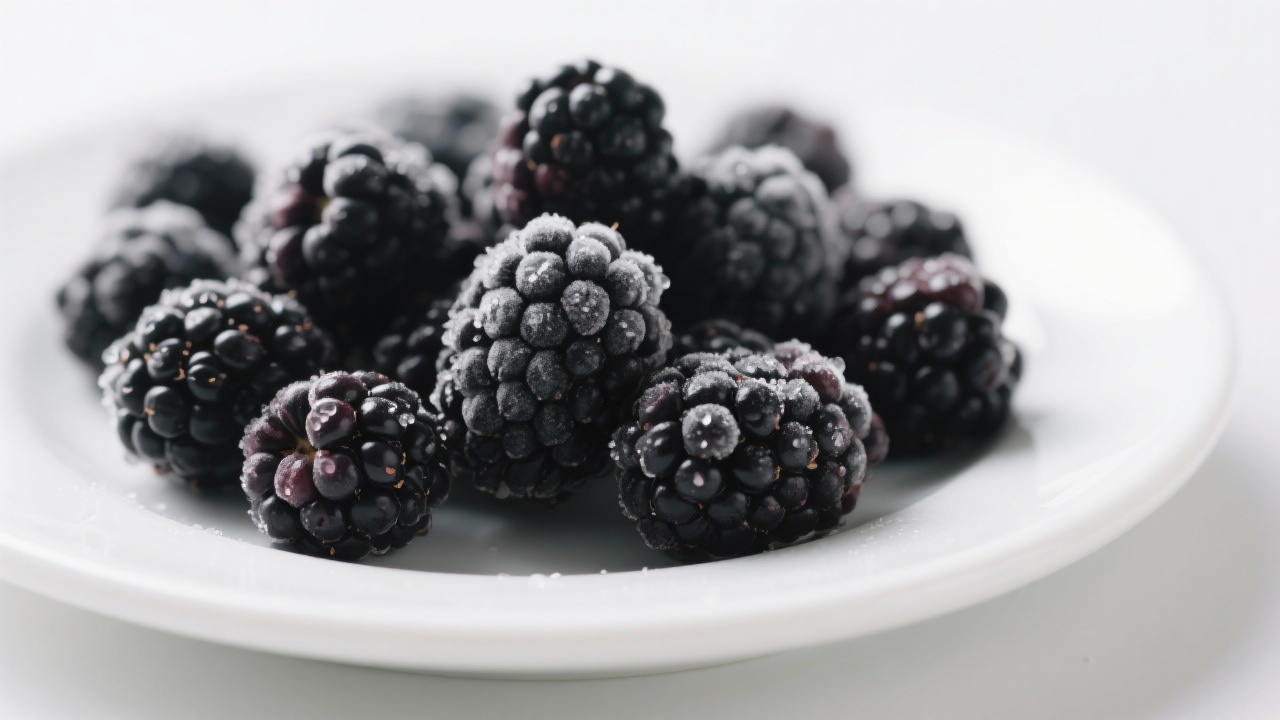
Flash freezing, also known as rapid freezing, distinguishes itself from conventional freezing through its ability to quickly lower the temperature of produce to -18°C or below. This rapid temperature reduction offers two key benefits for nutrient preservation:
By freezing produce in under 30 minutes (compared to several hours with conventional methods), flash freezing creates smaller ice crystals that cause less damage to cellular structures. This preserves the integrity of plant cells, reducing nutrient leakage and maintaining texture.
The rapid temperature drop quickly deactivates enzymes that break down nutrients, effectively hitting a "pause button" on the natural degradation process. This is particularly crucial for preserving anthocyanins, which are highly susceptible to enzymatic oxidation.
Achieving optimal nutrient retention with flash freezing requires precise control of several key parameters. Processors should focus on these critical factors:
A comparative study by the University of Agriculture found that blueberries processed using flash freezing retained 89% of their initial anthocyanin content after 12 months of storage at -18°C, compared to only 62% retention with conventional freezing methods. This significant difference translated to both superior nutritional value and better color retention, resulting in a 30% price premium in retail markets.
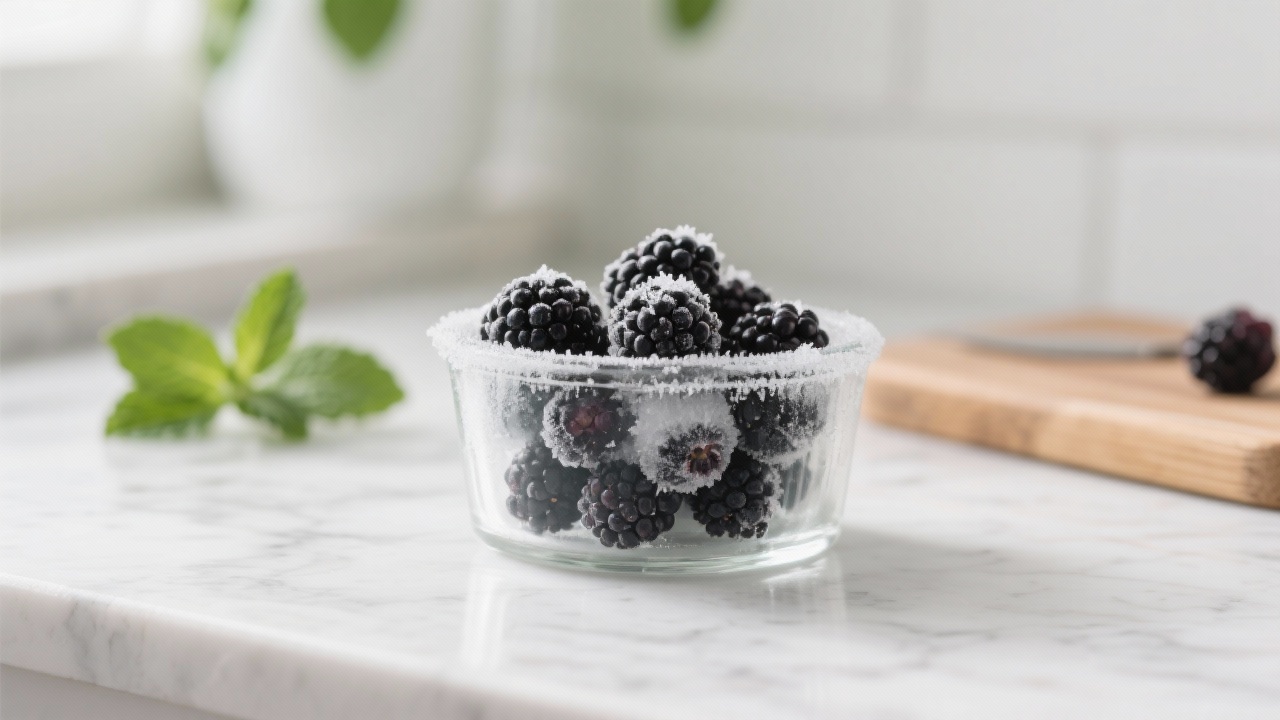
Before freezing, the quality of raw materials significantly impacts the final product's nutrient content. Implementing a rigorous three-stage manual sorting process ensures only the highest quality produce proceeds to freezing:
Processors implementing this three-stage sorting process typically see a 15-20% improvement in final product quality and a corresponding reduction in nutrient loss during freezing and storage.
Even with optimal flash freezing, improper cold chain management can negate the benefits of the process. Temperature fluctuations during storage and transportation are particularly damaging to anthocyanin stability.
Key cold chain management practices include:
Maintain constant -18°C ± 1°C
Use refrigerated vehicles with temperature monitoring
Implement FIFO system to minimize storage time
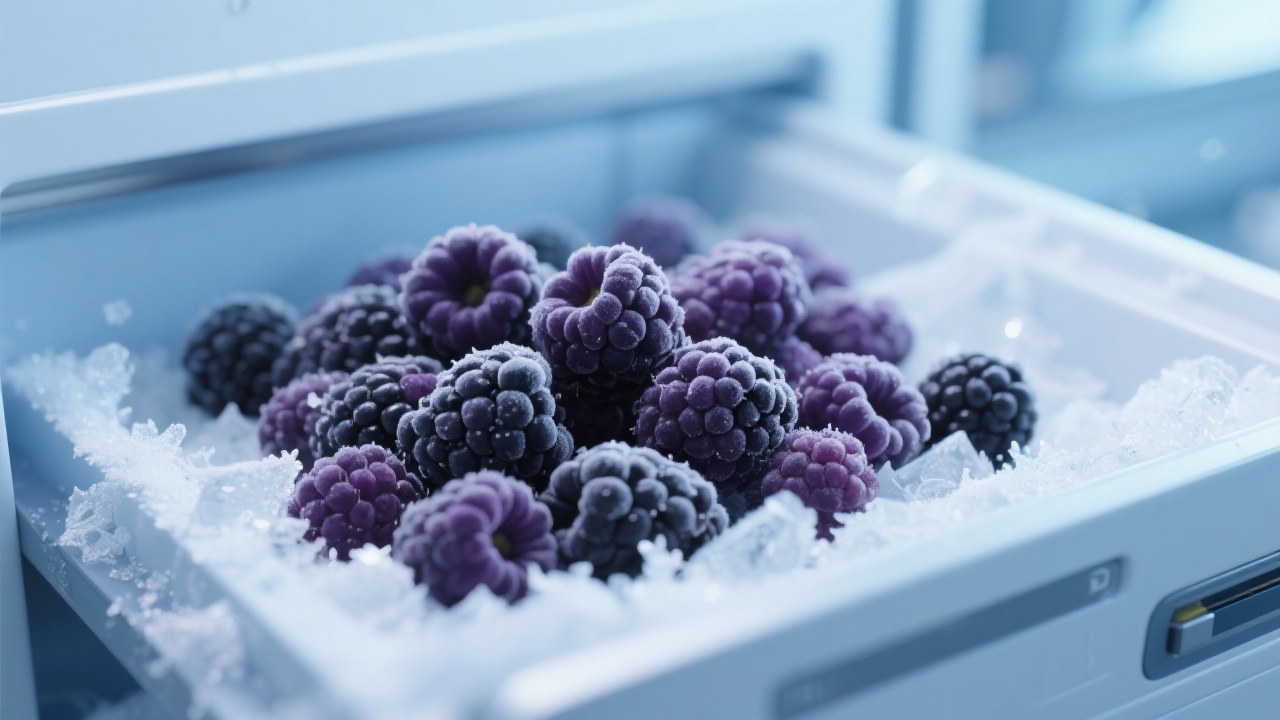
Many processors struggle with maintaining consistent anthocyanin levels in their frozen fruit and vegetable products. Common challenges include inconsistent freezing rates, inadequate cold chain management, and suboptimal raw material selection. Addressing these issues requires a comprehensive approach that combines advanced freezing technology with rigorous quality control throughout the production process.
For food processors looking to differentiate their products in the competitive frozen food market, investing in flash freezing technology offers substantial returns. Products with proven nutrient retention capabilities can command premium pricing, appeal to health-conscious consumers, and open new market opportunities in the functional food sector.
亿商桥 understands the critical role that advanced freezing technology plays in producing high-quality frozen fruits and vegetables. By combining state-of-the-art flash freezing equipment with meticulous process control, processors can achieve consistent nutrient retention and product quality that meets the demands of today's discerning consumers.
Discover how optimized flash freezing processes can preserve anthocyanins and other critical nutrients, giving your products a competitive edge in the global market.
Explore Flash Freezing SolutionsAs consumer awareness of nutritional content continues to grow, the ability to deliver frozen fruits and vegetables with preserved anthocyanins and other sensitive nutrients will become an increasingly important competitive advantage. By implementing the principles outlined in this guide—from careful raw material selection to precise flash freezing parameters and rigorous cold chain management—processors can meet this demand while achieving better product quality and market positioning.

_(2).jpg?x-oss-process=image/resize,m_fill,h_600,w_600/format,webp)