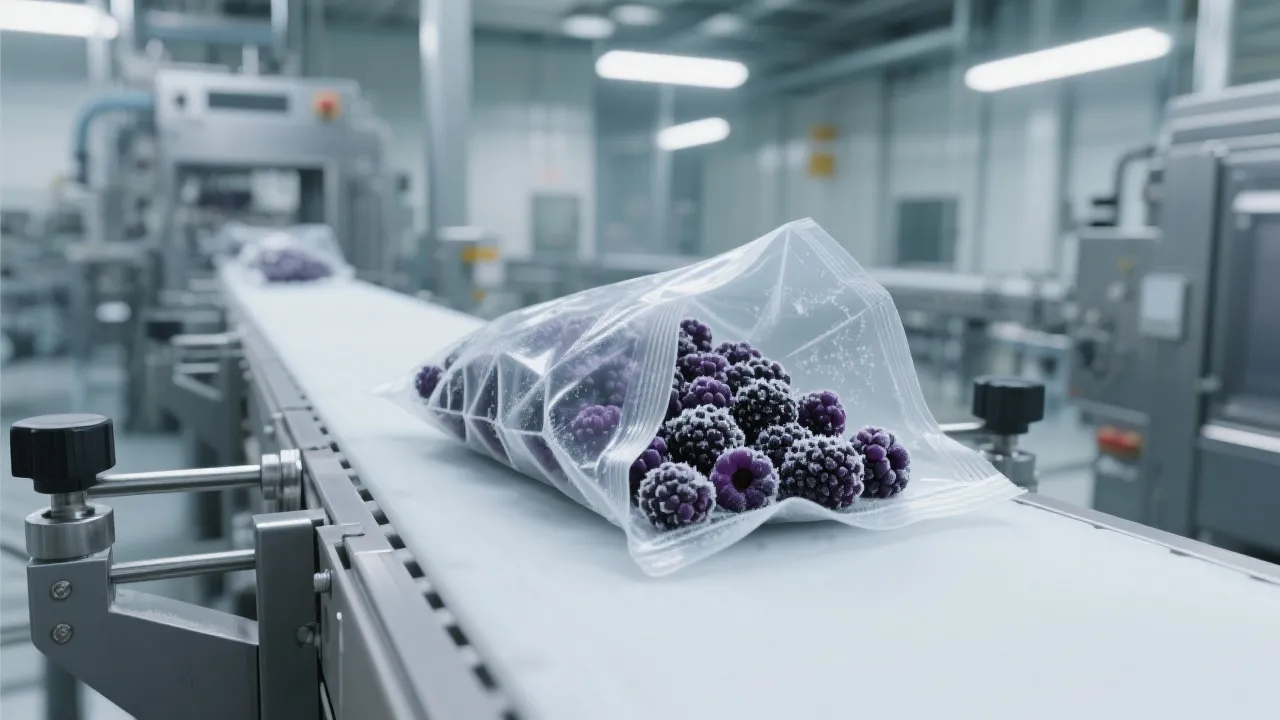
For food processors specializing in berry products, the challenge of maintaining blackberry integrity during freezing has long been a costly frustration. Walk into any commercial kitchen handling frozen berries, and you'll likely encounter the same problem: containers of frozen blackberries that more closely resemble purple ice slush than premium whole fruits. This isn't just an aesthetic issue—every broken berry represents lost revenue, compromised product quality, and disappointed customers.
Blackberries present unique preservation challenges due to their delicate cellular structure and high water content (approximately 85%). Traditional freezing methods, which typically cool products at rates slower than 1°C per minute, allow ice crystals to form and grow within the fruit's cells. These crystals can reach sizes up to 100μm—large enough to rupture cell walls and destroy the fruit's structural integrity.
Industry studies show that conventional freezing processes result in blackberry whole fruit rates as low as 62-68%, with vitamin C retention dropping to 58-65% of original levels after just three months of storage.
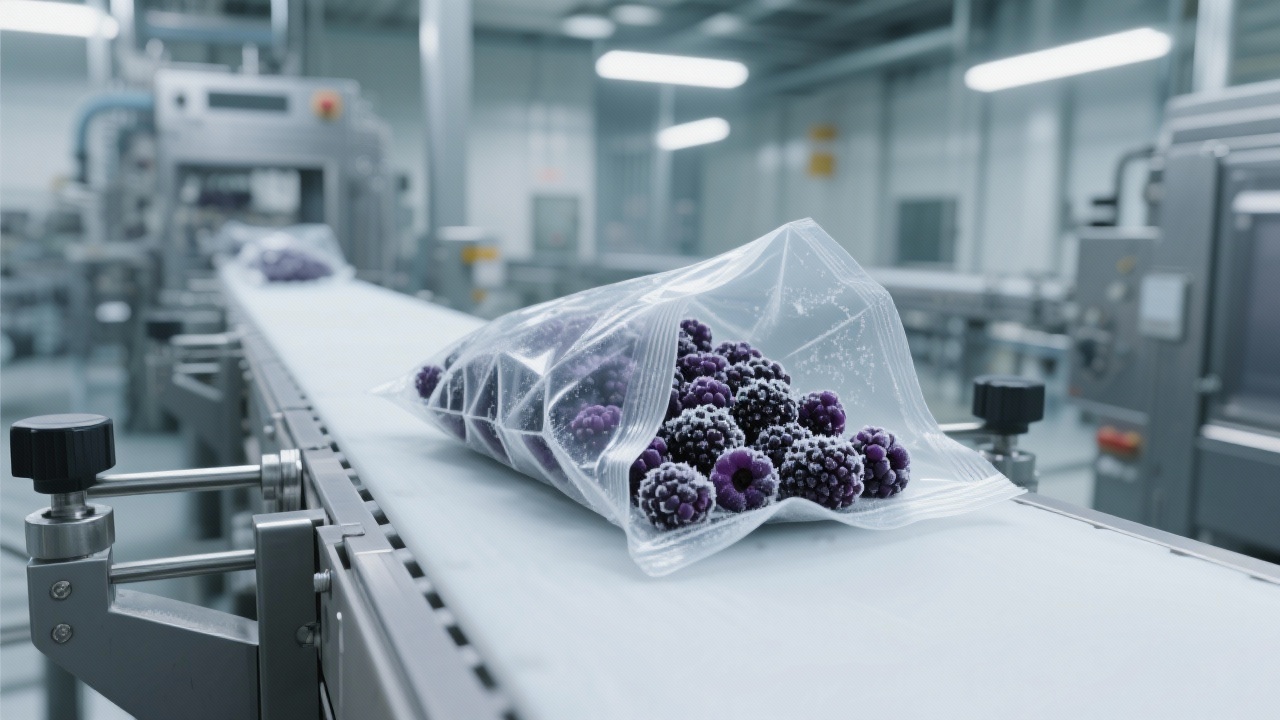
Flash freezing technology, which achieves cooling rates exceeding 5°C per minute, fundamentally changes the ice formation process. By rapidly lowering the temperature of blackberries to -18°C or below within minutes rather than hours, the process creates millions of tiny ice crystals (typically 10-20μm in size) that distribute evenly throughout the fruit without puncturing cell membranes.
This preservation of cellular structure delivers multiple benefits: improved texture upon thawing, reduced drip loss, and significantly better retention of color, flavor compounds, and nutrients. When properly implemented, flash freezing can maintain blackberry whole fruit rates at 92-96%—a dramatic improvement that directly impacts your bottom line.
Consider this scenario: a processor handling 500 metric tons of blackberries annually. With conventional freezing methods and a 65% whole fruit rate, only 325 metric tons of salable whole berries are produced. By implementing flash freezing technology and achieving a 94% whole fruit rate, production of salable berries increases to 470 metric tons—creating 145 metric tons of additional marketable product.
At an average market price of $3.20 per kg for IQF blackberries, this improvement represents potential additional annual revenue of $464,000—often enough to justify equipment investment within 12-18 months.
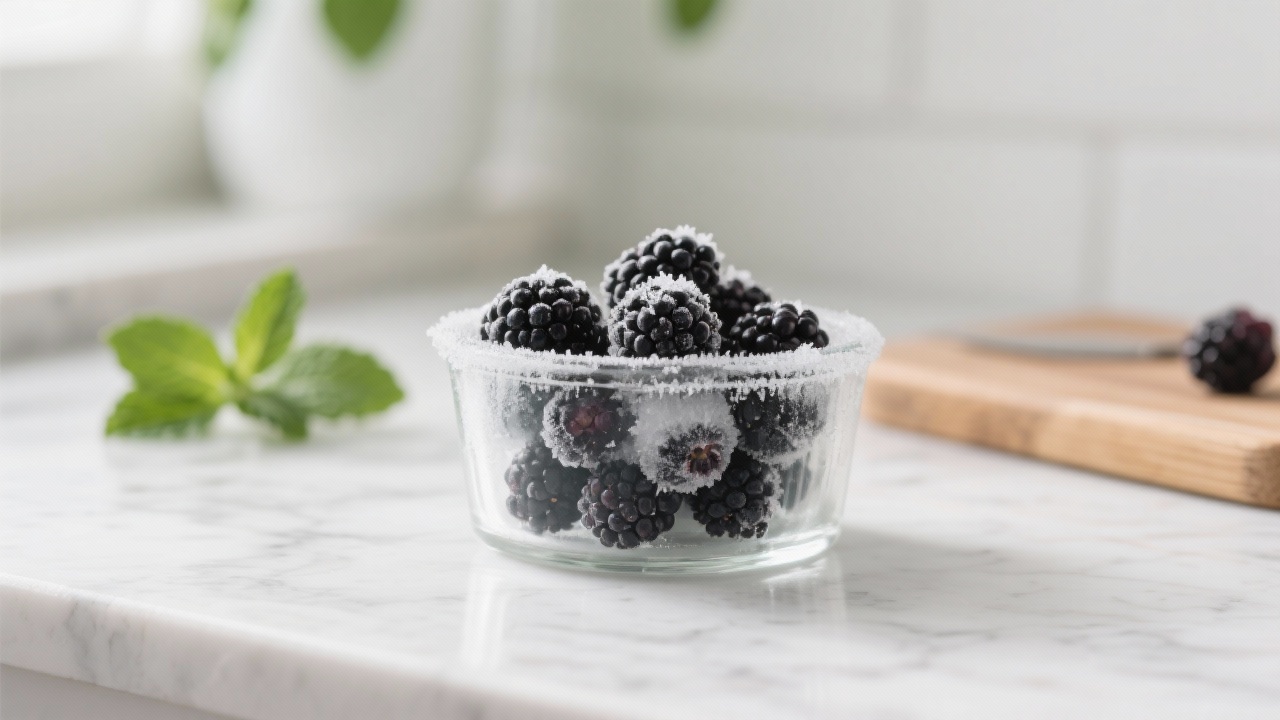
When evaluating flash freezing systems for blackberry processing, two primary technologies dominate the market: cryogenic freezing using liquid nitrogen and mechanical air-blast freezing. Each offers distinct advantages depending on your production scale, budget, and product requirements.
Cryogenic systems utilize liquid nitrogen (-196°C) to achieve extremely rapid freezing—often within 60-90 seconds. This method delivers superior product quality with minimal cell damage and excellent nutrient retention. Vitamin C levels, for instance, can be preserved at 90-95% of fresh levels when using this technology.
Best suited for high-value products and processors with variable production volumes, nitrogen systems offer quick startup times and flexible processing capabilities. However, they require a consistent supply of liquid nitrogen and have higher ongoing operational costs compared to mechanical systems.
Mechanical systems circulate extremely cold air (-40°C to -50°C) at high velocities around the product. While freezing times are longer (typically 3-10 minutes for blackberries), these systems have lower operational costs and are ideal for continuous, high-volume production environments.
Modern mechanical freezers with advanced airflow design can achieve whole fruit rates of 92-94% for blackberries, making them a cost-effective solution for medium to large-scale processors focused on consistent quality and operational efficiency.
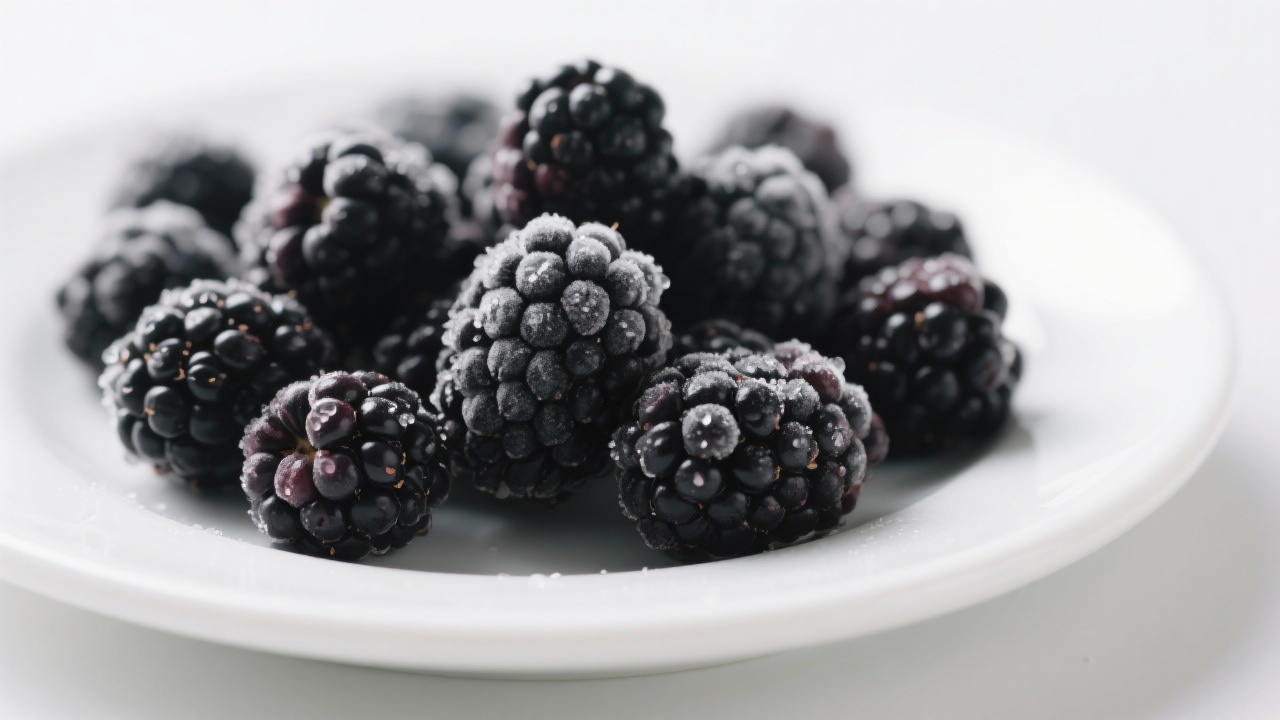
While flash freezing technology is critical, achieving maximum whole fruit yield requires attention to the entire processing sequence. From harvest timing to pre-freezing handling, each step impacts final product quality.
Harvesting blackberries at optimal ripeness (75-85% color development) ensures better texture retention during freezing. Proper sorting to remove damaged or overripe fruit before freezing prevents compromised berries from affecting the entire batch. Gentle handling systems with minimal drop heights and vibration are essential to prevent pre-freezing damage.
Pre-cooling blackberries to 4-6°C within 30 minutes of harvest reduces the thermal load on the freezing system and improves freezing uniformity. Implementing these best practices alongside flash freezing technology creates a comprehensive quality assurance program that maximizes both product quality and economic returns.
Discover how custom flash freezing solutions can elevate your product quality, reduce waste, and open new market opportunities for your frozen blackberry products.
Request Your Free Process EvaluationOur food processing specialists will analyze your current operations and provide tailored recommendations for achieving export-grade blackberry quality.
As consumer demand for high-quality frozen fruits continues to grow—particularly in premium markets such as organic food manufacturing, foodservice, and retail—investing in flash freezing technology positions processors to meet this demand while improving operational efficiency. The difference between good and exceptional frozen blackberry products often comes down to how effectively you preserve the fruit's natural structure during processing.
What specific challenges have you encountered with blackberry processing and preservation? Have you implemented any techniques that have successfully improved your whole fruit yield? Share your experiences and questions in the comments below—our team of food processing experts regularly engages with industry professionals to address real-world challenges.


_(2).jpg?x-oss-process=image/resize,m_fill,h_600,w_600/format,webp)


_(4).jpg?x-oss-process=image/resize,m_fill,h_600,w_600/format,webp)

.jpg?x-oss-process=image/resize,m_fill,h_600,w_600/format,webp)
.jpg?x-oss-process=image/resize,m_fill,h_600,w_600/format,webp)